Roles of Citizens
The Constitution of Kenya advocates for community participation in project formulation and implementation for ownership and sustainability.
In this regards the NG-CDF expects its implementing agencies to put community at the forefront in the project cycle. The community is therefore expected to:
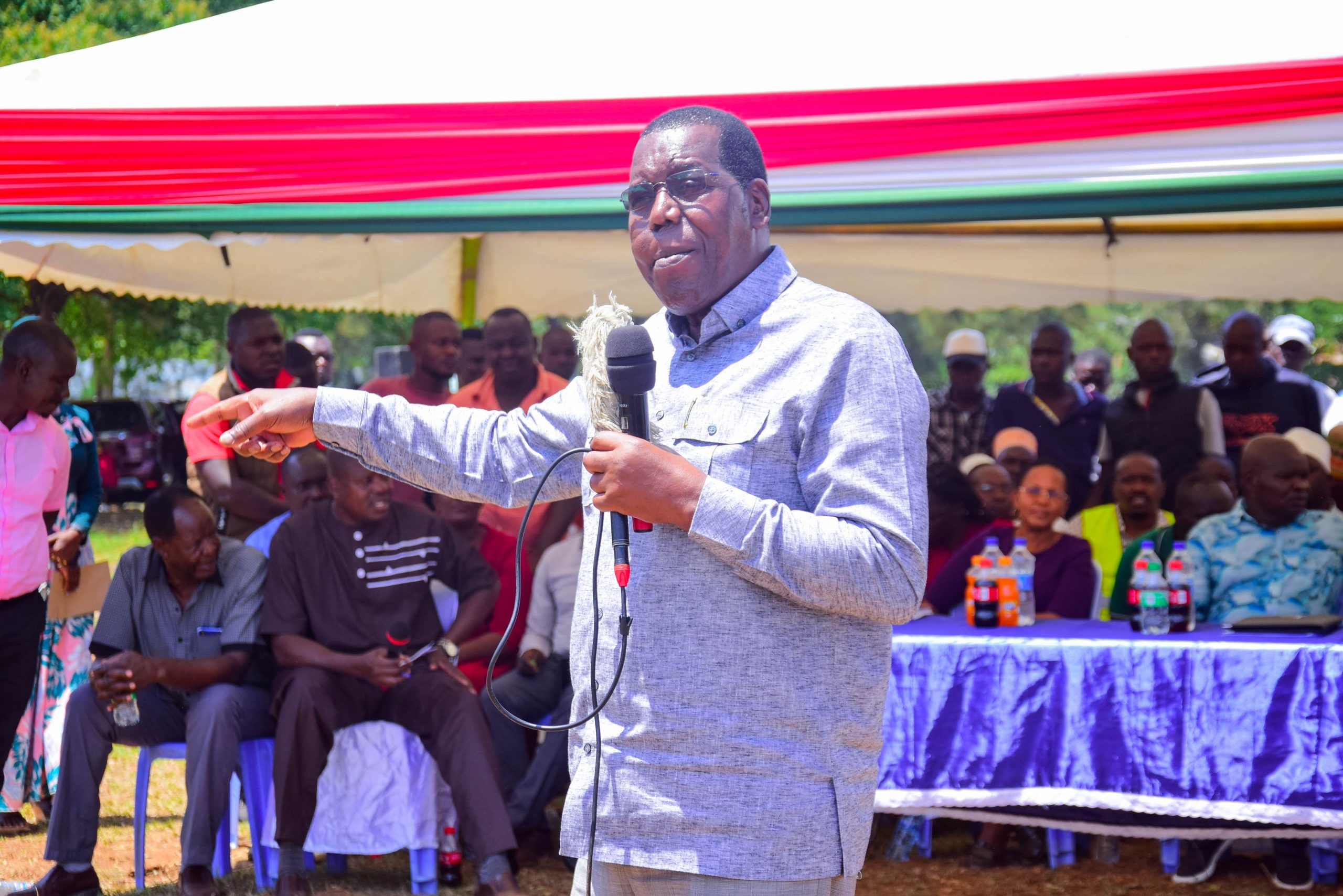
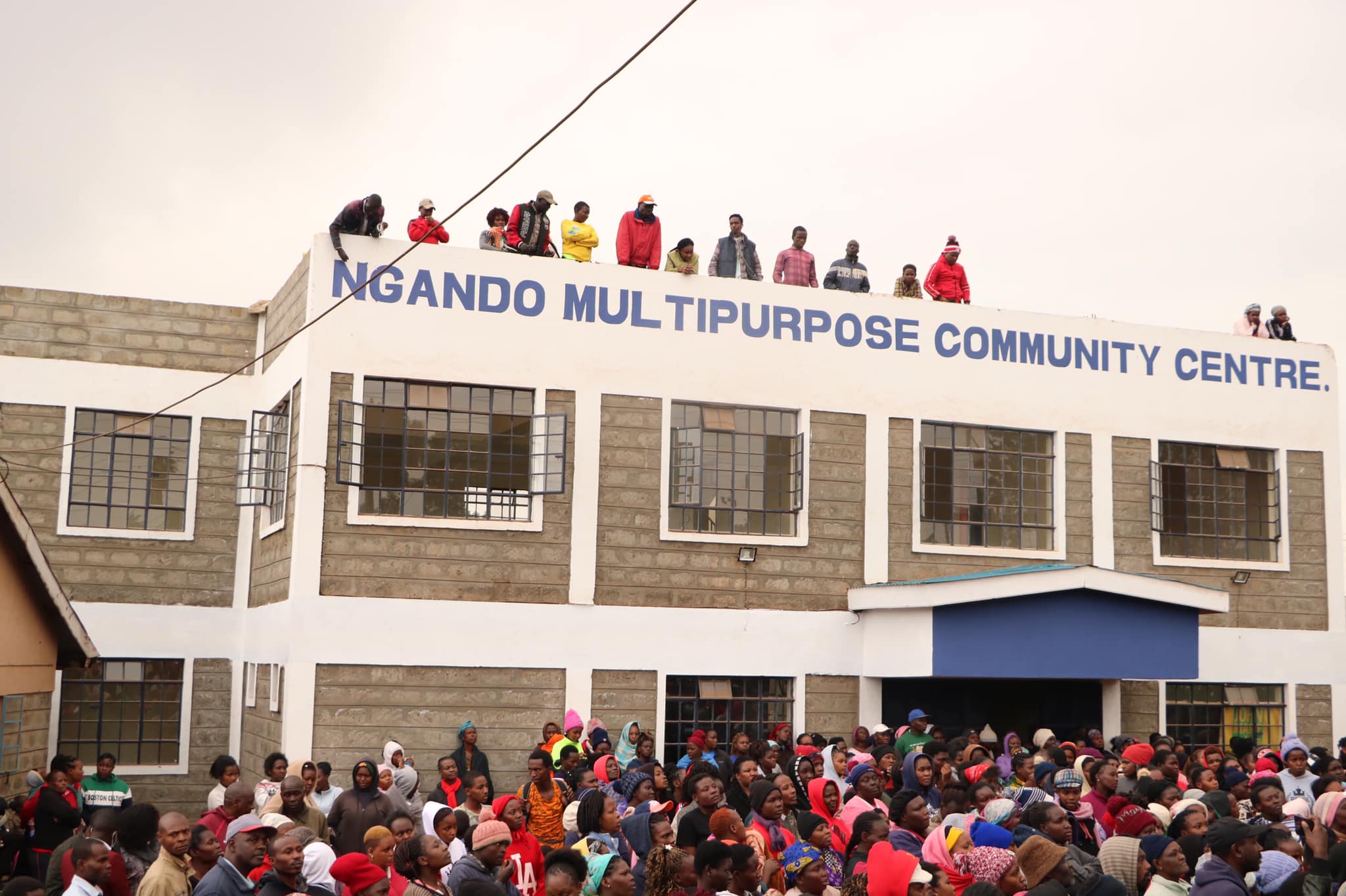
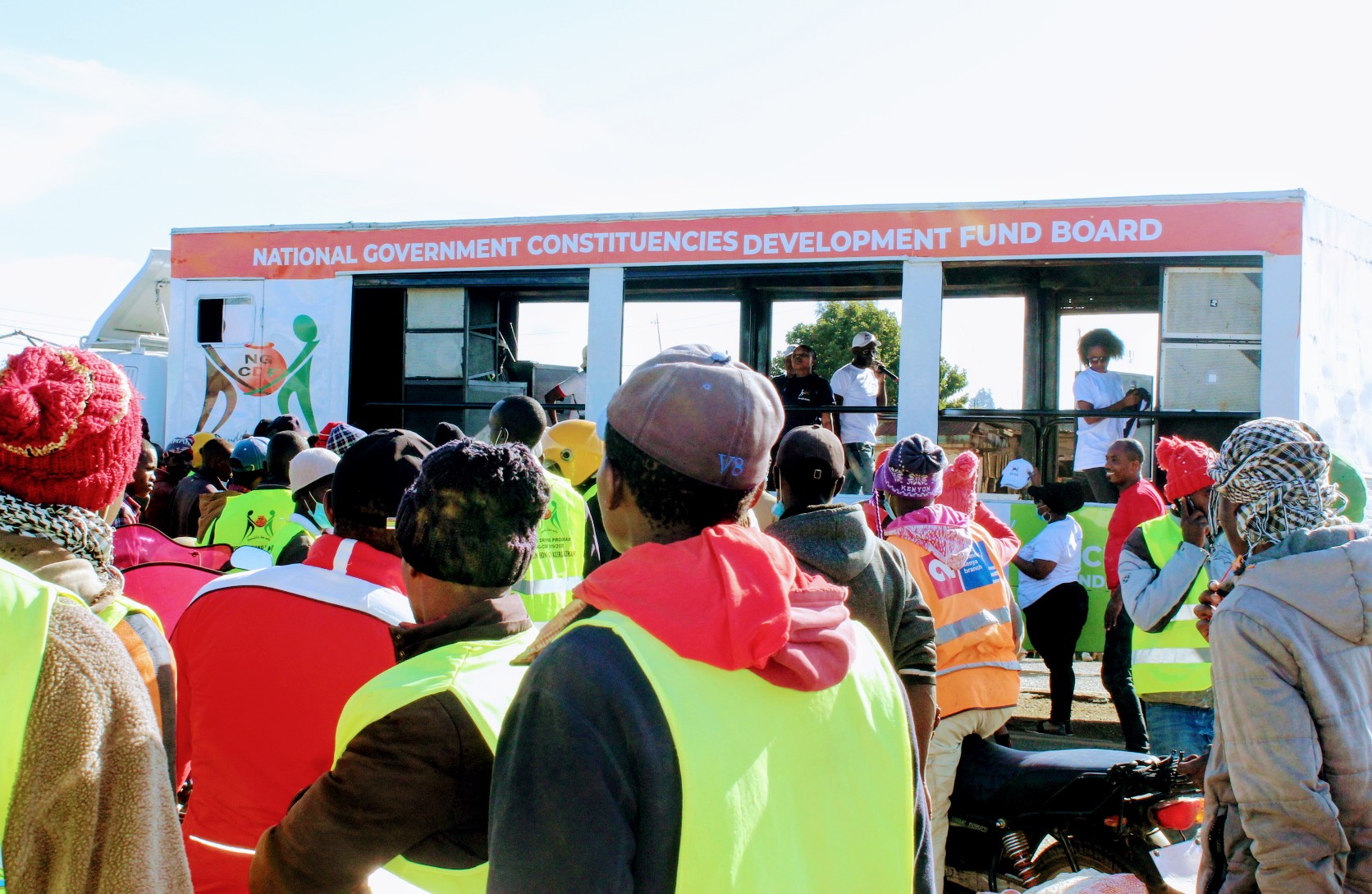
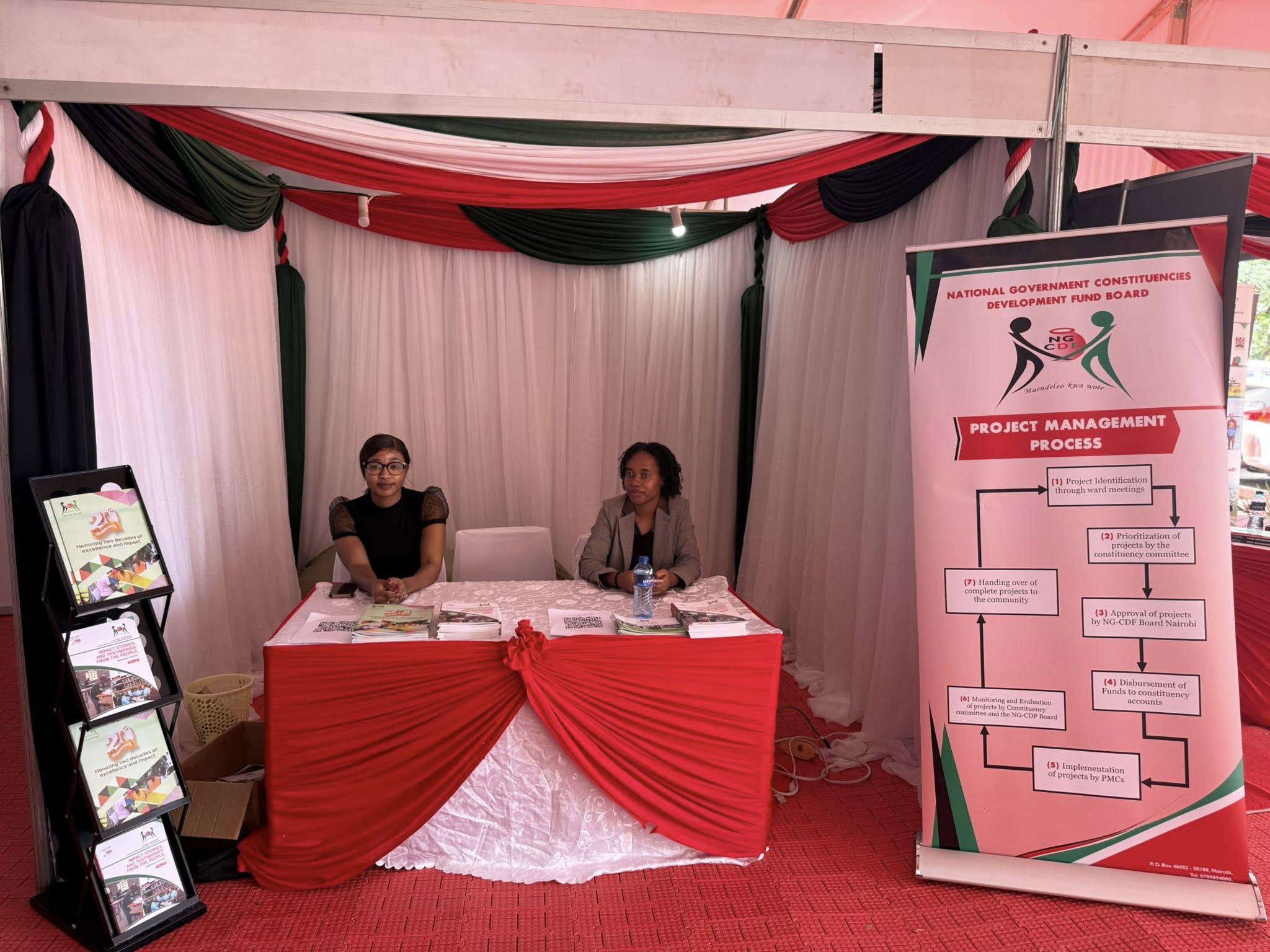
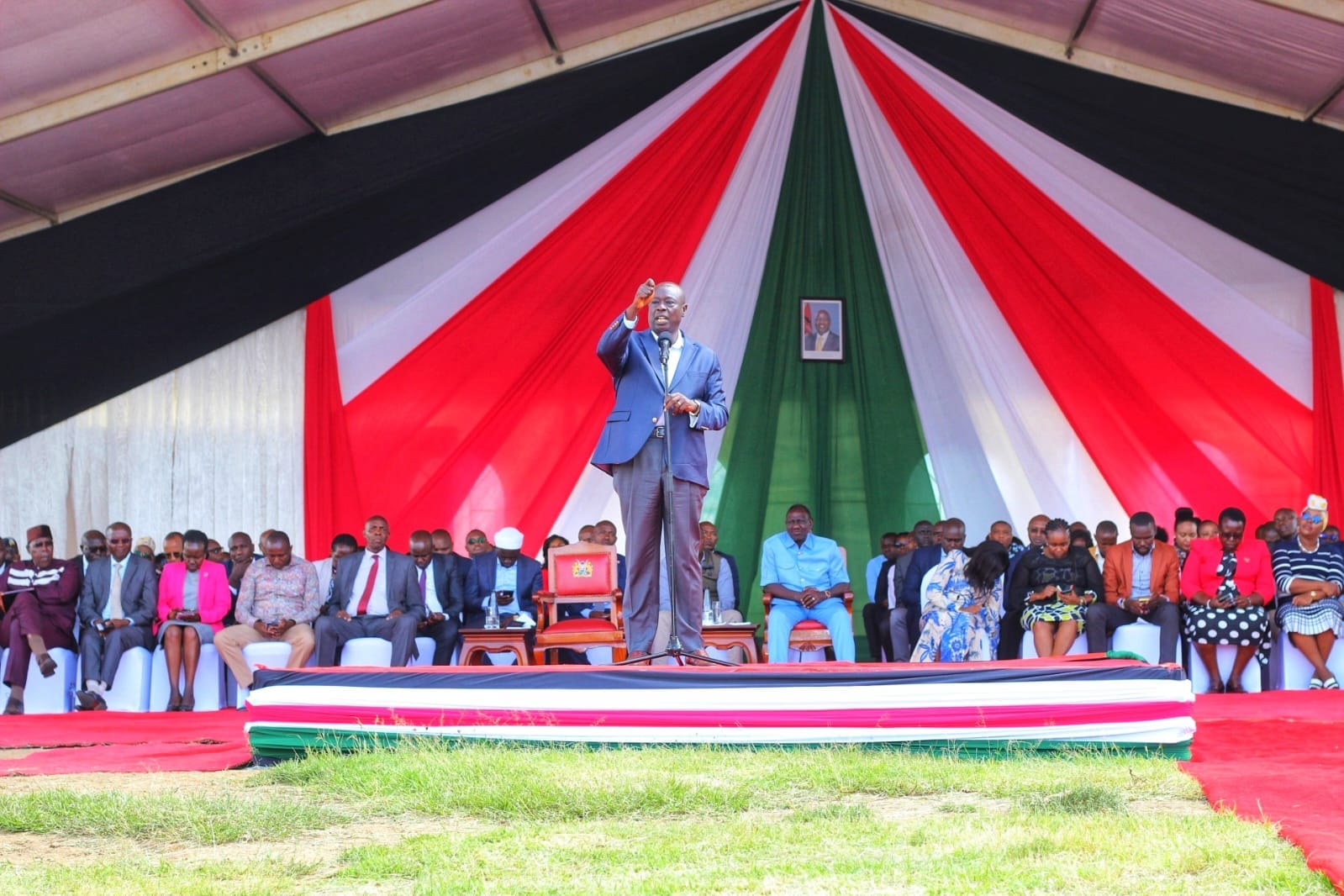
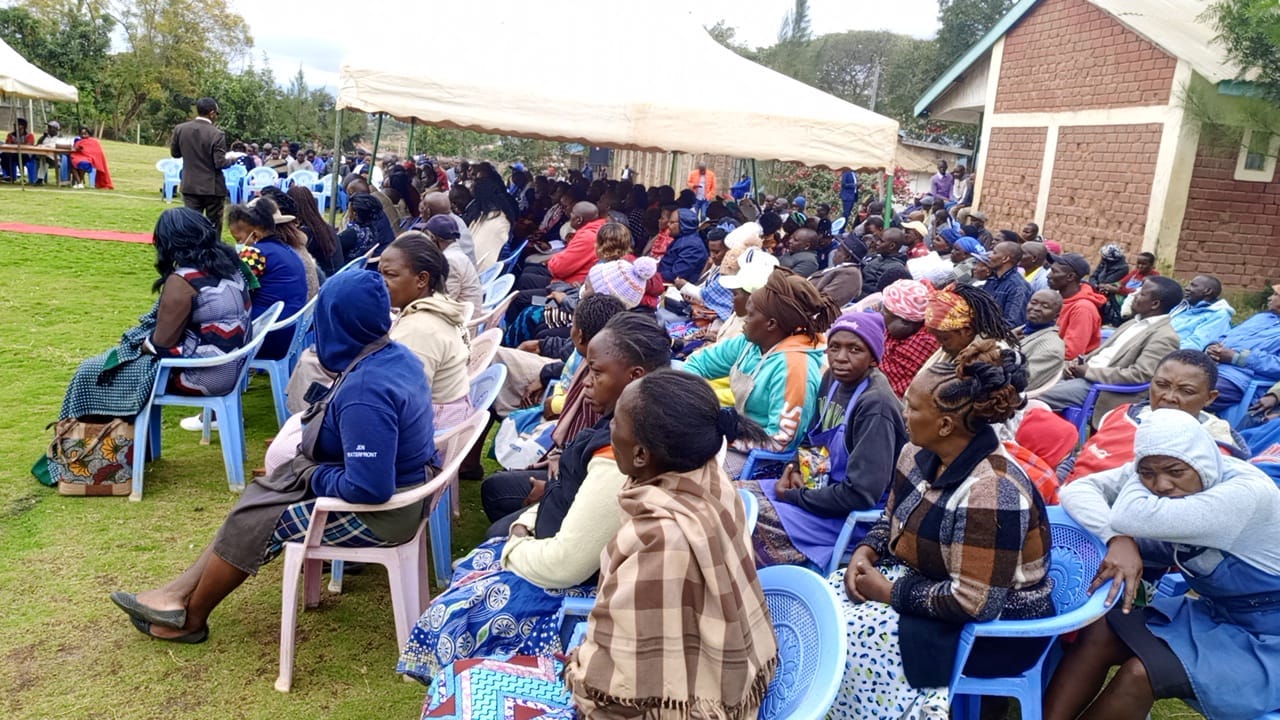
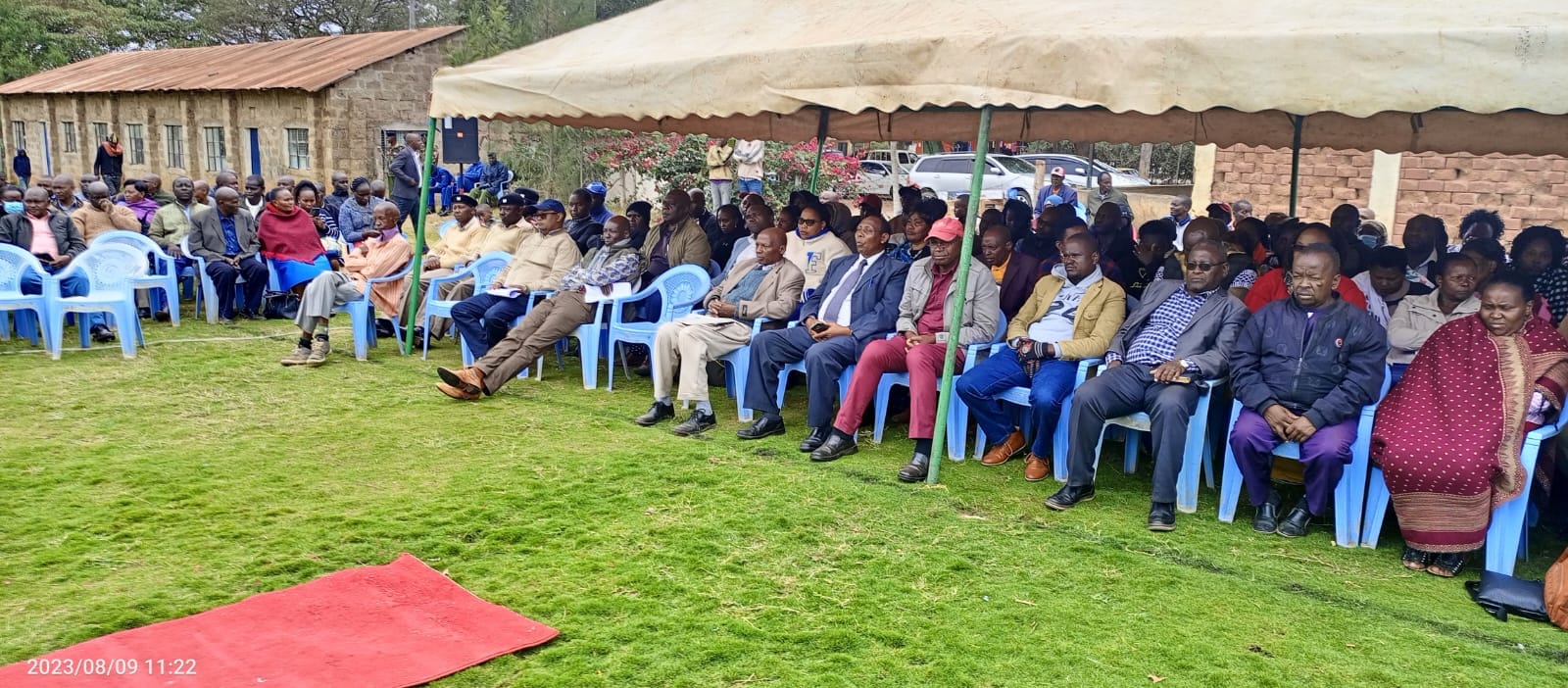
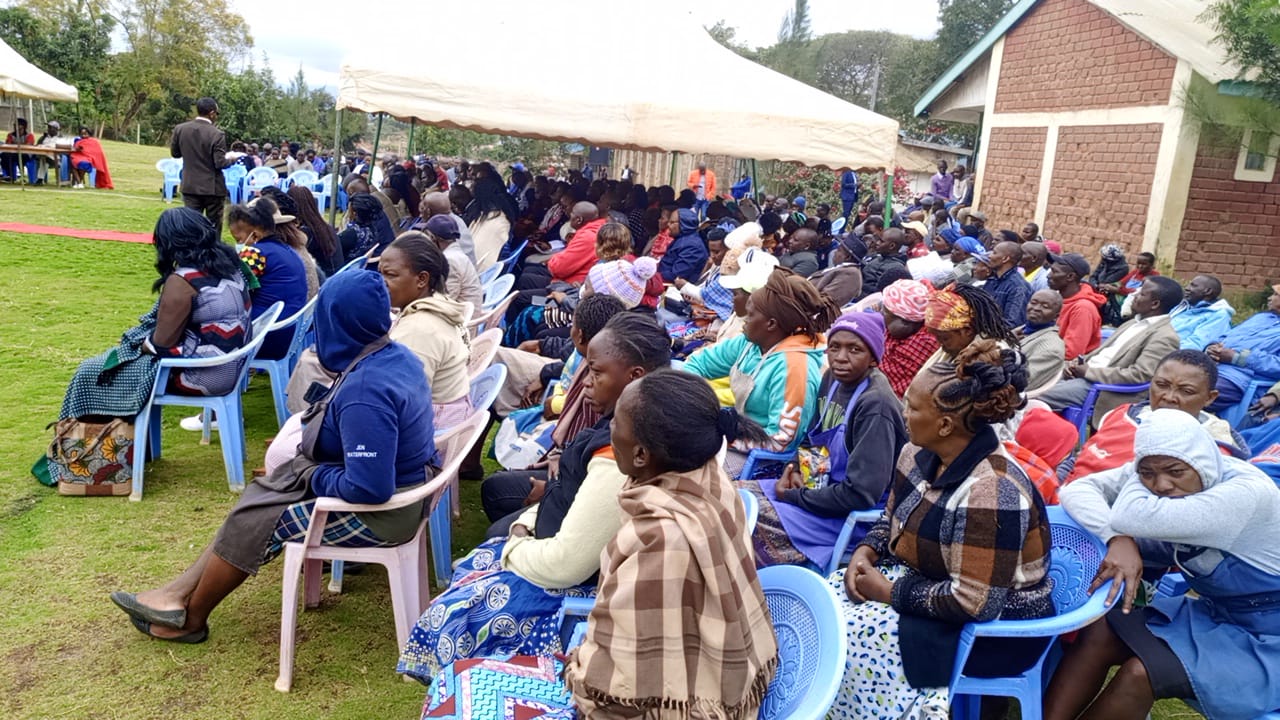
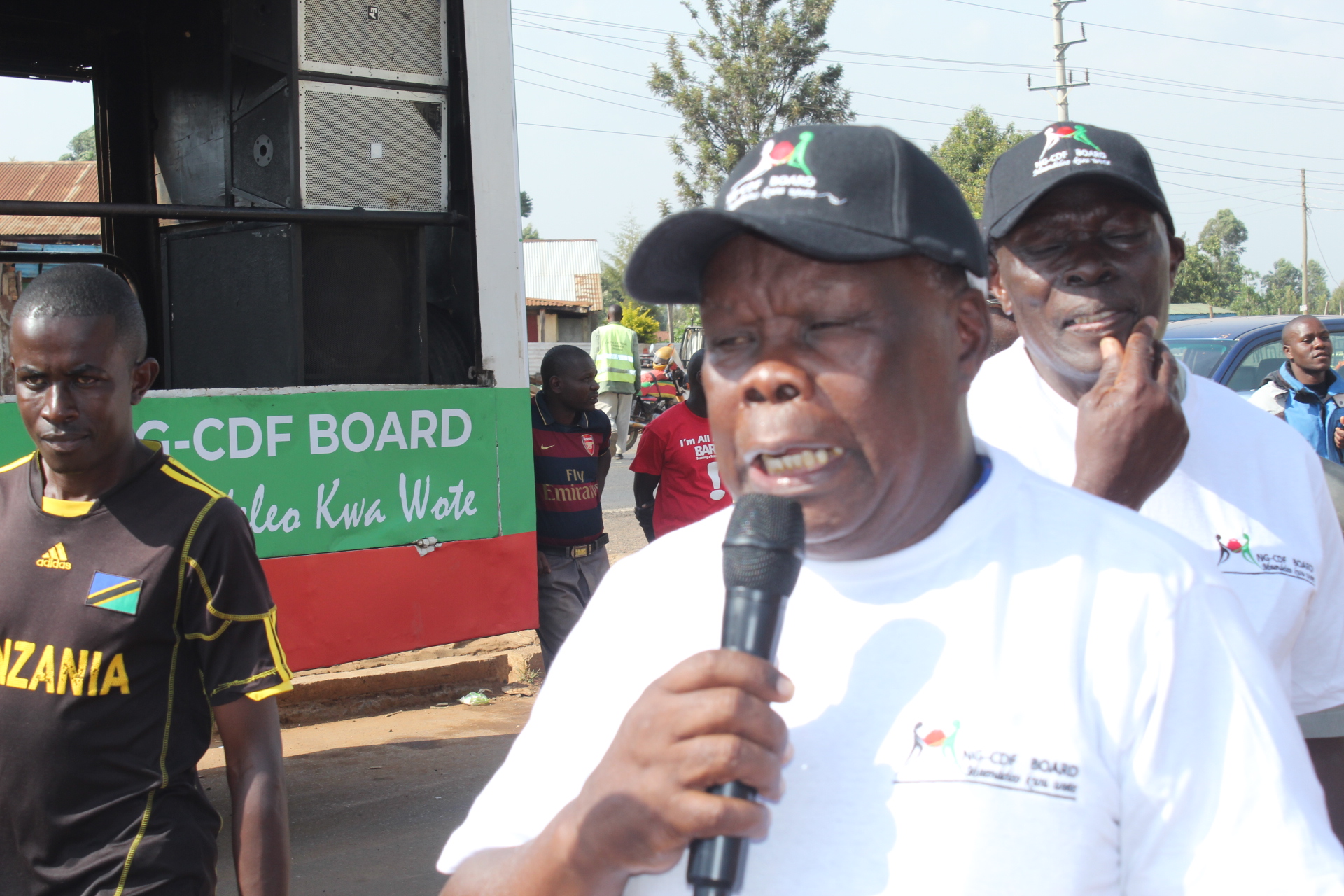
- Participate in open public meetings convened by the Chairperson of the NG-CDFC to deliberate on development matters in the ward and the constituency, to facilitate in prioritization of projects to be submitted to the NG-CDFC.
- Participate in project implementation through provision of locally available resources (land, materials, labour or skills) either voluntarily or for pay.
- Participate in nomination and formation of PMCs and NG-CDFC.
- Provide feedback to the Board, law enforcement Agencies & to the public on matters concerning the Fund.
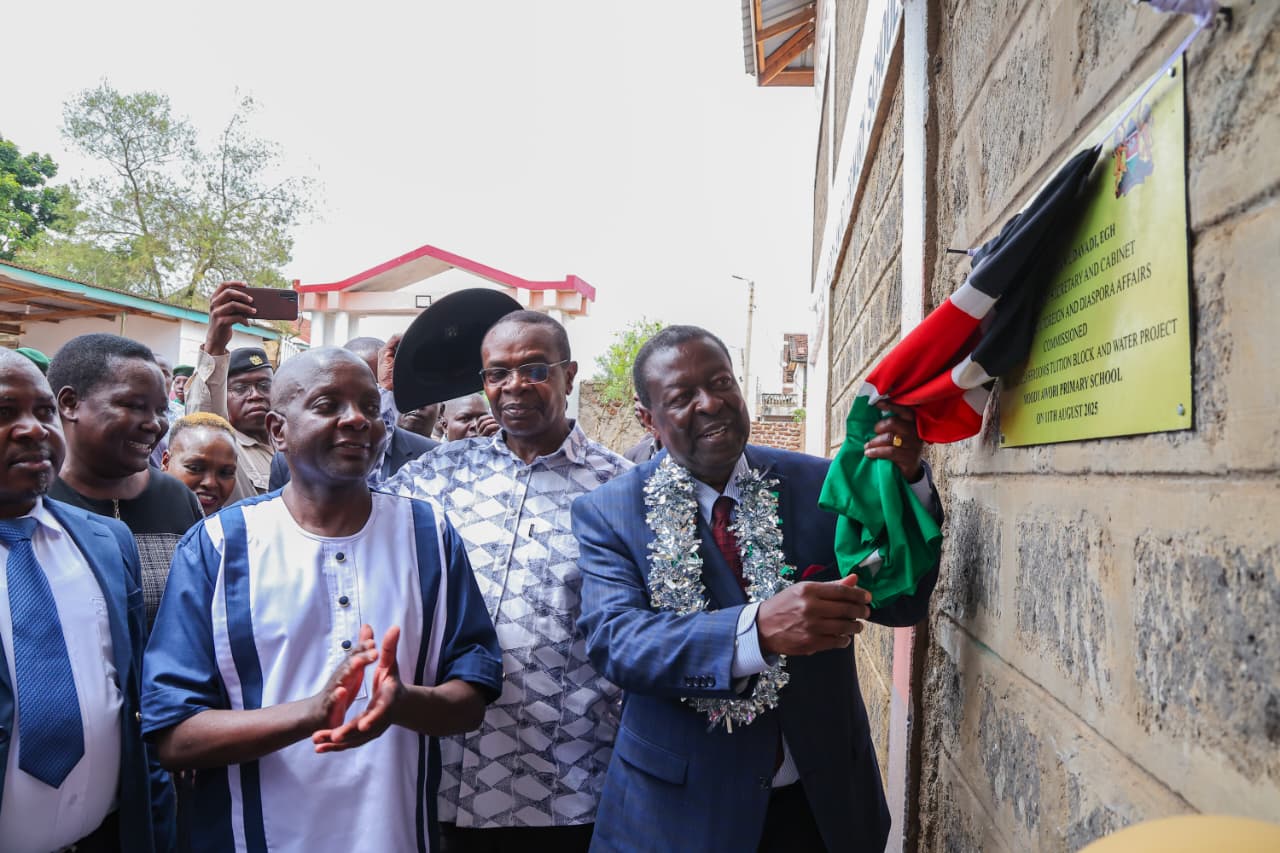
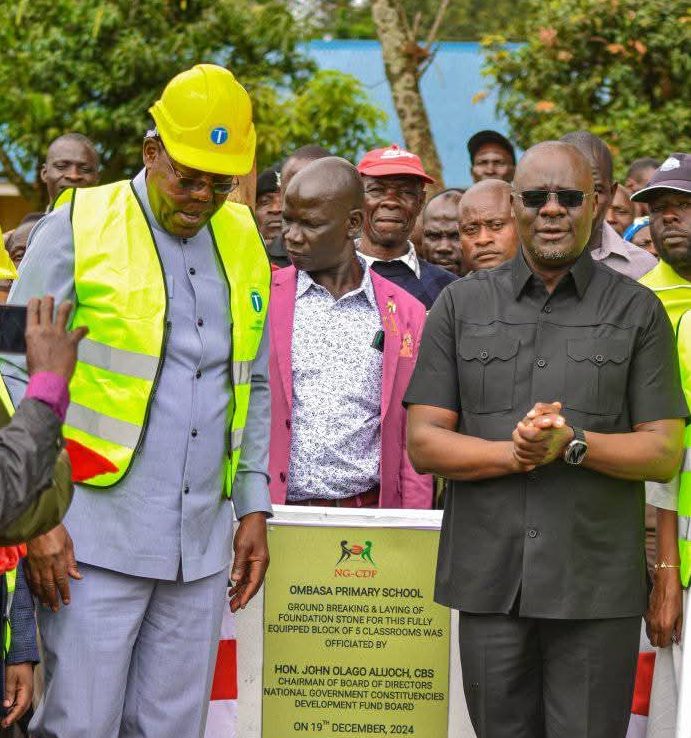
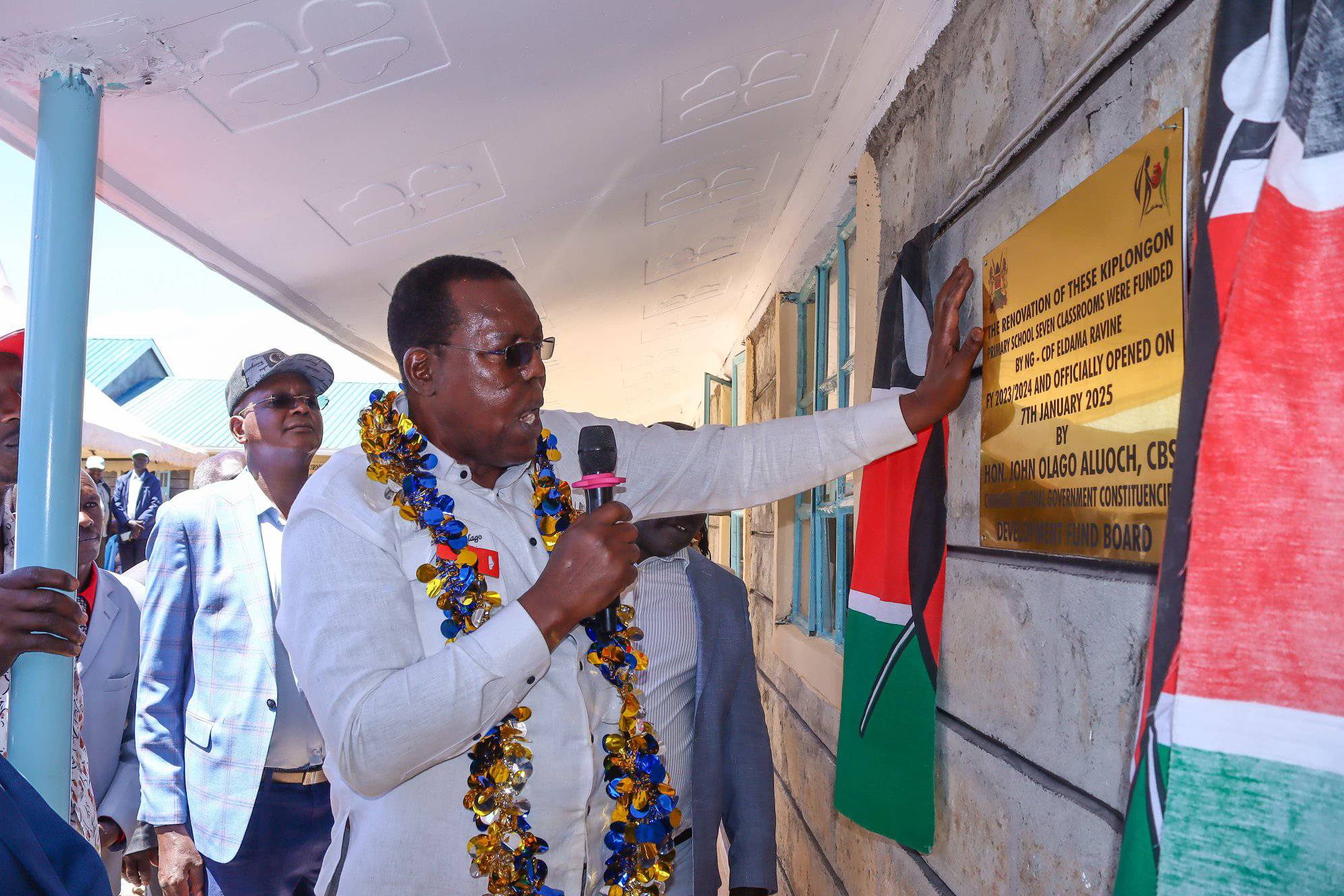
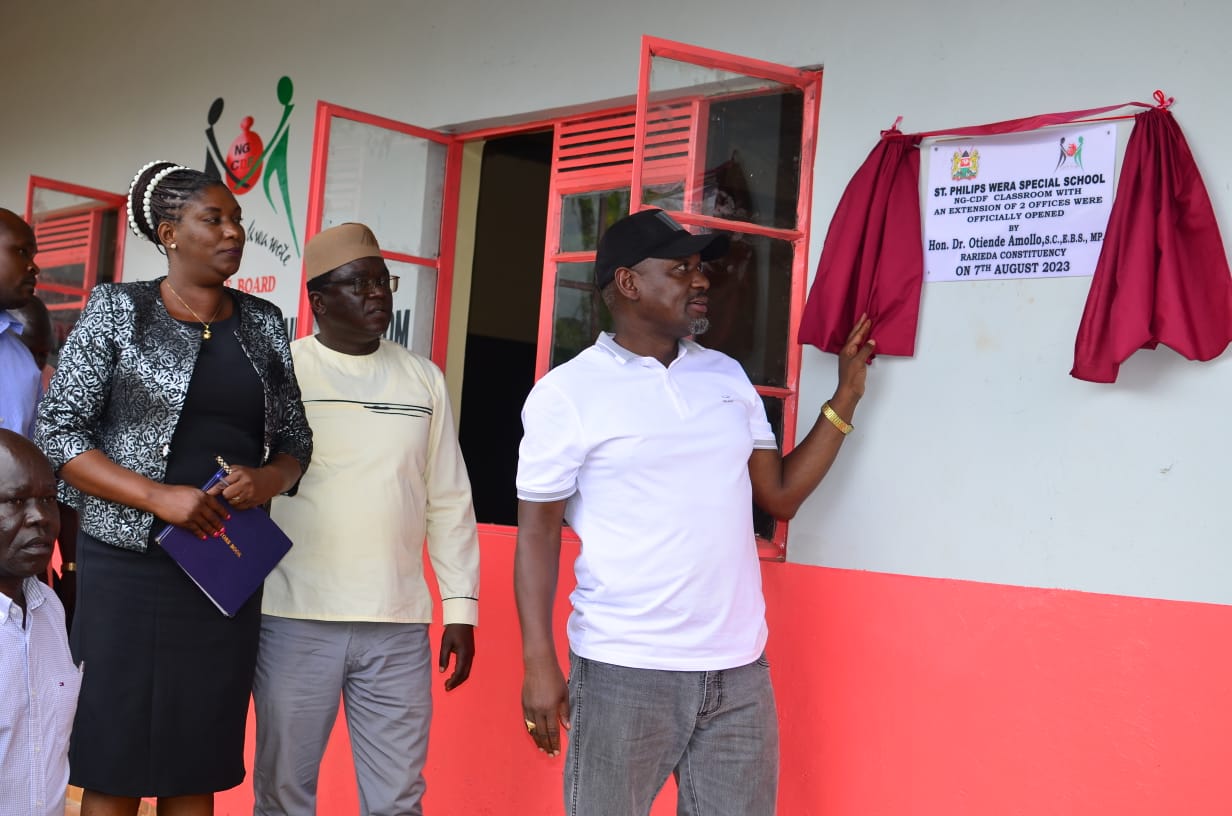
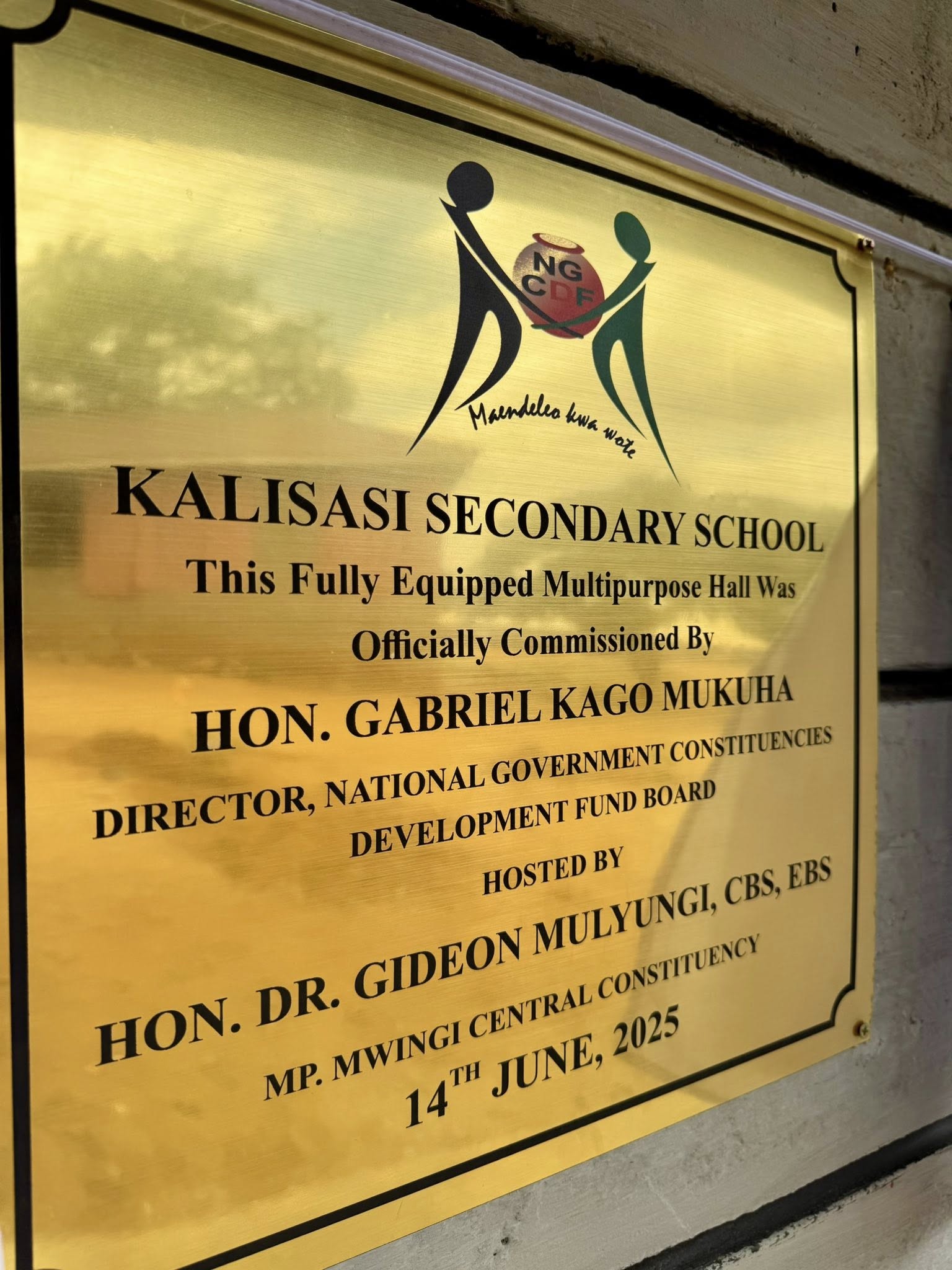
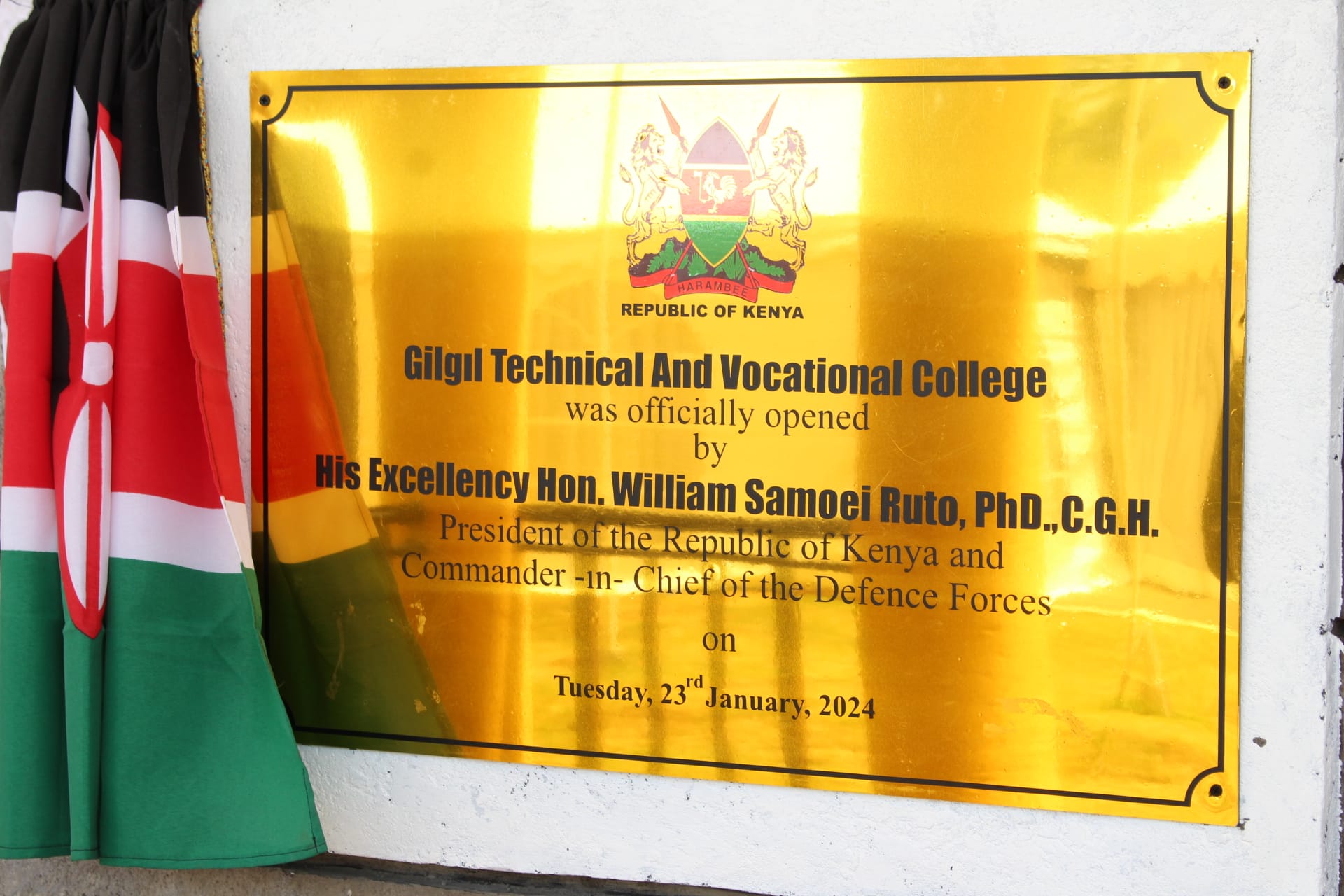
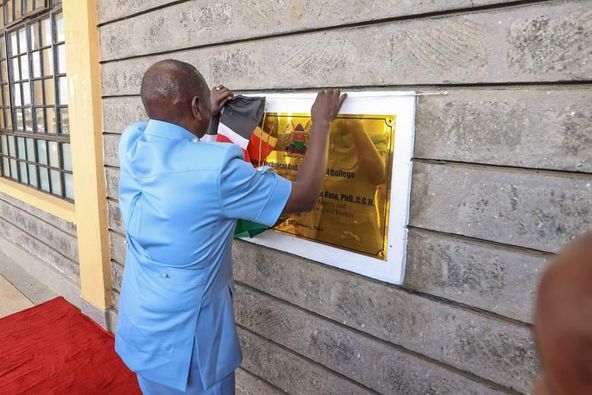
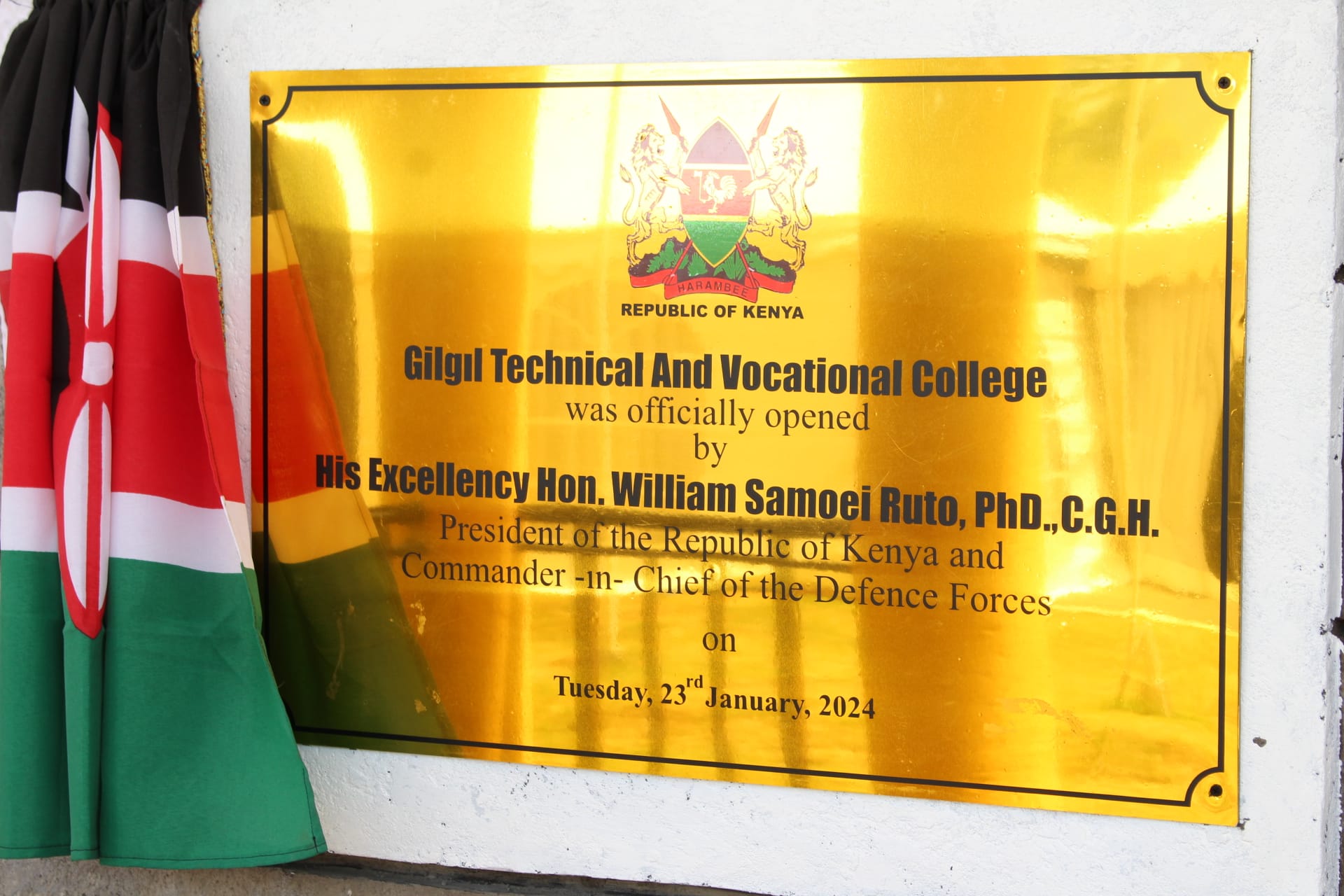
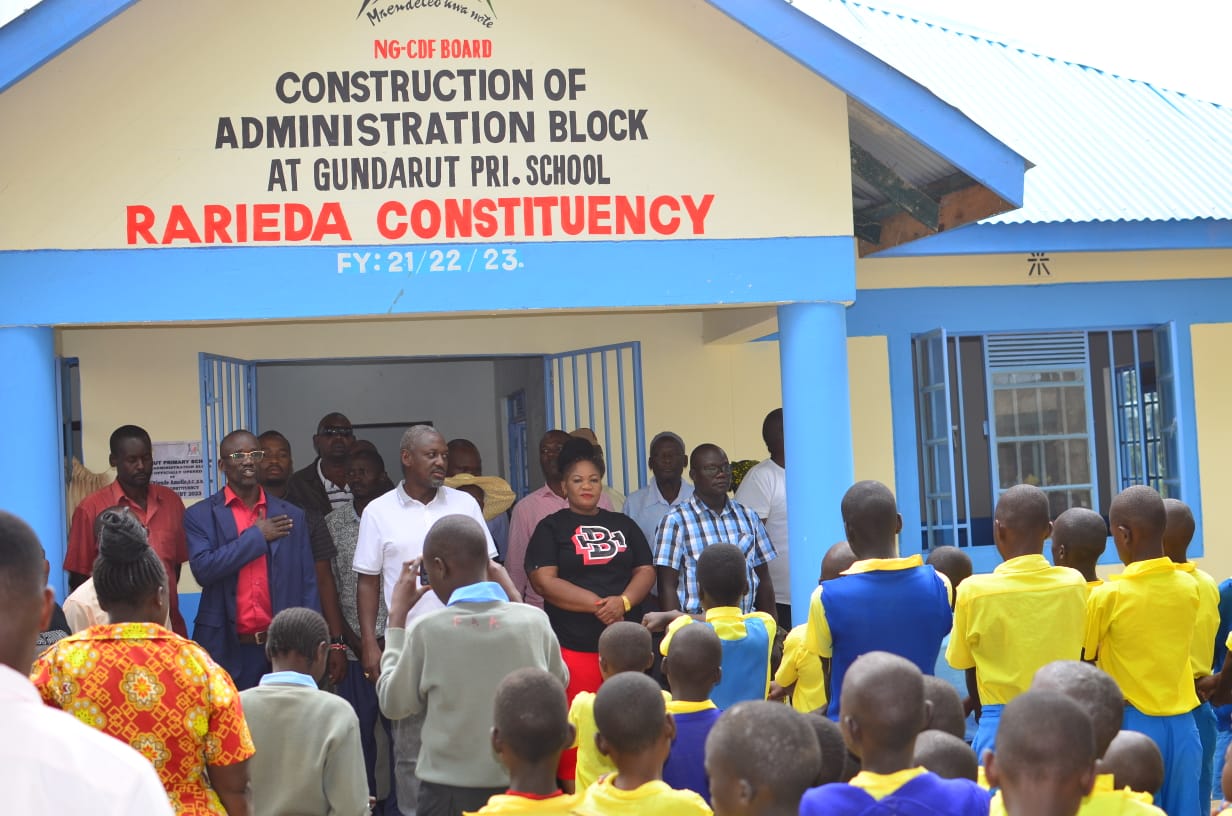
- Witness the commissioning of projects and issuance of cheques and other disbursements by the constituency committee.To Takeover and sustain completed projects.
Education Sector
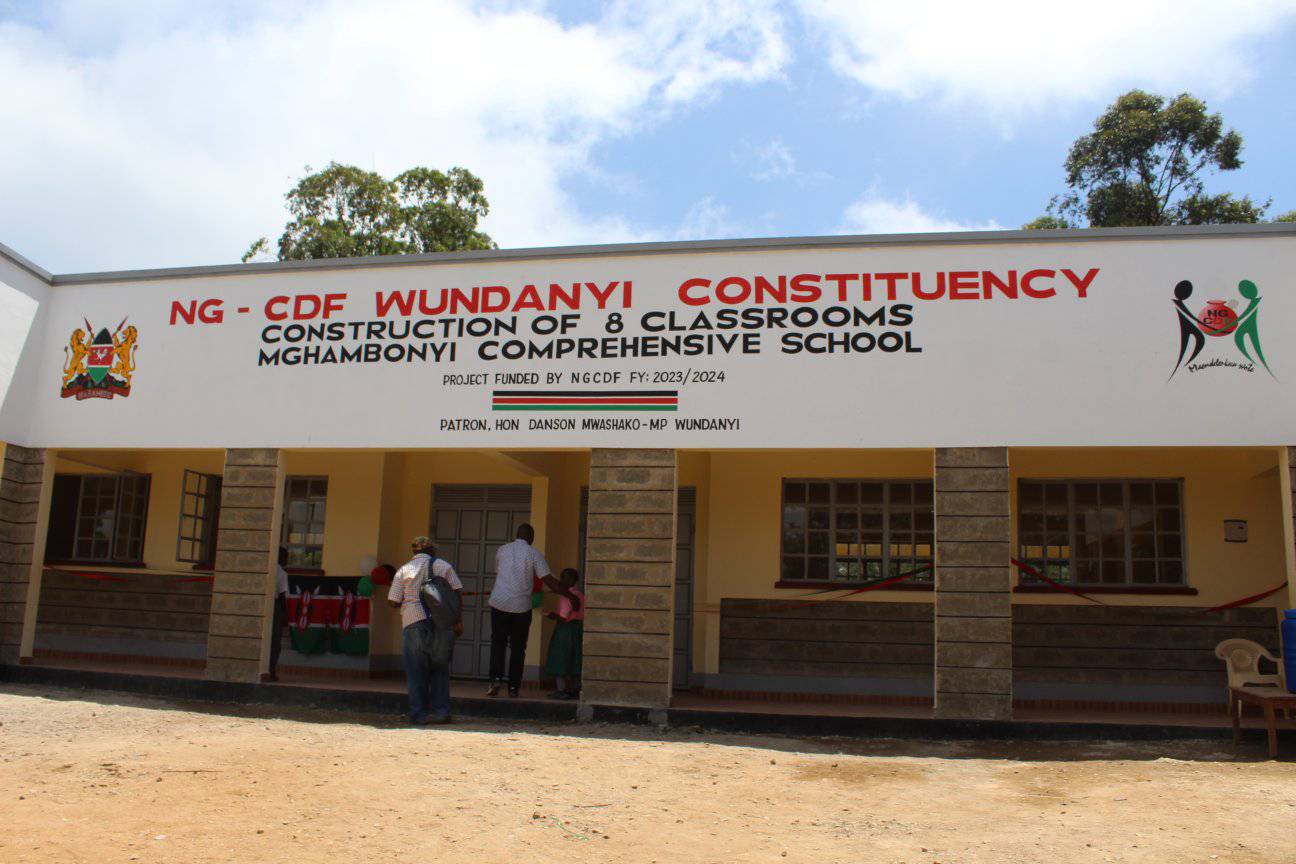
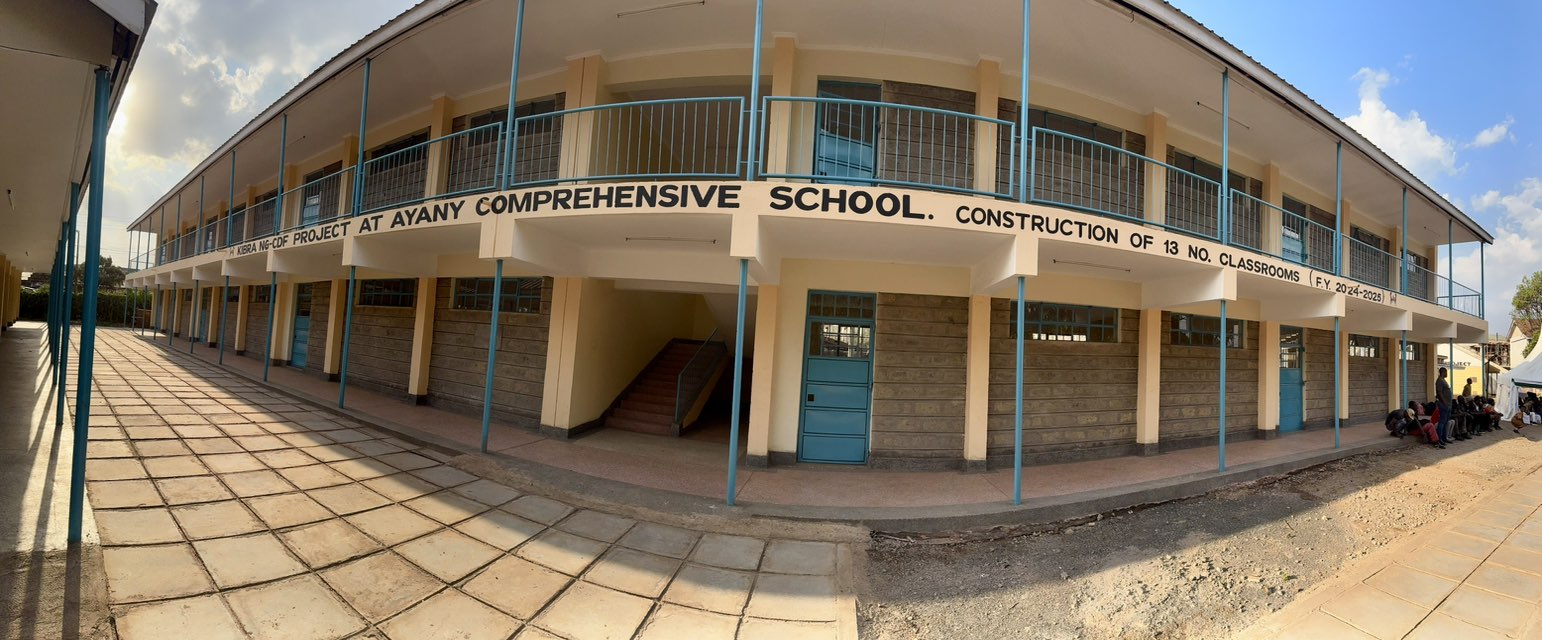
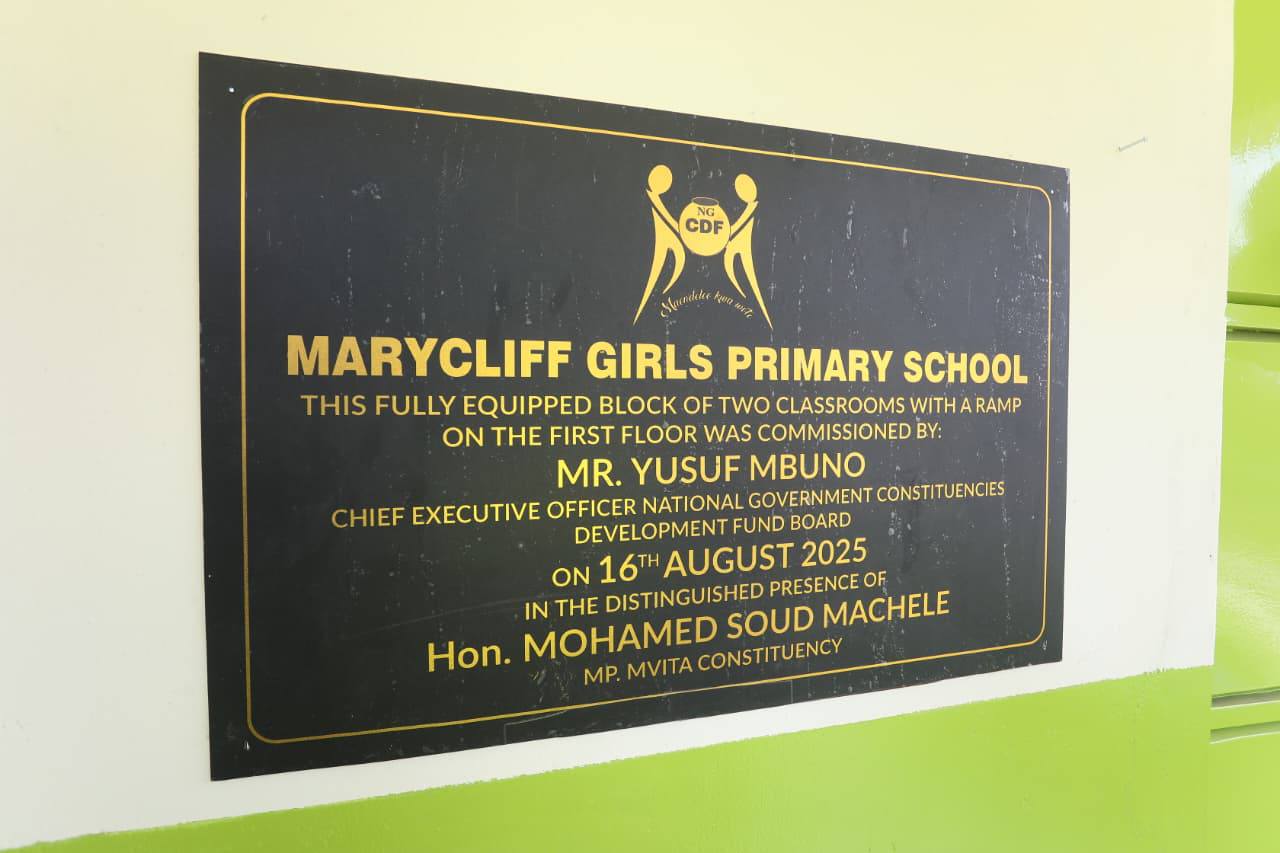
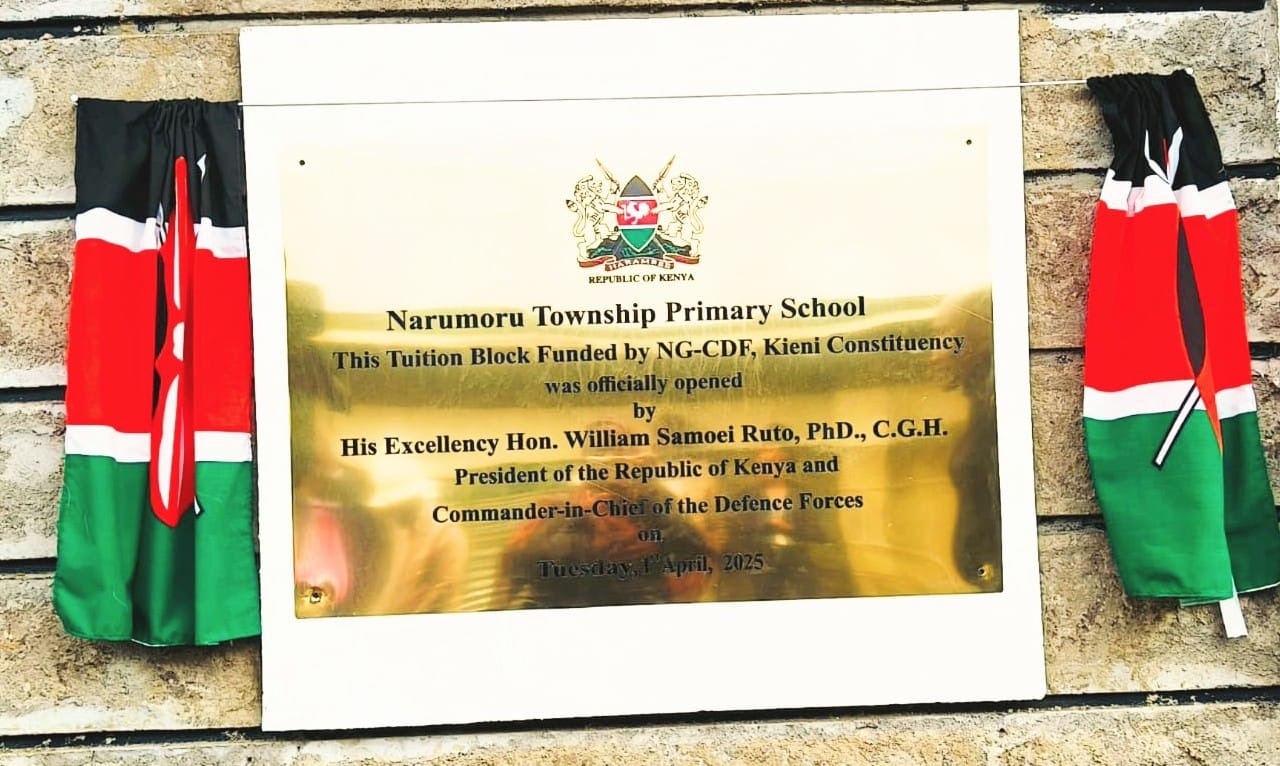
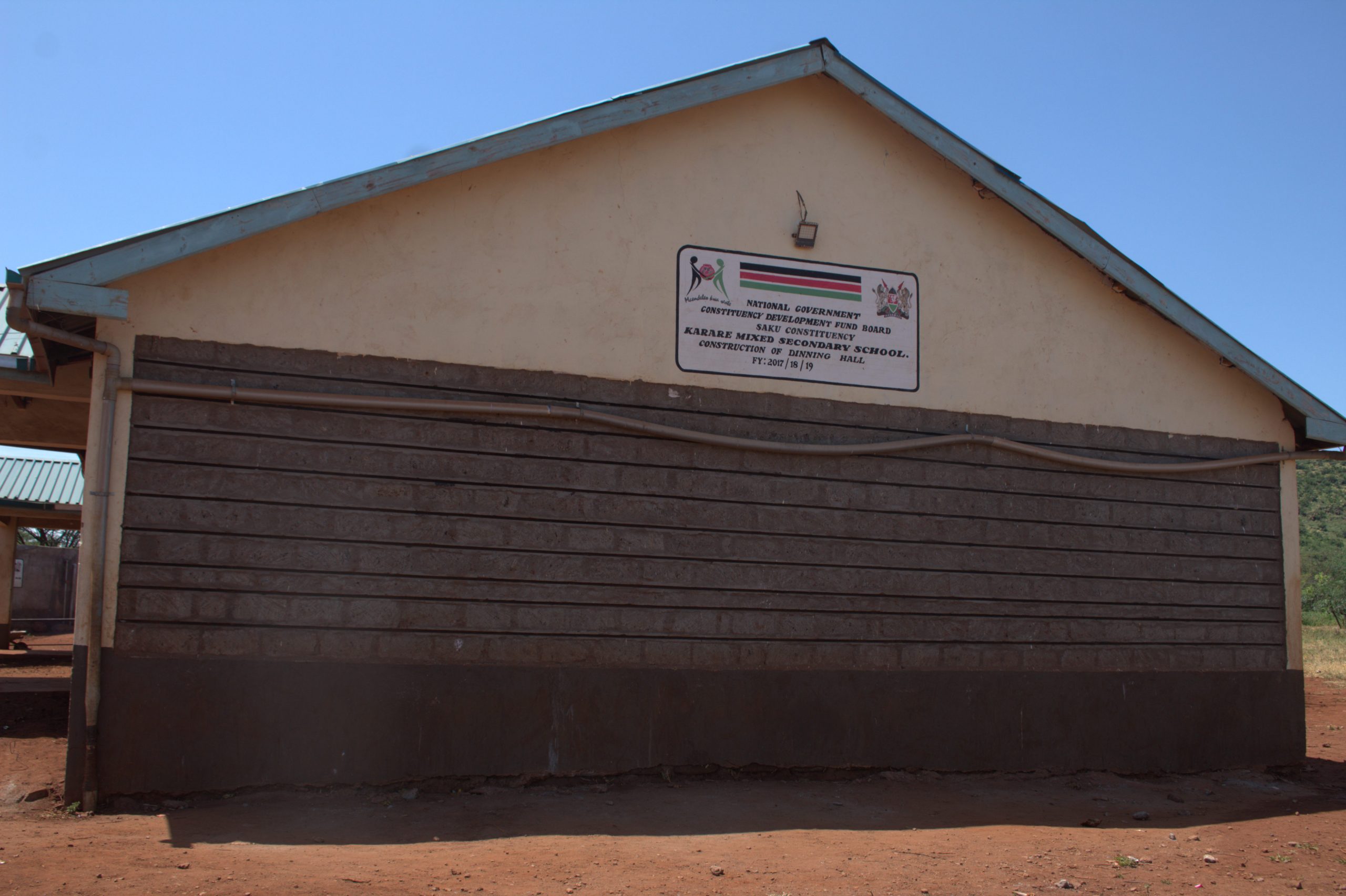
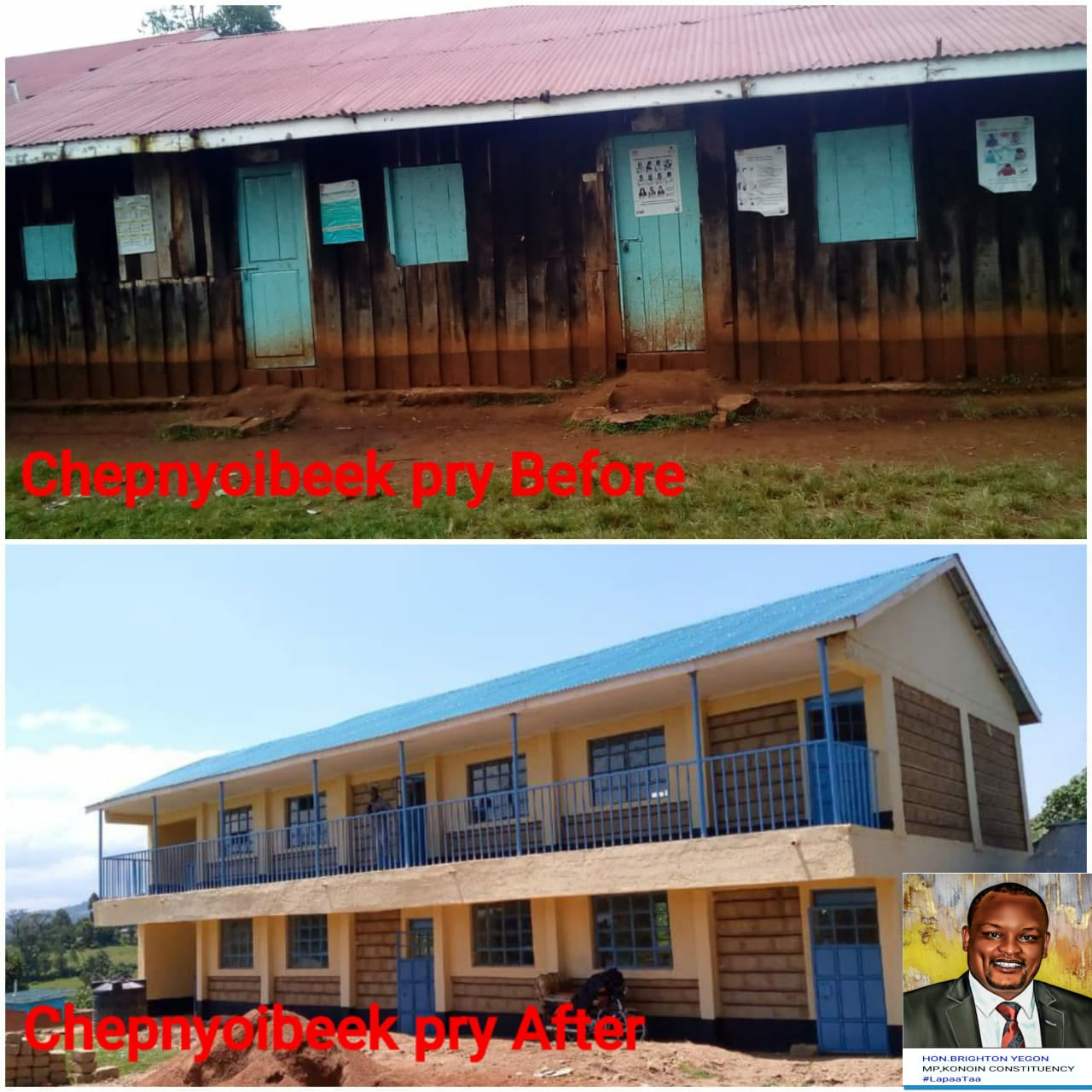
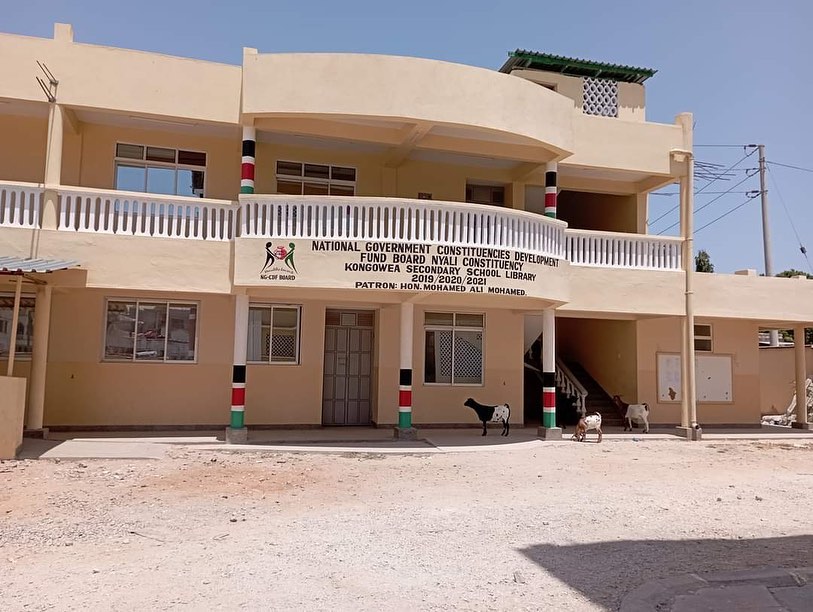
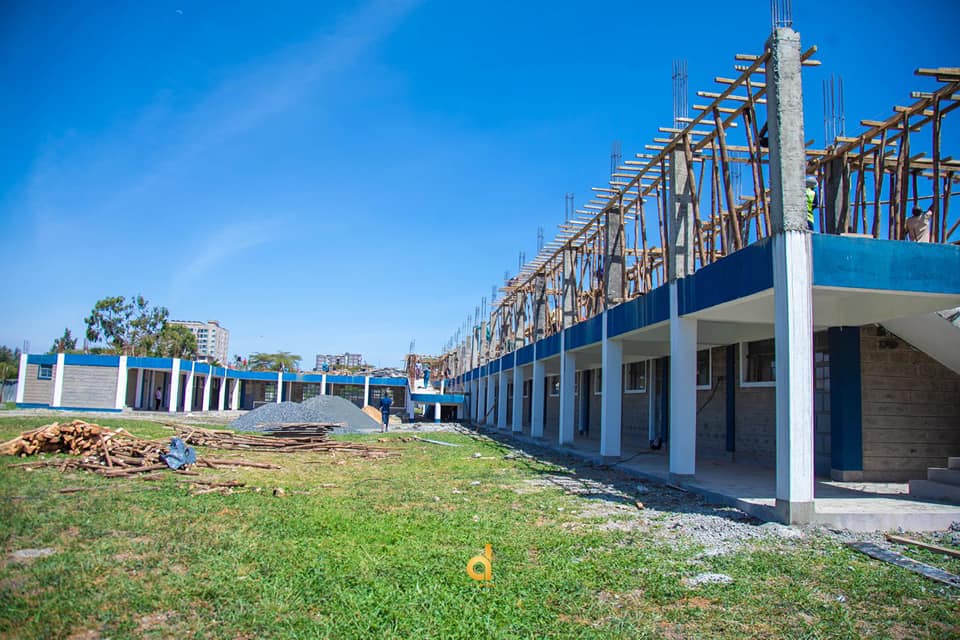
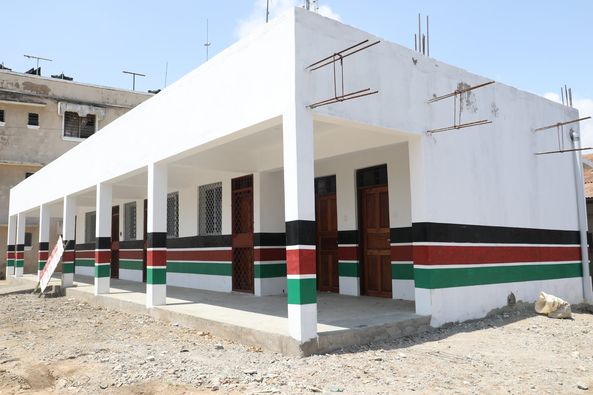
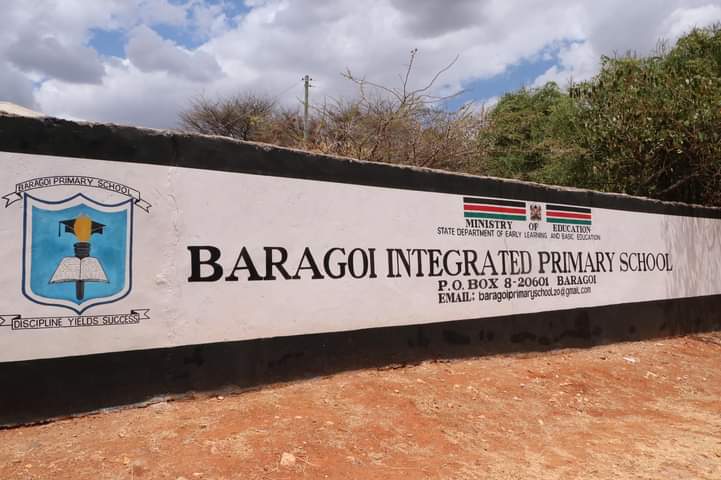
- NG-CDF funding of schools has assisted in increased student enrollment and transition rate from primary to secondary.
- Reduced the distance travelled by school children to access education by building schools closer to home.
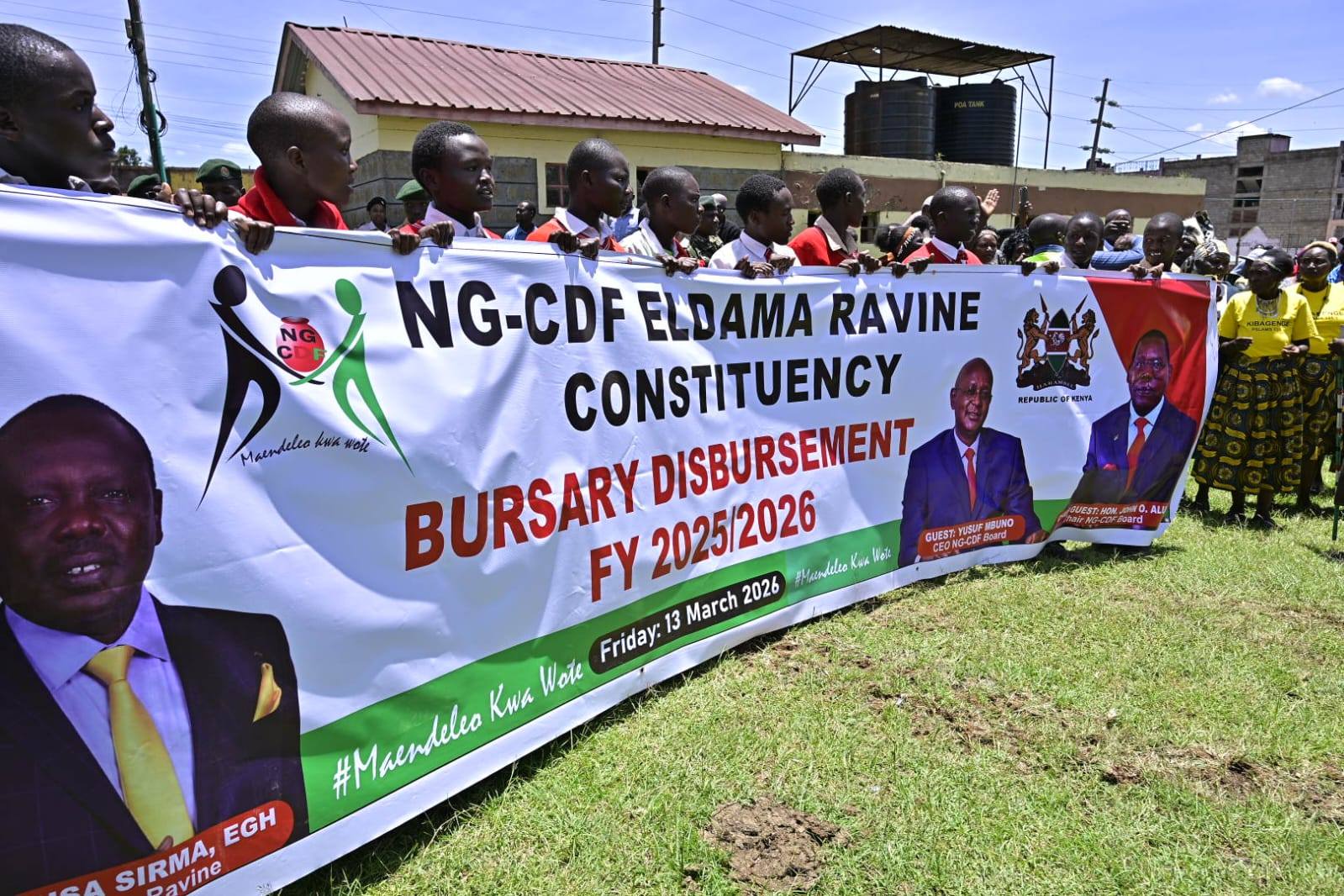
- NG-CDF Bursary has helped retain students from low-income families in schools.
Security Sector
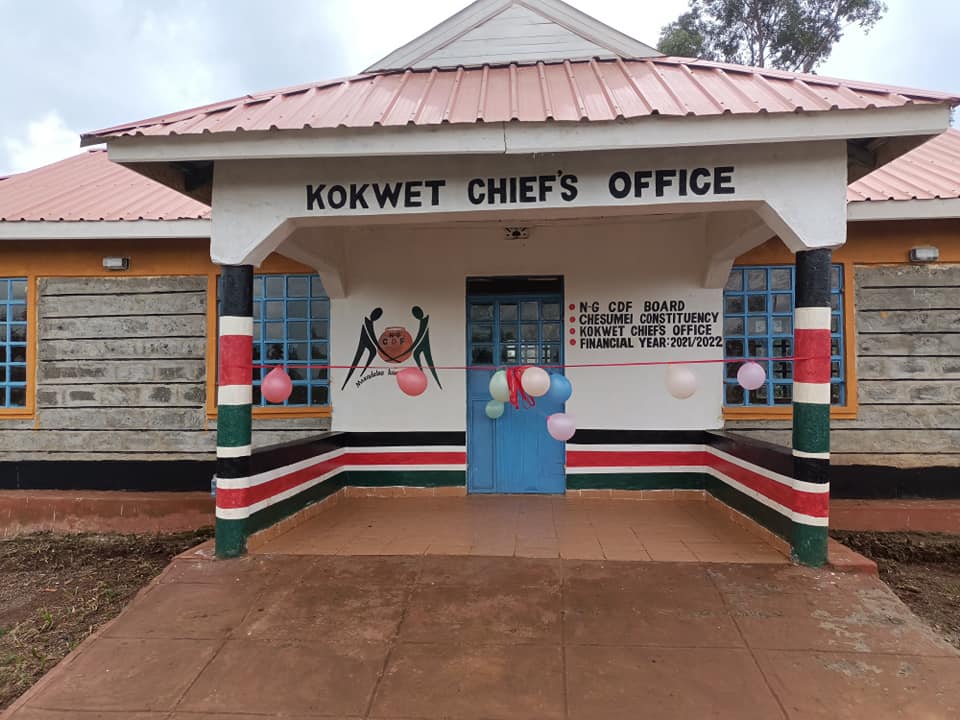
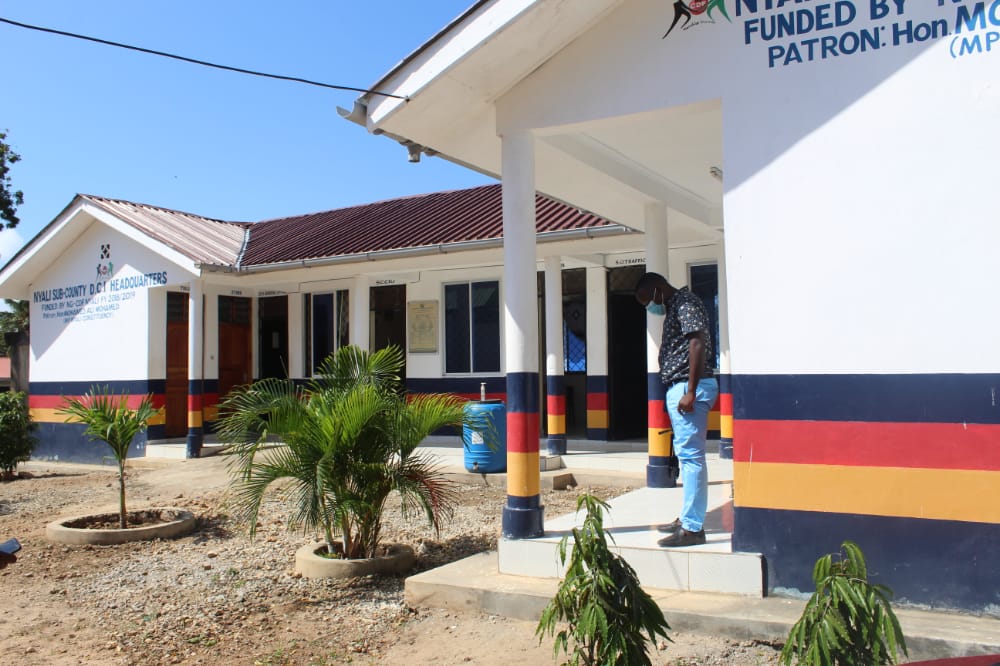
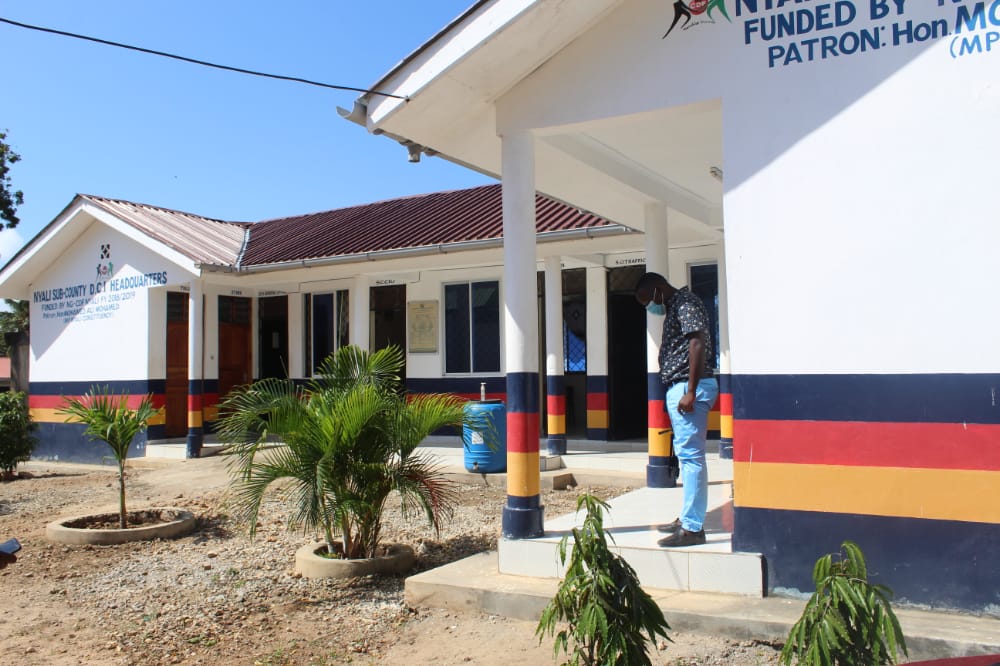
Establishment of police posts, installation of high mast security lights, security officers’ staff houses, and local administration offices has enhanced the security network throughout the country, therefore:
- Reducing crime rates.
- Improving the living standards of security officers.
- Bringing services closer to the people.
- Enhancing businesses.
Citizens
Exercising their democratic rights to self-governance through participation in the process of debating and identifying priority projects to be funded through NG-CDF.
Employment
The Fund has accelerated the government’s effort of creating employment away from urban centers by engaging local labour while supporting local entrepreneurs through purchase of services and materials from village suppliers.
Funding of Sports Activities
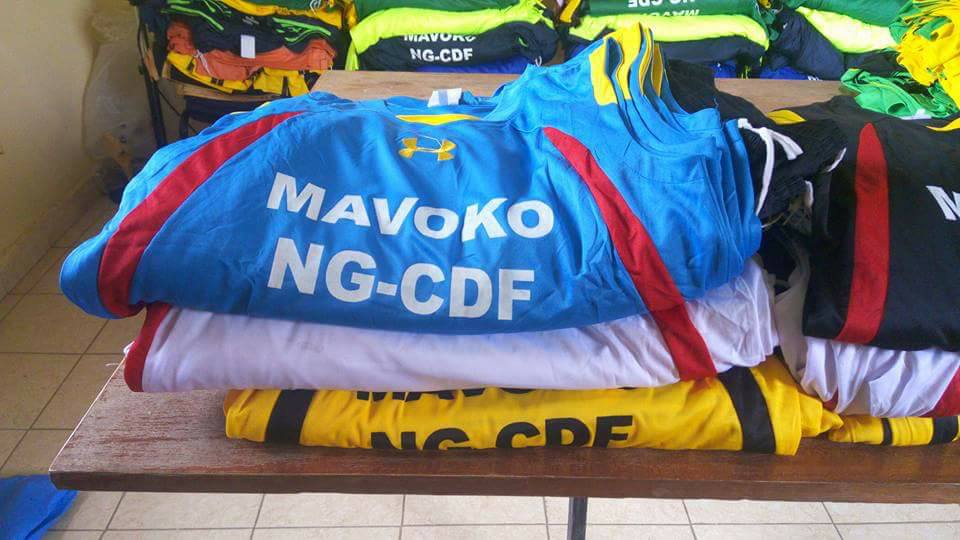
The Fund has encouraged talent development by organizing sports tournaments in different fields, leading to reduction of crime rates and fostering a productive youth population.
NG-CDF Management Structure
View the full NG-CDF Management Structure by clicking the link below:
NG-CDF Management Team
 Yusuf Mbuno – Chief Executive Officer
Yusuf Mbuno holds Master of Arts degree in Economics, Bachelor of Arts in Economics and Certificate in Project Planning and Management. He also holds a certificate in Monitoring and Evaluation of Public Sector Projects and Programmes from Norwich, U.K. He holds a certificate in Policy analysis, formulation and management and also a certificate in poverty alleviation from Malaysia. He is a trained Integrity assurance officer.
Responsibilities: Providing direction for the day to day management of the affairs and staff of the Board. He has undertaken Strategic Leadership Development Programme in Kenya Institute of Administration.
 Simon Ndweka – Secretary to the Board
Simon Ndweka has over 15 years experience in Legal, Board Management and Corporate Governance. He holds Masters in Business Administration degree (Strategic Management) and Bachelor of Laws. He is a Certified Secretary and a Certified Public Accountant and a member of the Institutes of Certified Secretaries (ICS), Certified Public Accountants, Kenya (ICPAK) and Law Society of Kenya (LSK), in good standing.
Responsibilities: Providing professional advice to the National Government Constituencies Development Fund Committees (NGCDFCs) on Legal, Governance and Providing technical guidance and support to Constituencies on legal and governance matters.
 James Chebii – Manager, Financial Services
James Chebii holds Masters in Business Administration degree and Bachelor of Science in Education. He is a Certified Public Accountant and a member of the Institute of Certified Public Accountants, Kenya (ICPAK) in good standing. He has undertaken Strategic Leadership Development Programme and Senior Management Courses in Kenya School of Government.
Responsibilities: Provide professional advice to the Board on technical financial and accounting matters. Lead in the consolidation of the organization’s budget and monitor its implementation and Preparation of financial statements for the headquarters.
 Anne Thumbi – Manager, Human Resource
Anne Thumbi holds Masters of Science in Human Resource Management, Bachelor of Science in Communication and Public Relations, Higher Diploma in Human Resource and Diploma in Personnel Management. She is a member of the Institute of Human Resource Management (IHRM) in good standing. She has undertaken Strategic Leadership Development Programme and Senior Management Courses in Kenya School of Government.
Responsibilities: Providing professional advice to the National Government Constituencies Development Fund Board and staff on Human Resource matters and providing technical guidance and support to Constituencies in management of human capital.
 Elizabeth Kitundu – Chief Manager, Programme and Field Services Coordination
Elizabeth Kitundu holds a Master in Education degree in (Economics of Education) and Diploma in Project Management. She has also undertaken Advanced Strategic Leadership Programme Course from Kenya Institute of Management and Strategic Leadership Development Programme Course in Kenya School of Government.
Responsibilities: Coordination Project planning, implementation and continuous monitoring of implementation of projects by the National Government Constituencies Development Fund and Project Management Committees.
 CPA Robert Maina – Manager, Risk & Compliance Division
Robert Maina holds Masters of Science degree in Risk Management and Bachelors of commerce finance option. He is a member of Institute of Certified Public Accountant of Kenya (CPA(K)). He has undertaken Strategic Leadership Development Programme from Kenya Institute of Management and Senior Management Course in Kenya School of Government.
Responsibilities: Co-ordinate and monitor the implementation of risk management framework at the Board secretariat and the constituencies.
 Raphael Nduati – Chief Manager, Corporate Planning and Strategy
Raphael Nduati holds Masters and Bachelor’s degrees in Economics. He has undertaken Strategic Leadership Development Programme and Senior Management Courses in Kenya School of Government.
Responsibilities: Coordinating the policy preparation and review in strategic planning, performance management, research and statistics.
 Alice Wachira – Chief Internal Auditor
Alice Wachira Mbatia holds an executive MBA degree on Strategic Management. She is a Certified Public Accountant (CPA K) and Certified Public Secretary (CPS K). Alice is a member of Institute of Certified Public Accountants (ICPAK, Kenya), Institute of Certified Public Secretaries (ICPS) and Kenya Institute of Internal Auditors (IIA) Kenya Chapter.
Responsibilities: Providing assurance on effectiveness of Risk Management, Internal controls, and governance processes within the organization to the National Government Constituencies Development Fund Board (NGCDFB).
 Jacob Kipkangor – AG. Manager, ICT
Jacob Kipkangor holds a Bachelor of Science in Telecommunication and Information Technology from Kenyatta University (Second Class Honors, Upper Division). He is a certified ICT professional with credentials in CISSP (Certified Information Systems Security Professional), ITIL 4 Foundation in IT Service Management, and Sophos Certification. He has also undertaken Internal Quality Auditor training based on ISO 9001:2015 and actively participates in cybersecurity forums, including the ISMS Conference. He has over 20 years of experience in systems administration, network infrastructure, and information security. Prior to his current role, he served as a Systems Administrator at Impax Business Solutions Ltd for over six years, where he specialized in corporate network deployment and management of enterprise solutions such as Microsoft Dynamics (GP, CRM, AX) and SharePoint. He has successfully implemented Fixed Assets Management Systems for telecommunications companies including MTN Uganda, Warid Telecom, and Uganda Telecom, and led installation of retail and security systems for organizations such as Safaricom, Orange Telkom, and Tuskys.
Responsibilities: Provide leadership in the design, implementation, and maintenance of ICT infrastructure, including network and server systems; oversee enterprise databases and ERP systems; develop and enforce ICT security policies; and ensure the protection of organizational systems through effective cybersecurity measures.
 Felix Musengele – AG. Manager, Supply Chain
Felix Musengele holds a Bachelor of Business Management (Purchasing & Supplies Management) from Moi University (Second Class Honors, Upper Division, 2017) and a Diploma in Management (Purchasing & Supplies Option) from the Kenya Institute of Management. He is currently pursuing a Master of Science in Procurement and Contract Management at Jomo Kenyatta University of Agriculture and Technology. He has also undertaken Internal Quality Auditor Training based on ISO 9001:2015 and ISO 27001 Information Security Management Systems (ISMS). He is a member of the Kenya Institute of Supplies Management (KISM). He is a results-driven Procurement and Supply Chain professional with over three years of experience in managing end-to-end procurement functions. He has previously served as a Supply Chain Officer, where he led the implementation of procurement plans, contract management processes, and the development of procurement manuals. Felix has strong expertise in strategic sourcing, supplier relationship management, contract administration, and inventory optimization. He has contributed to strengthening procurement systems through supplier evaluation, competitive tendering, contract negotiations, and performance monitoring, ensuring compliance with Public Procurement and Asset Disposal regulations and industry best practices.
Responsibilities: Support the planning and execution of procurement processes; manage supplier relationships and contract administration; ensure compliance with procurement regulations and policies; contribute to the development and implementation of procurement frameworks; and promote efficiency, transparency, and value for money in supply chain operations.
 Brenda Onyino – Manager, Corporate Communication
Onyino Ruth Brenda holds a Master degree in corporate Communication and Bachelors in Communication and PR. She is a honourable member of the Public Relations Society of Kenya (PRSK). She has also undertaken Strategic Leadership Development Program (SLDP) and Senior Management Course (SMC) at Kenya School of Government (KSG) and is also a certified Public Relations Analyst.
Responsibilities: create and maintain a favourable public image for the NG-CDF Board by communicating programs and achievements; advising the Board and the constituencies on corporate branding and media relations.
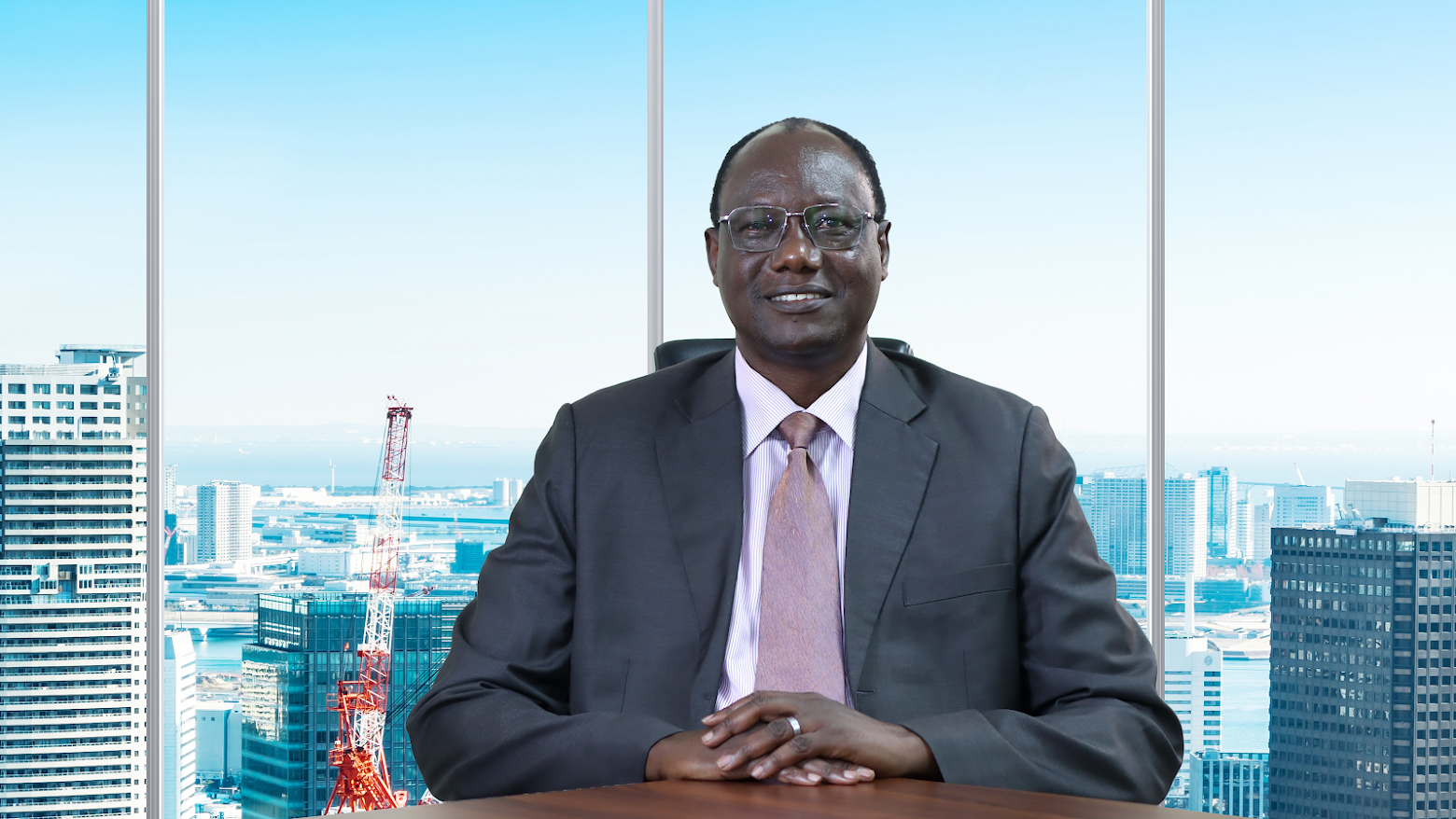 Charles Mugita Gesongo – Manager, Monitoring & Evaluation
Charles Gesongo holds Masters of Arts in Economics and Bachelor of Arts (Economics). He has Post-Graduate Diploma in Management, M & E of Agricultural and Rural programmes, ILO, Turin, Italy Institute of Economic Affairs. He has undertaken Senior Management Course in Kenya School of Government.
Responsibilities: Monitoring and reporting the performance of the programs in the constituencies and suggest measures to improve the monitoring system, coordinating with constituencies, service providers, and all other stakeholders in both county and national governments to ensure a long-term approach to participatory monitoring and evaluation process.
 Beatrice Otieno – Manager, Field Financial Coordination
Beatrice Otieno holds Master of Business Administration (Finance) Bachelor of Arts in Economics. She is a Certified Public Accountant and a member of the Institute of Certified Public Accountants, Kenya (ICPAK) in good standing. She has undertaken Senior Management Course from Kenya School of Government.
Responsibilities: providing professional advice to the National Government Constituencies Development Fund Committees (NGCDFCs) and Fund Account managers on financial management and Providing technical guidance and support to Constituencies in Preparation of Constituencies financial statements.
 Ann Mulea – Manager, Research and Statistics
Ann Mulea holds Master of Arts in Economics, Bachelor of Arts in Economics, Certified Public Accountant Part II, Statistical package for Social Sciences, Computerized Accounting-Pastel, Sage and Quick books, Project Monitoring and Evaluation, Public Policy Process Analysis, Research Methods, Econometrics and Macro modelling, Monitoring and Evaluation, Tools for Policy Analysis, Inclusive Green Economy in Practice, Policy and Economic Measures as Tools for Local and Regional Sustainable Development. She has a Certificate in Computer applications, Strategic Leadership Development Program and Senior Management Course from Kenya School of Government. She has also undertaken Integrated Environmental impact assessment & Audit Course. She is a member of Economists Society of Kenya.
Responsibilities: Coordinating research, collecting, collating and analyzing data for operational, planning and evidence-based decision making purposes as well as reporting of data/information for improved research and programme management.
NG-CDF and Risk Management
There is a strong relationship between risk management and service delivery at the NG-CDF Board. Effective risk management is an important route towards securing the right services to be delivered to the public, and also maximizing the level of service provision achievable within the Board.
Why Risk Management at NG-CDF?
- Compliance
- To ensure effective and efficient management of the Fund
- Enhance service delivery
Roles of NG-CDF Committee in Risk Management
- Coordinate and monitor the implementation of risk management initiatives within the constituency.
- Conduct risk assessments and develop monitoring systems for risks.
- Monitor risks in the constituency.
Complaint Process
- The Management receives the complaint.
- Information is sought from the relevant Fund Account by virtue of section 24(10) of the NG-CDF Act.
- The matter is taken to the relevant committee of the Board, which makes appropriate recommendation(s) to the Board by virtue of Section 6(1)(e).
- Arbitration is commenced.
- The matter is taken to court.