The Role of NG-CDF in Kenya’s Economic Transformation
The Role of NG-CDF in Kenya’s Economic Transformation
INTRODUCTION
The National Government Constituencies Development Fund (NG-CDF) is established pursuant to the NG-CDF Act 2015 as amended in 2016 with the objective of addressing poverty at grassroots level and enhancing regional equity in development by dedicating a minimum of 2.5% of all the National Government’s share of annual revenue towards projects identified by the community in each constituency. The Fund is managed by the National Government Constituencies Development Fund Board which is a body corporate established pursuant to Sections l4, 15 and 16 of the NG- CDF Act 2015.
At the constituency level, the day-to-day management of the Fund is vested on the National Government Constituency Development Fund Committees established under Section 43 of the Act 2015.
Kenya’s Vision 2030 and the Bottom-Up Approach
Kenya aims to become a globally competitive and prosperous nation with a high quality of life by 2030 through its Vision 2030. This vision is built upon three pillars – economic, social, and political – which are supported by enablers and flagship programs. To address the economic challenges facing the country, the government has adopted the Bottom-Up Economic Transformation Agenda (BETA) whose main objective is to improve the livelihoods and welfare of Kenyans. The current Fourth Medium-Term Plan (MTP) for 2023-2027 places emphasis on the “Bottom-Up Economic Transformation Agenda for Inclusive Growth” (BETA). which focuses on targeted investments in five key pillars:

Eligible Projects under NG-CDF
- Projects falling within the exclusive functions of the National Government as outlined in the constitution of Kenya.
- Projects that are community based in order to ensure that prospective benefits are availed to a wide- spread cross section of the citizens in the constituency.
Ineligible projects under NG-CDF
- Projects that are recurrent in nature, except administrative costs of the Board, NG-CDFC and
- Projects falling within the devolved
- Projects supporting religious bodies/activities.
- Projects supporting political
bodies/activities.
- Projects directly benefitting individuals except education bursaries and social security (primarily, health insurance for vulnerable families)
- Projects involving personal awards whether in cash or kind.
NG-CDF’s Focus on Key Sectors in the Fourth Medium-Term Plan
The Fourth Medium Term Plan (MTP IV) outlines the key priorities for national development, which are grouped into five sectors: Finance and Production, Infrastructure, Social, Environment and Natural Resources, and Governance and Public Administration. The National Government Constituencies Development Fund (NG-CDF) plays a vital role in supporting these sectors through targeted interventions. Here is a detailed overview of NG-CDF’s contributions to each sector.
Finance and Production Sector
To achieve sustainable economic growth and boost productivity, the focus has been on supporting Micro, Small, and Medium Enterprises (MSMEs) and empowering youth and women through targeted infrastructural development and skill enhancement programs.
Contribution of NG-CDF in Micro, Small Medium Enterprise Sector .
The NG-CDF supports the MSME sector in the following ways:
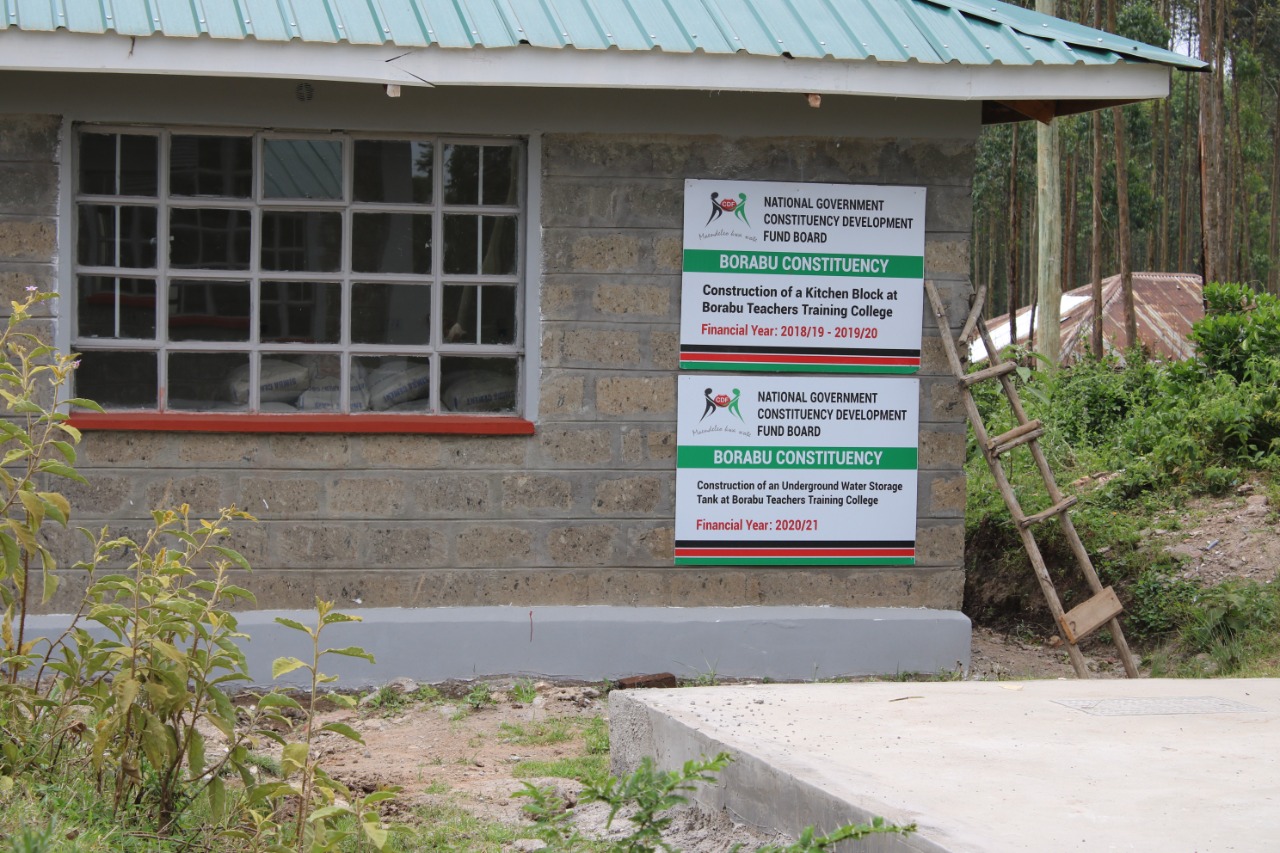
The National Government Constituencies Development Fund (NG-CDF) creates job in the non-farm sectors through engaging artisans and purchase of locally available materials at the constituency which promote business in the MSME.s such as hardware, transport, quarrying,
Youth and Women Empowerment: The Fund has been pivotal in creating job opportunities for artisans, with a particular emphasis on youth and Persons with Disabilities (PWDs). By reserving 30% of procurement opportunities for these groups, the Fund ensures that marginalized communities can actively participate in and benefit from economic activities.
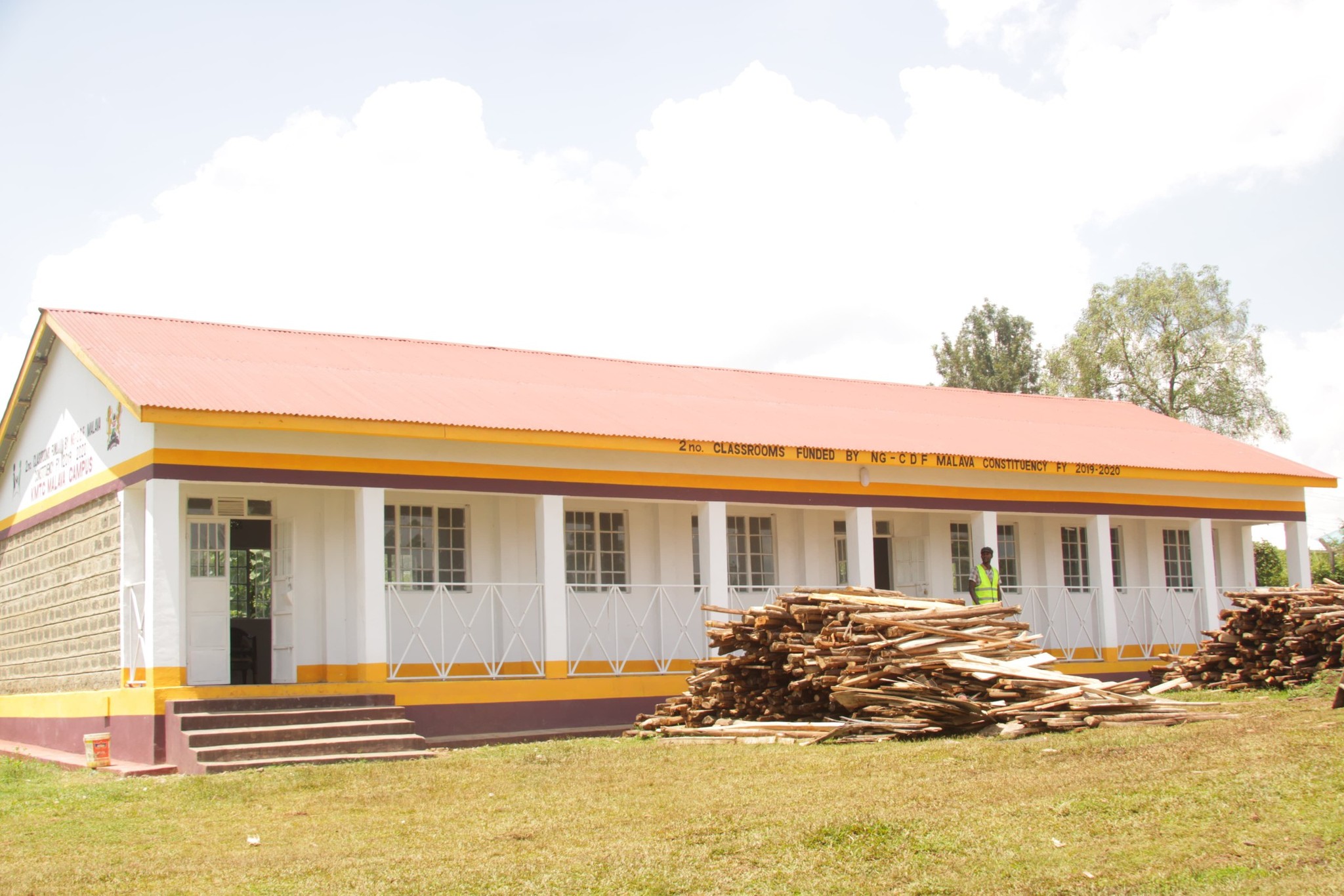
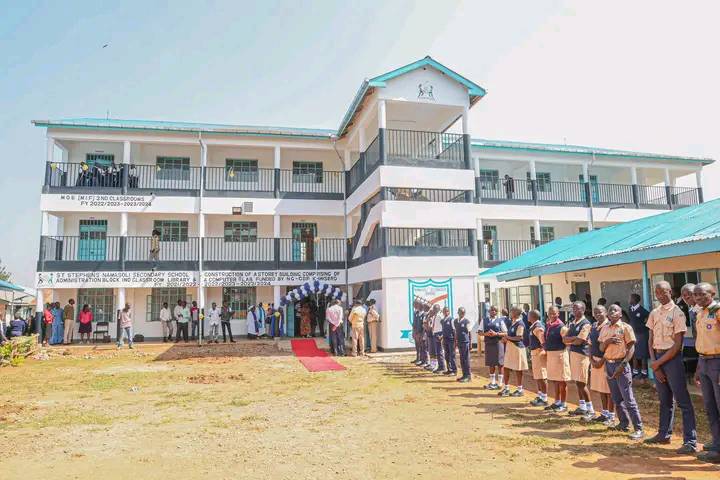
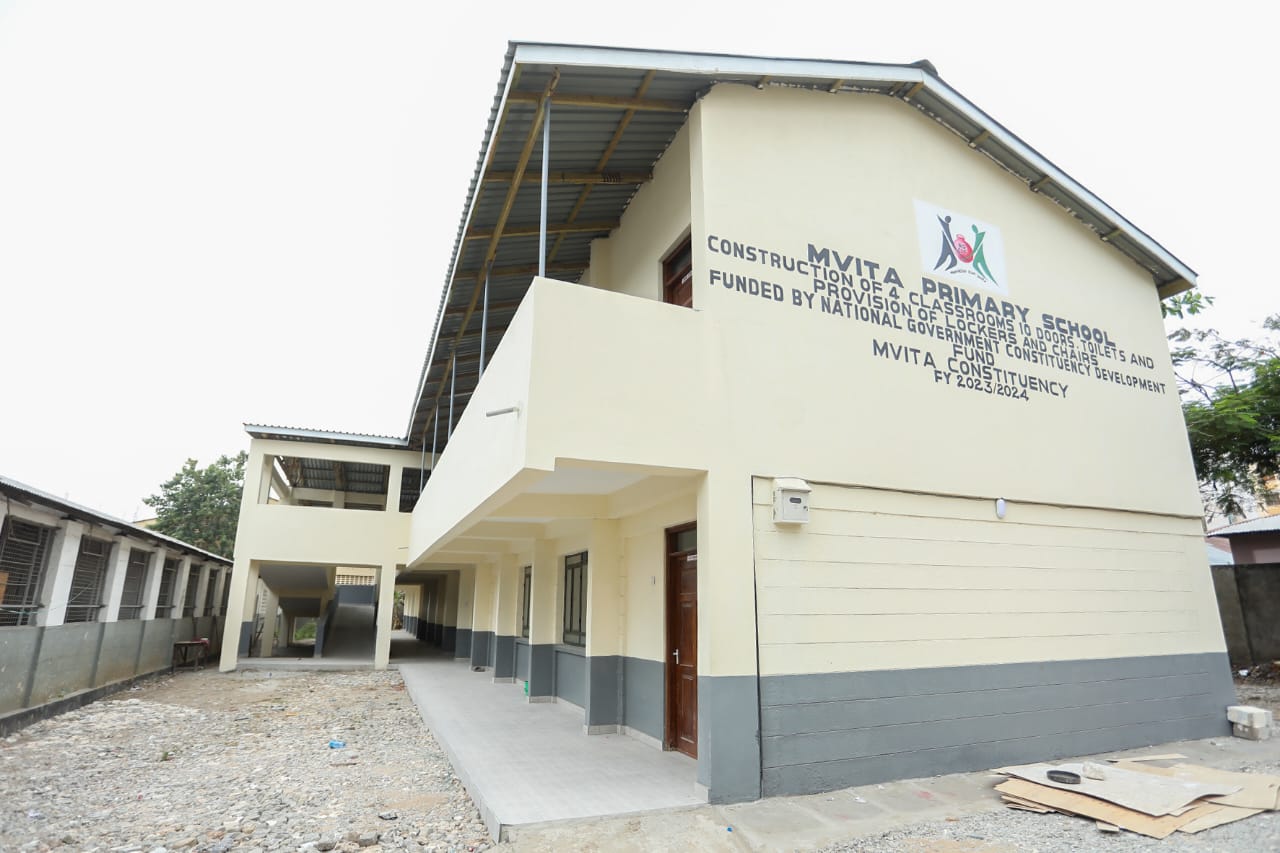
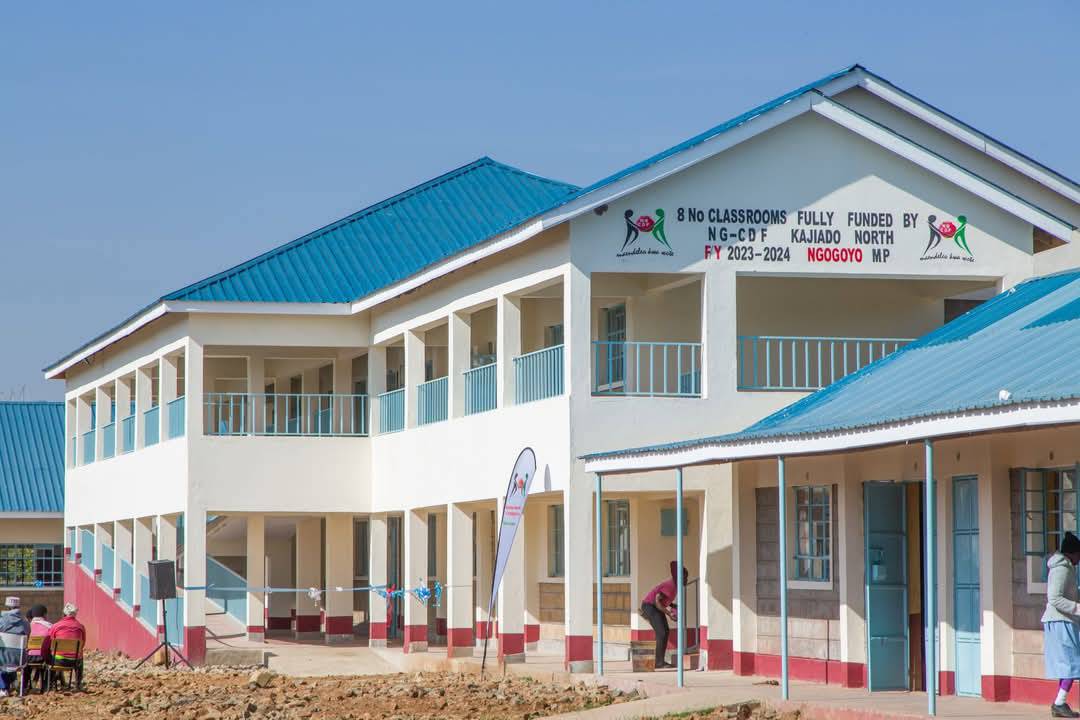
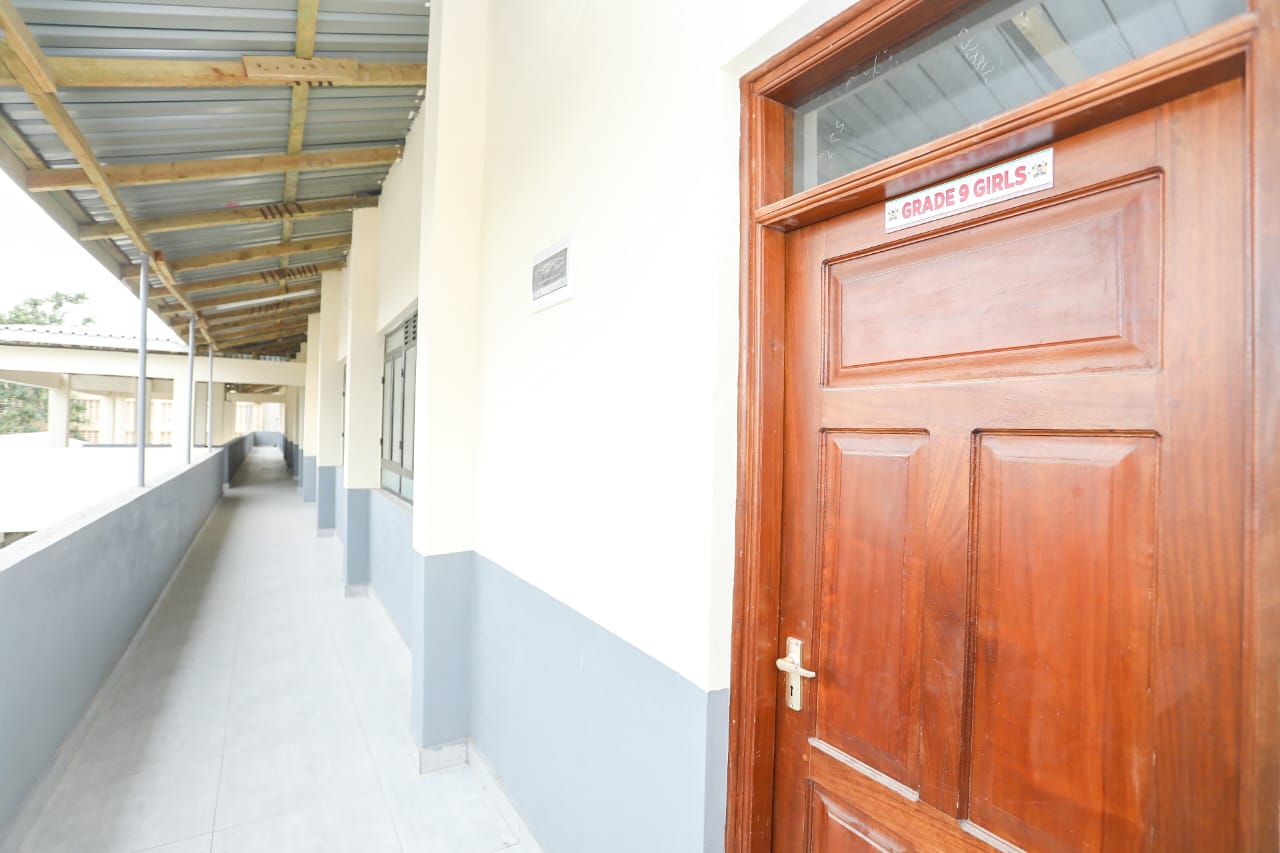
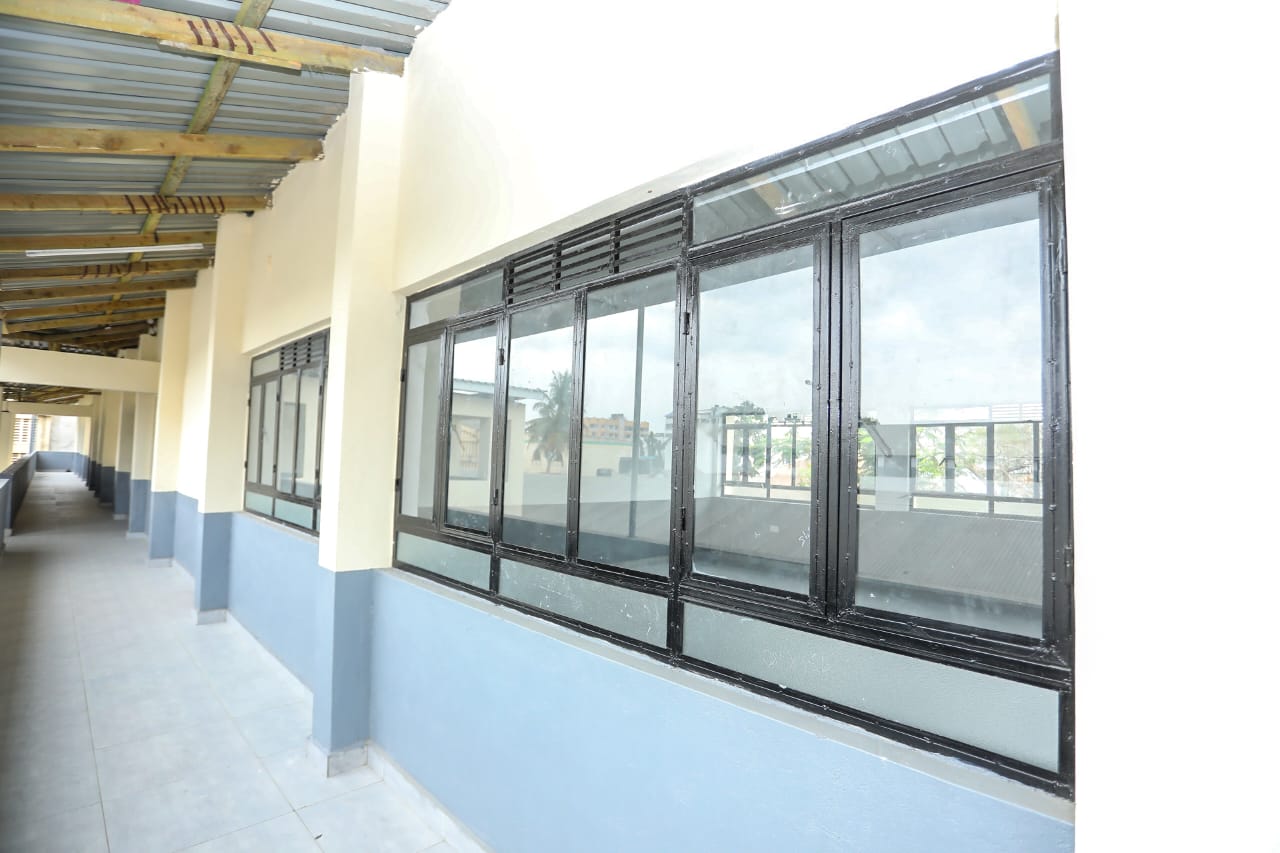
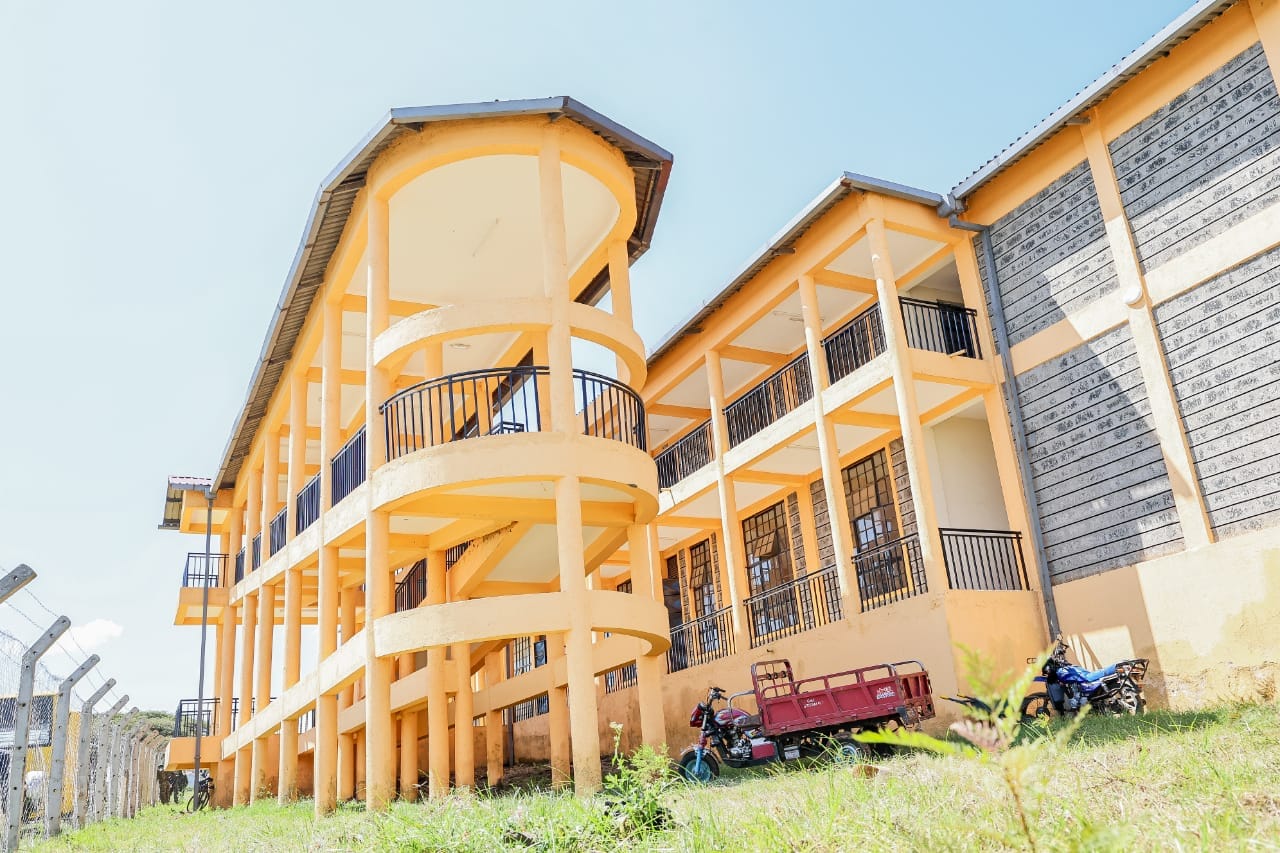
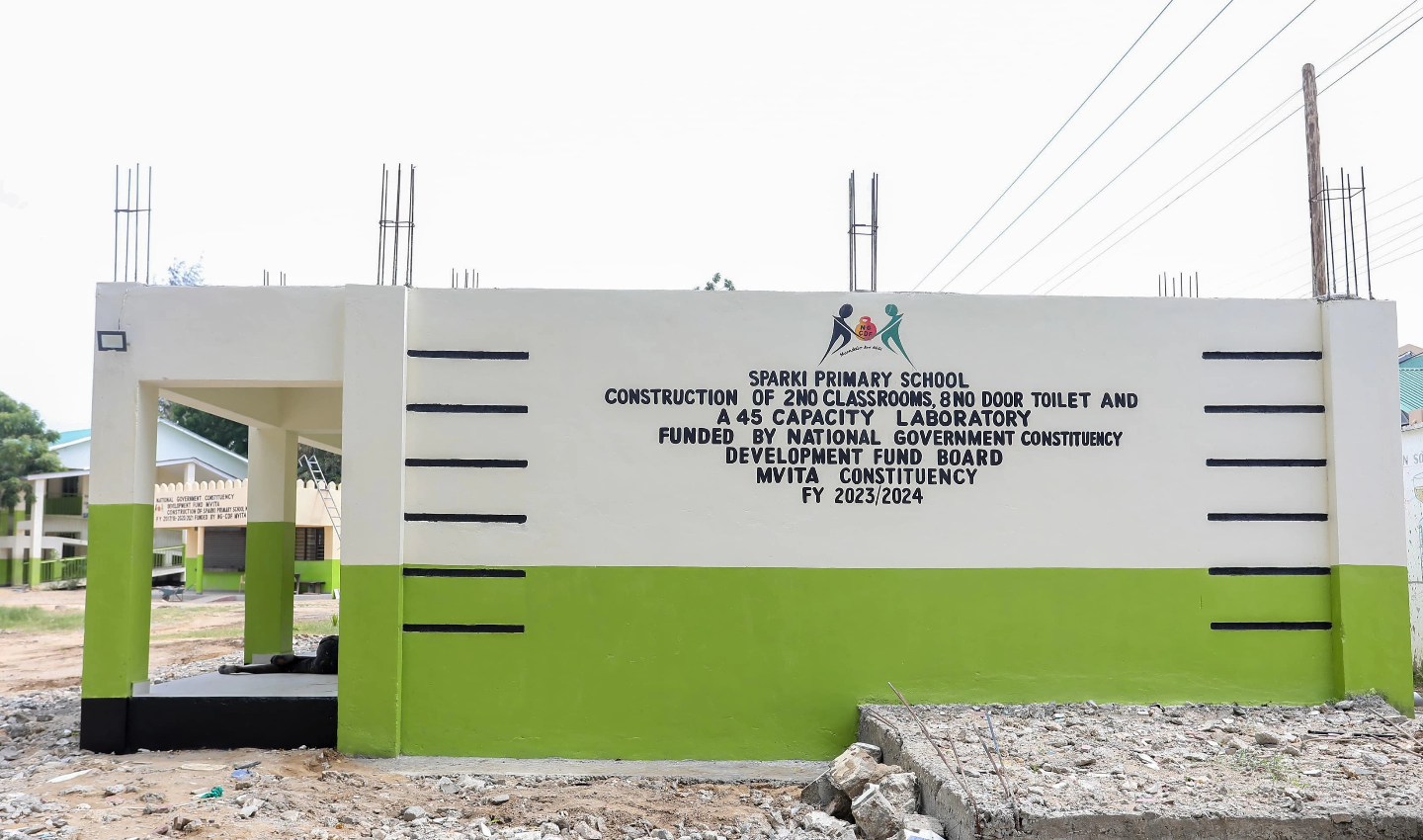
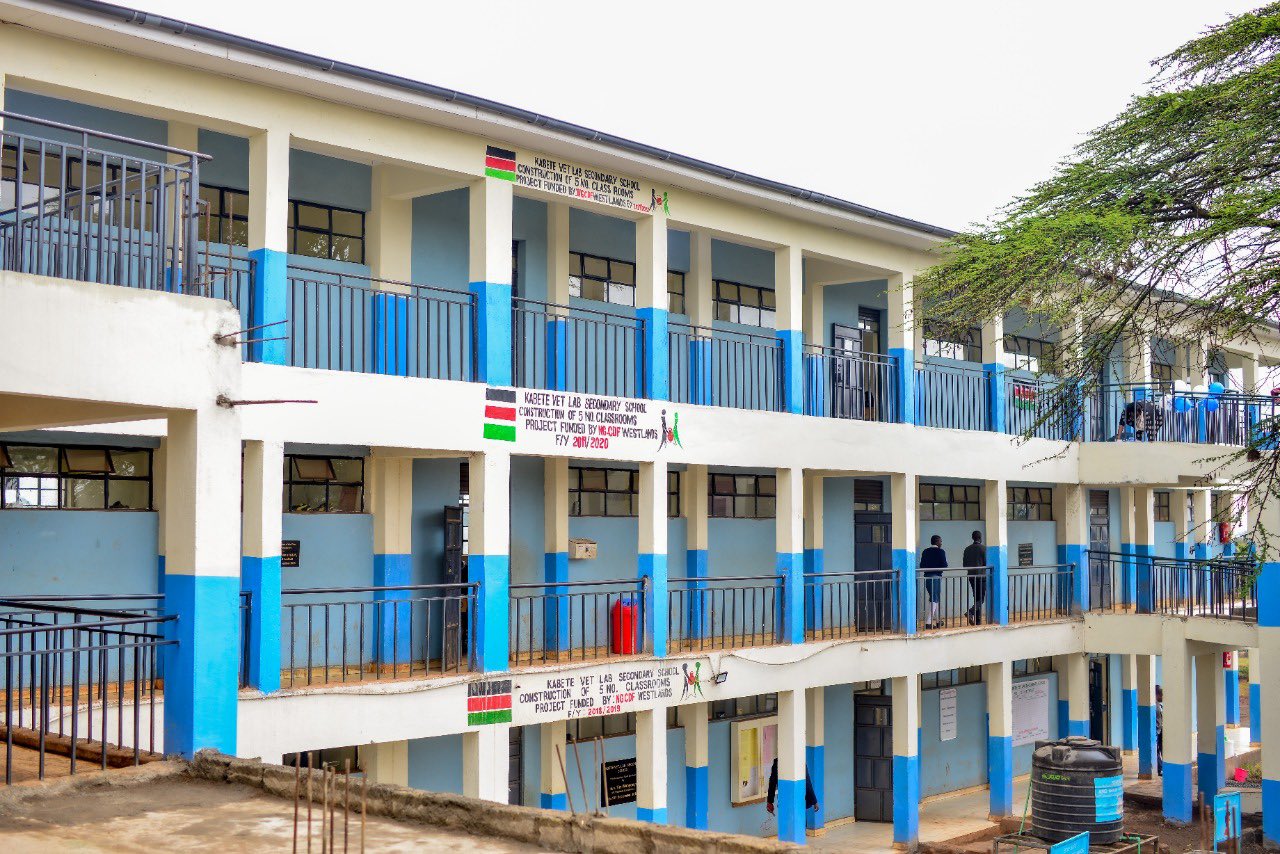
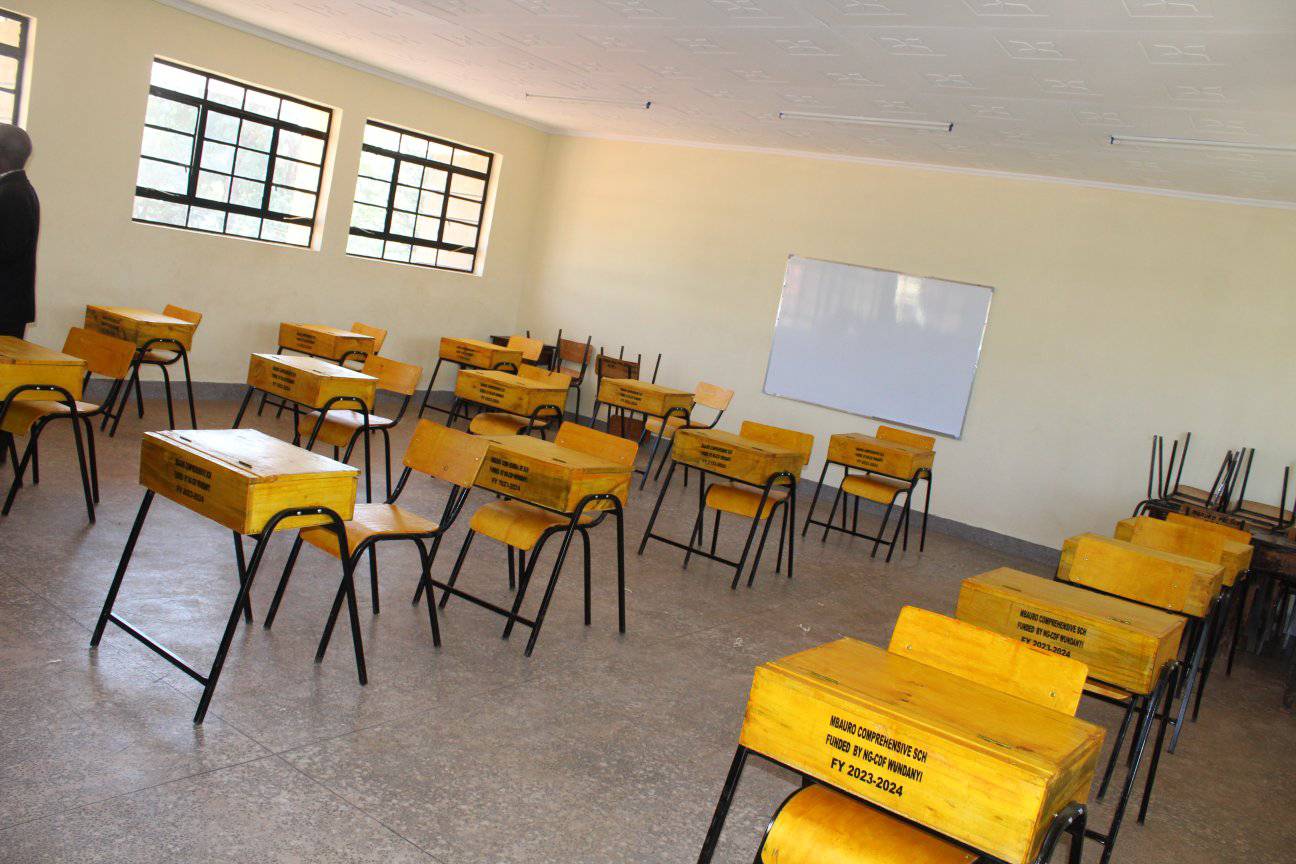
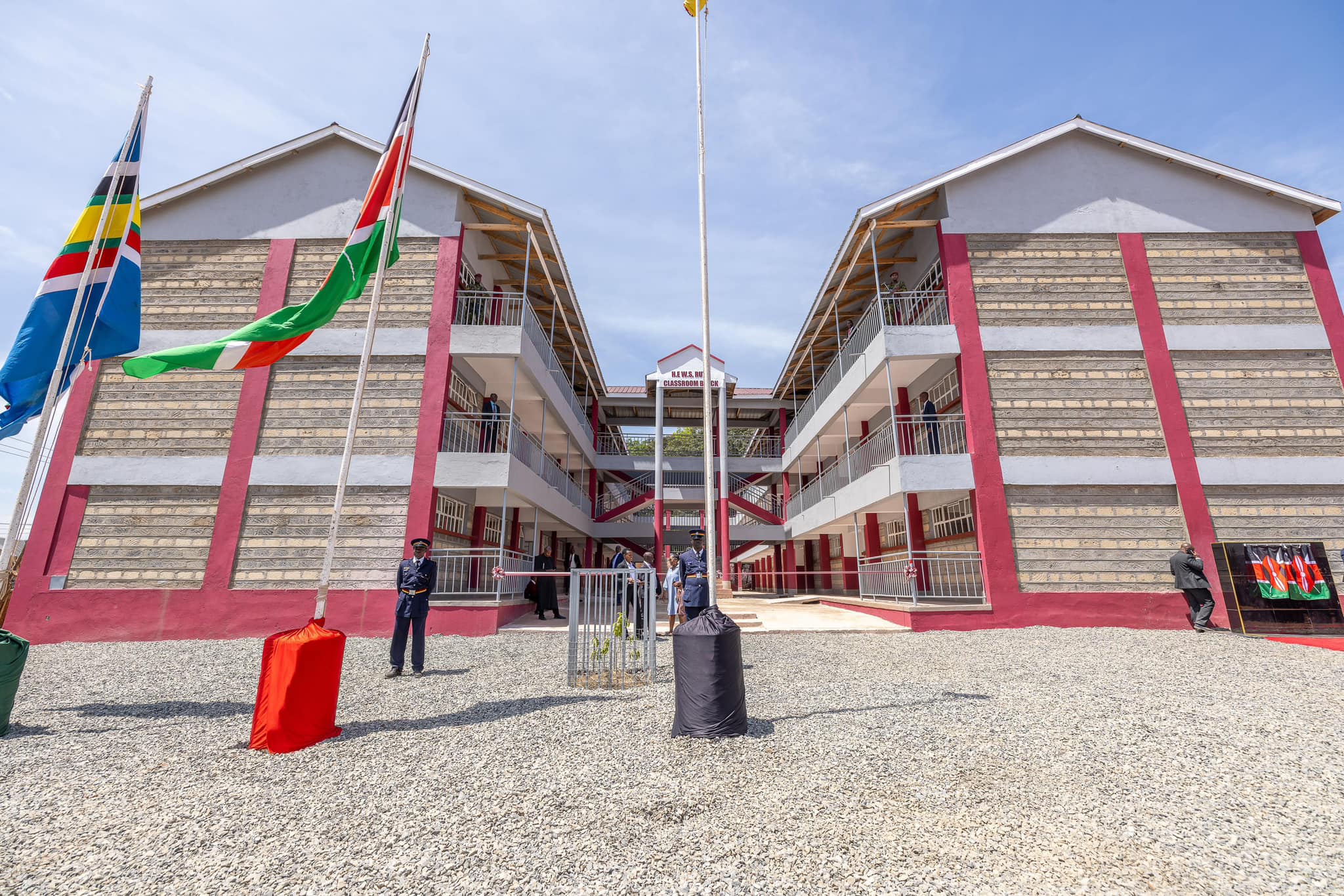
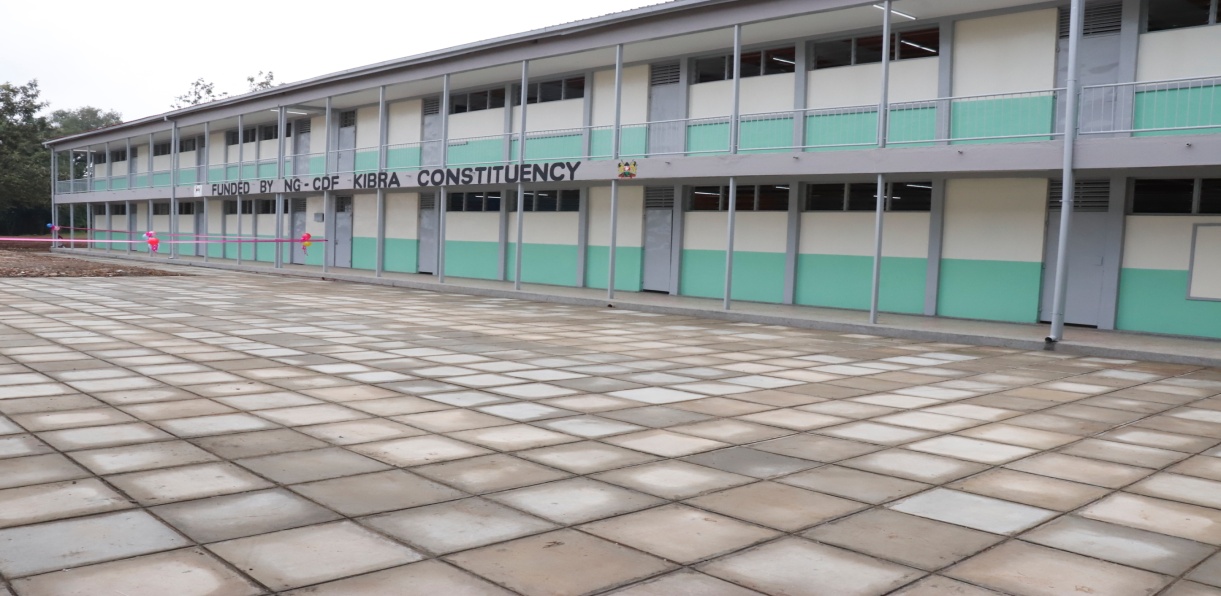
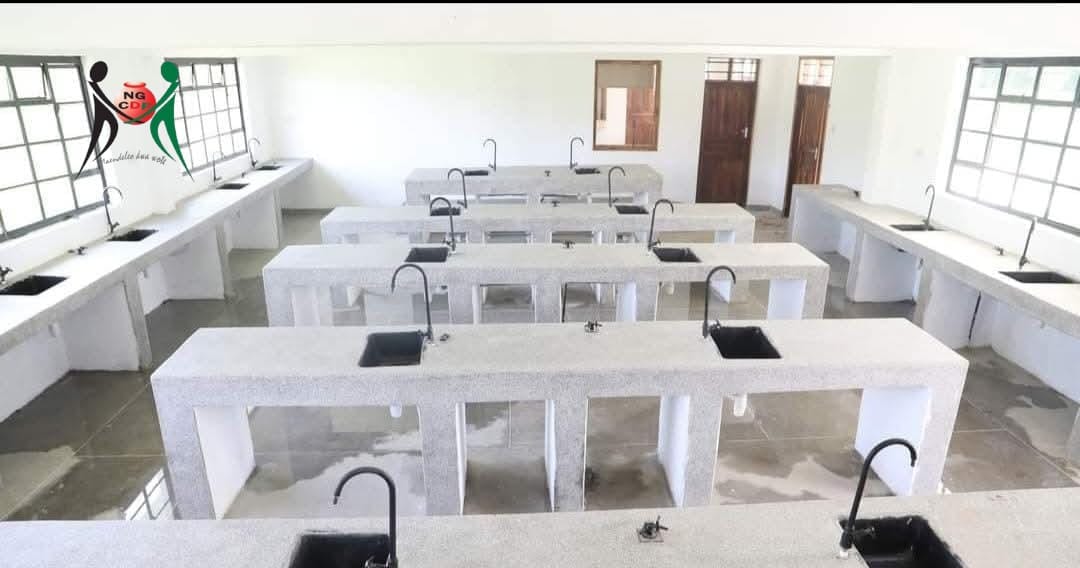
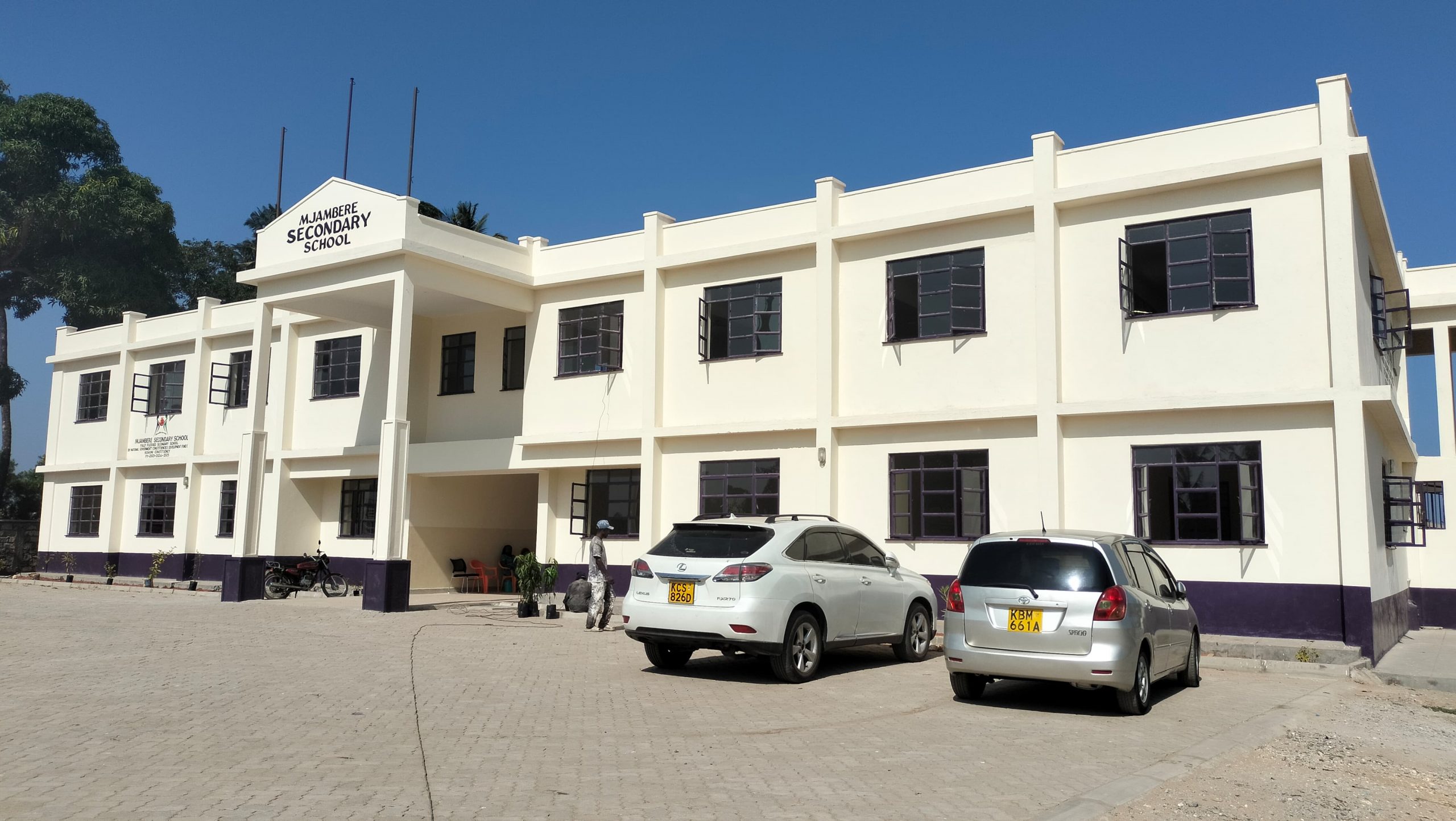
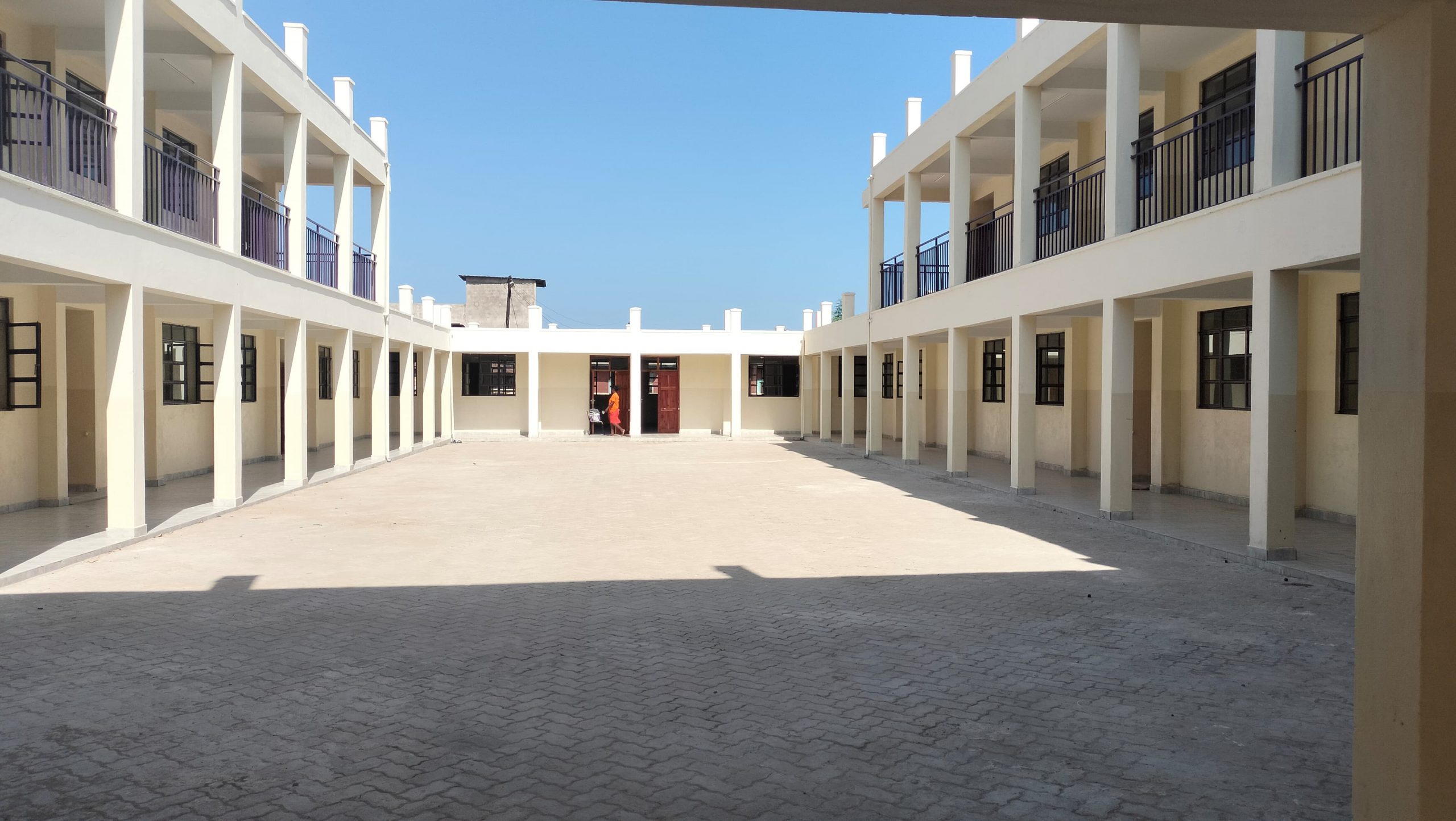
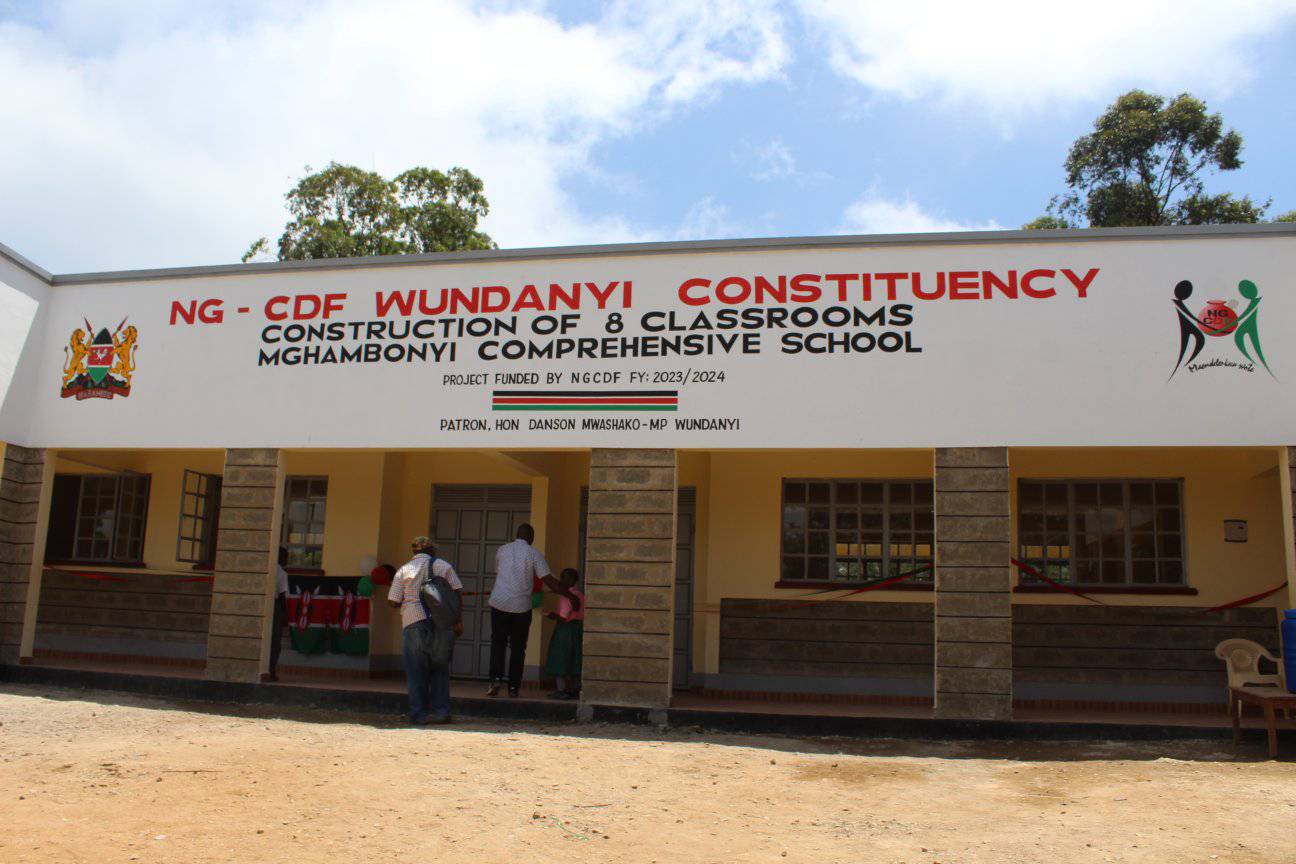
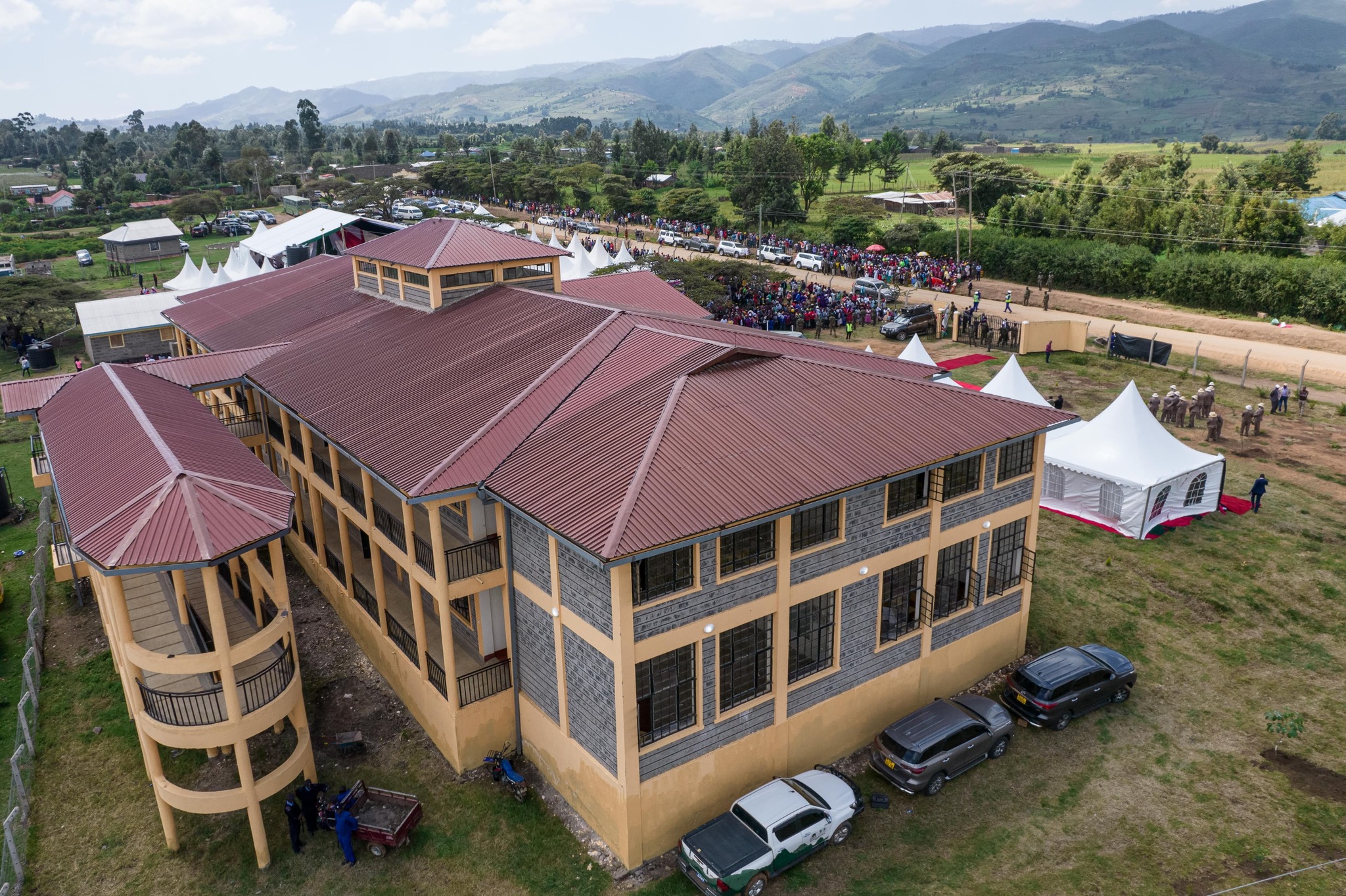
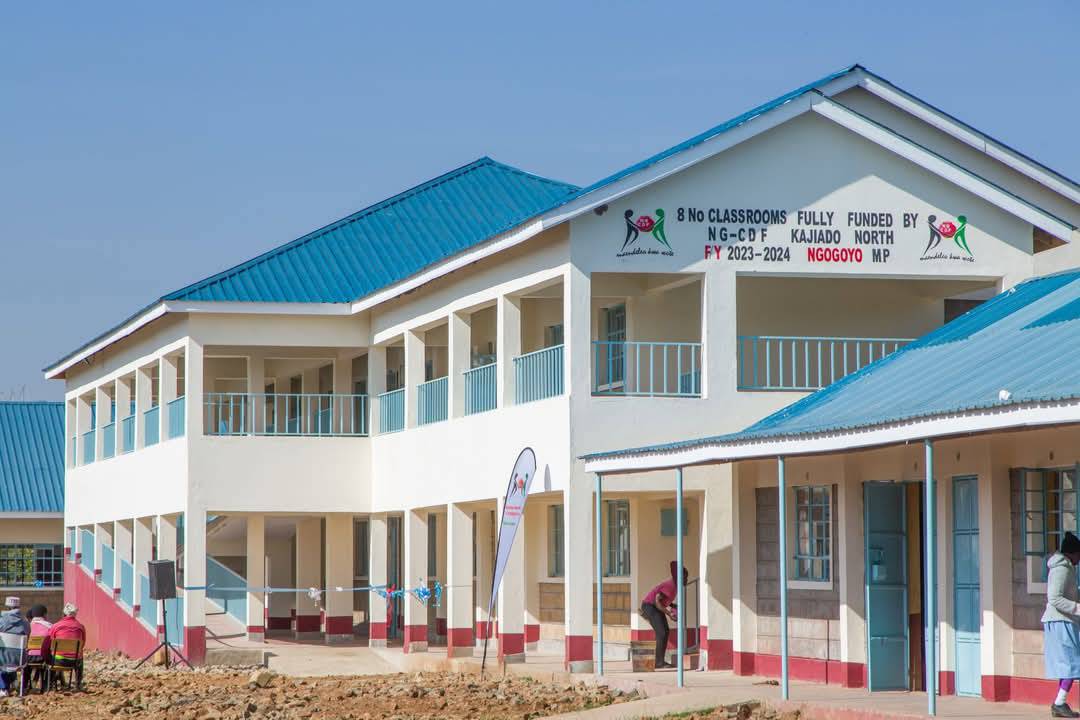
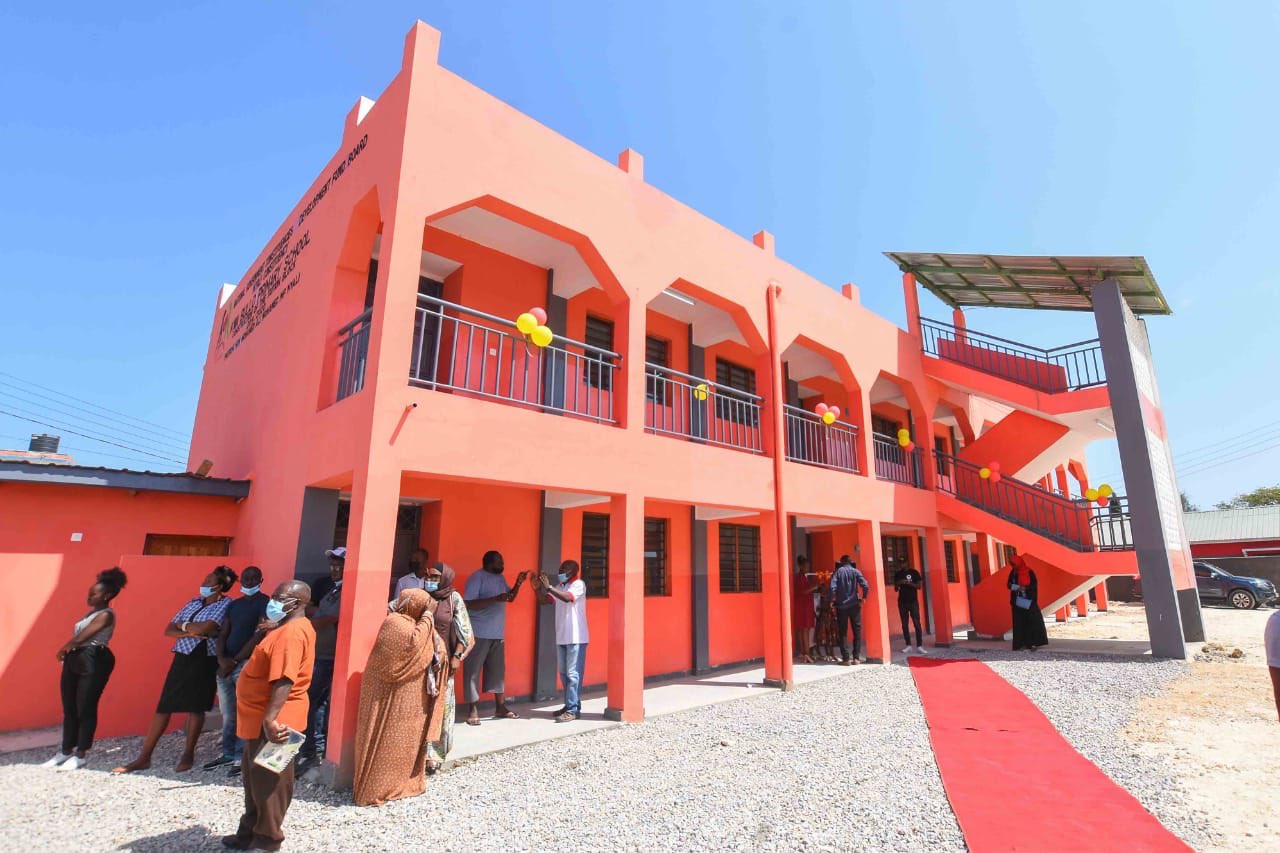
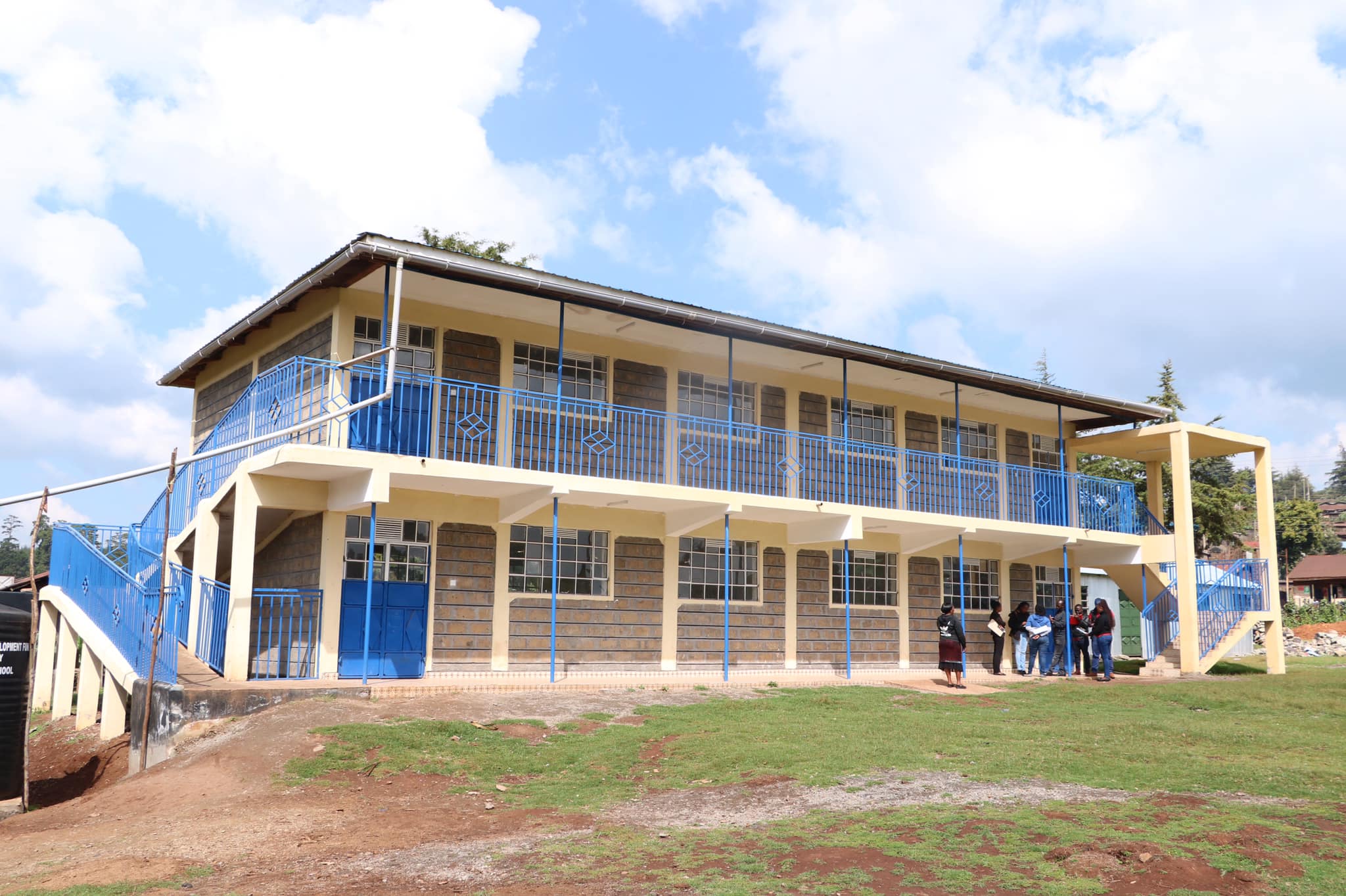
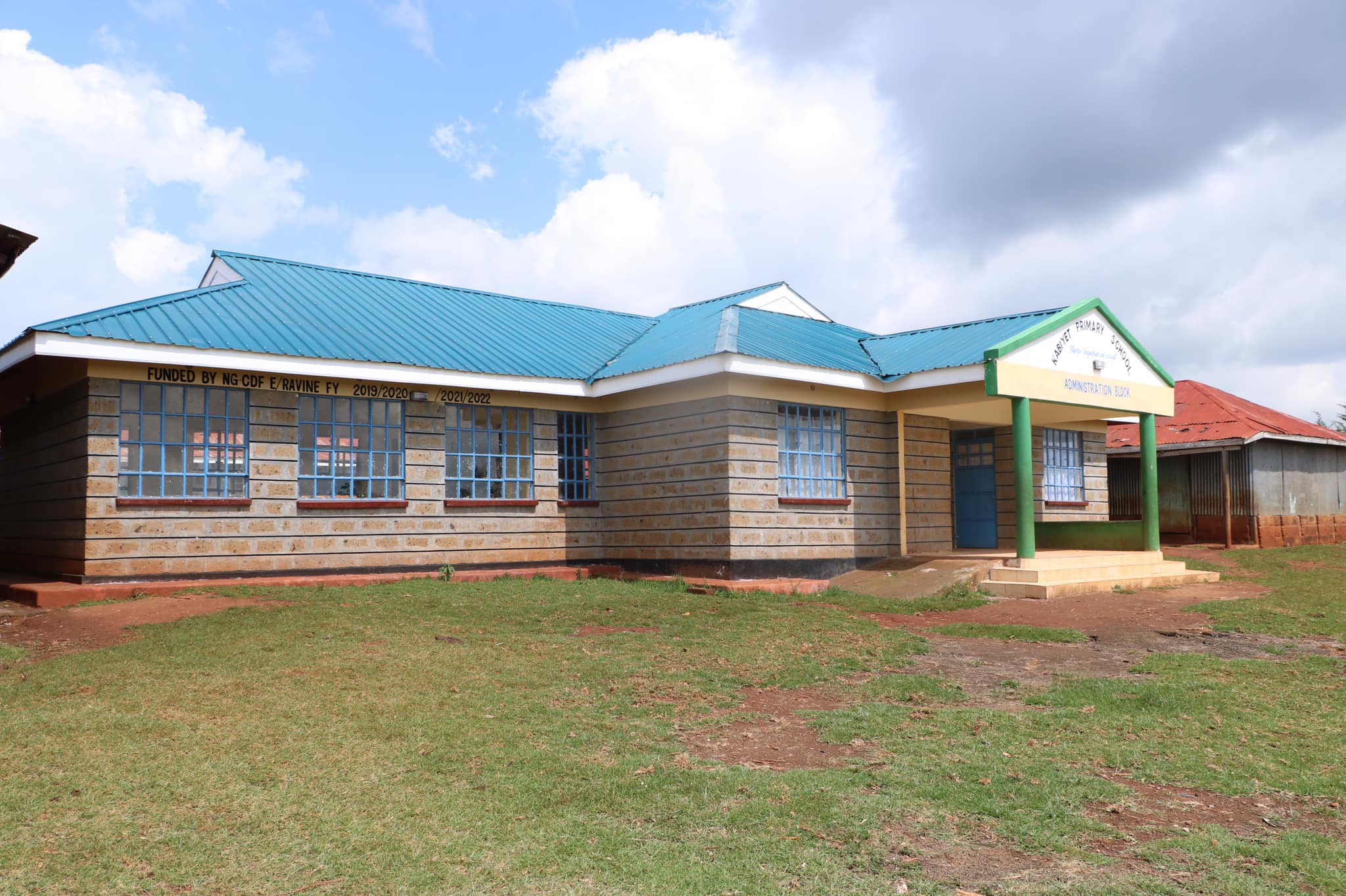
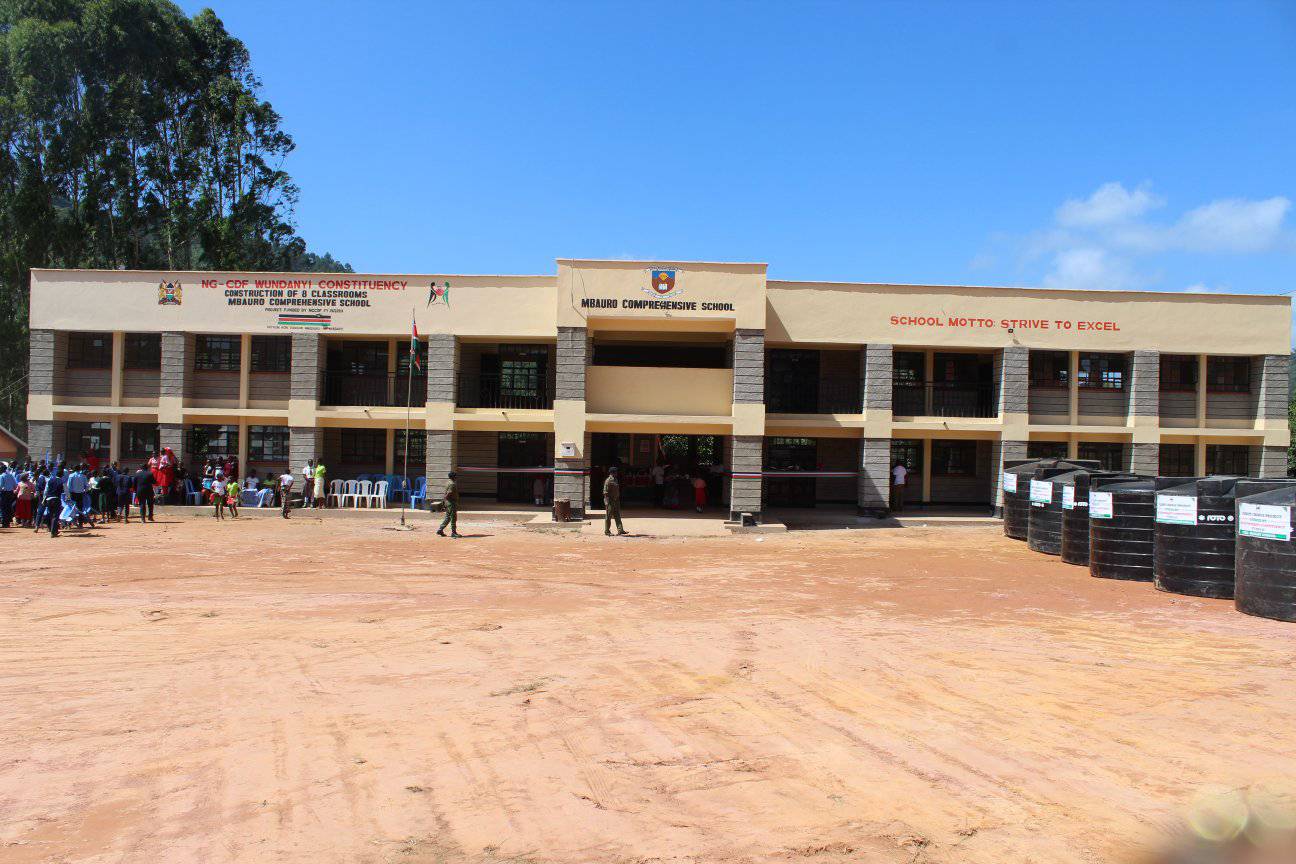
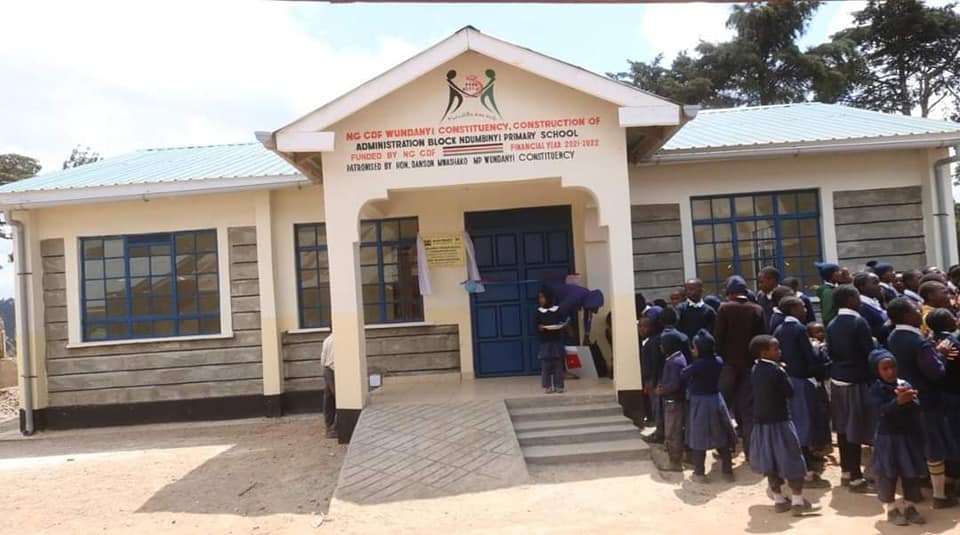
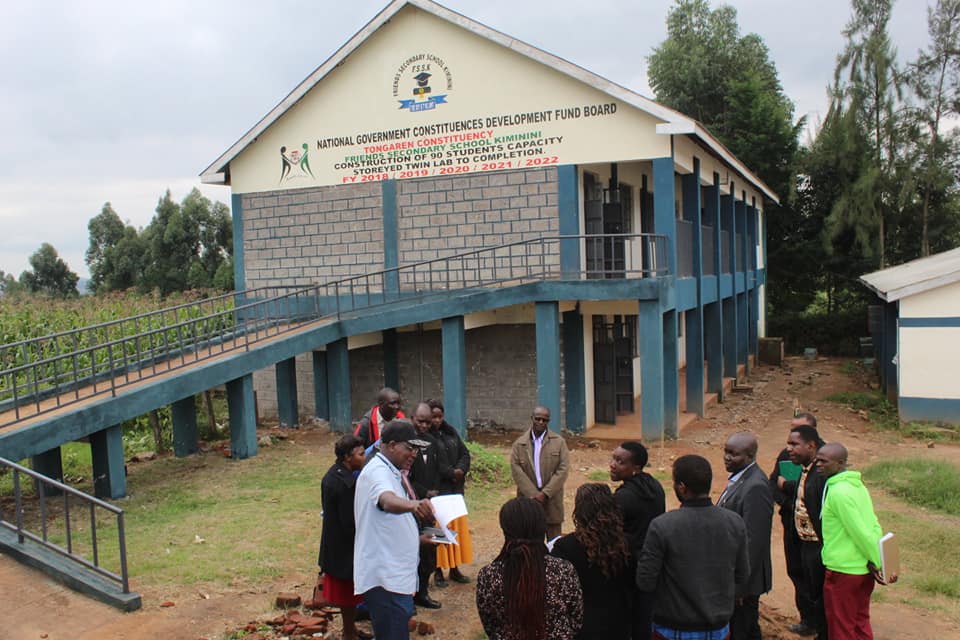
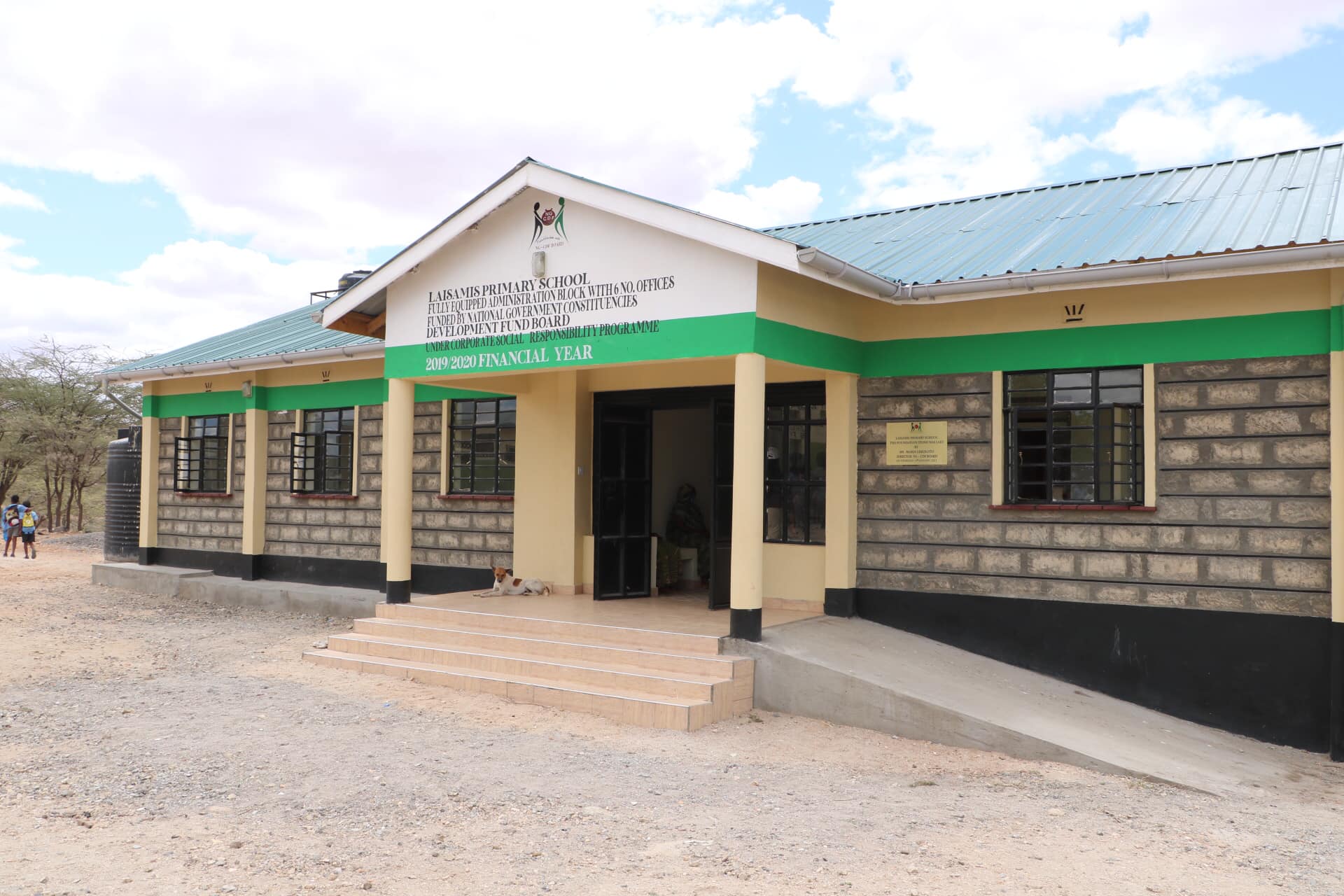
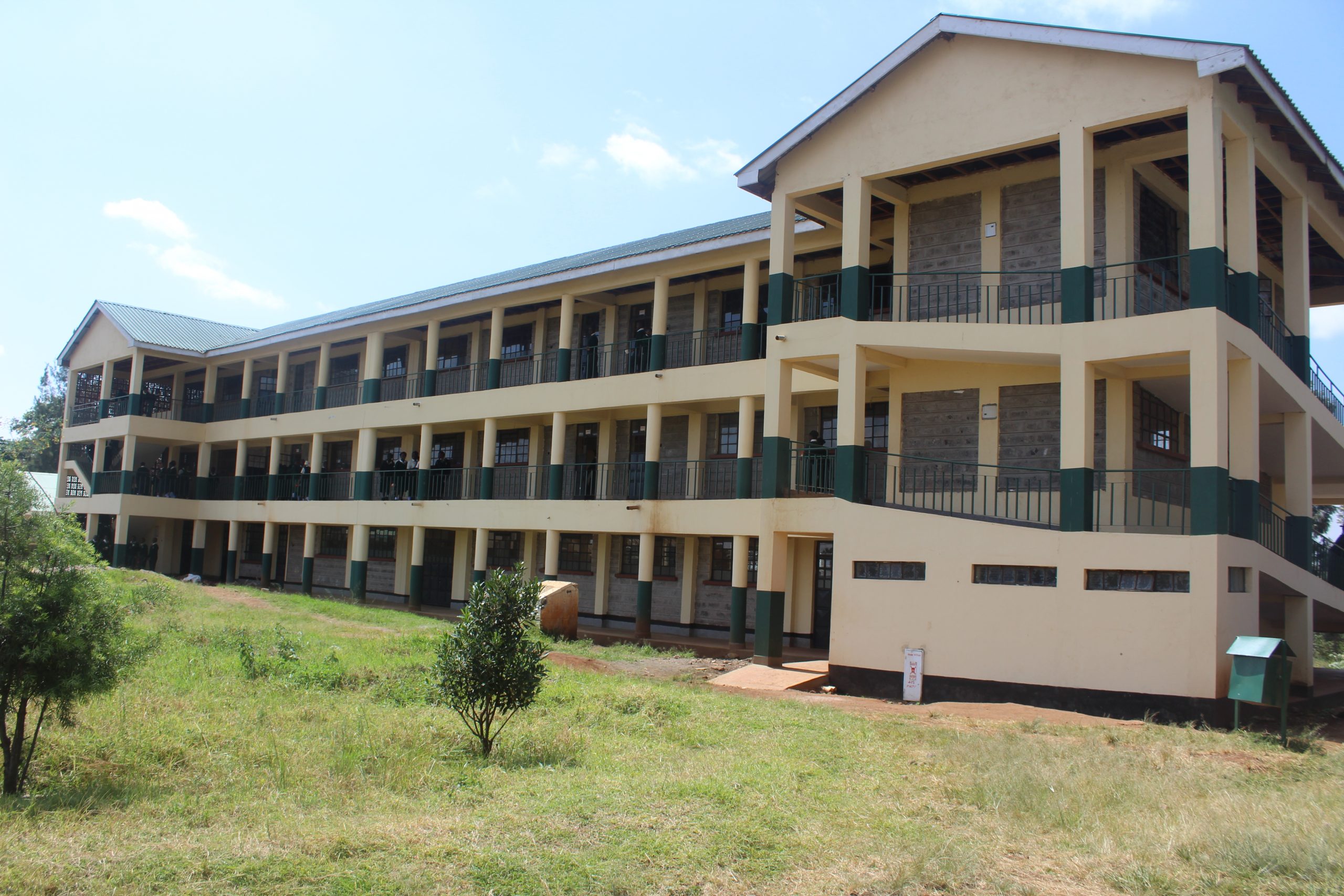
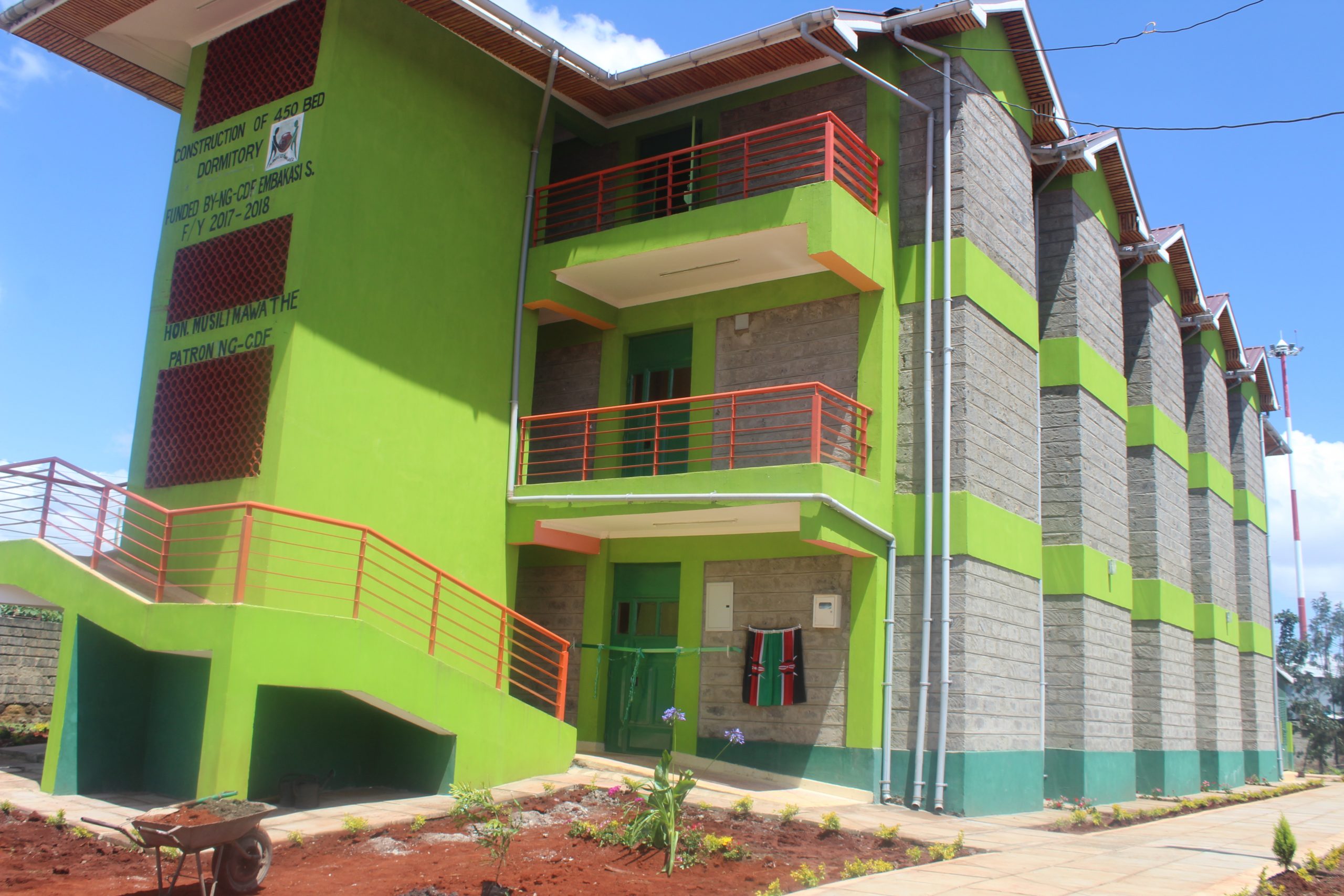
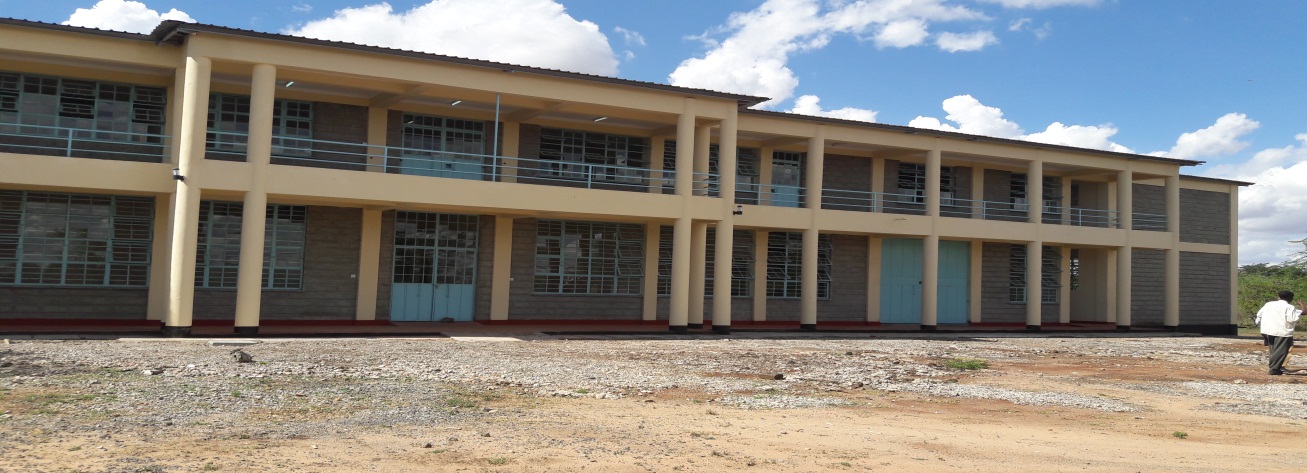
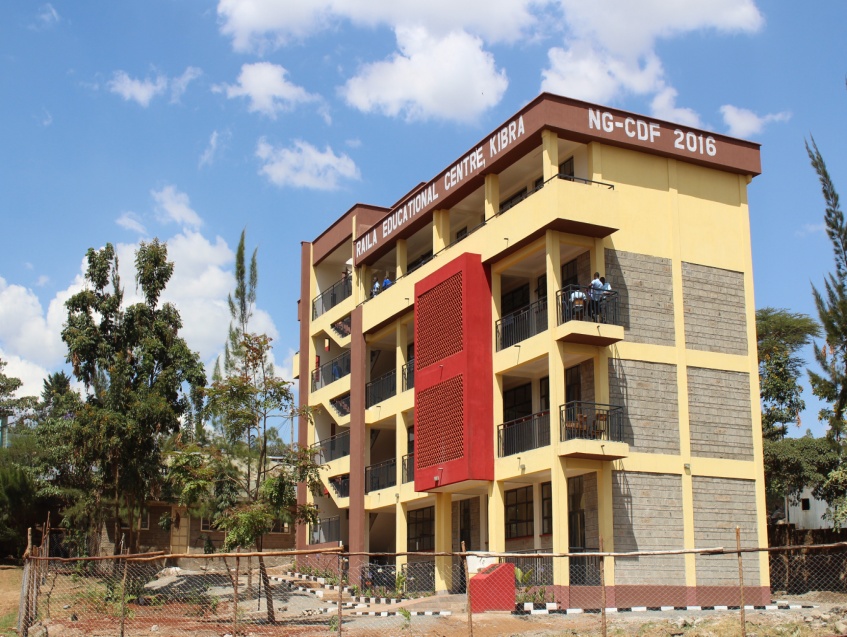
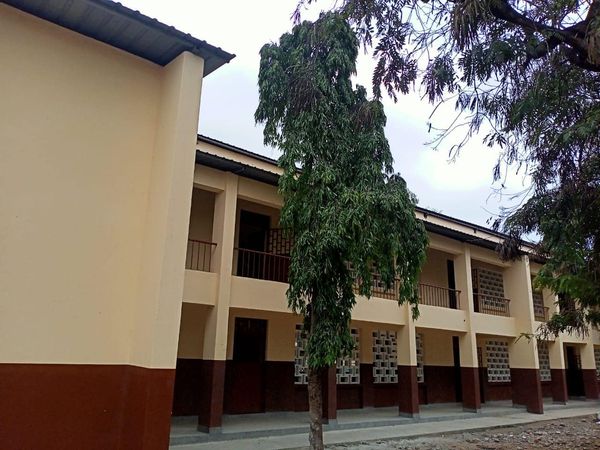
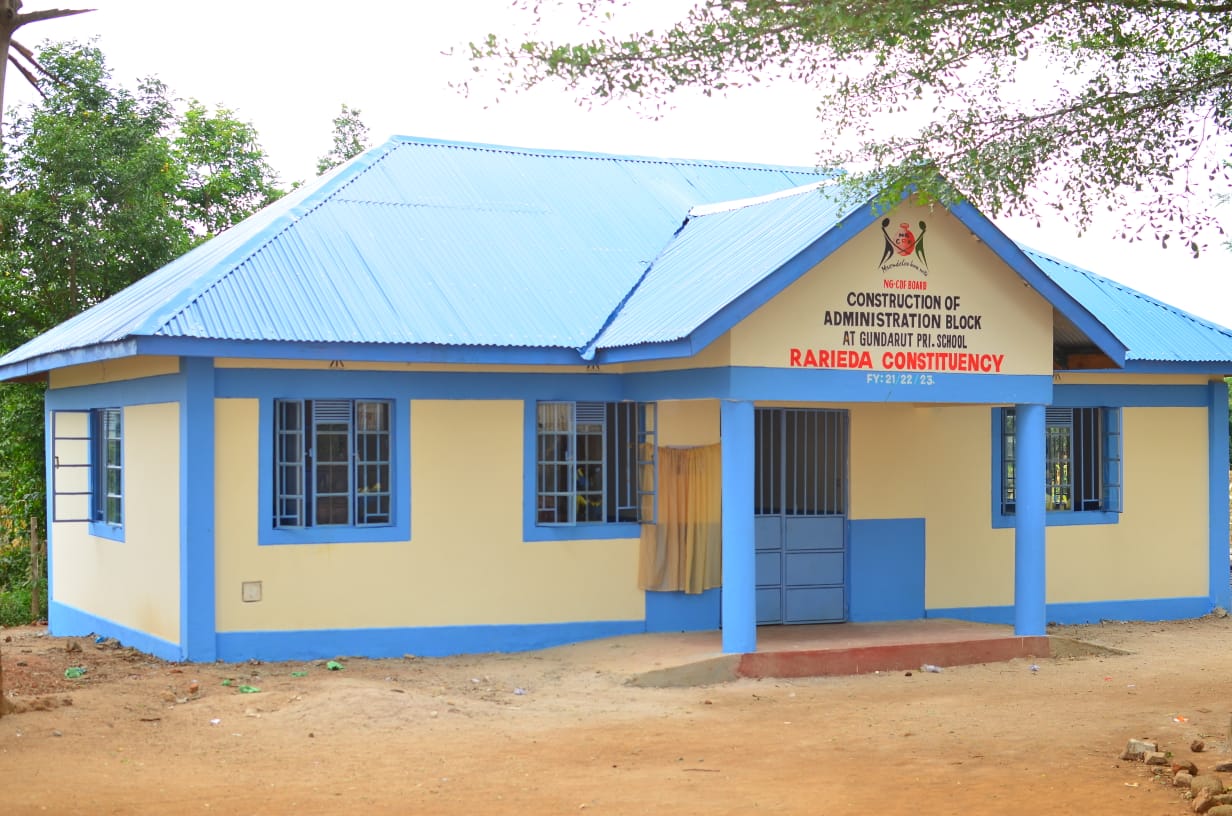
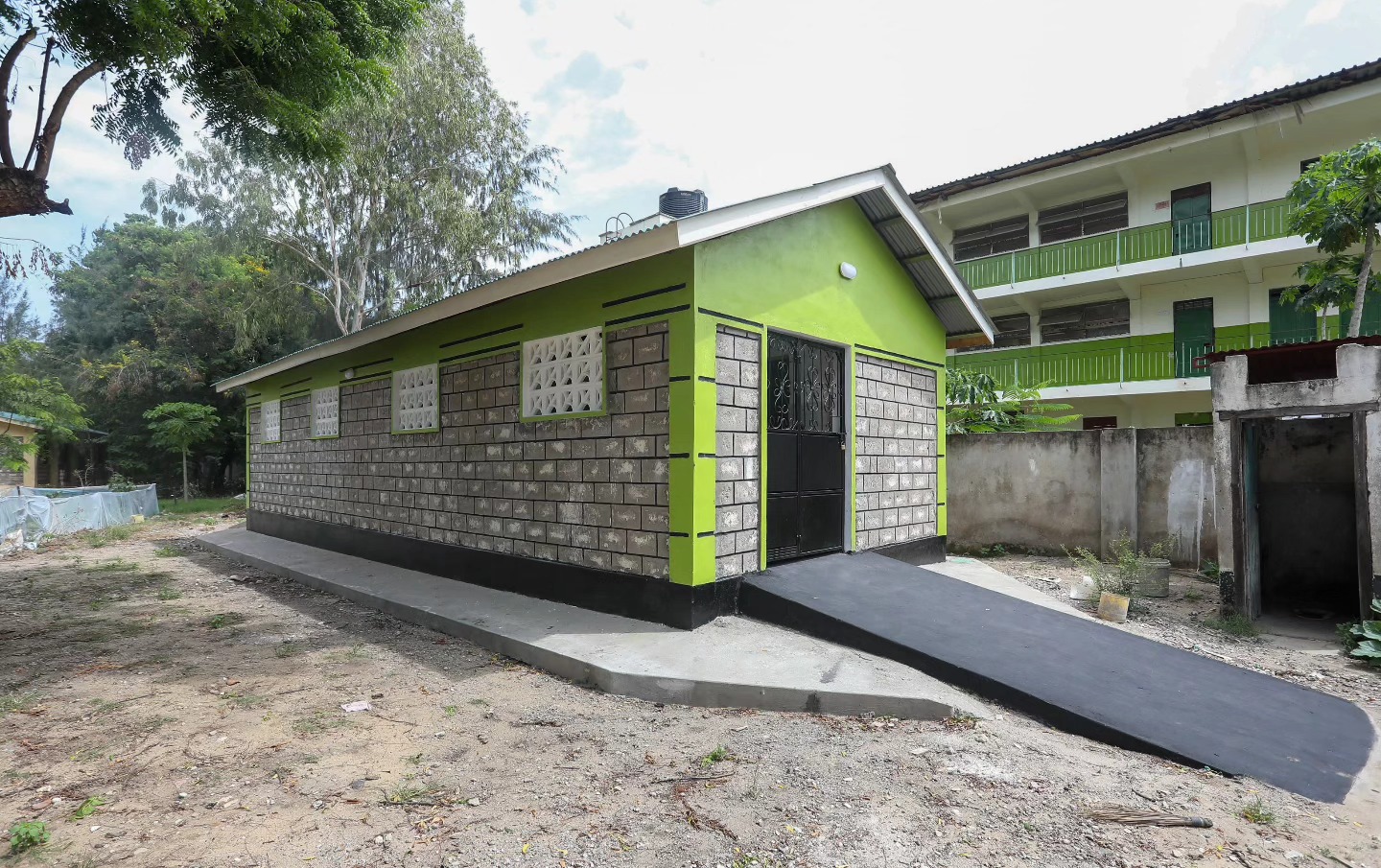
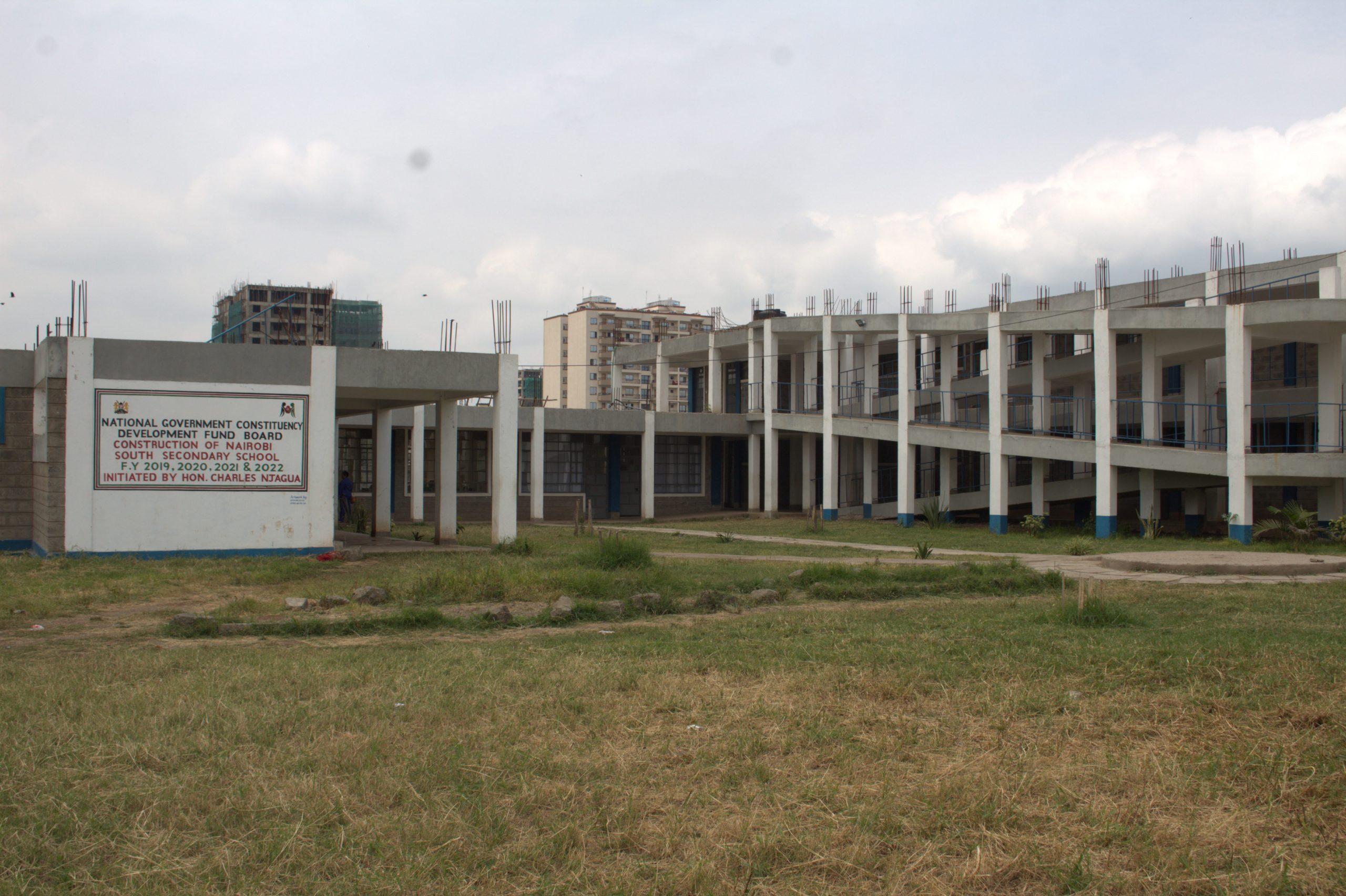
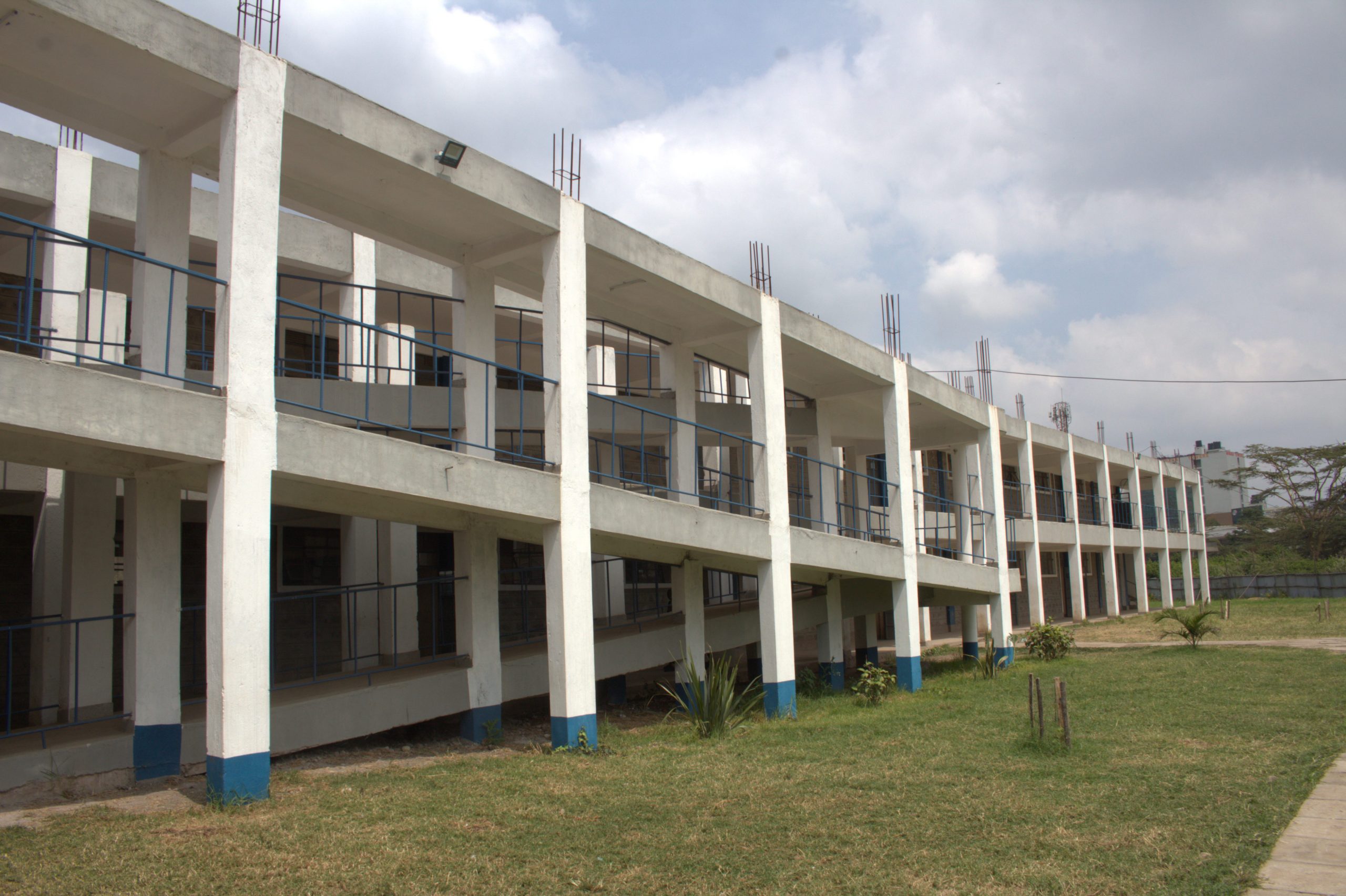
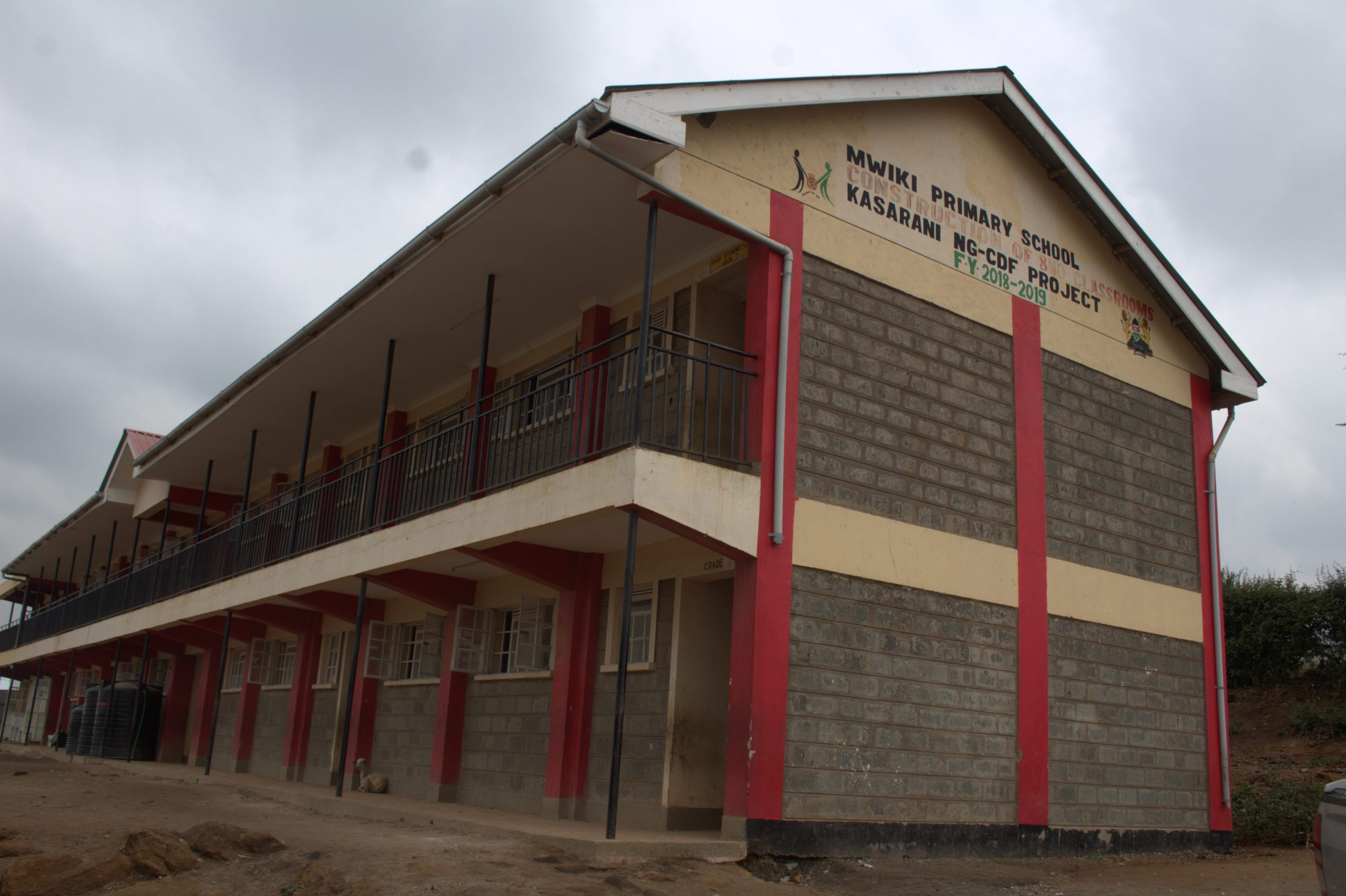
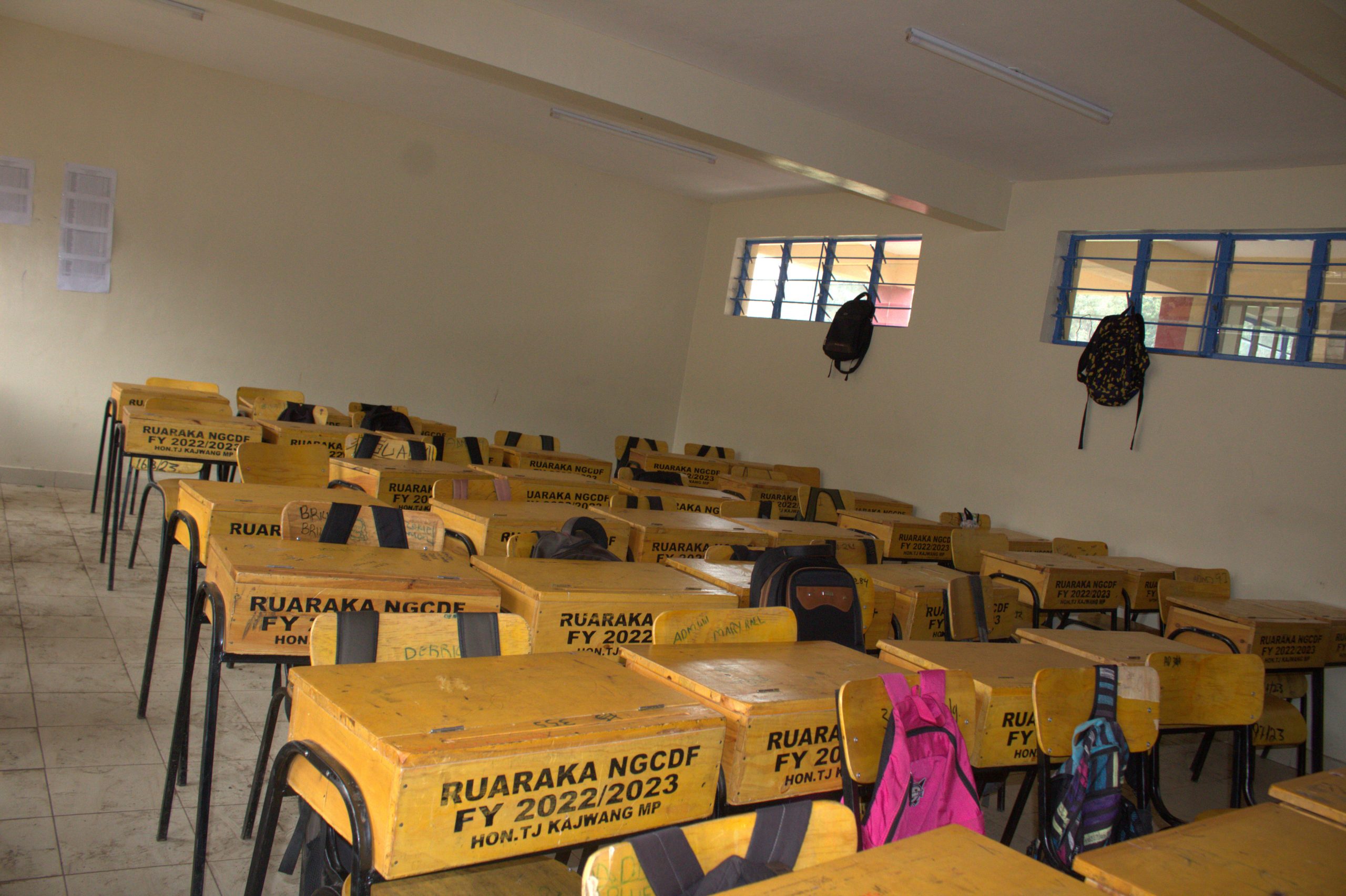
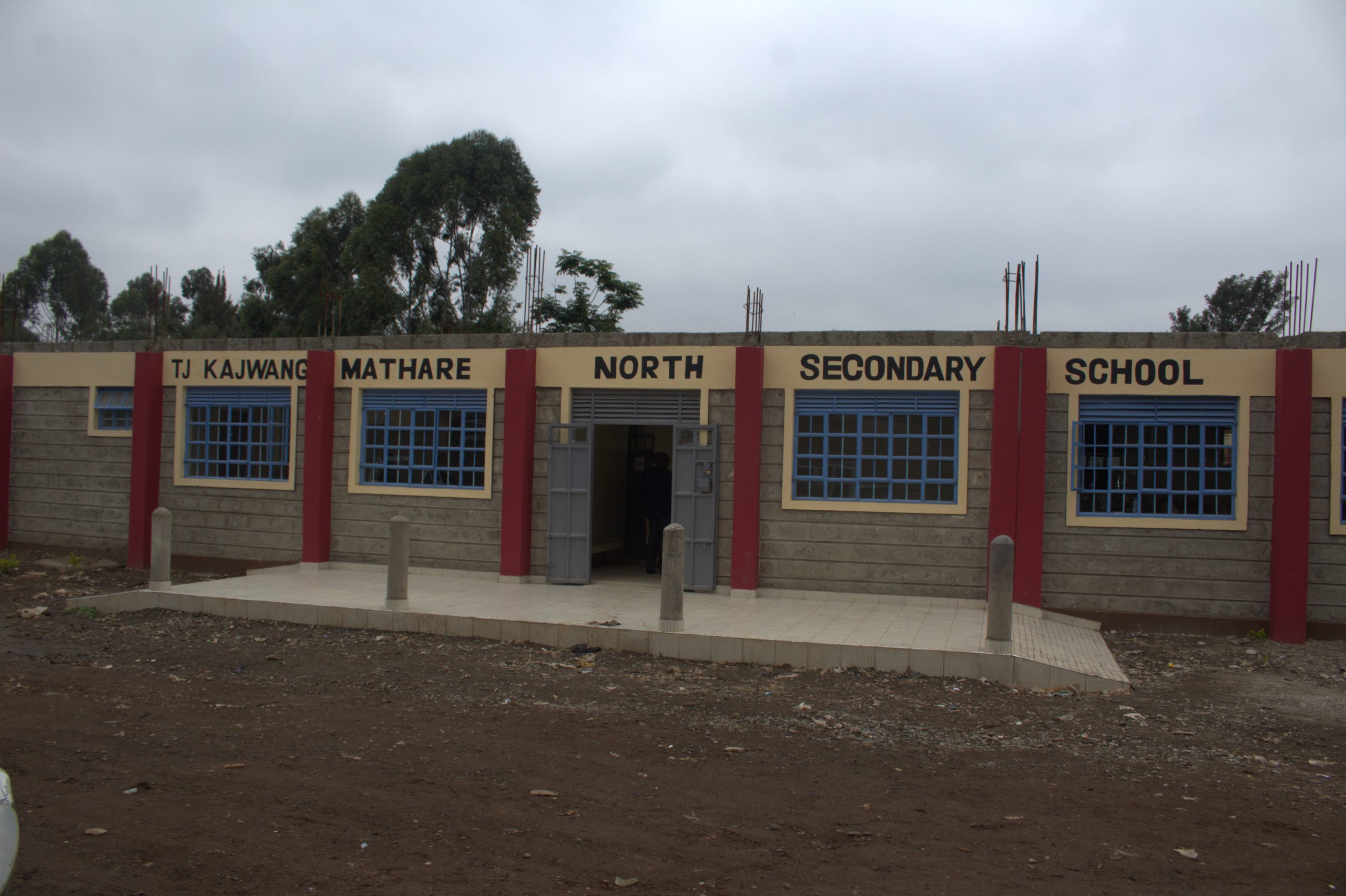
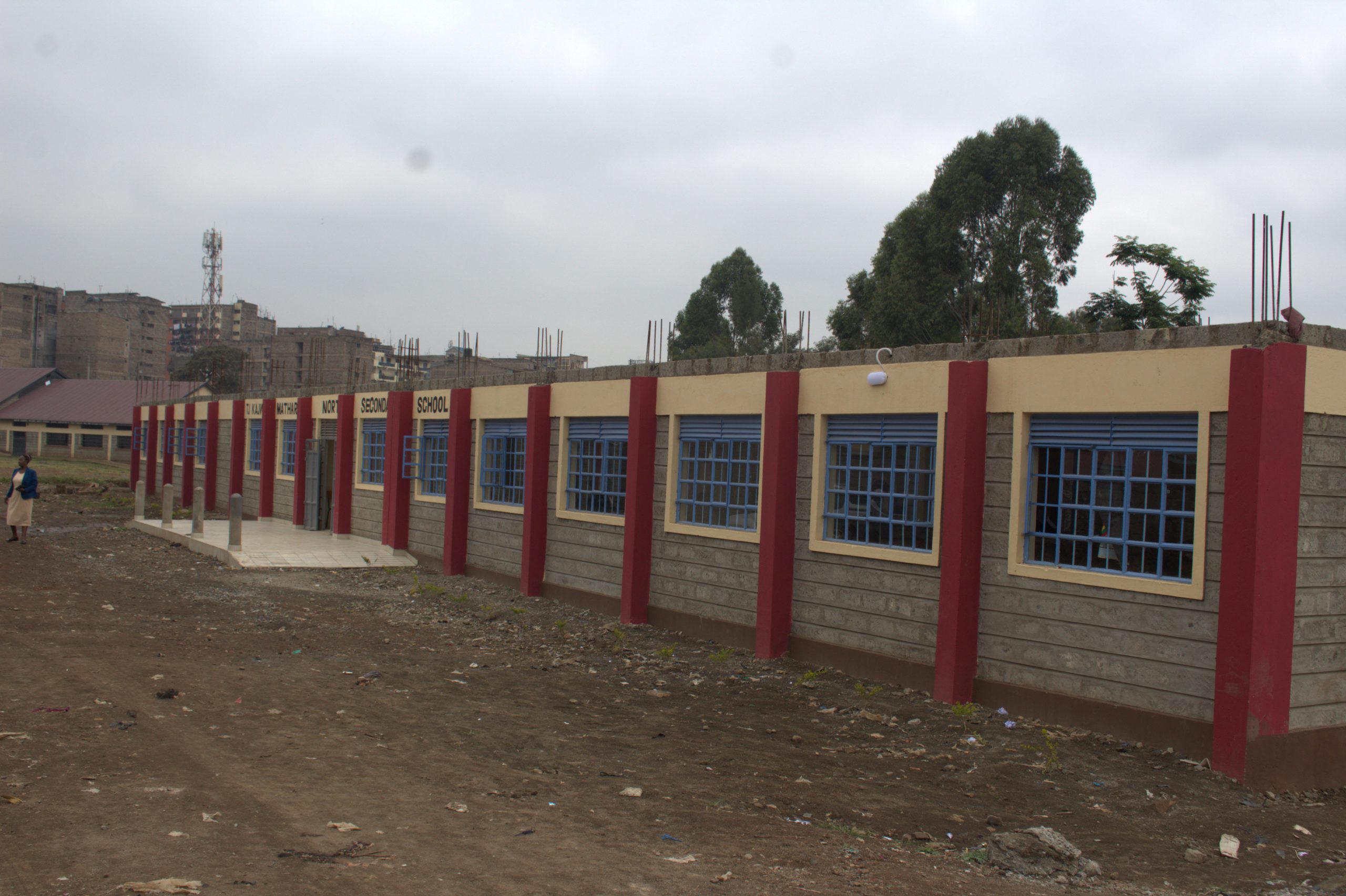
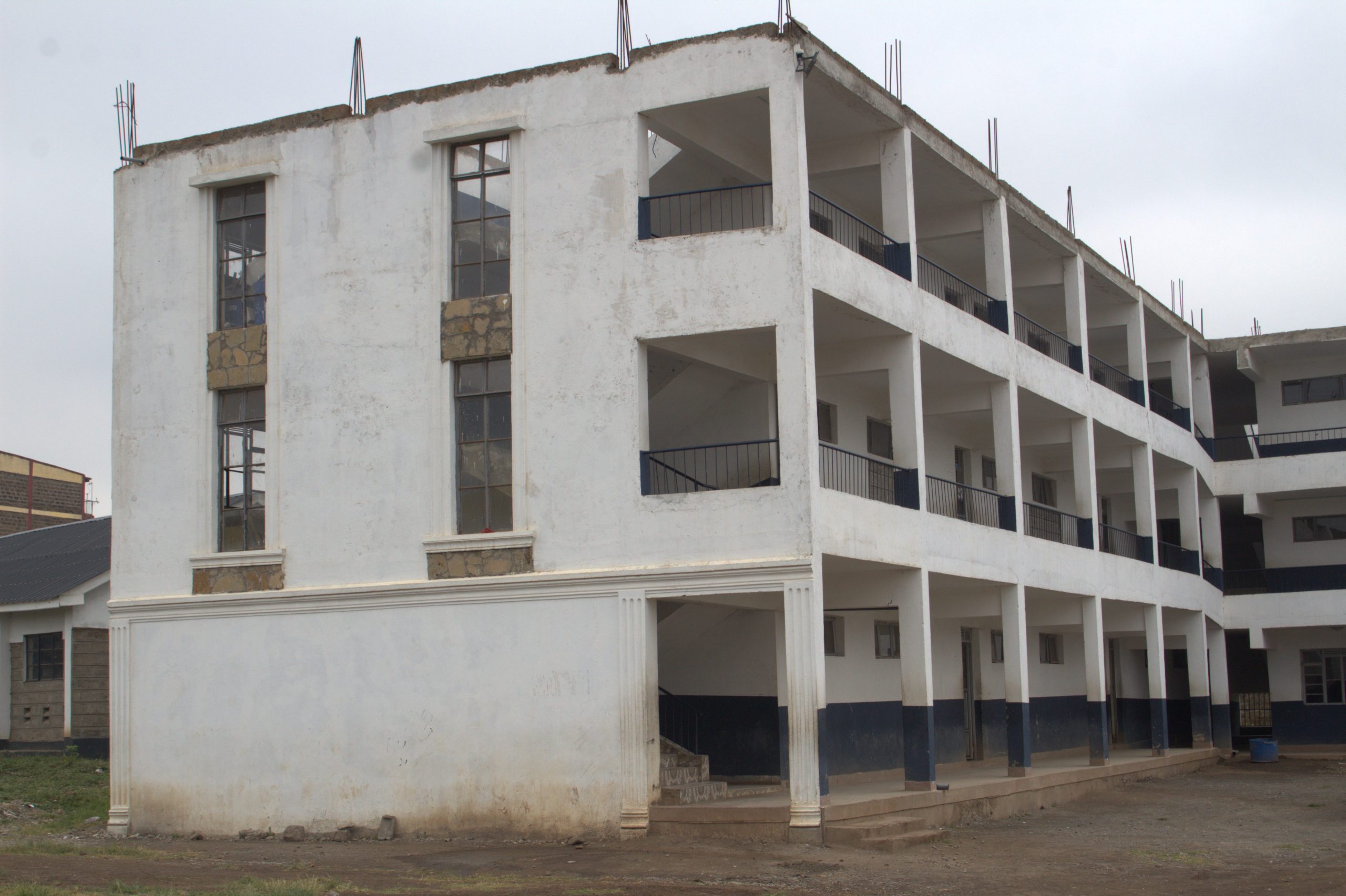
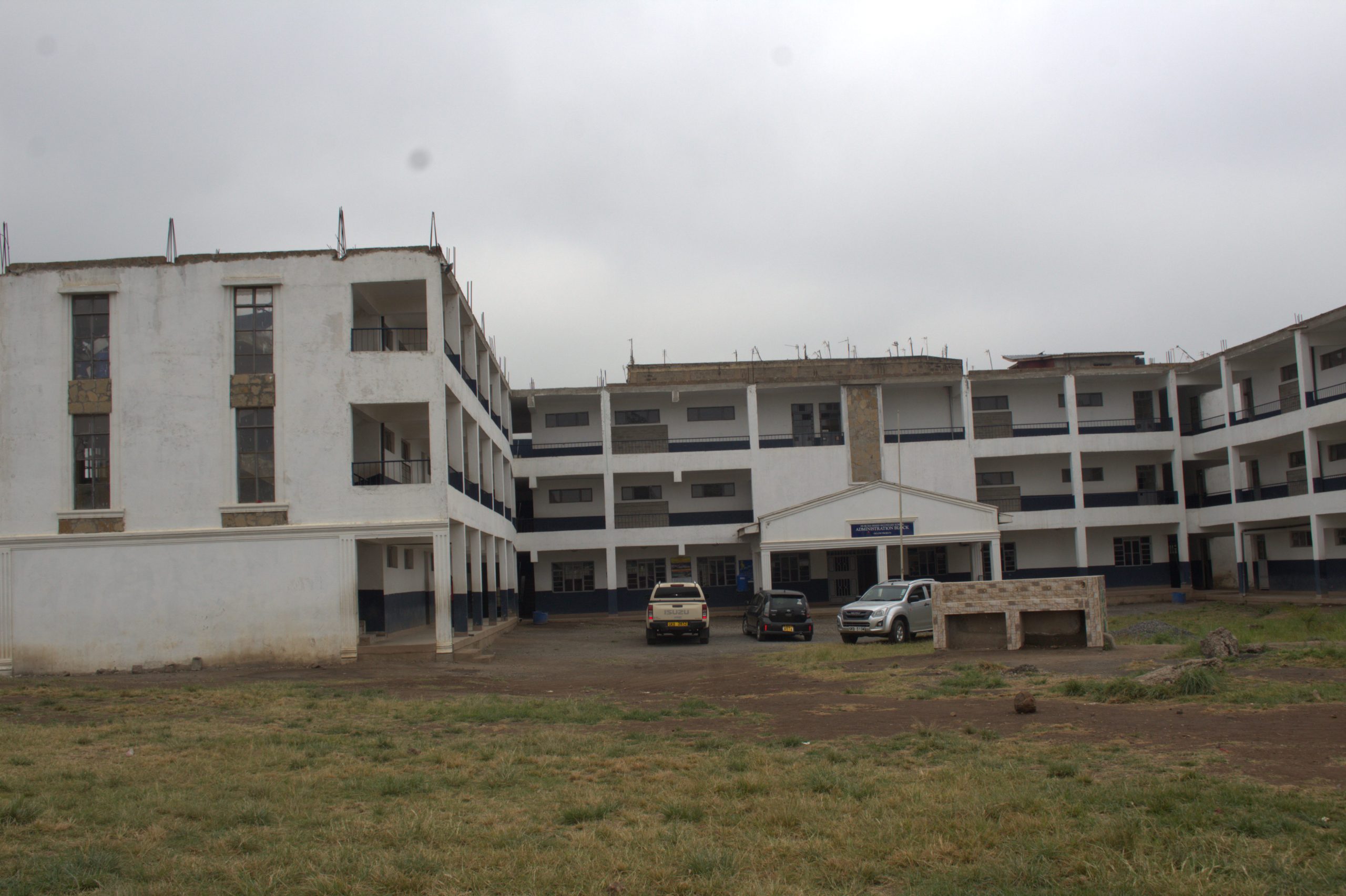
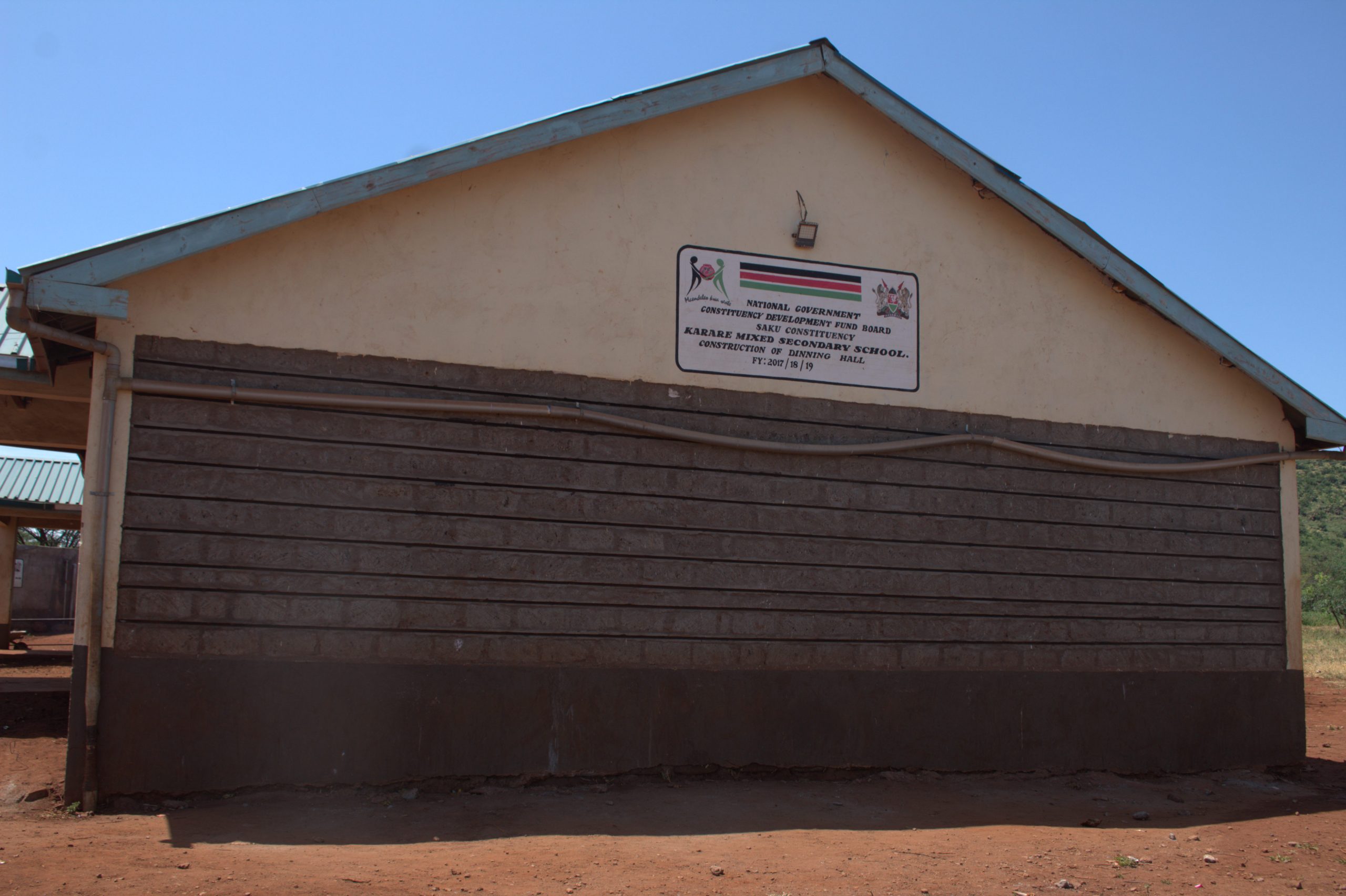
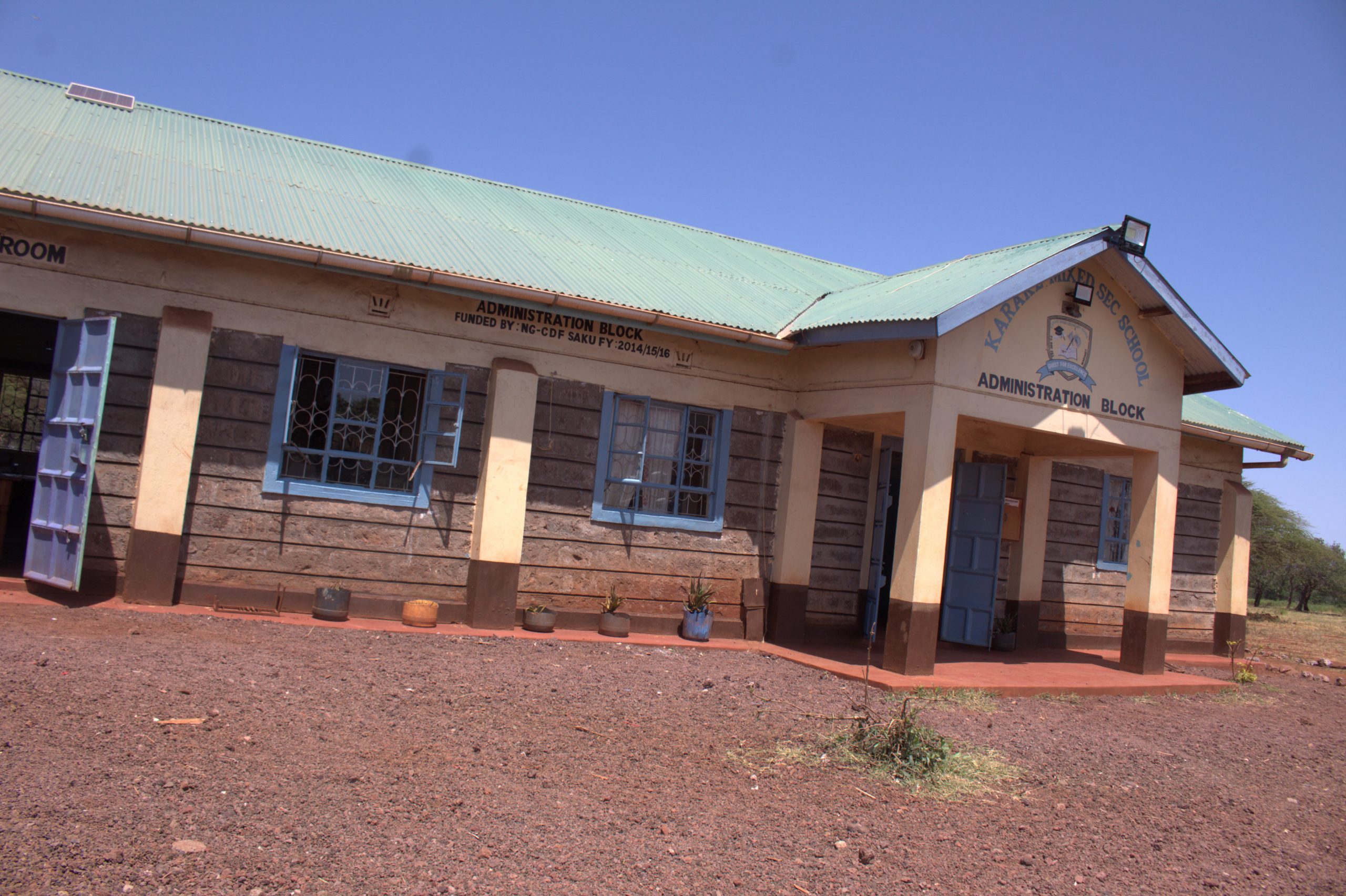
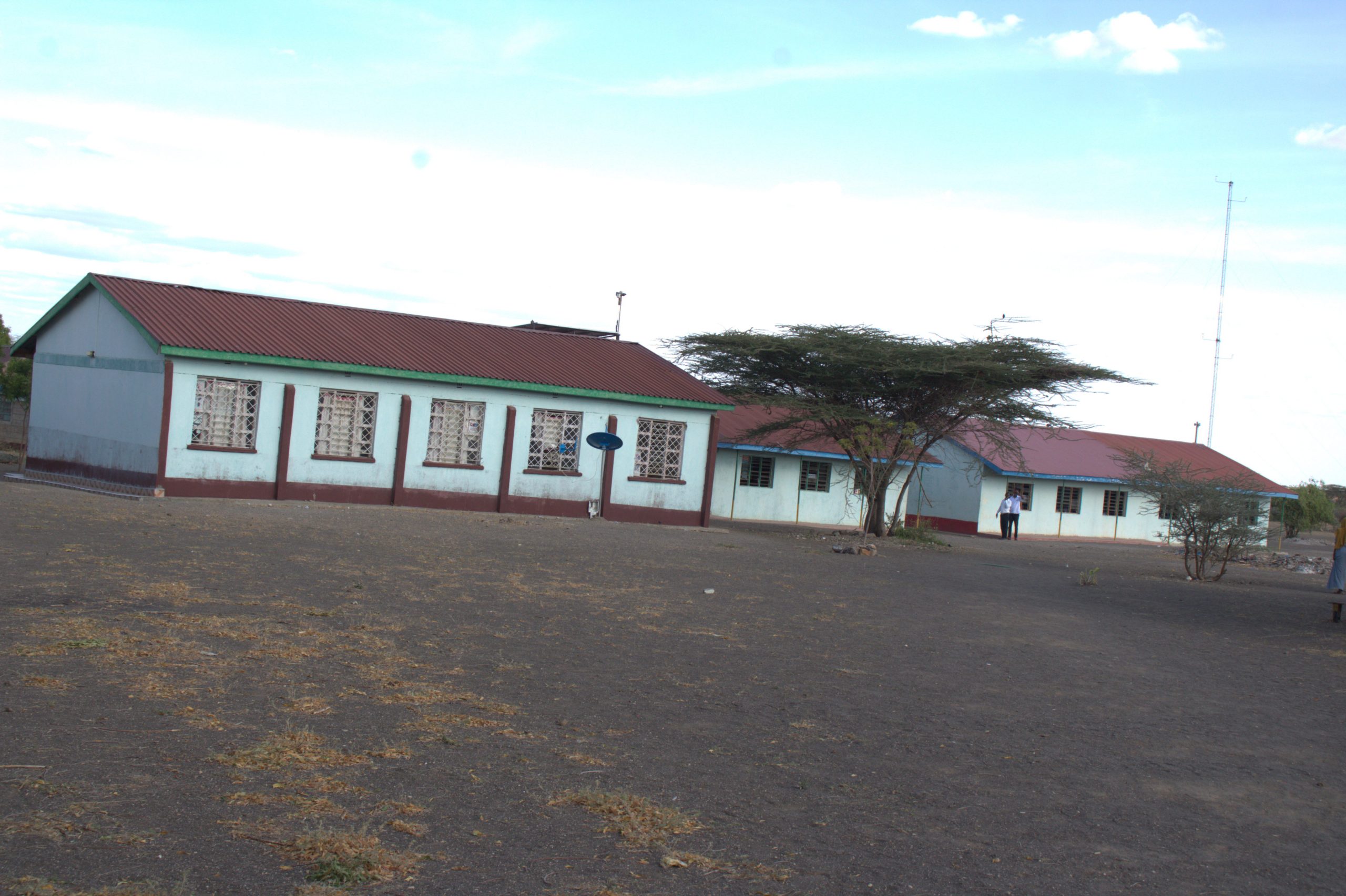
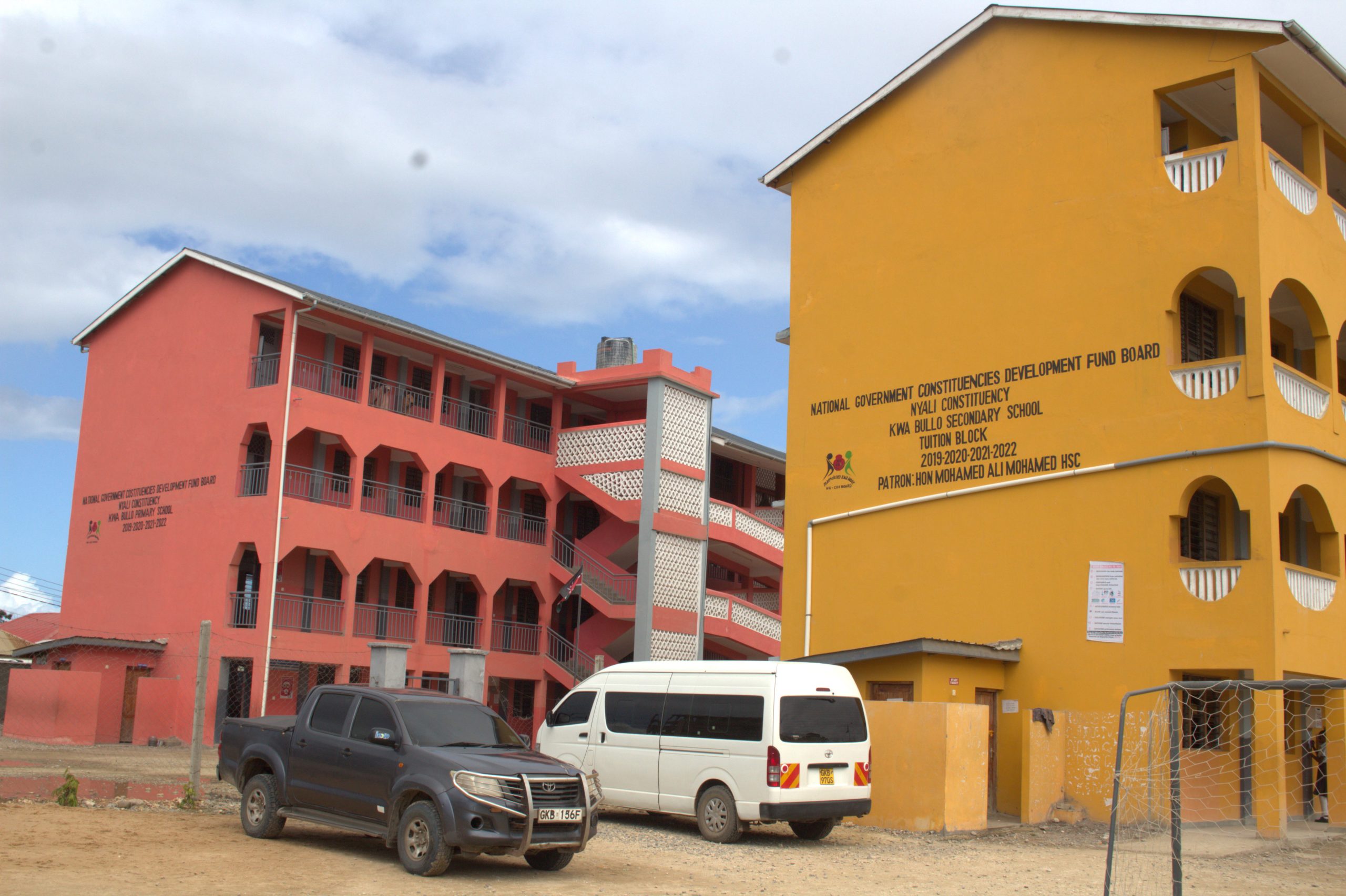
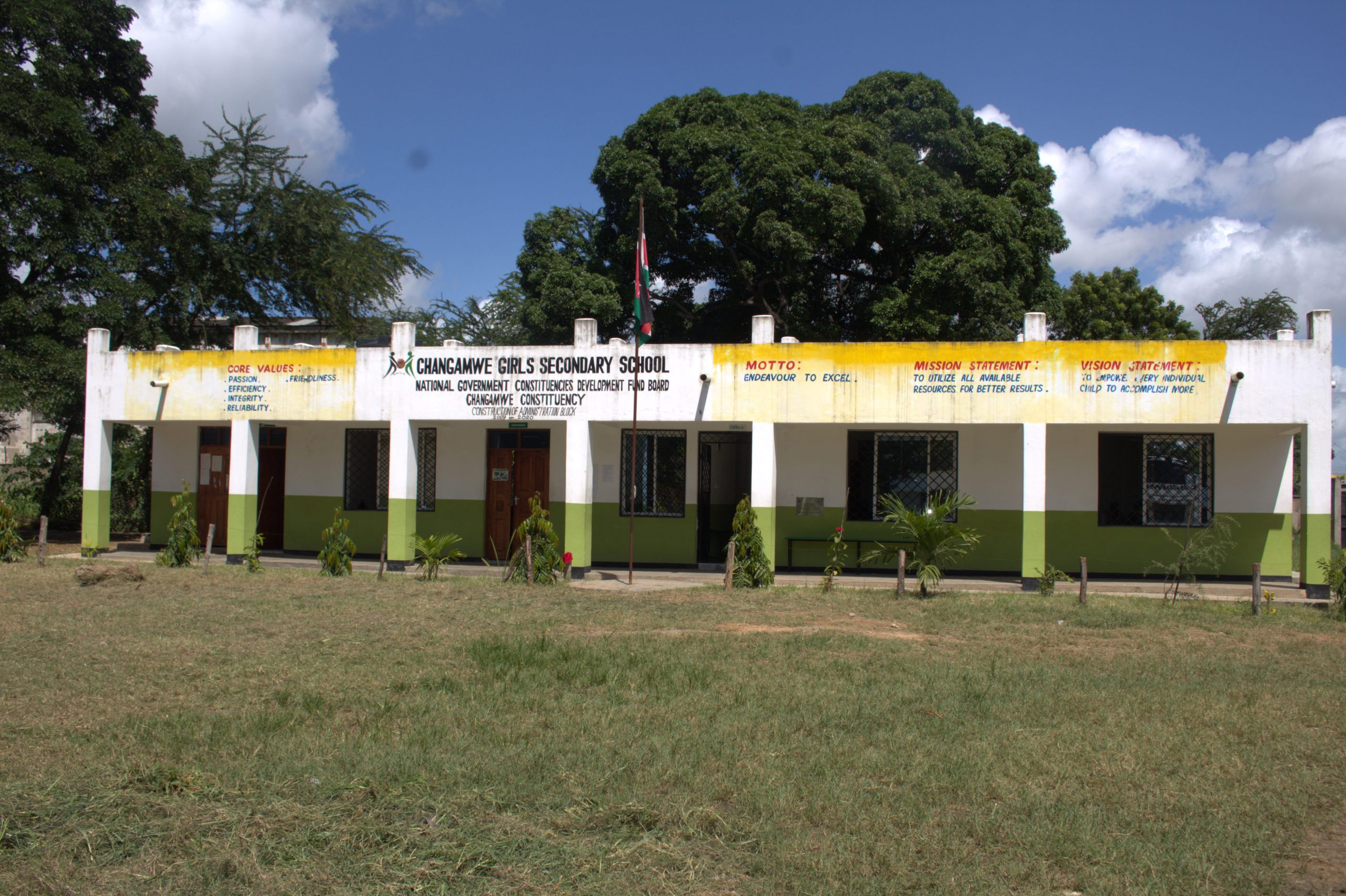
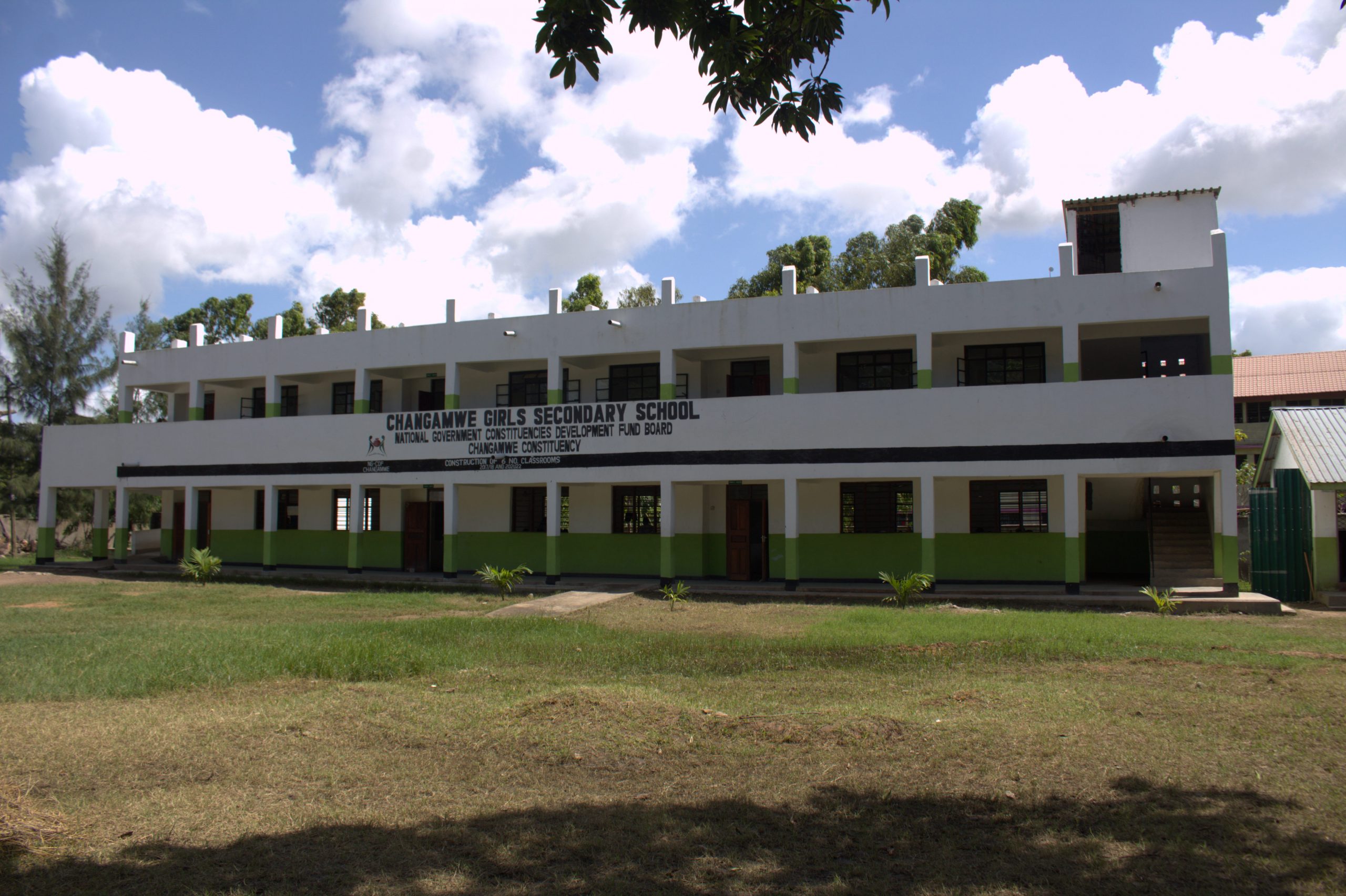
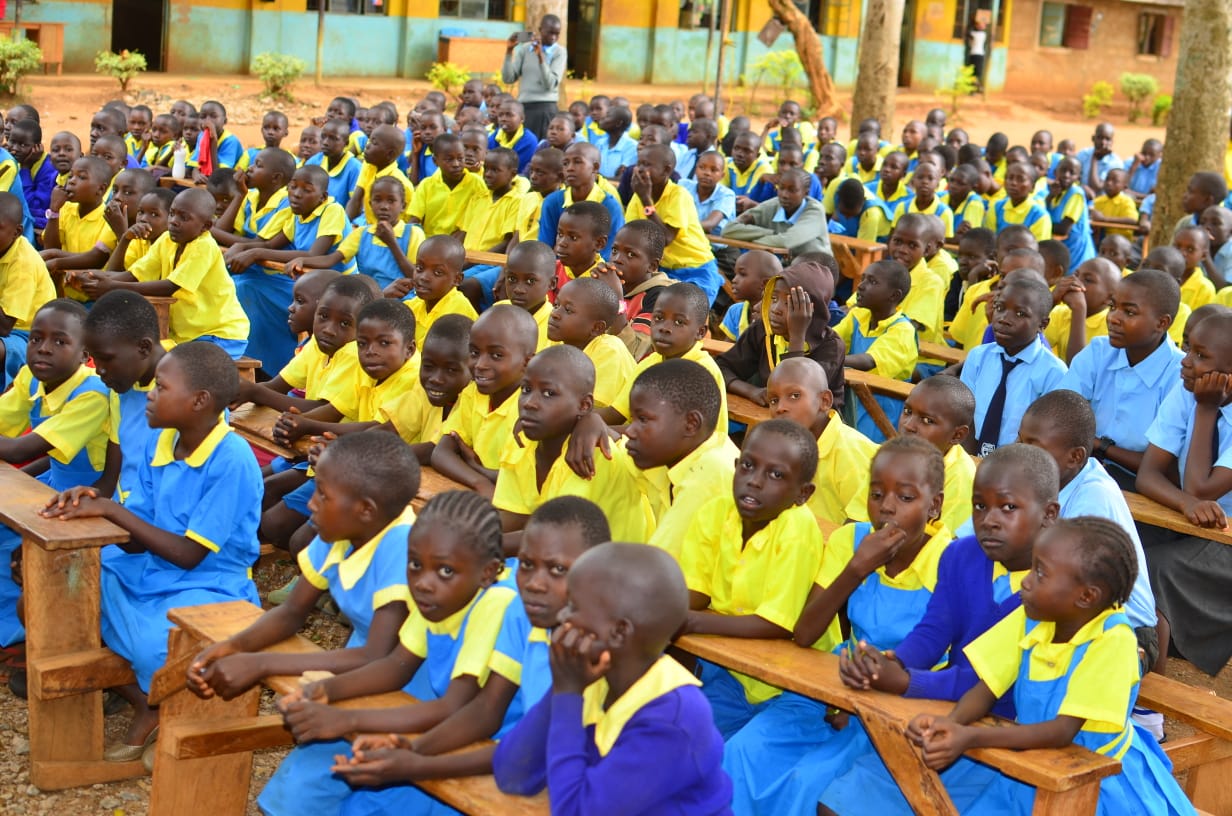
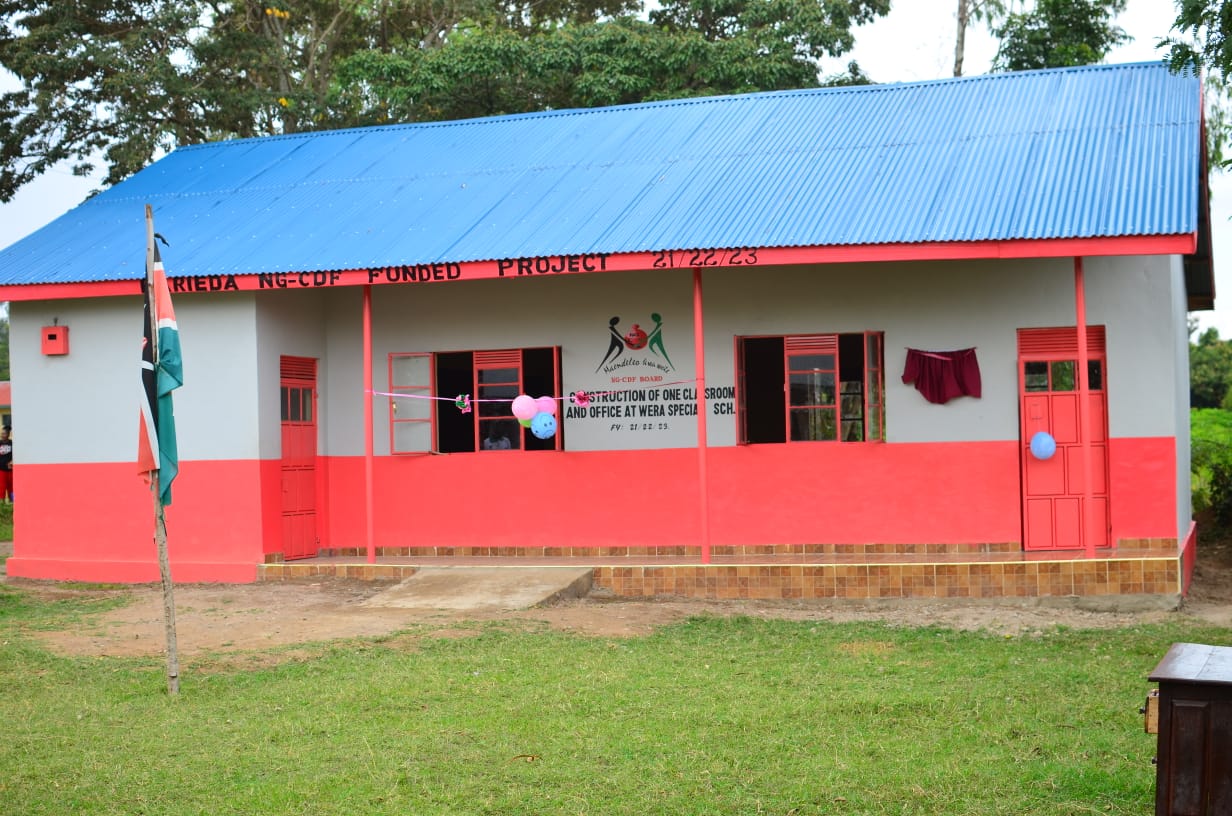
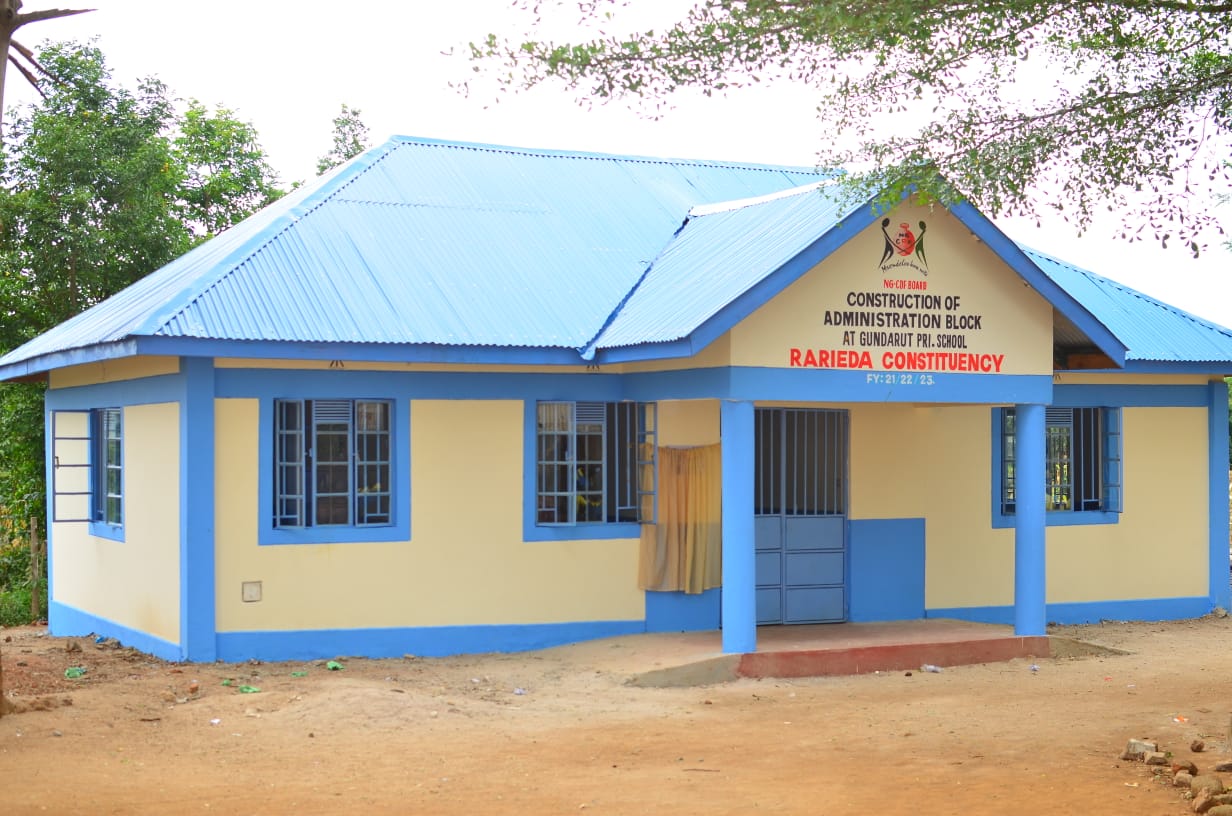
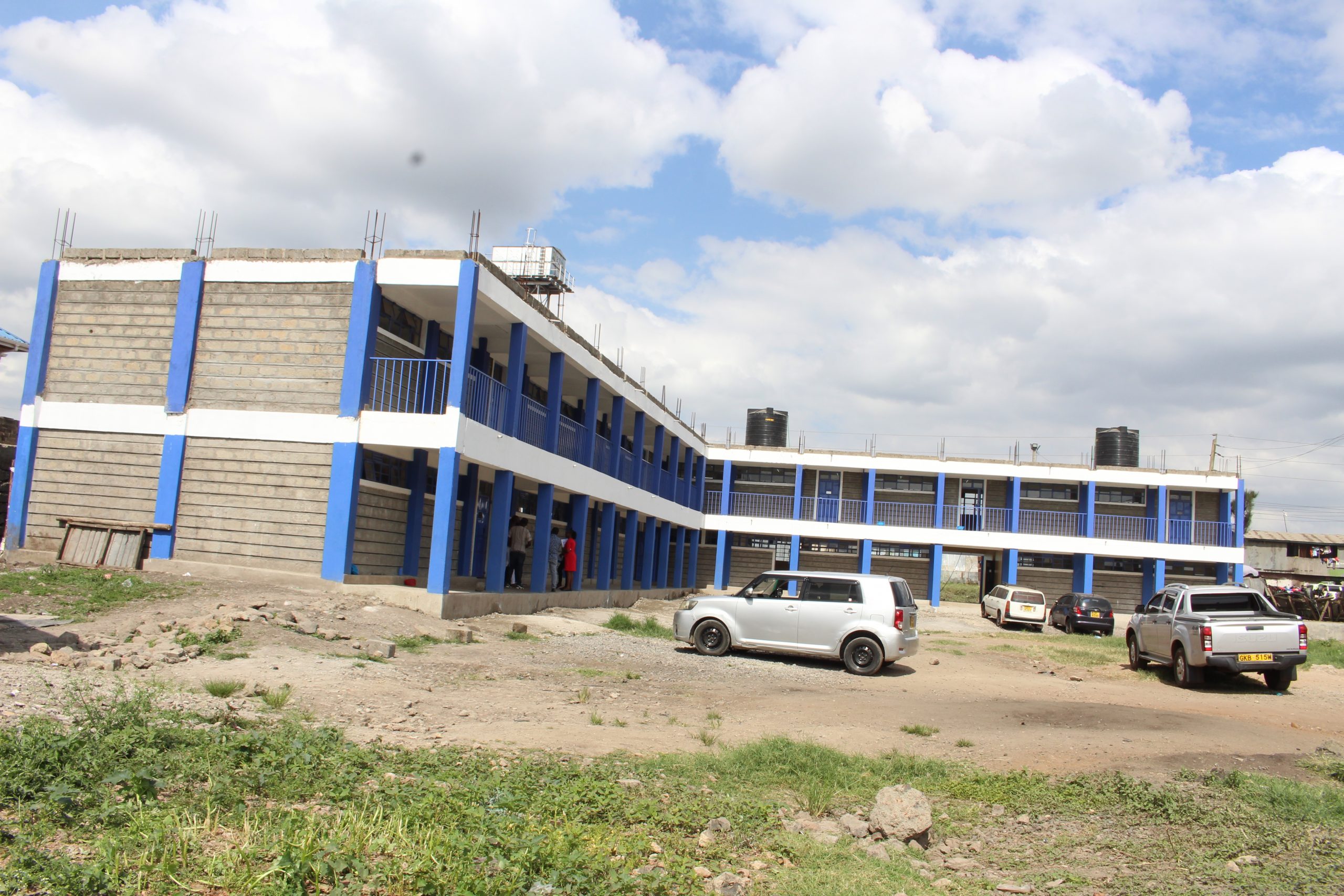
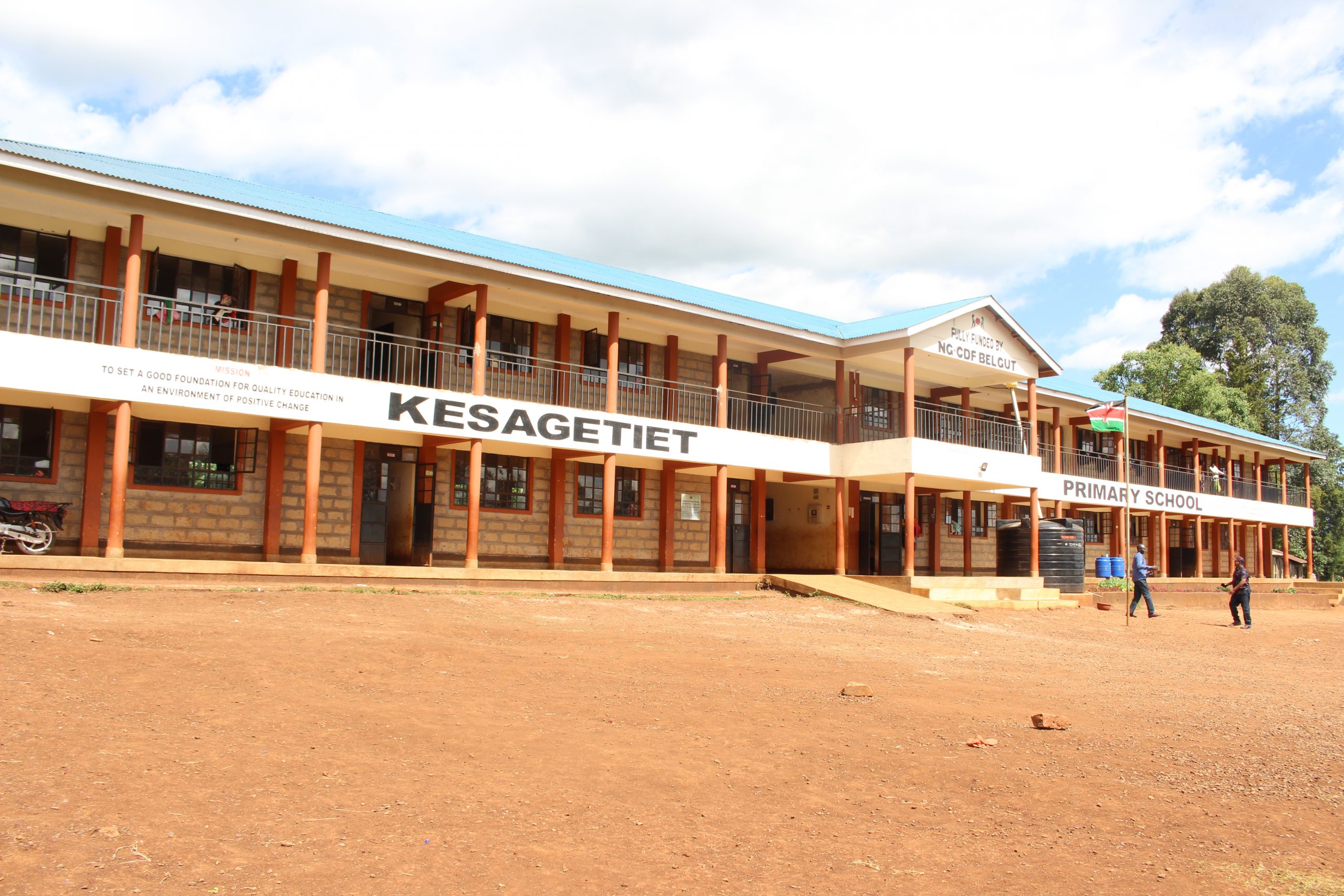
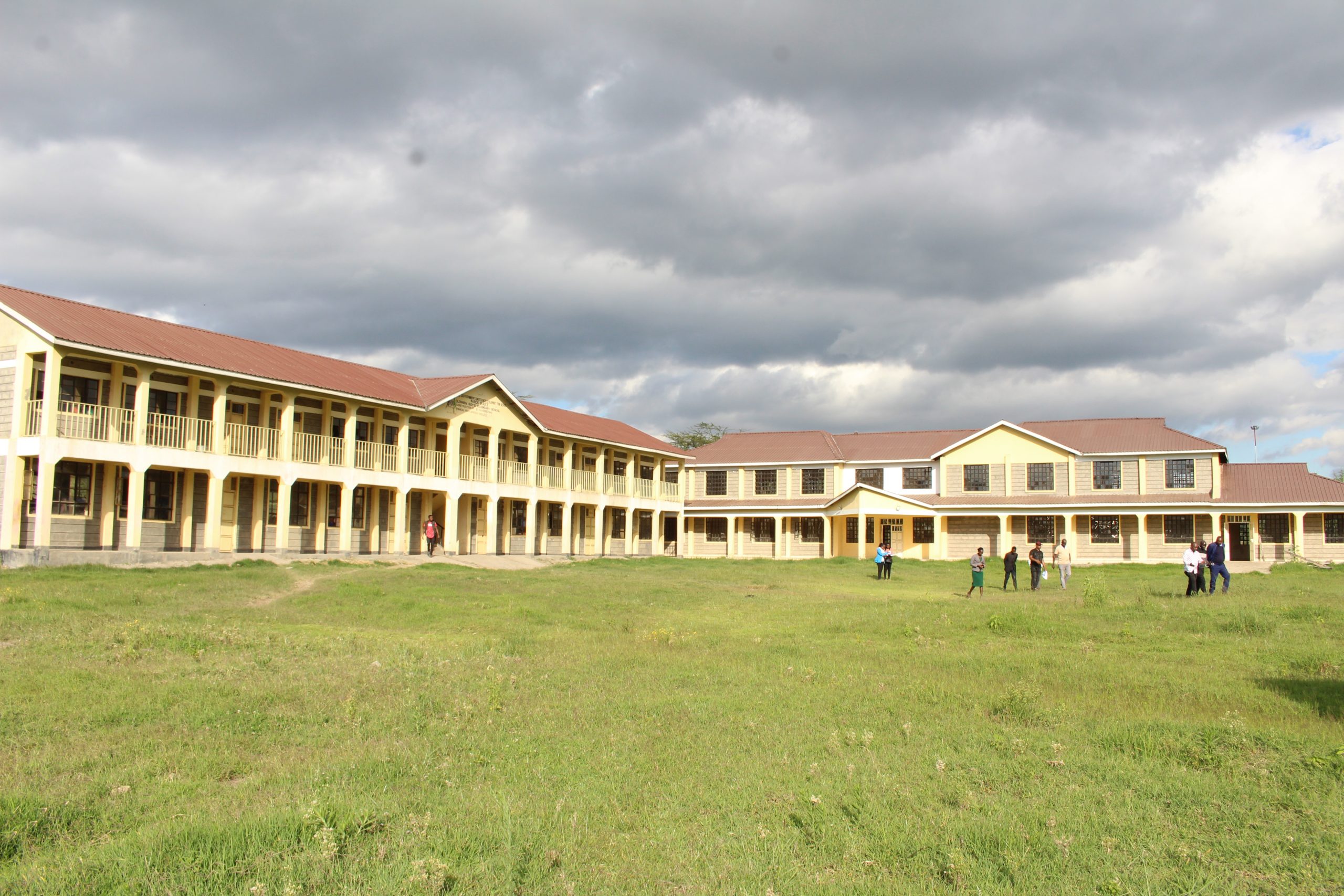
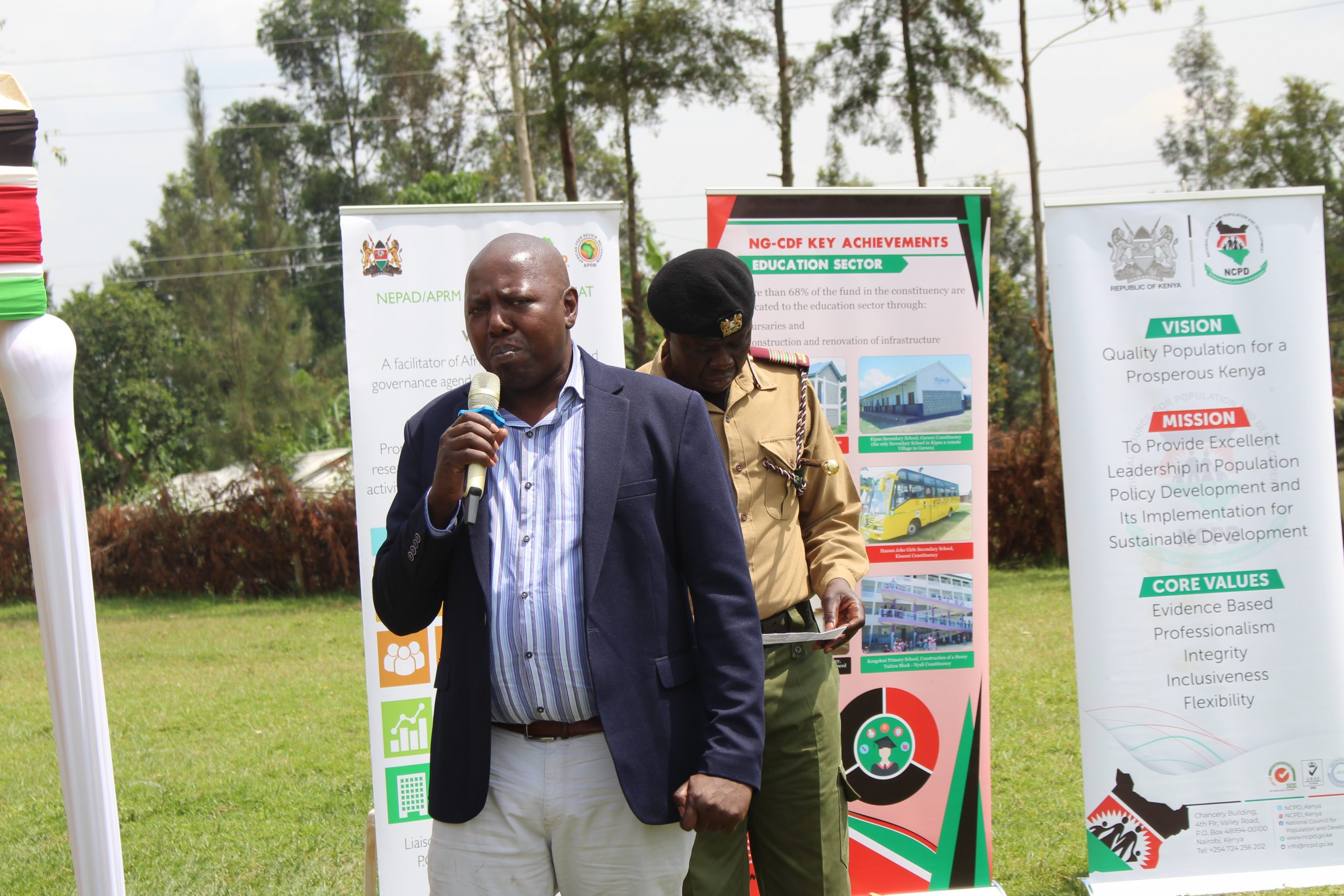
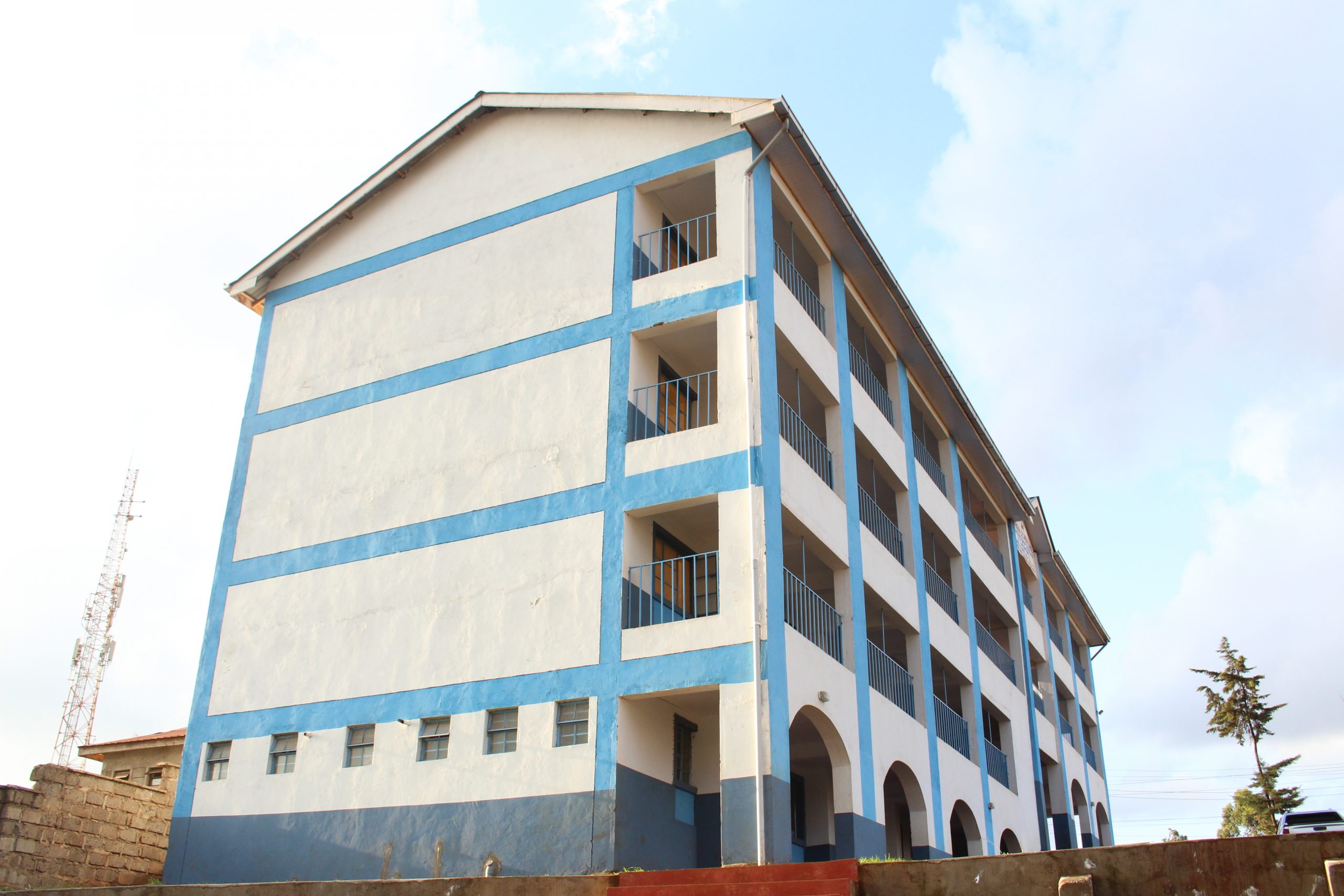
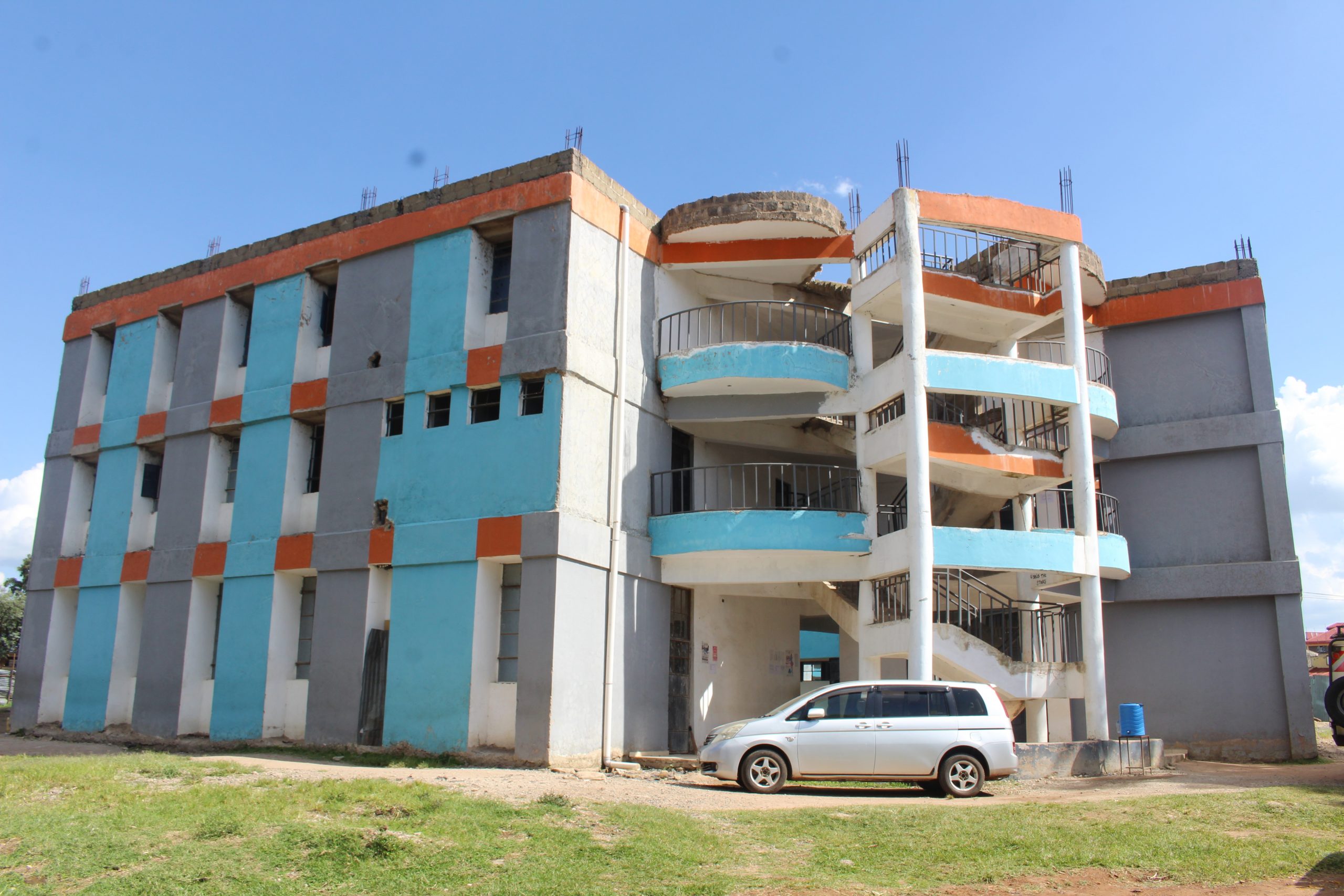
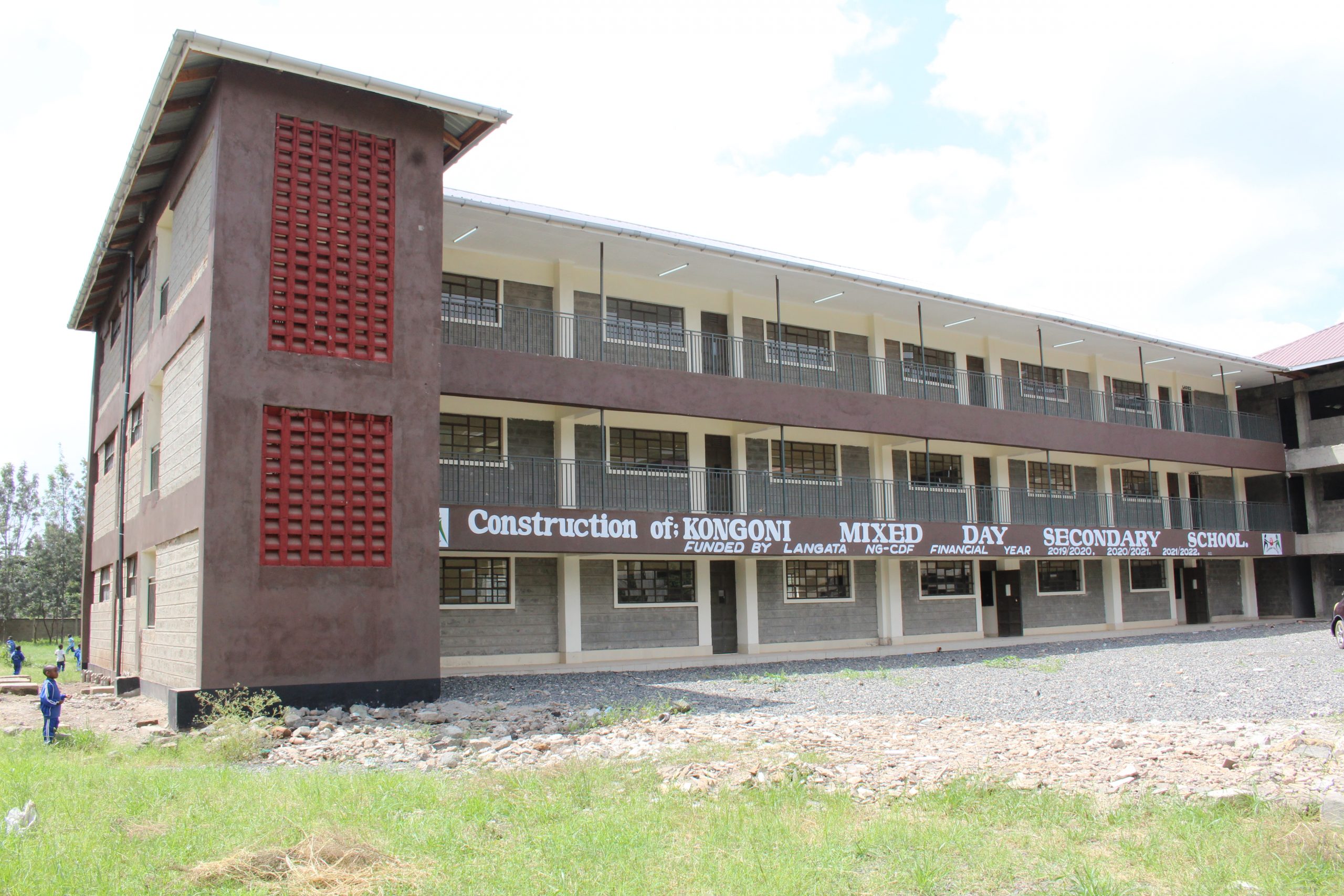
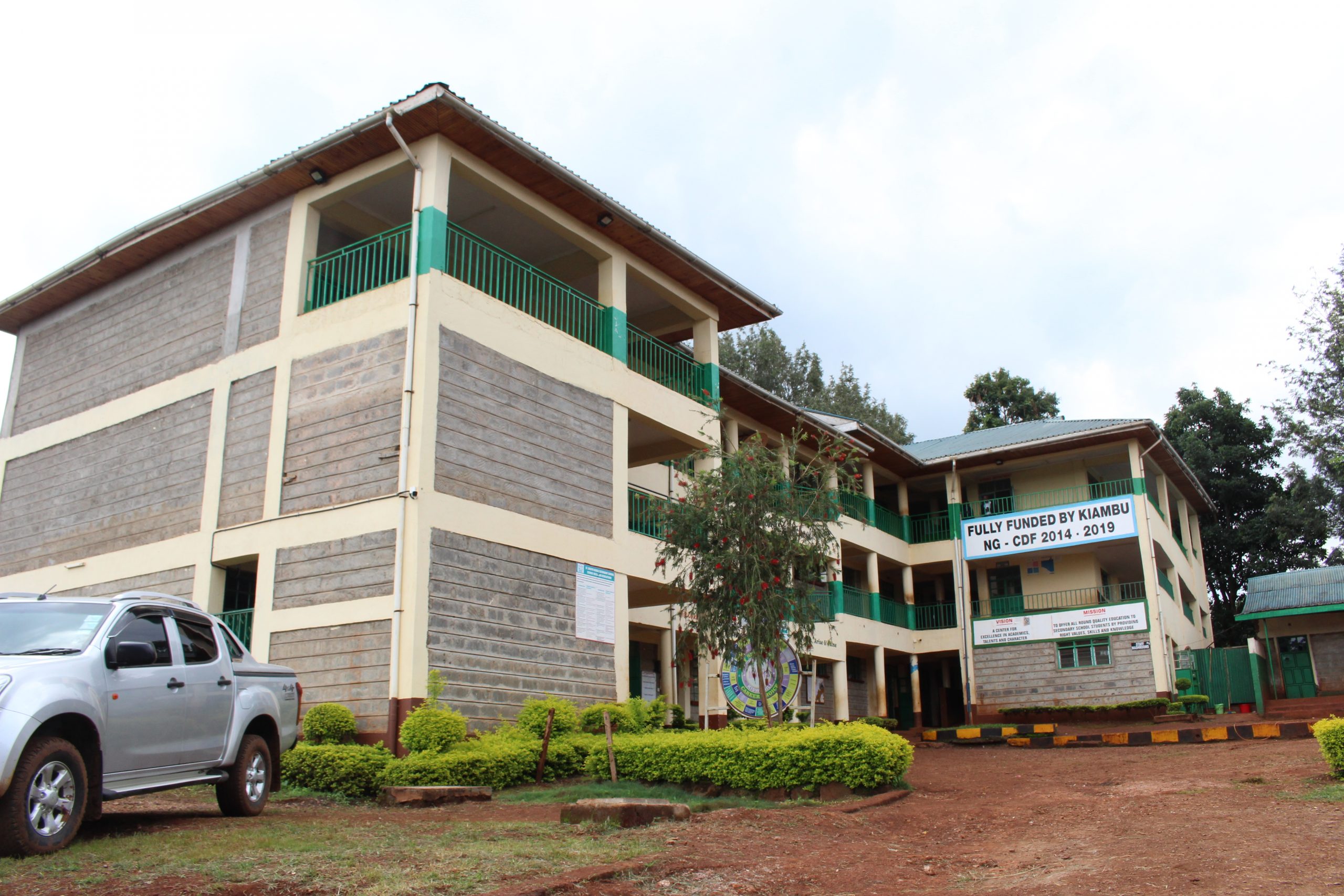
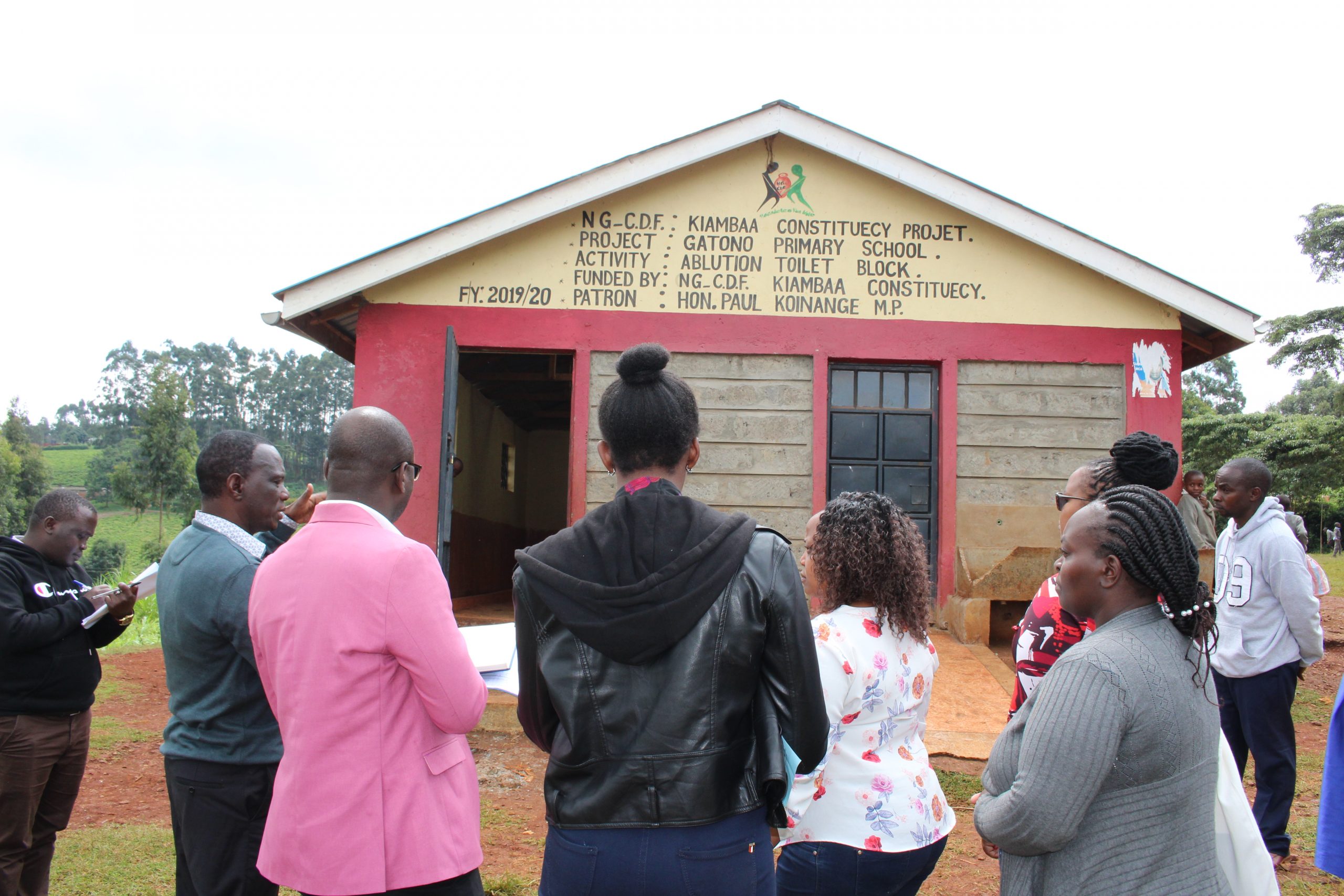
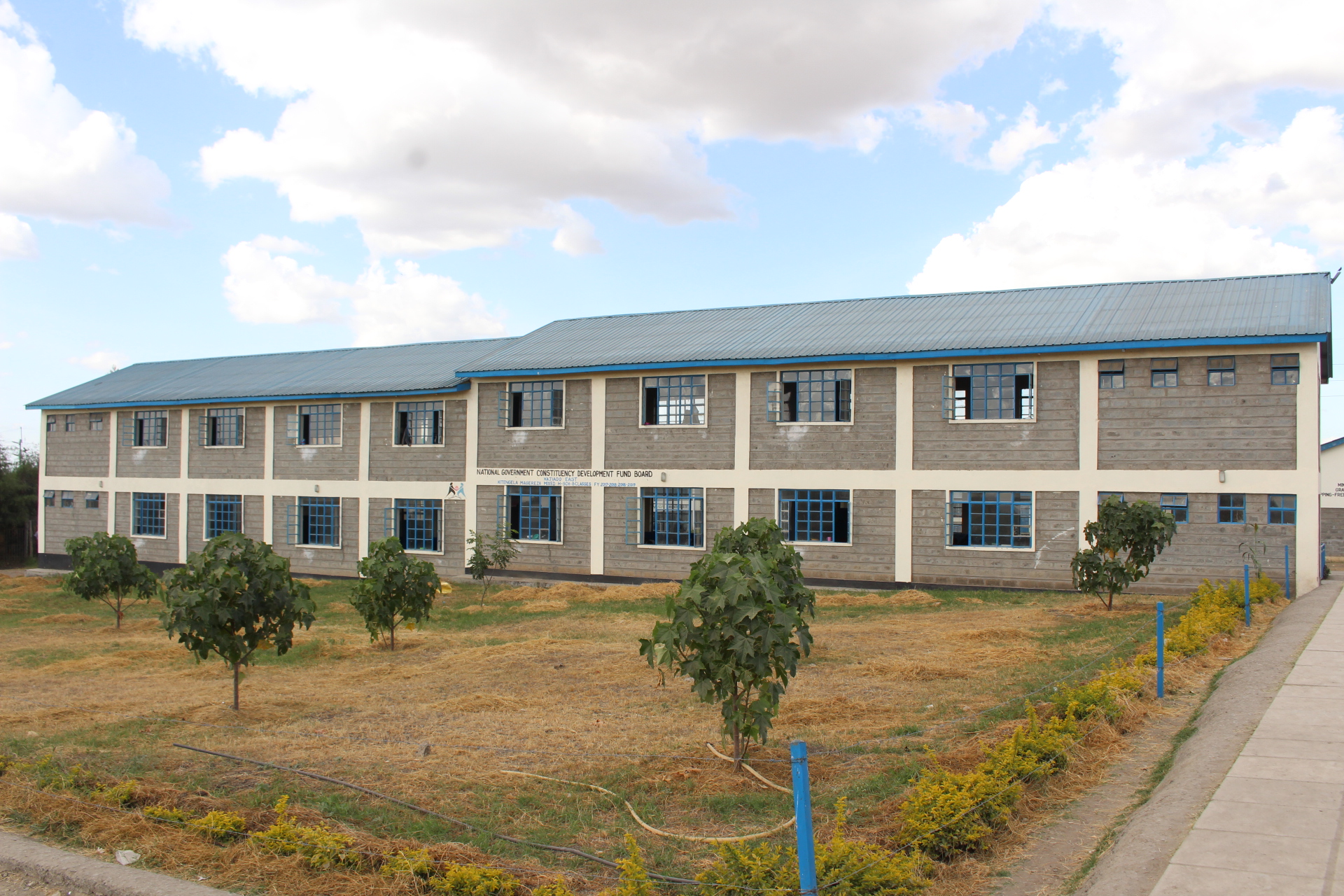
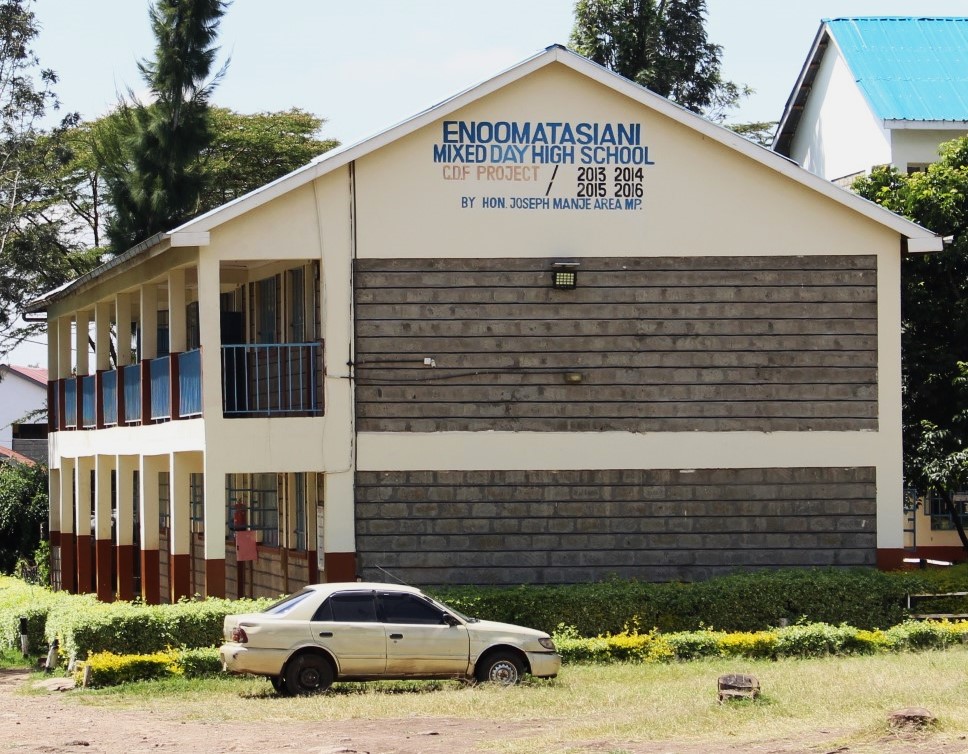
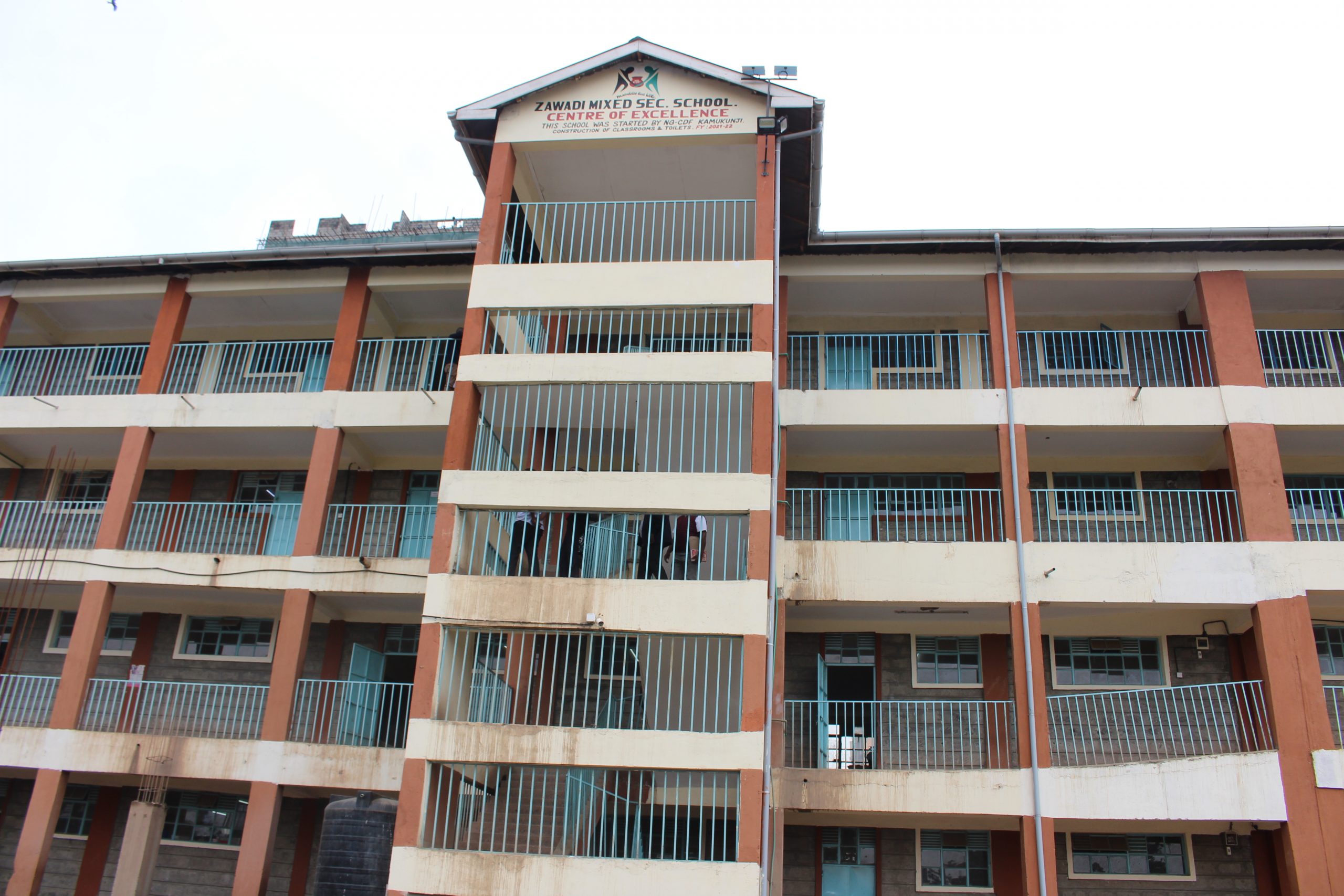
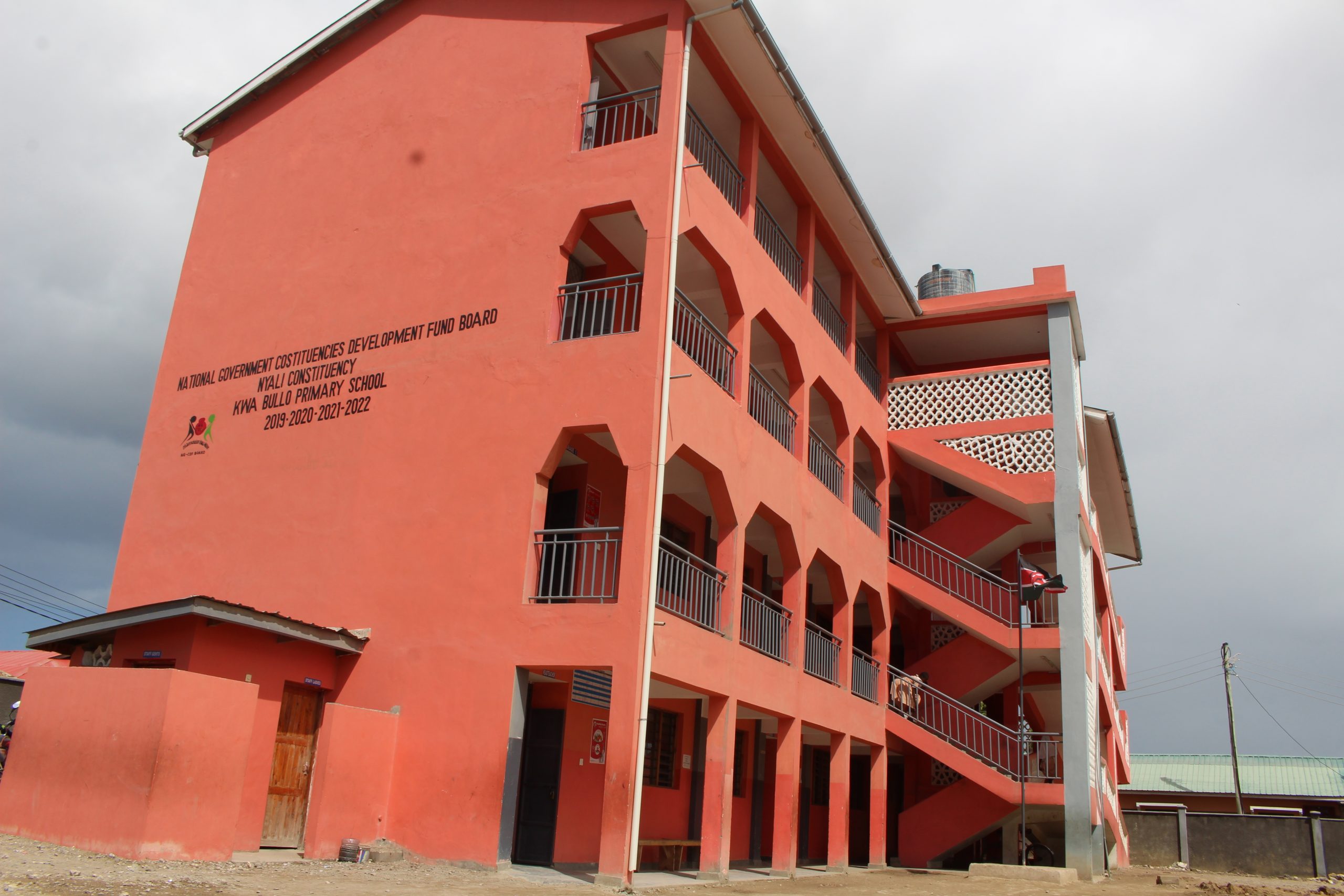
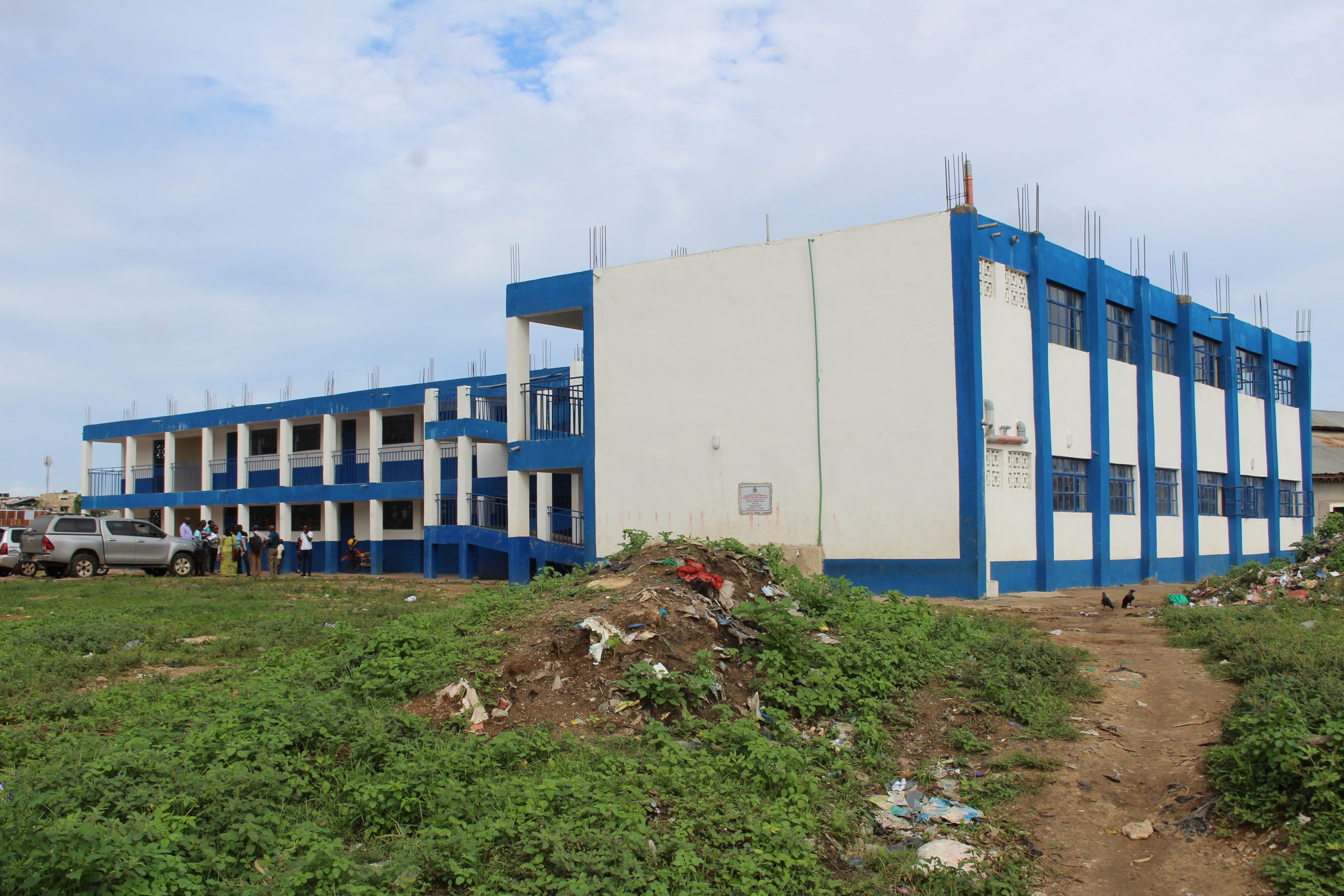
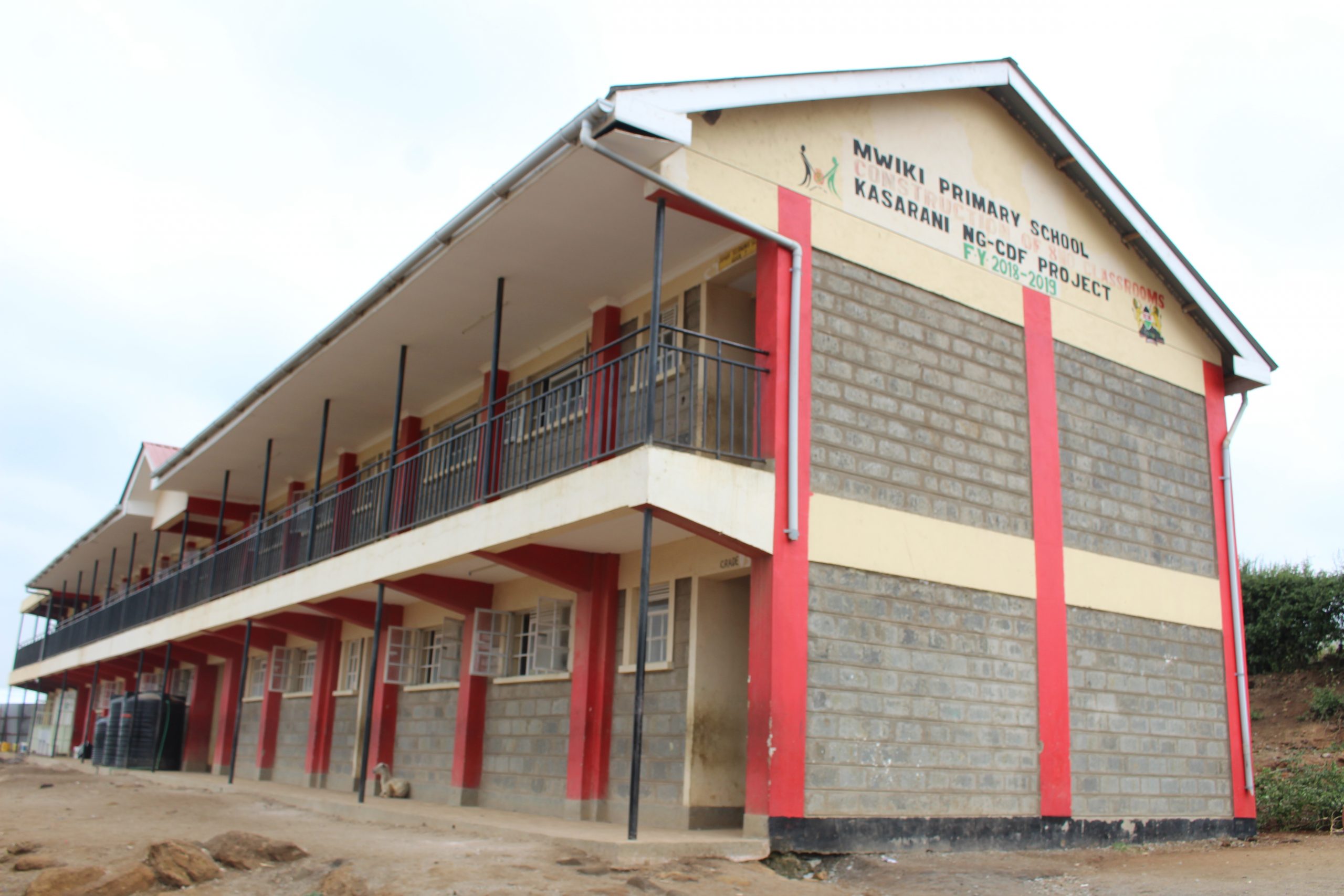
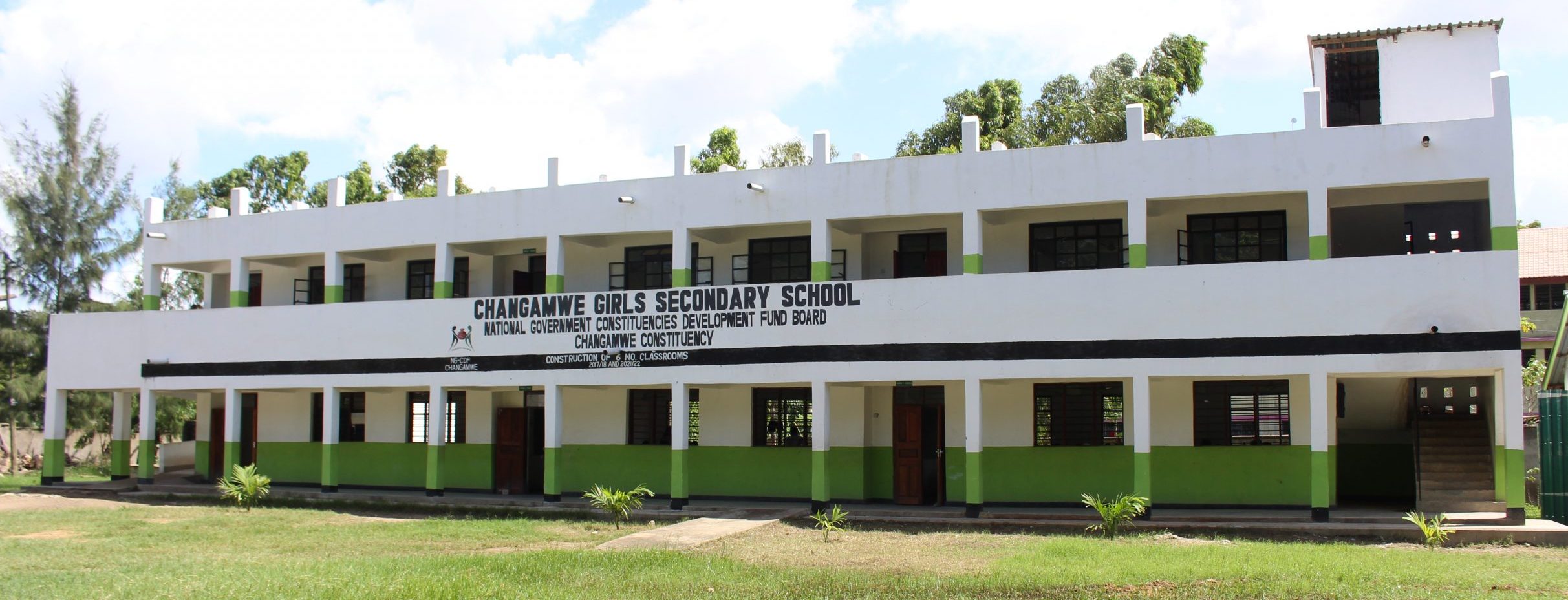
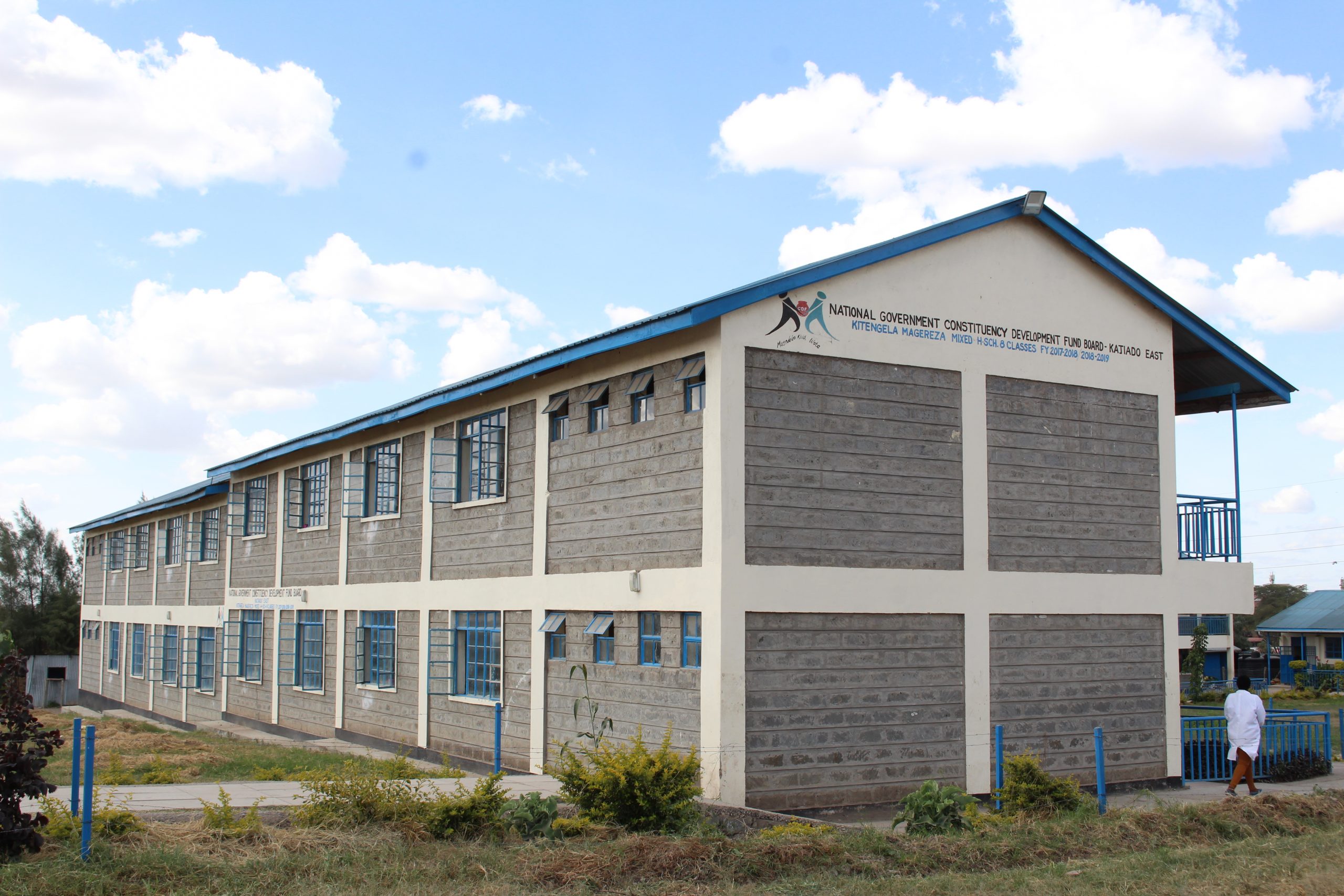
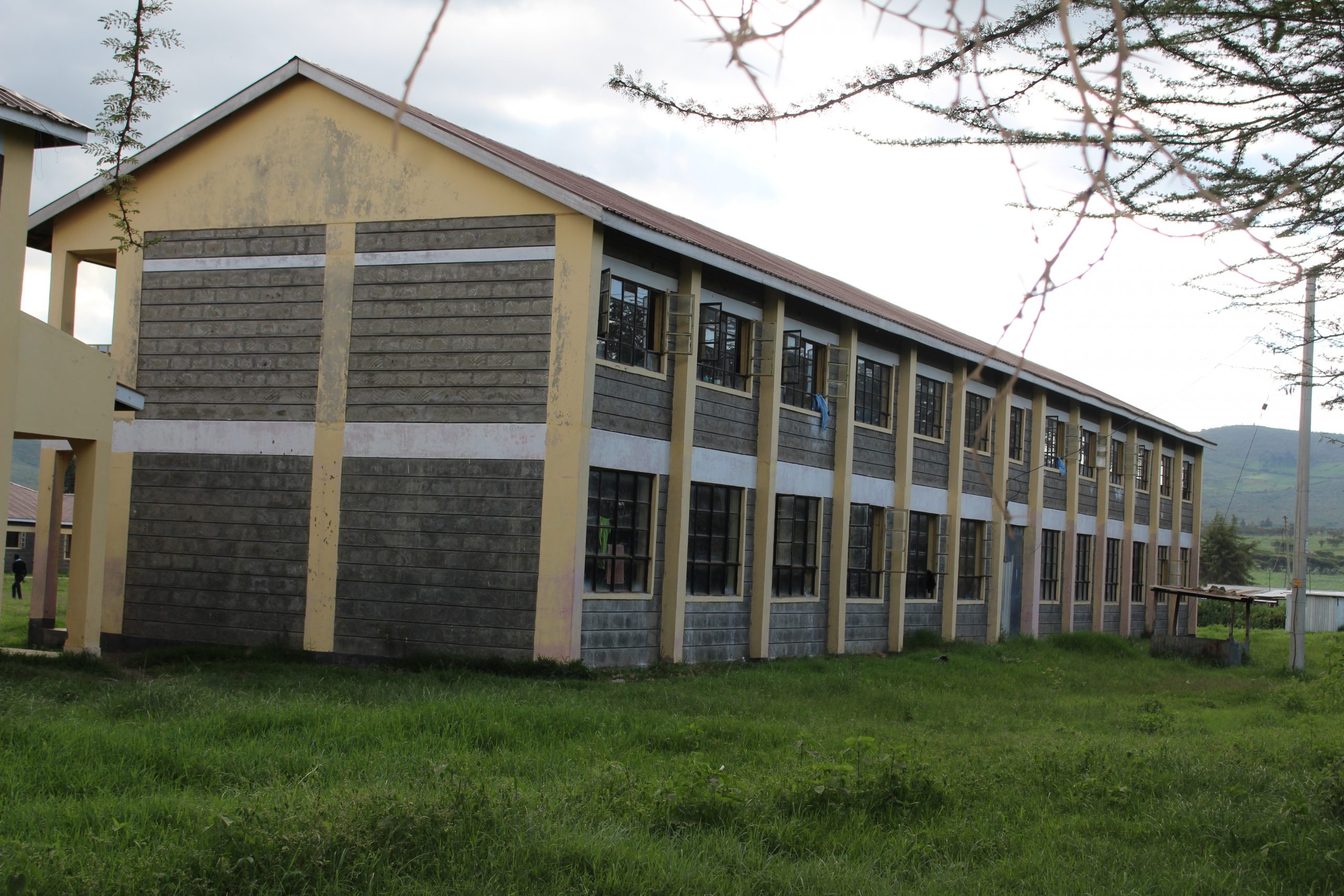
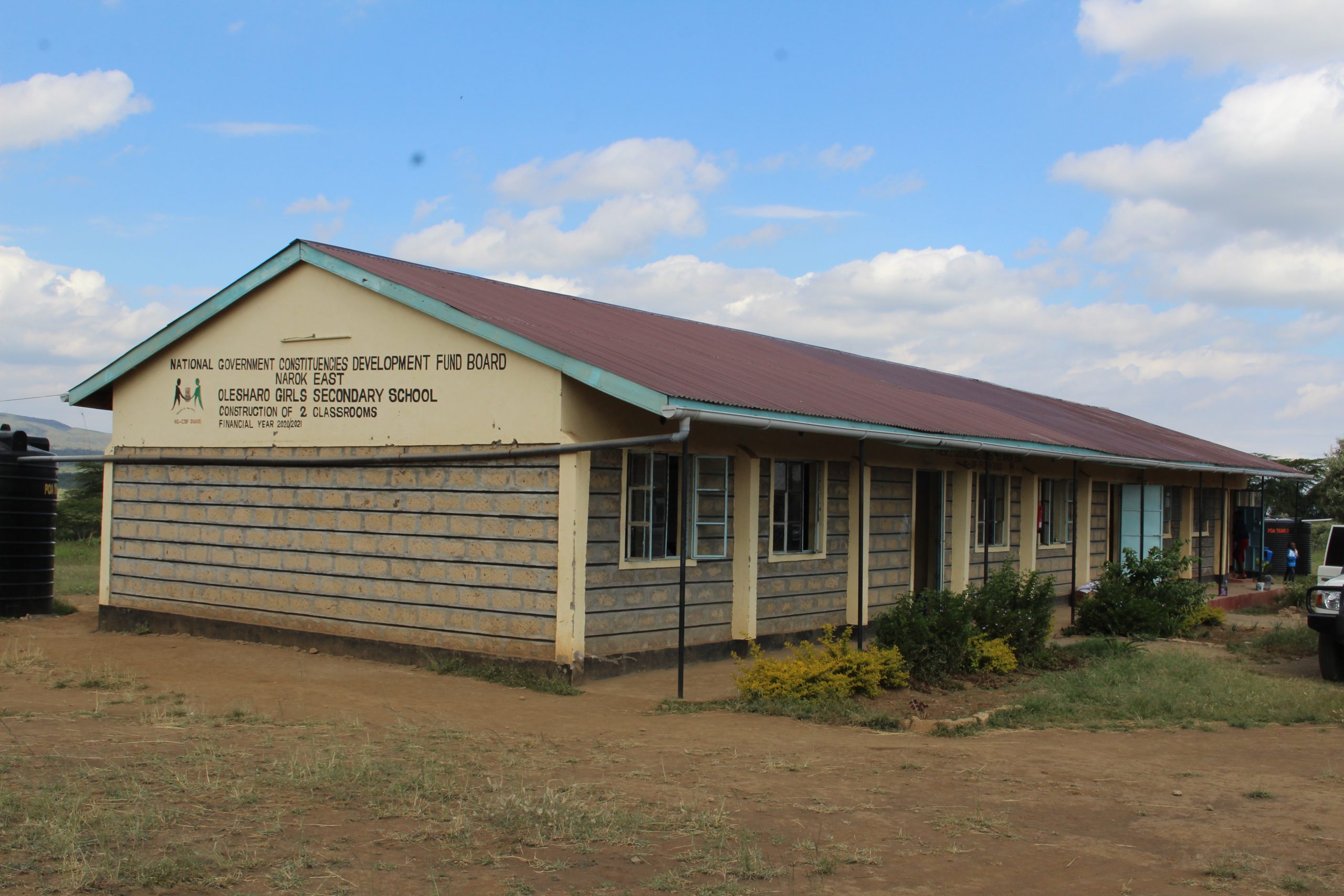
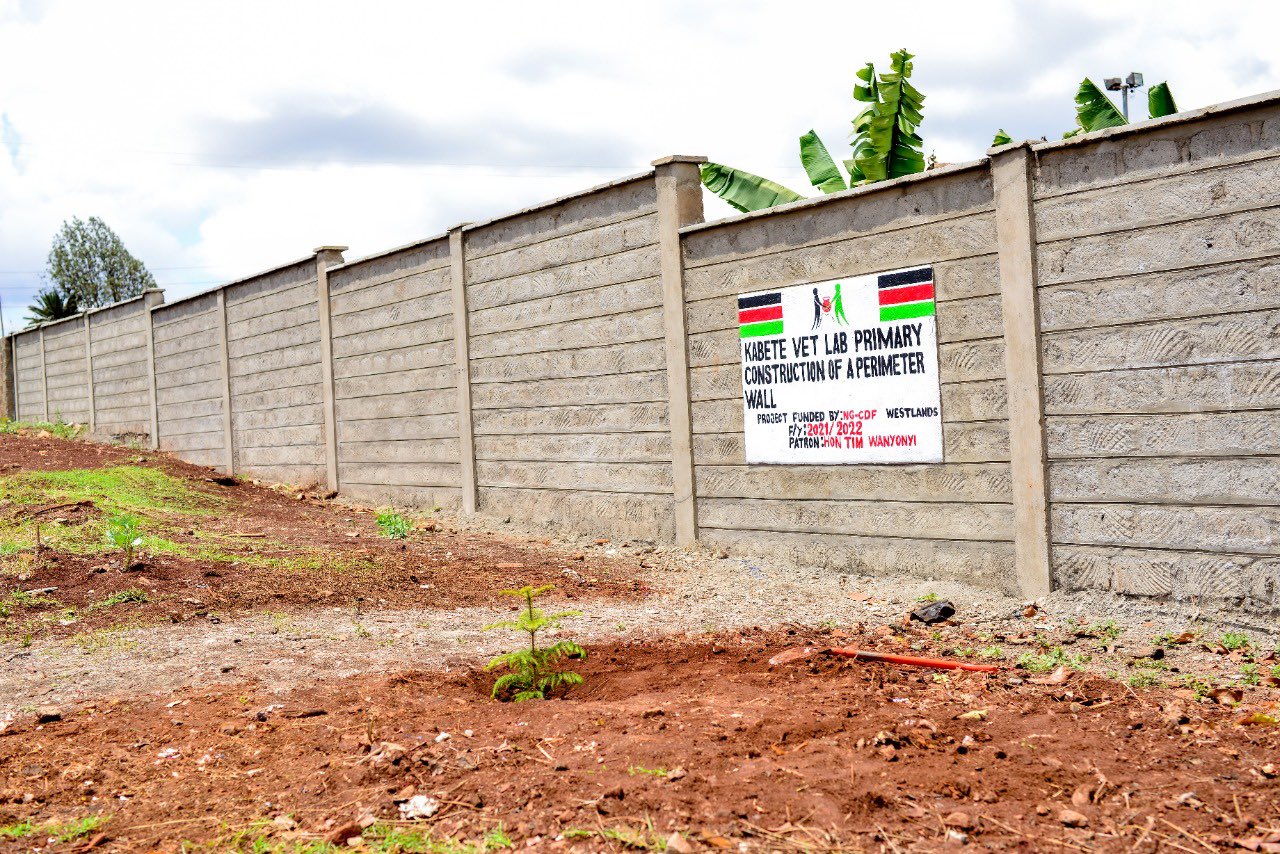
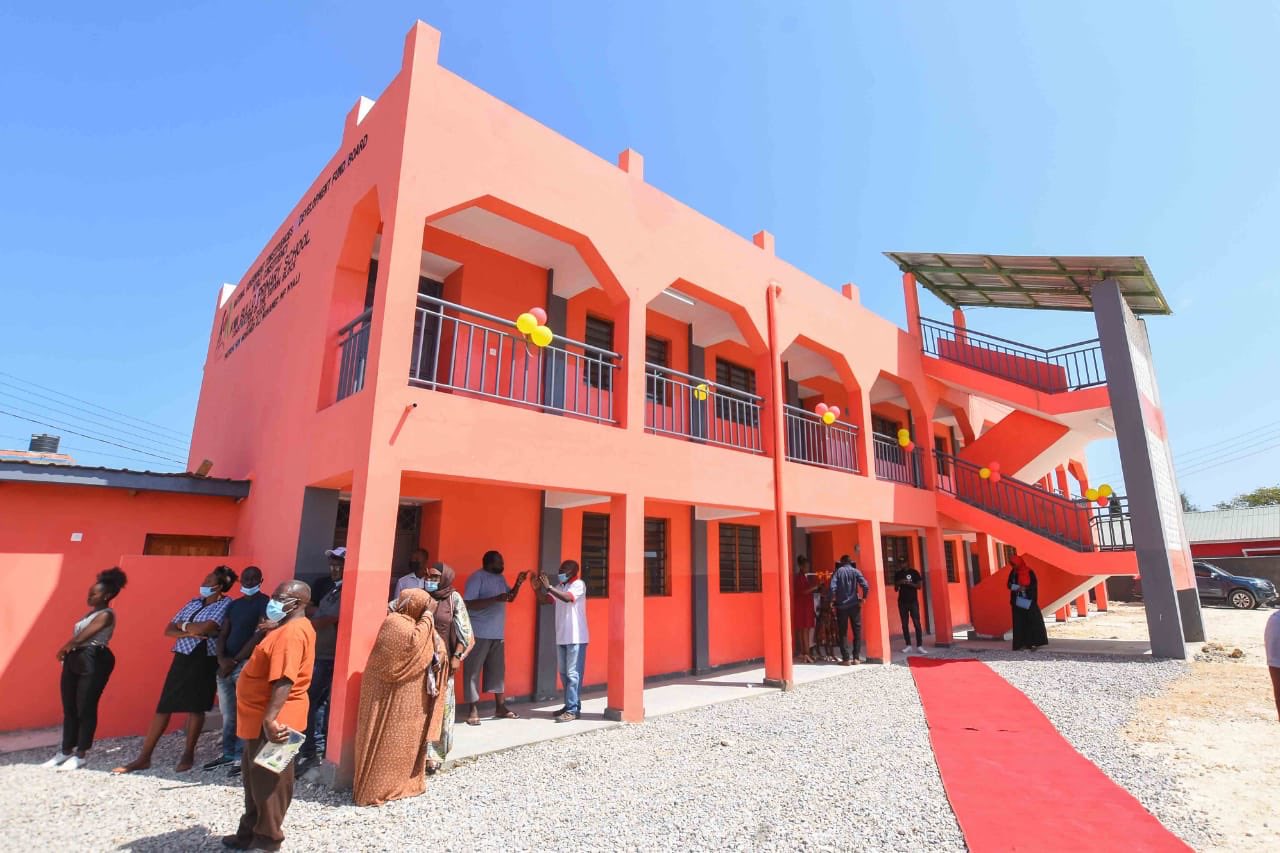
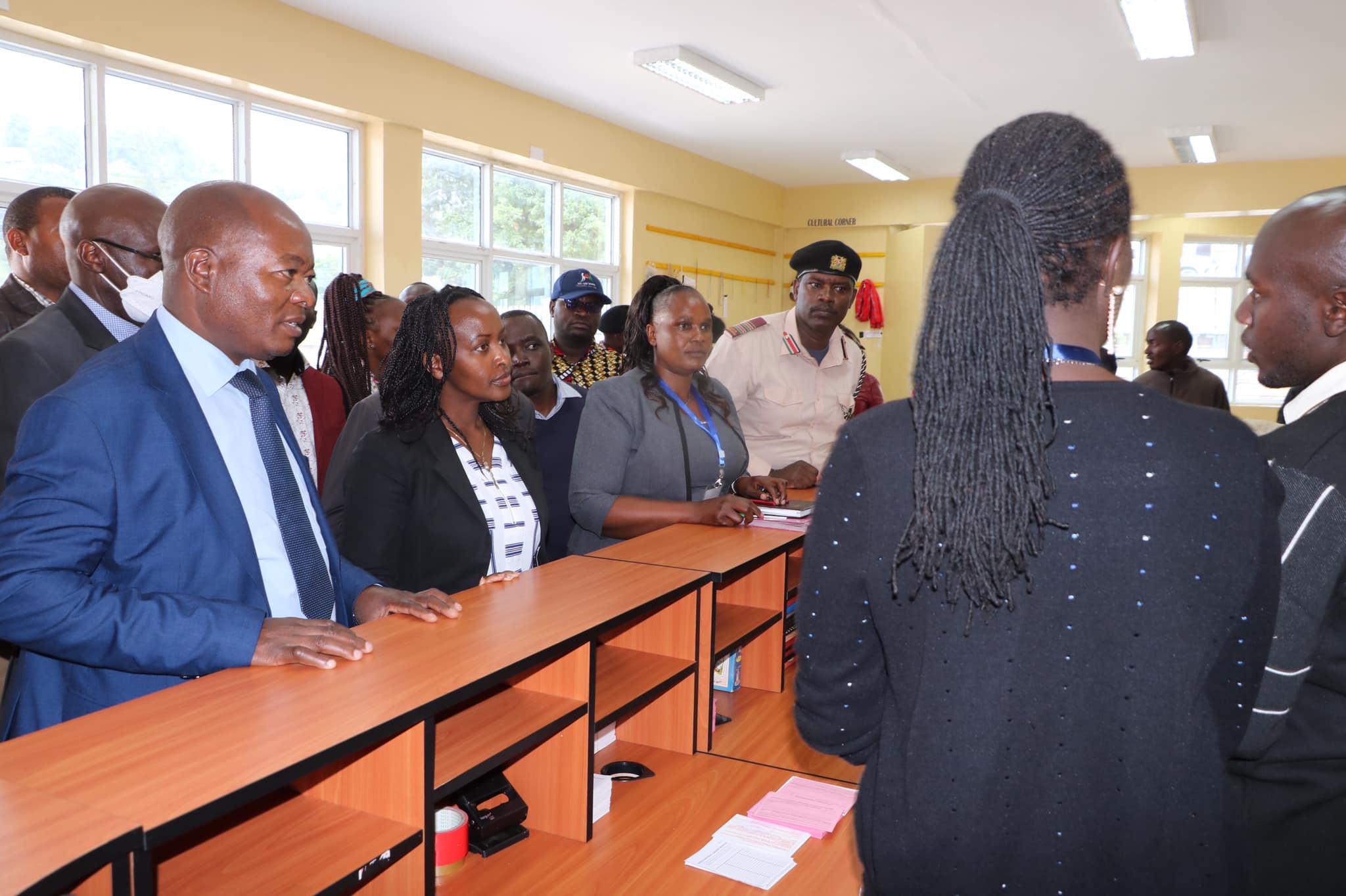
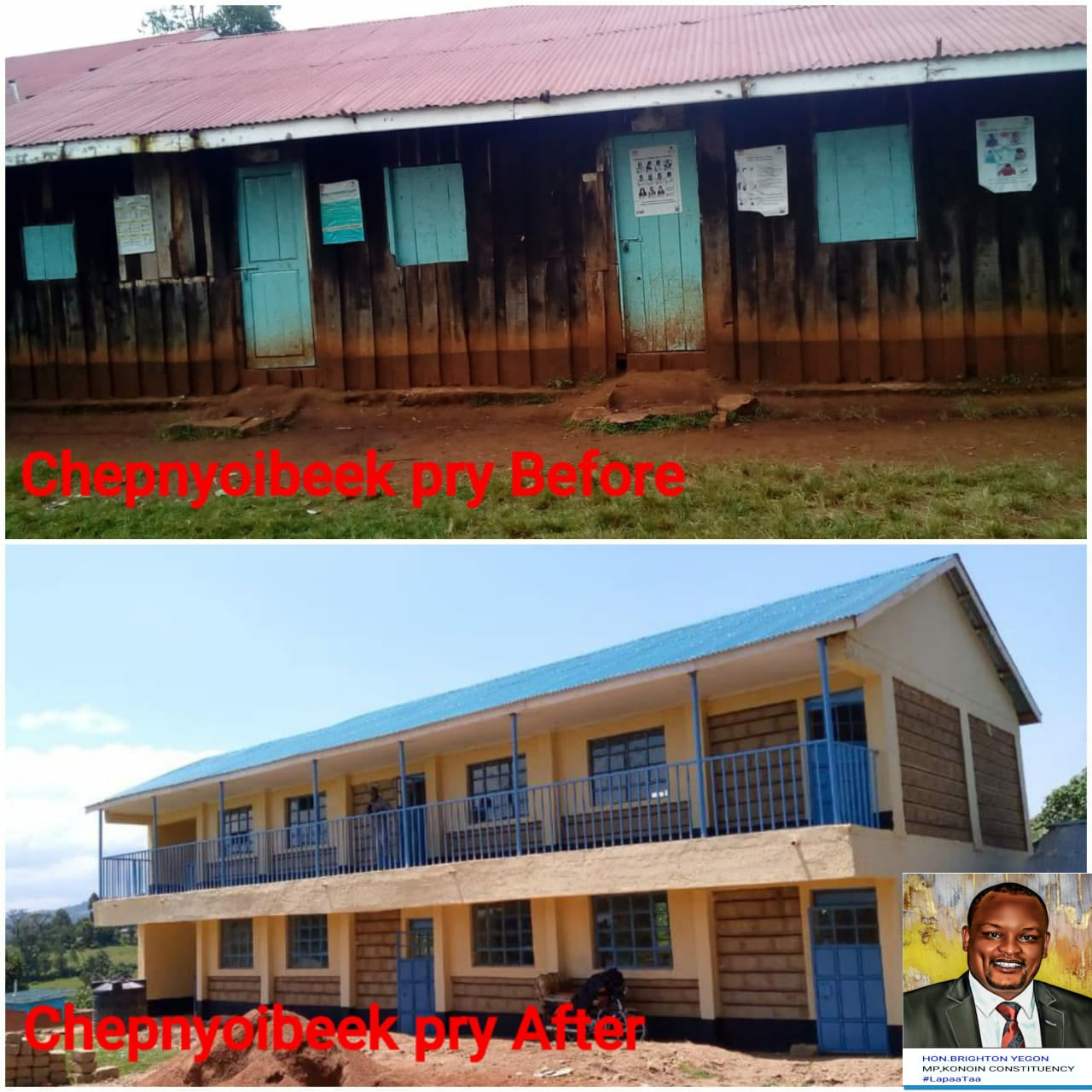
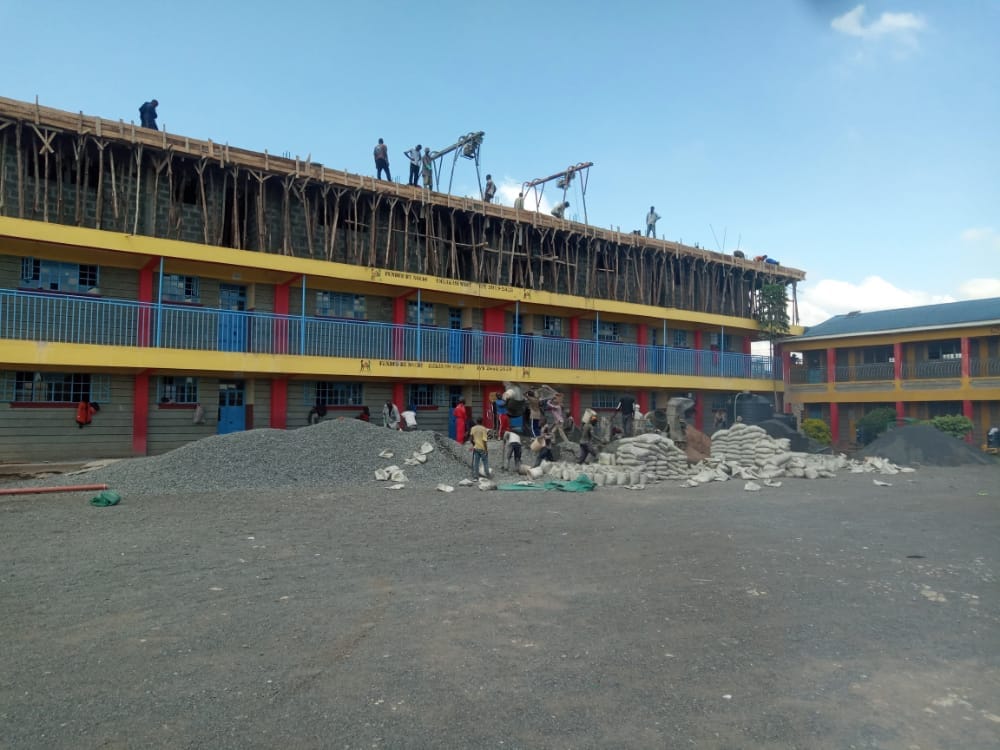
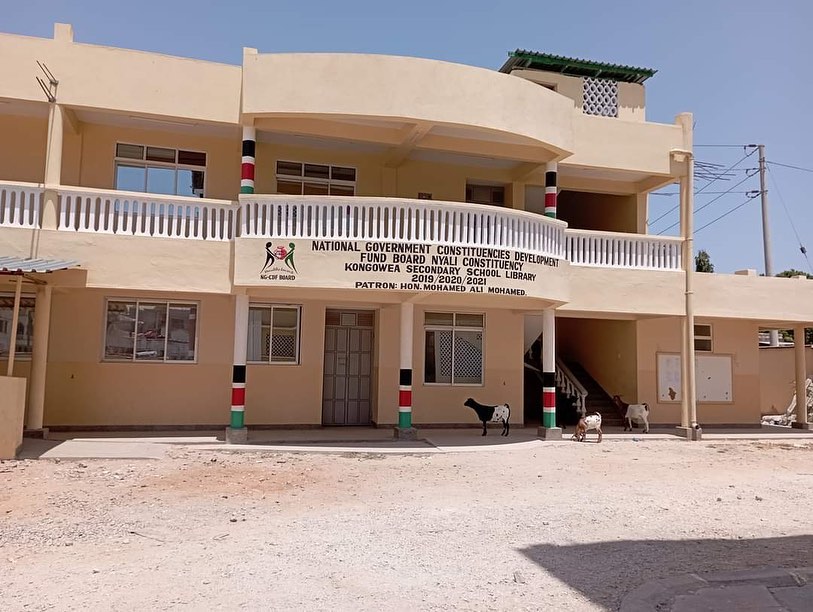
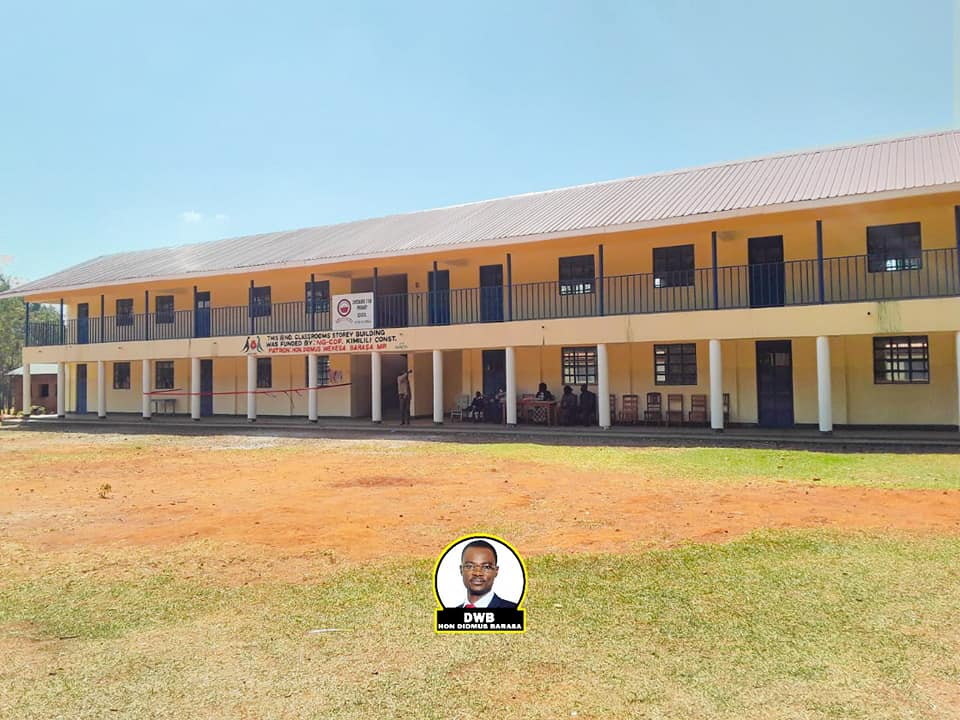
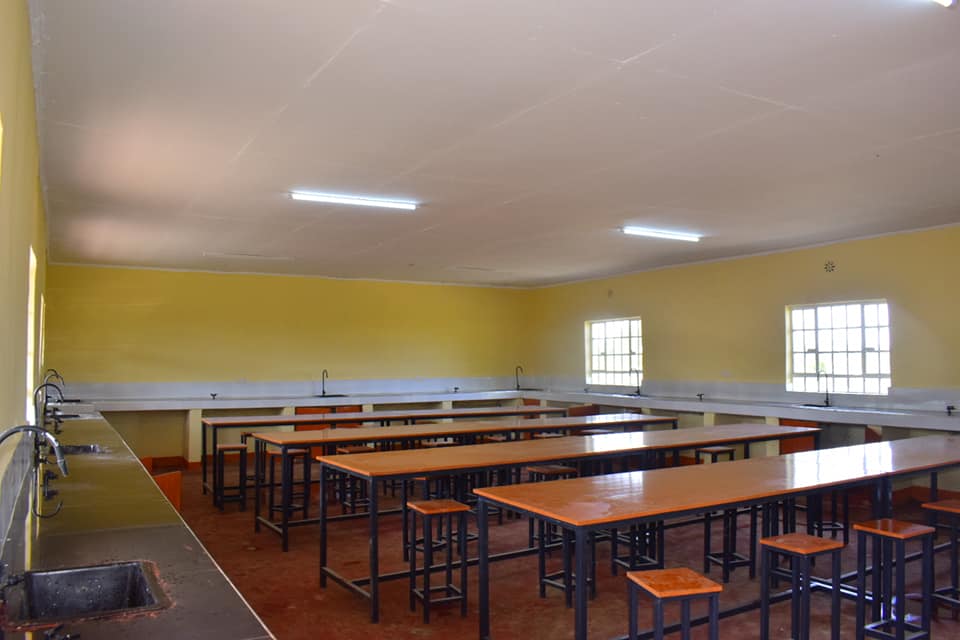
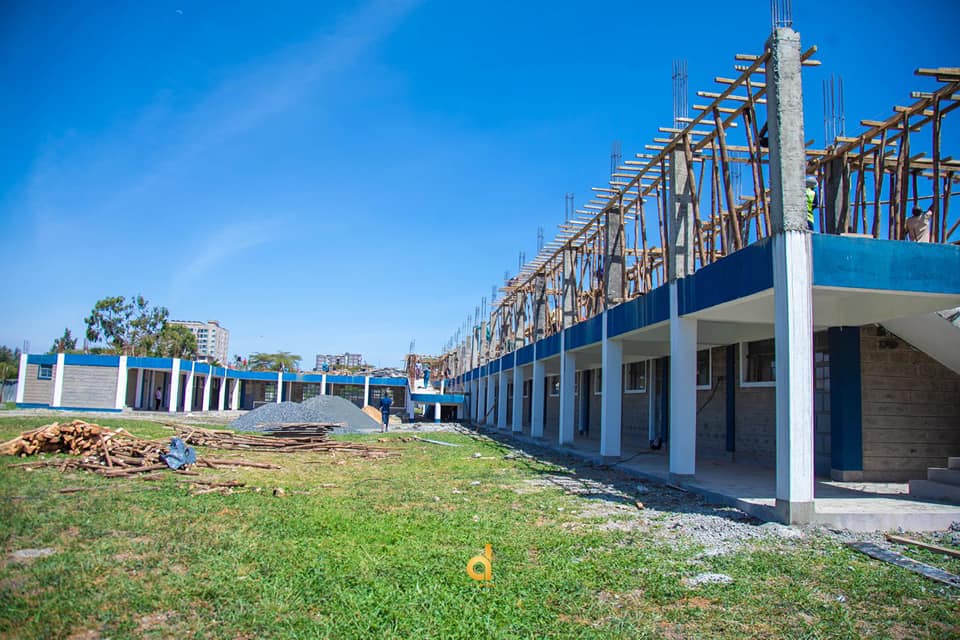
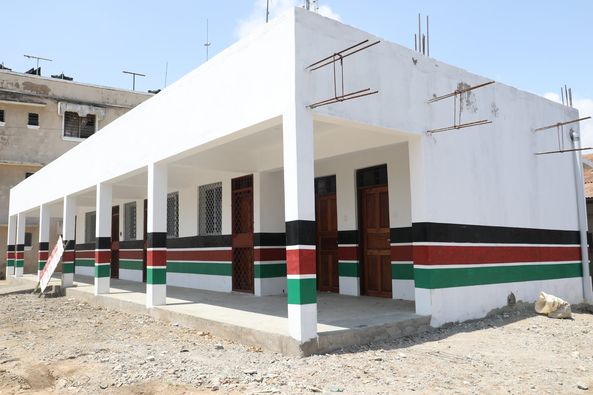
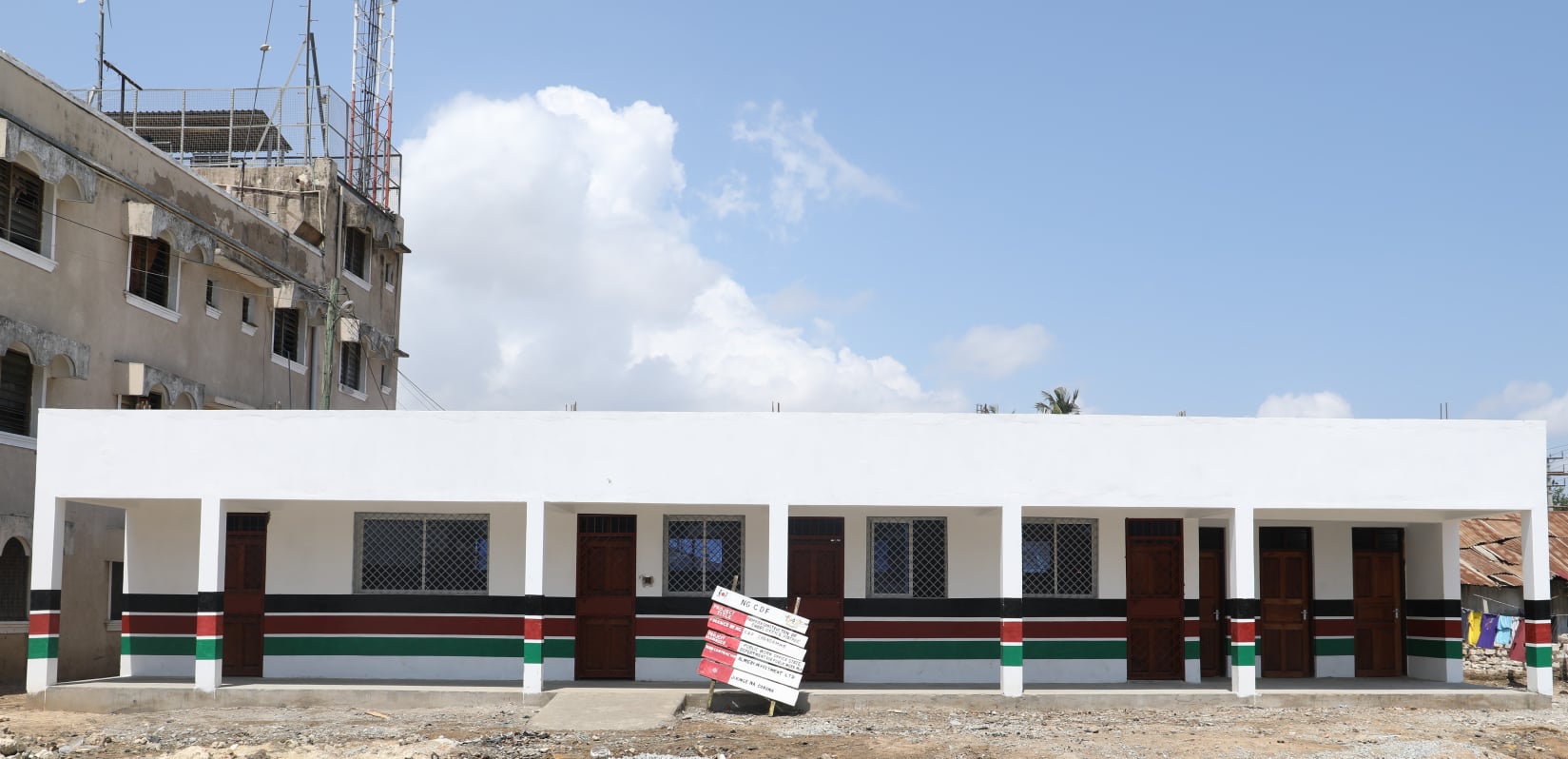
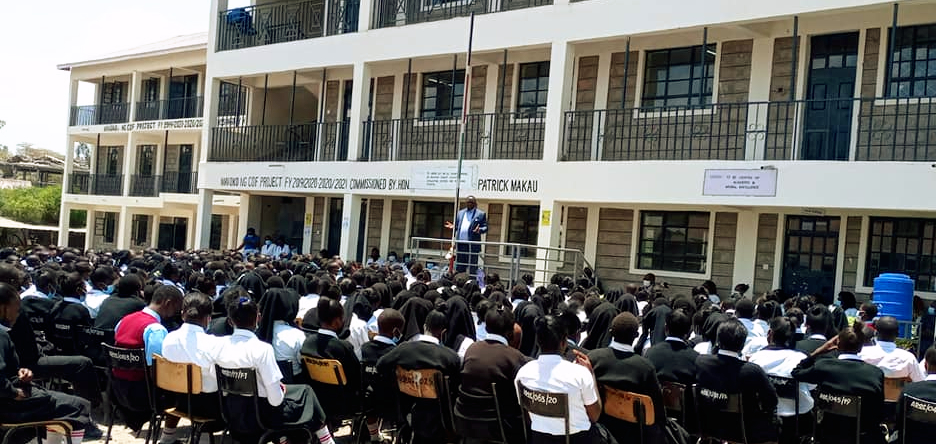
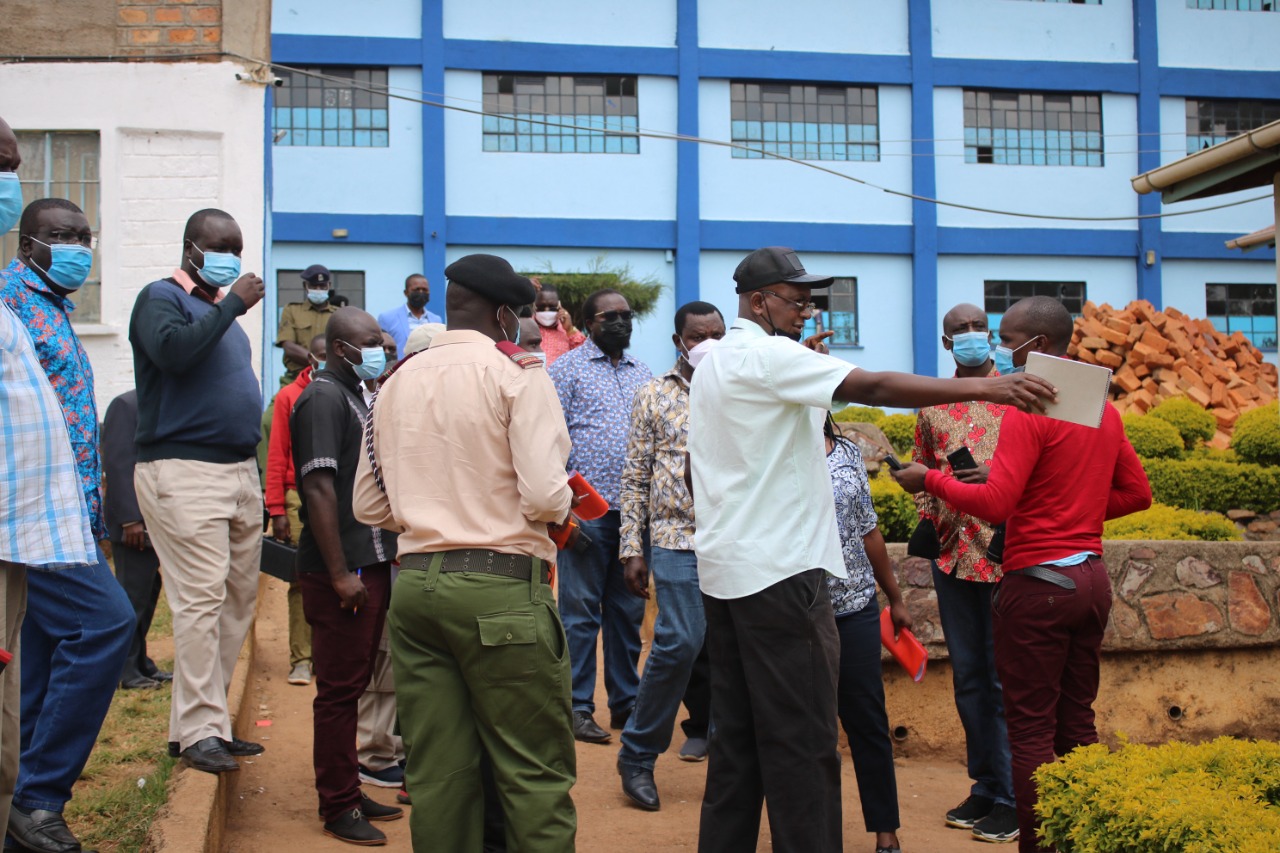
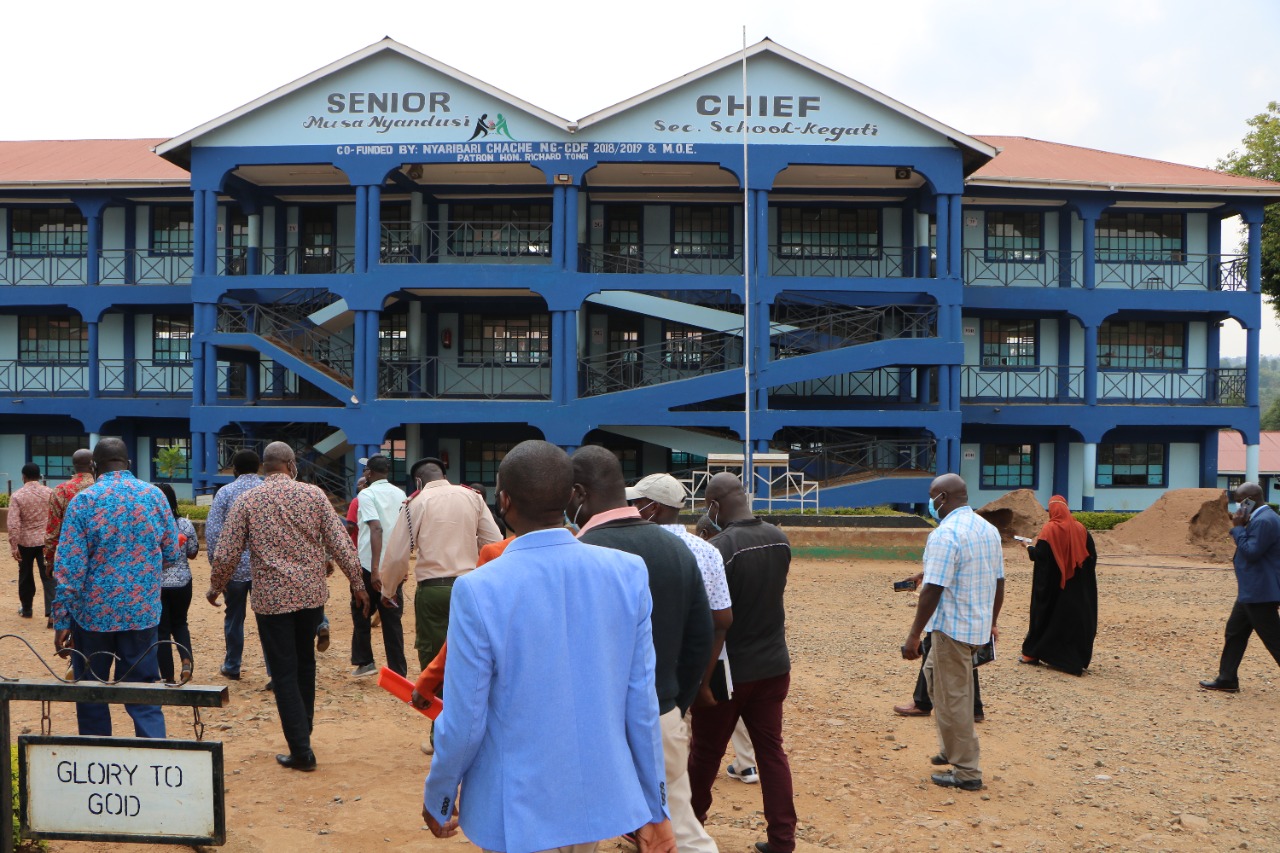
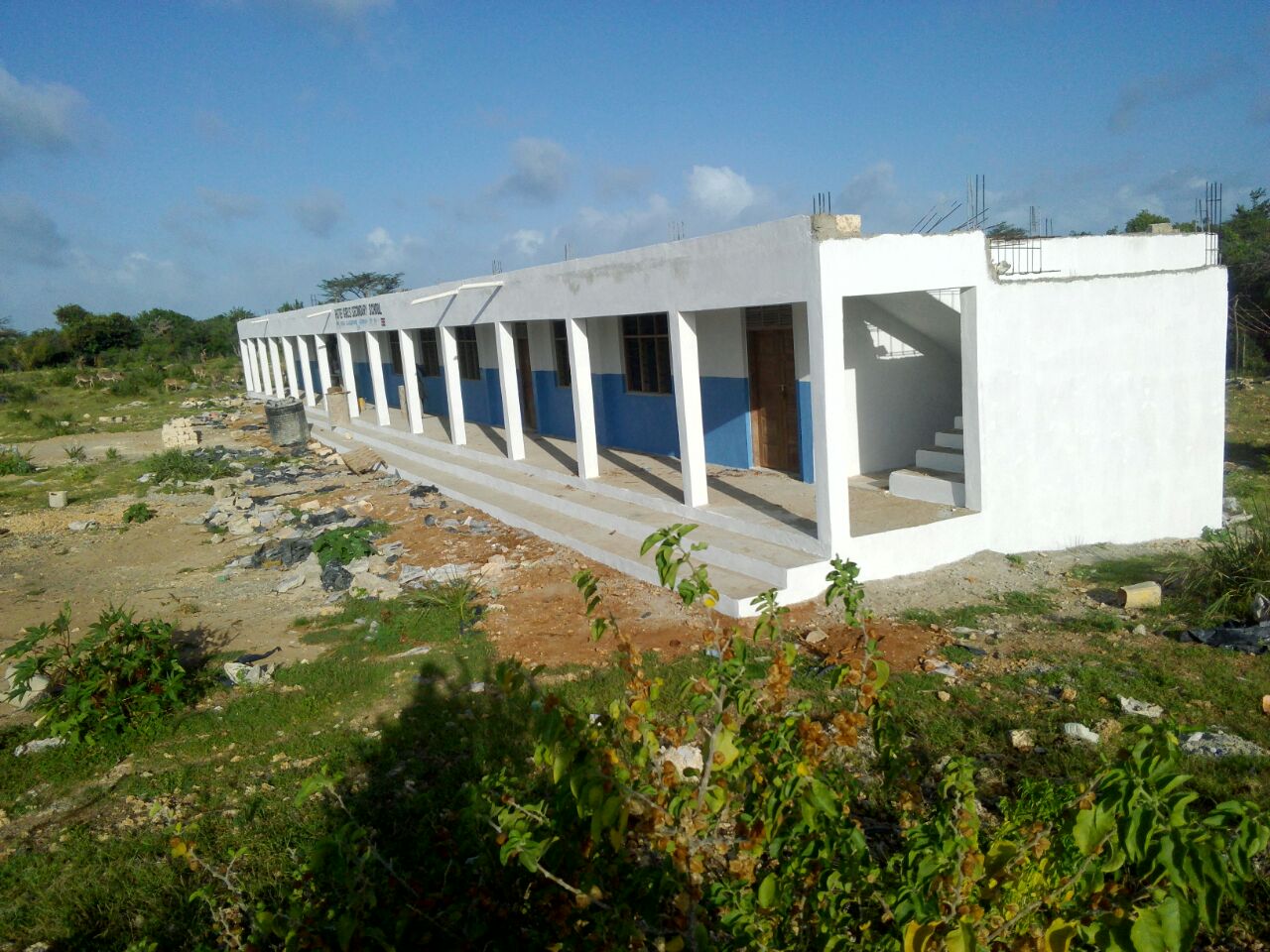
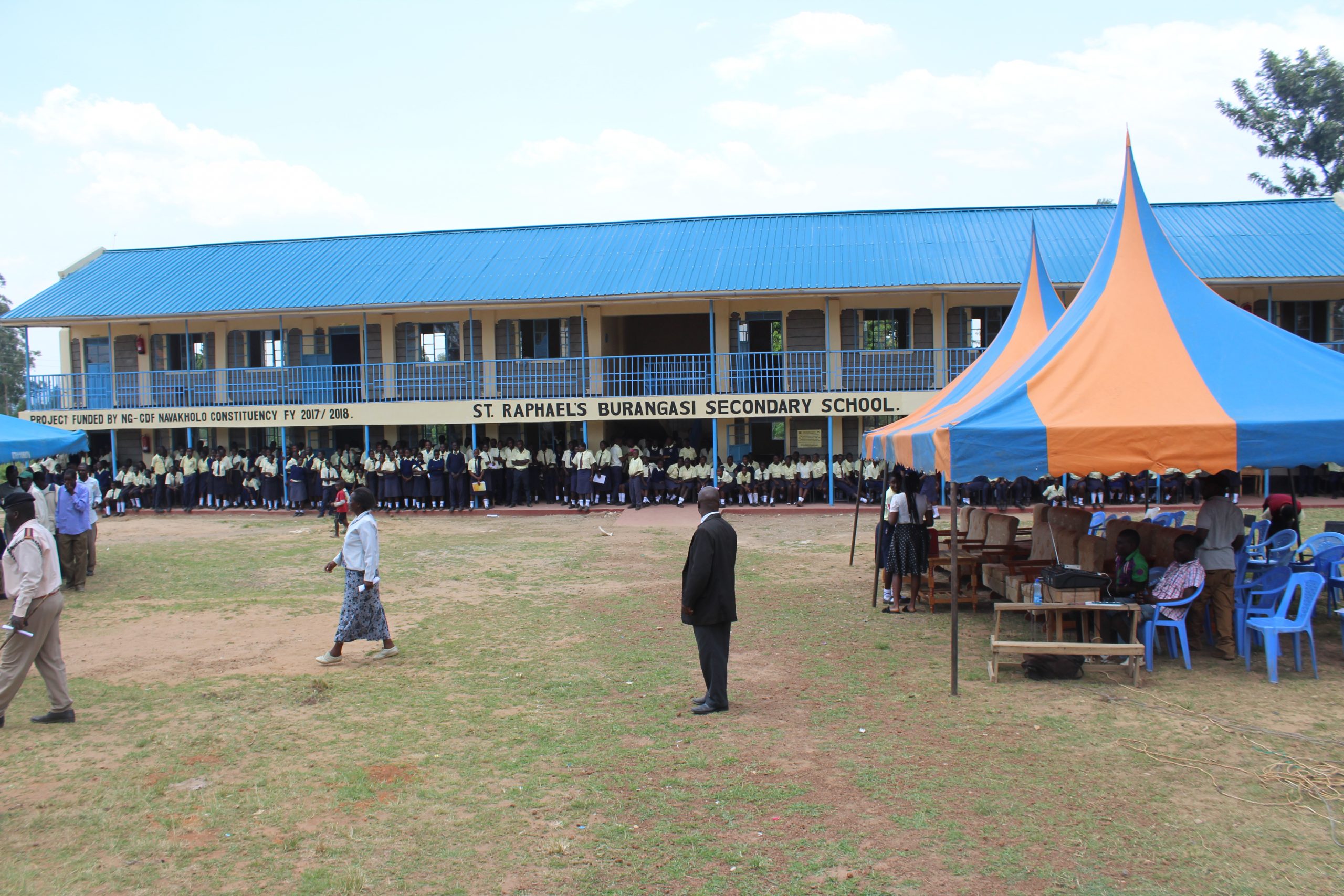
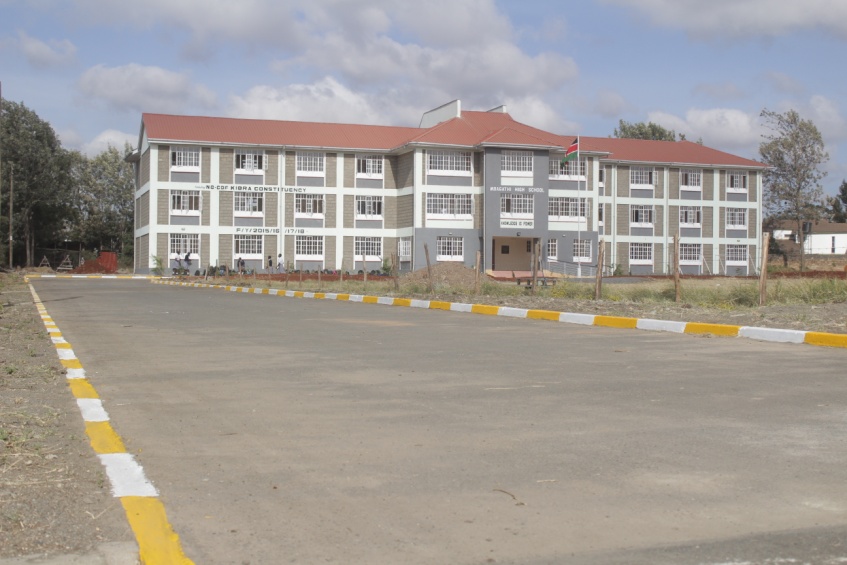
- Support the building and construction industry by providing markets for local products including the jua kali For example, in the period 2017/18 to 2022/2023, the Fund facilitated construction of 26,452 new classrooms, l,156 new dormitories, 3,384 new administration blocks, 1,413 dining halls, 22,063 toilets.
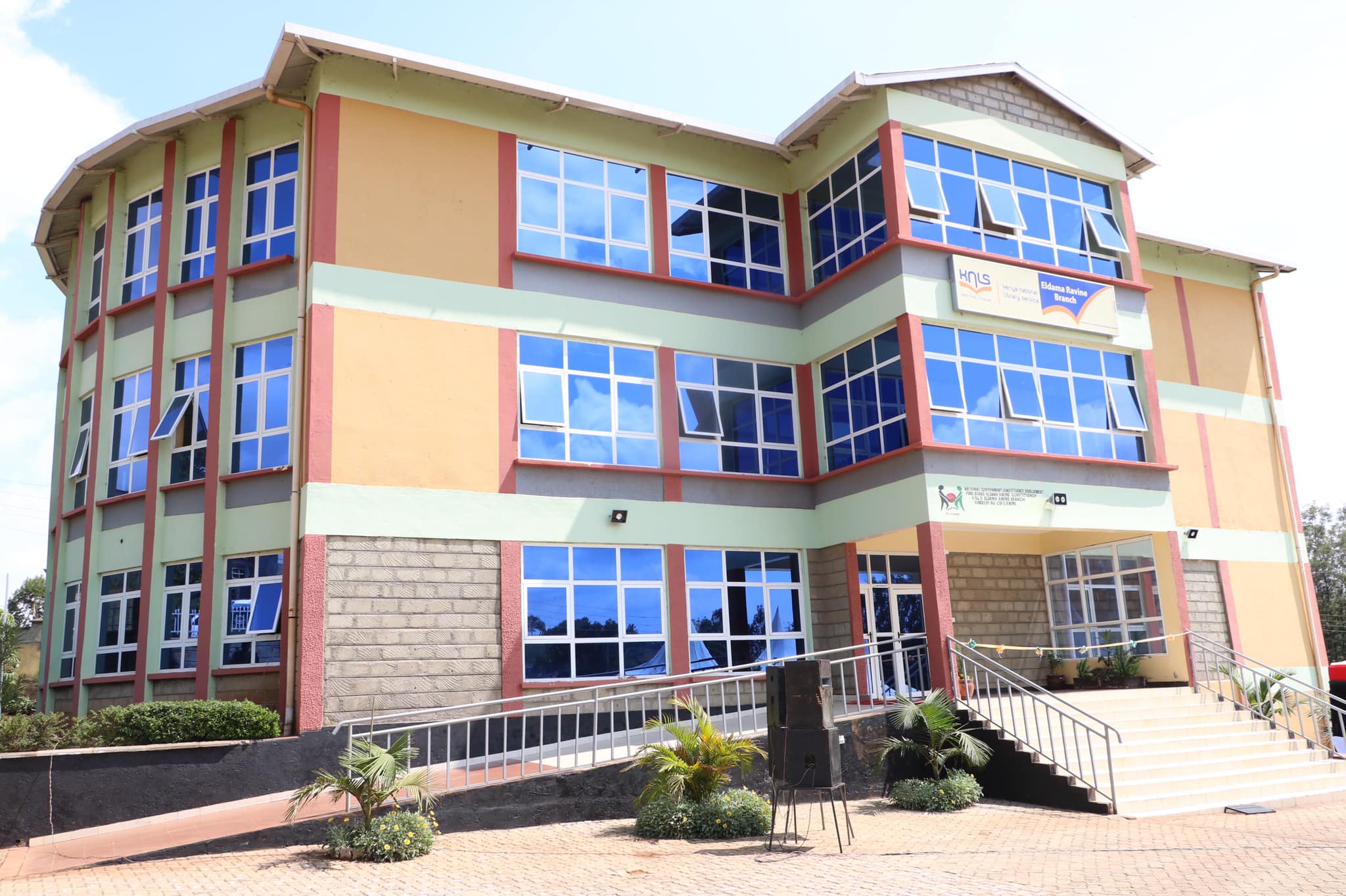
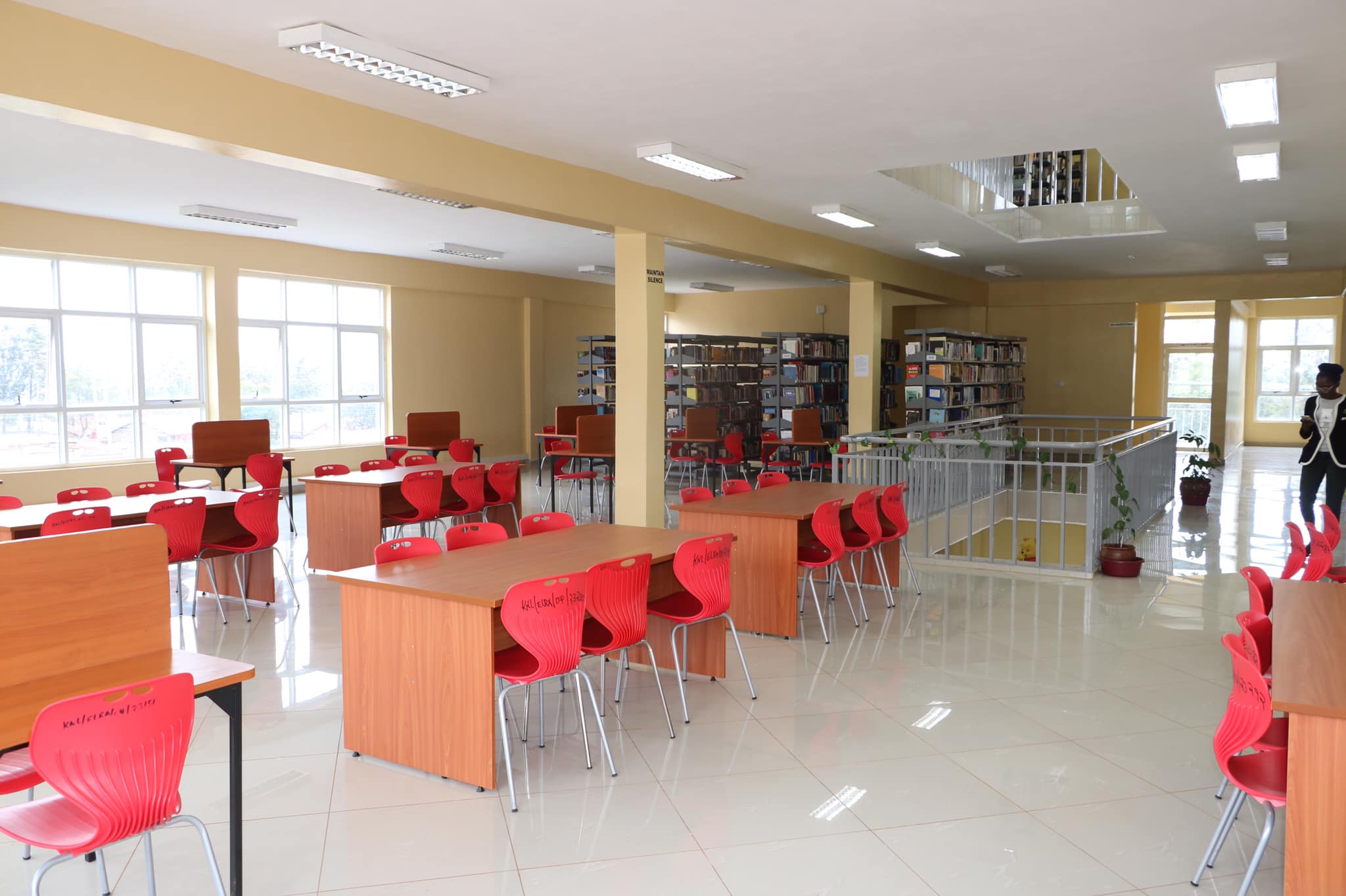
1,695 laboratories and 153 libraries in the Education Sector. All these projects were constructed with materials which were sourced locally.
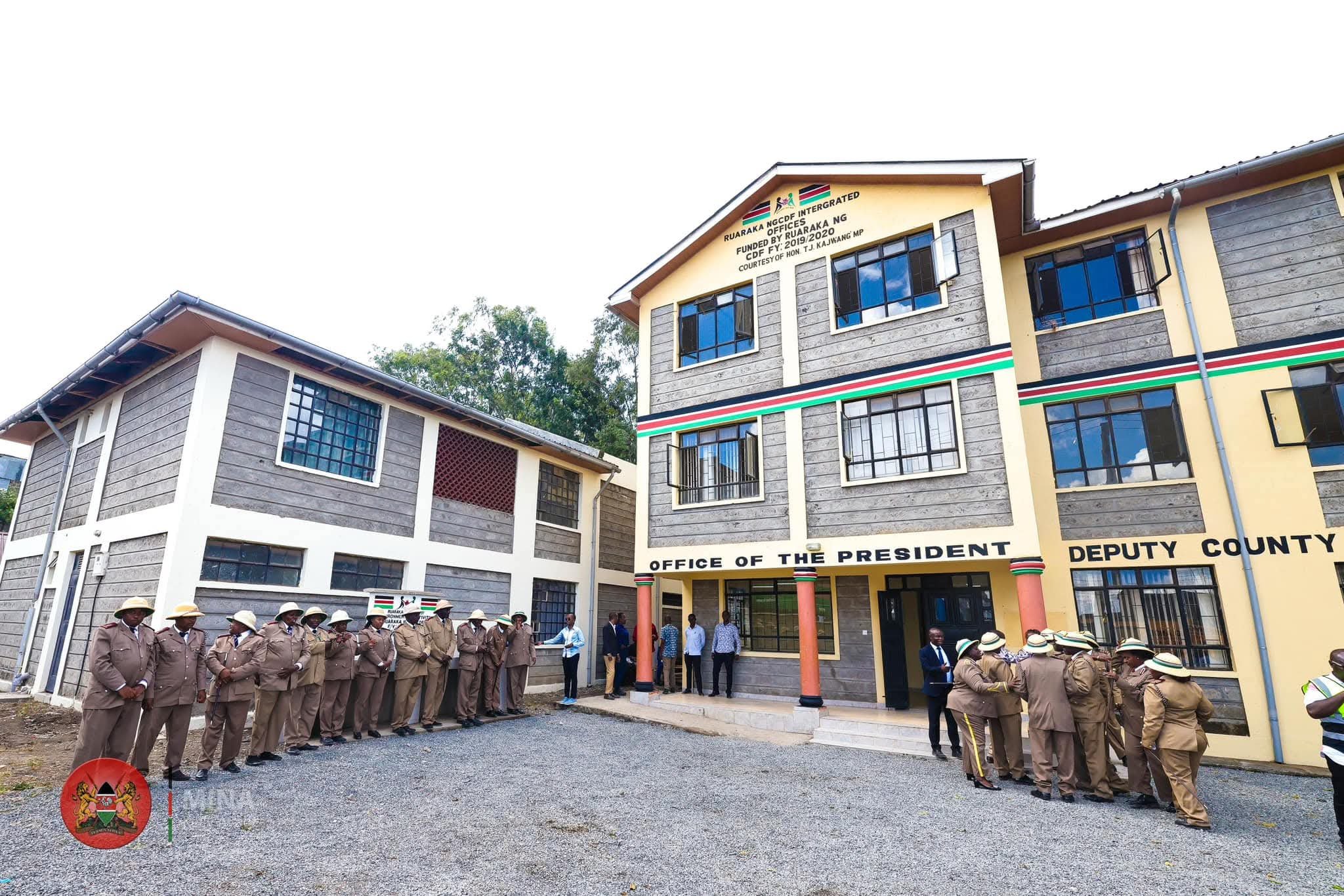
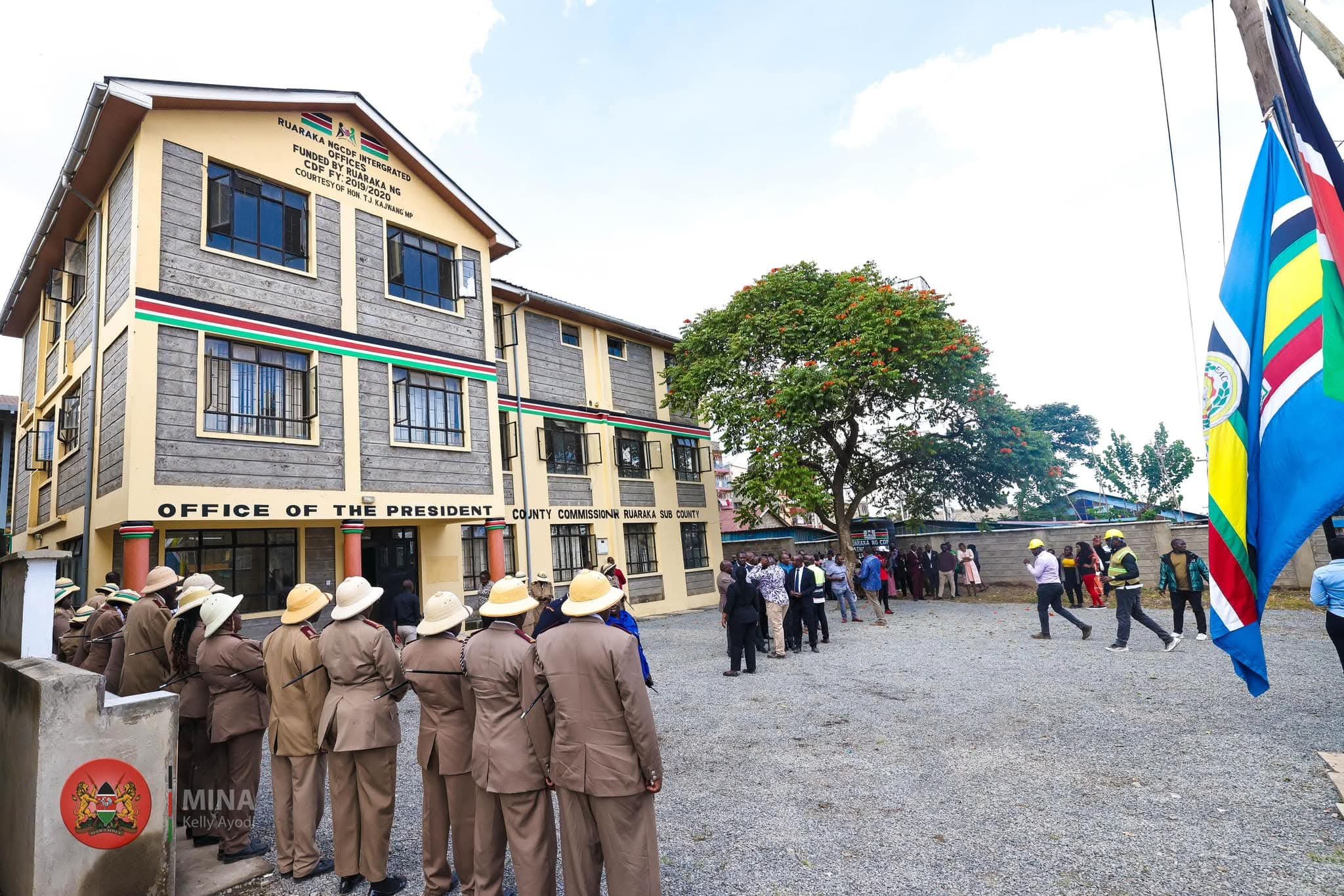
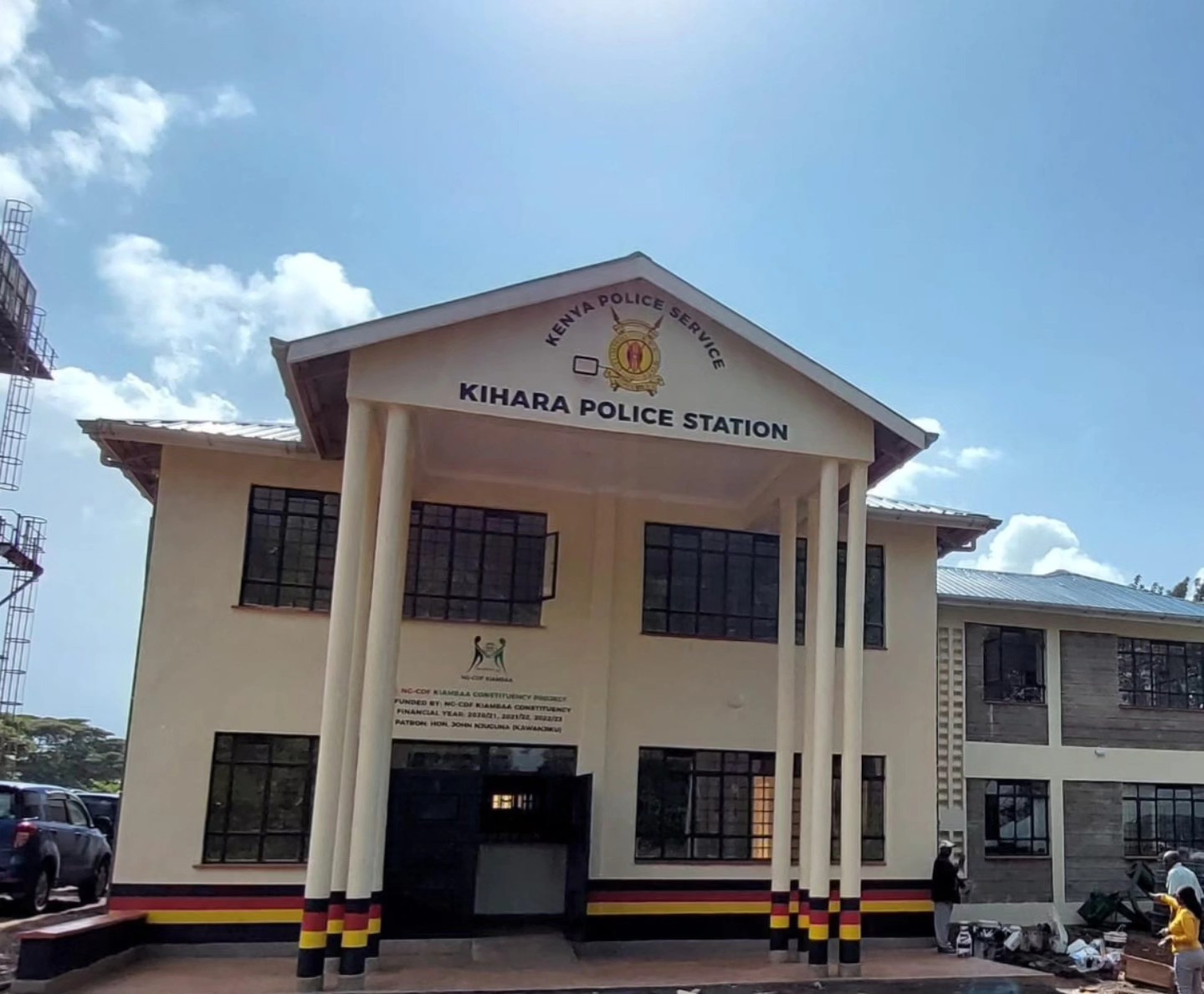
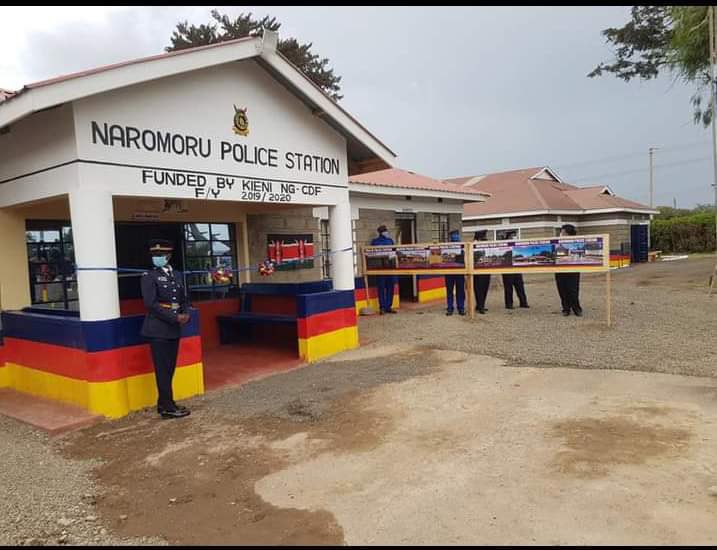
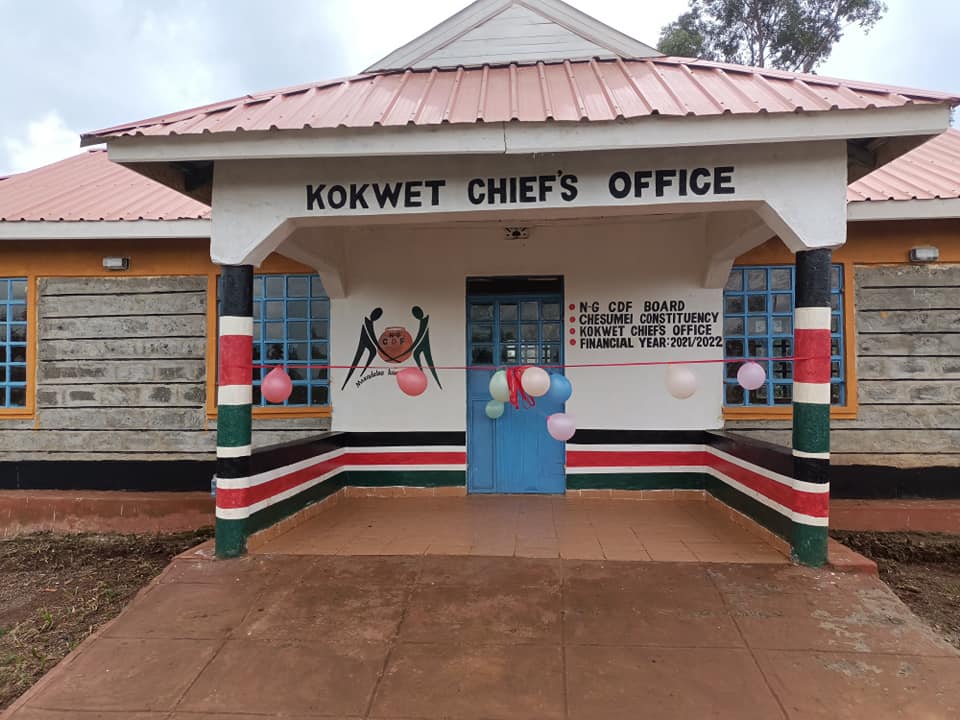
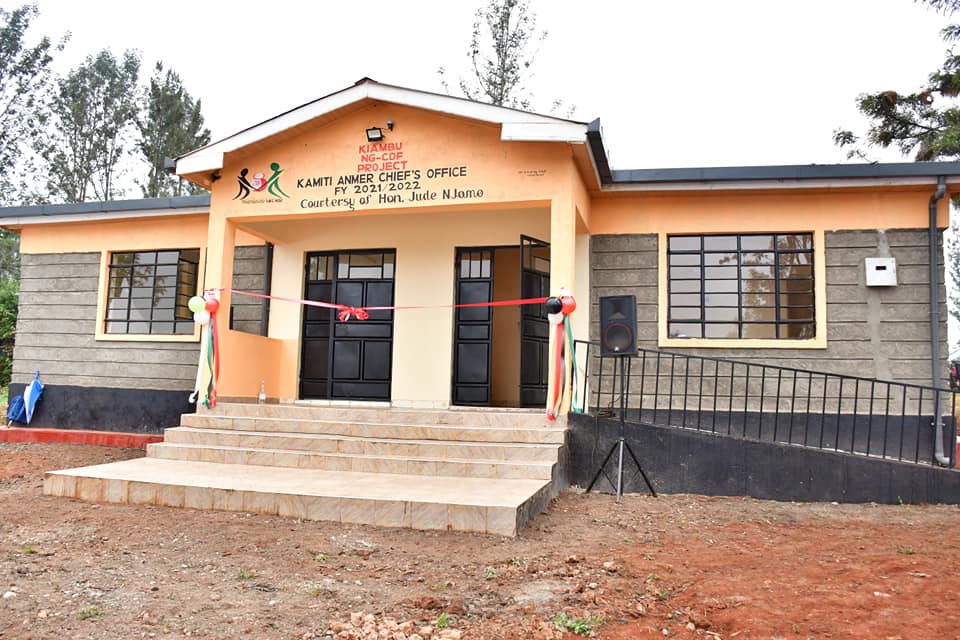
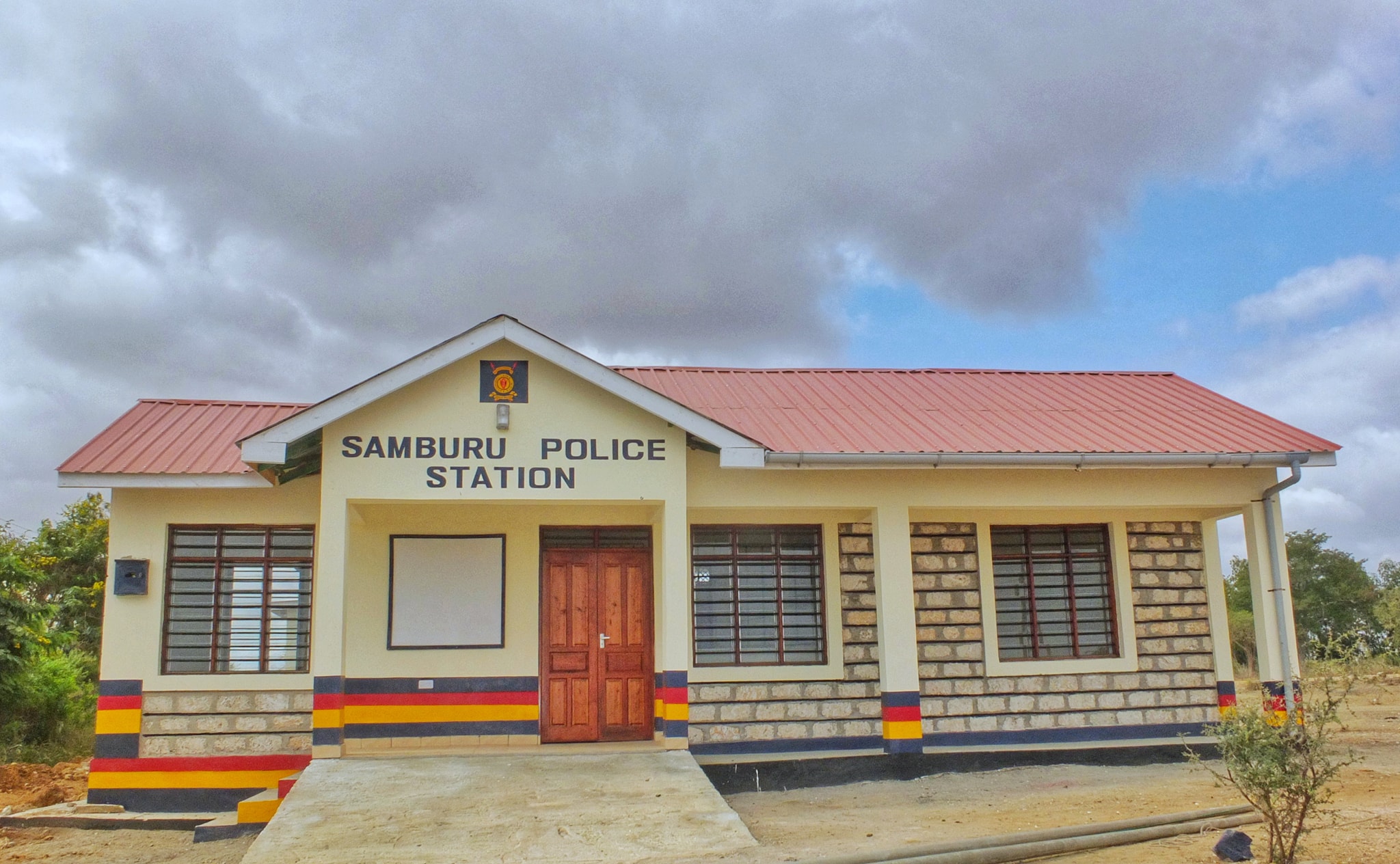
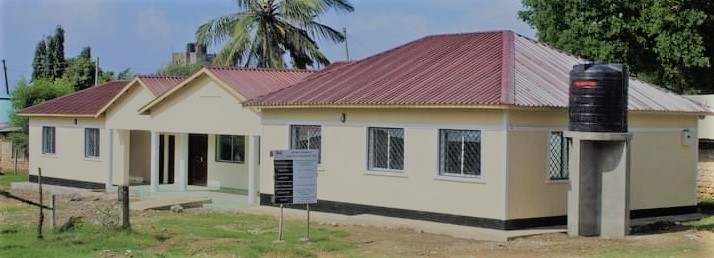
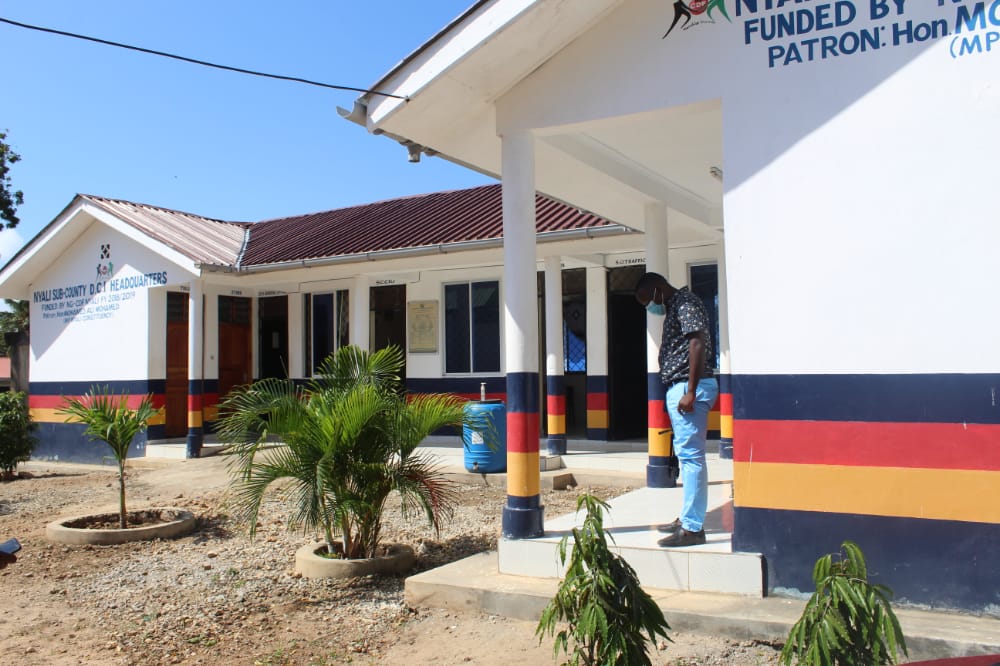
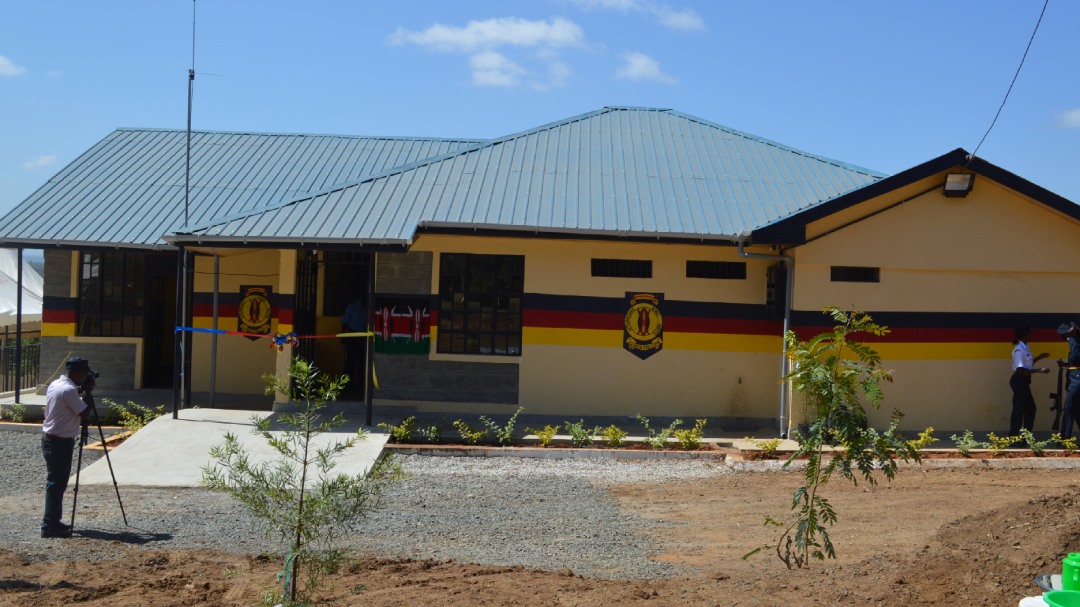
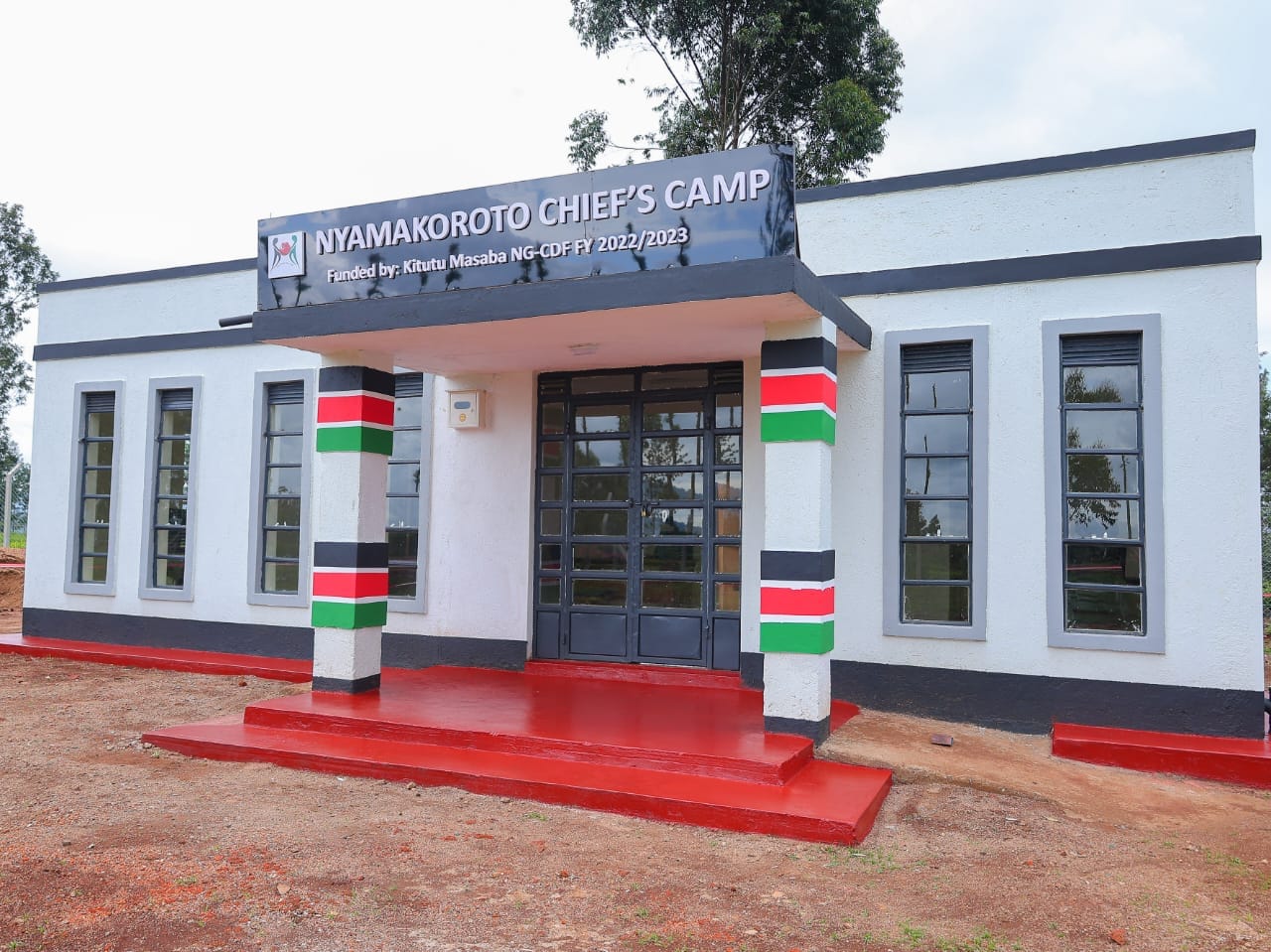
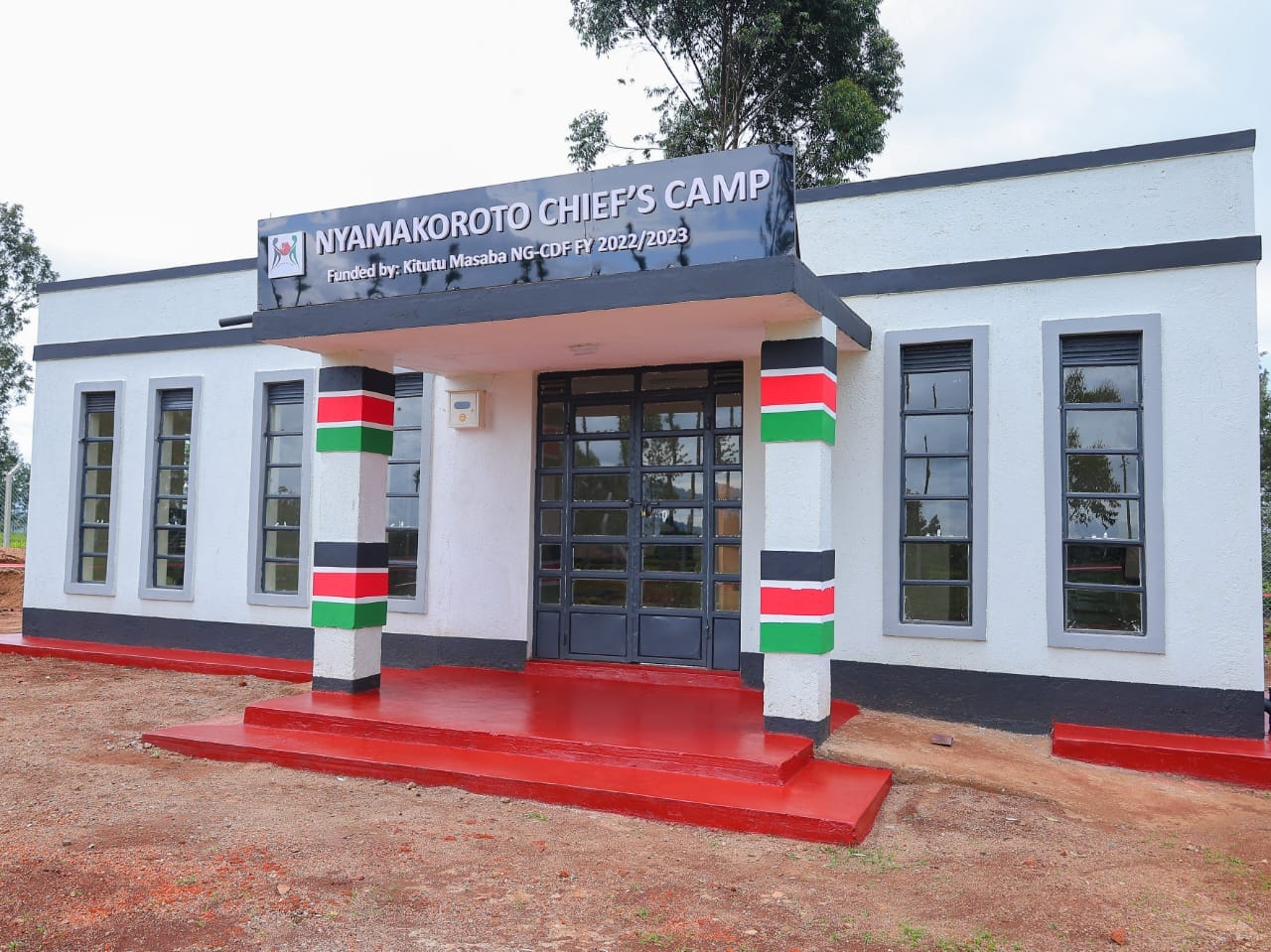
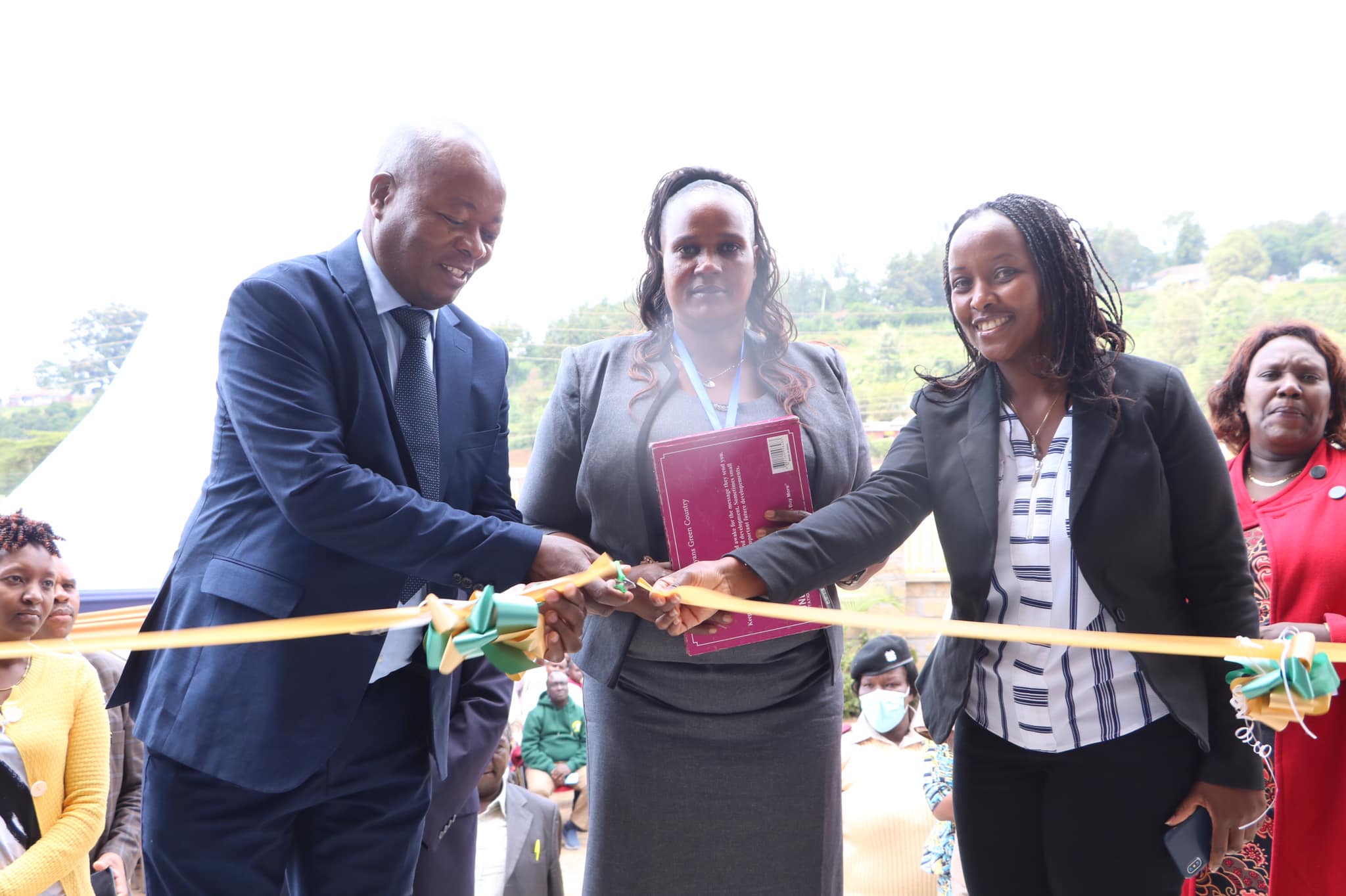
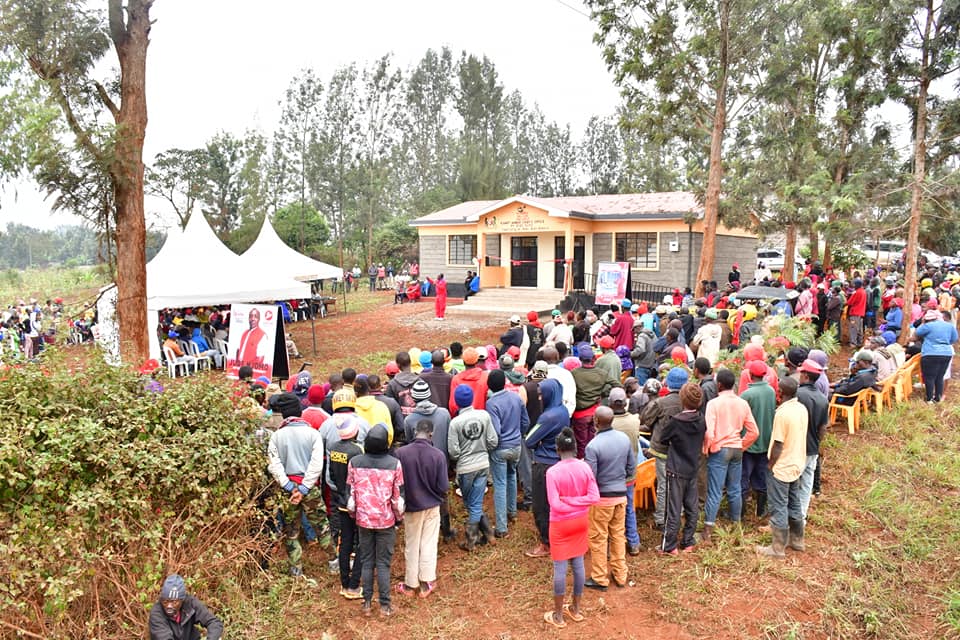
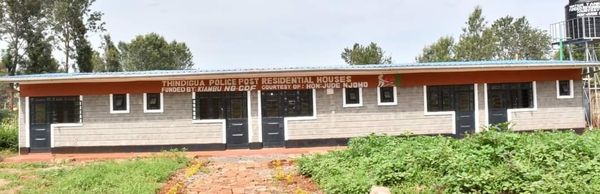
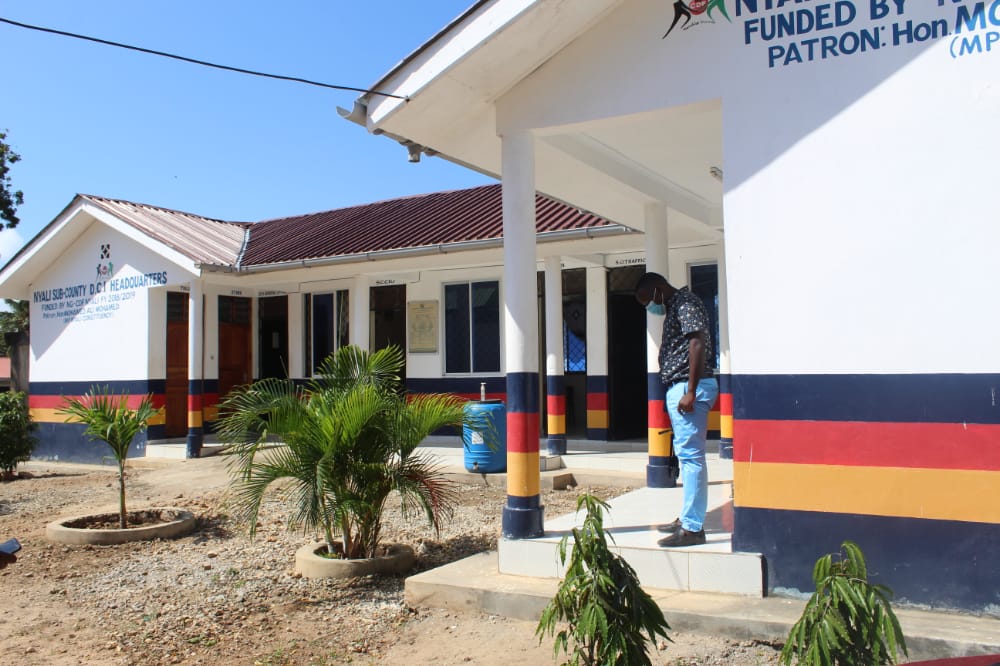
- Supports provision of security for an enabling business environment — for example during the period 2017/18 to 2022/2023, the Fund financed construction of 217 new National Government Administration Offices, 2,308 chiefs/assistant chiefs offices and 1,119 police
Infrastructure Sector
The primary goal of the infrastructure sector is to develop robust infrastructure that supports economic activities and enhances living standards. This encompasses various projects and improvements in educational facilities, housing, security, and community infrastructure.
Educational Infrastructure
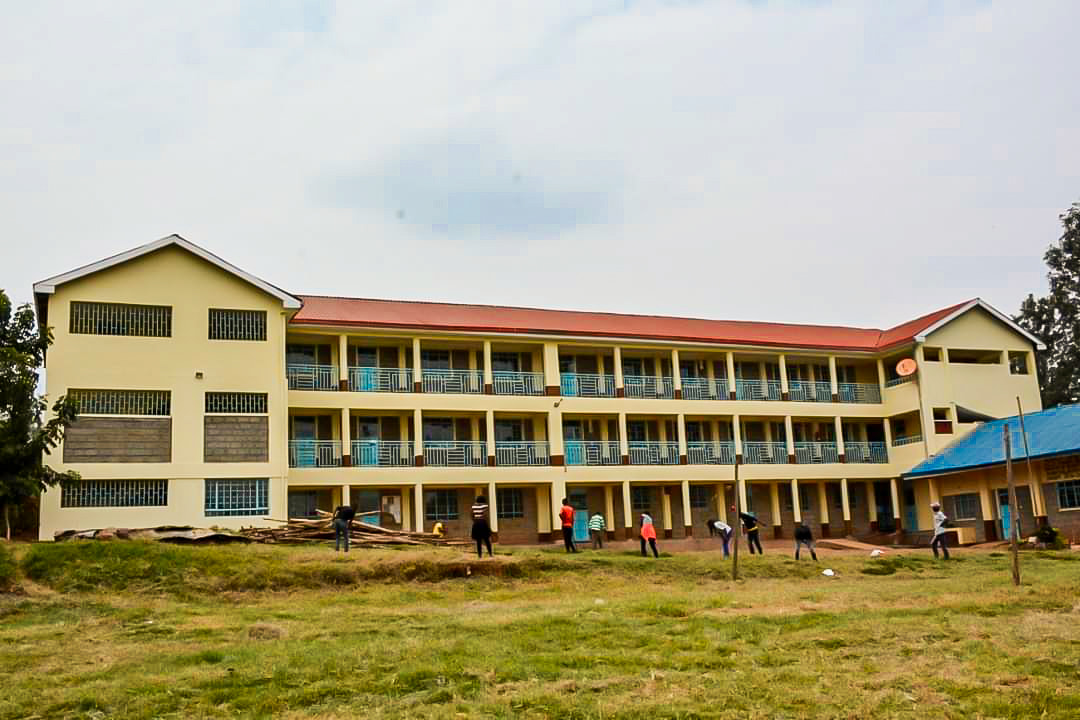
The Fund has made significant strides in improving infrastructure essential for better learning environments. Key projects include:
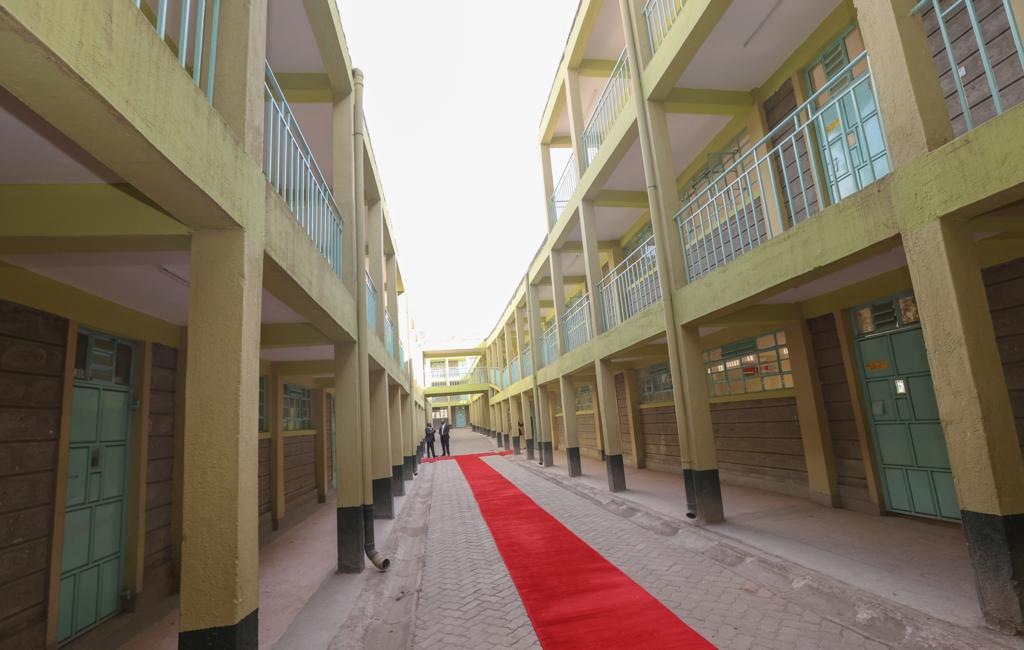
- Dormitories: Providing safe and comfortable accommodation for
- Libraries: Enhancing access to educational resources and promoting a culture of
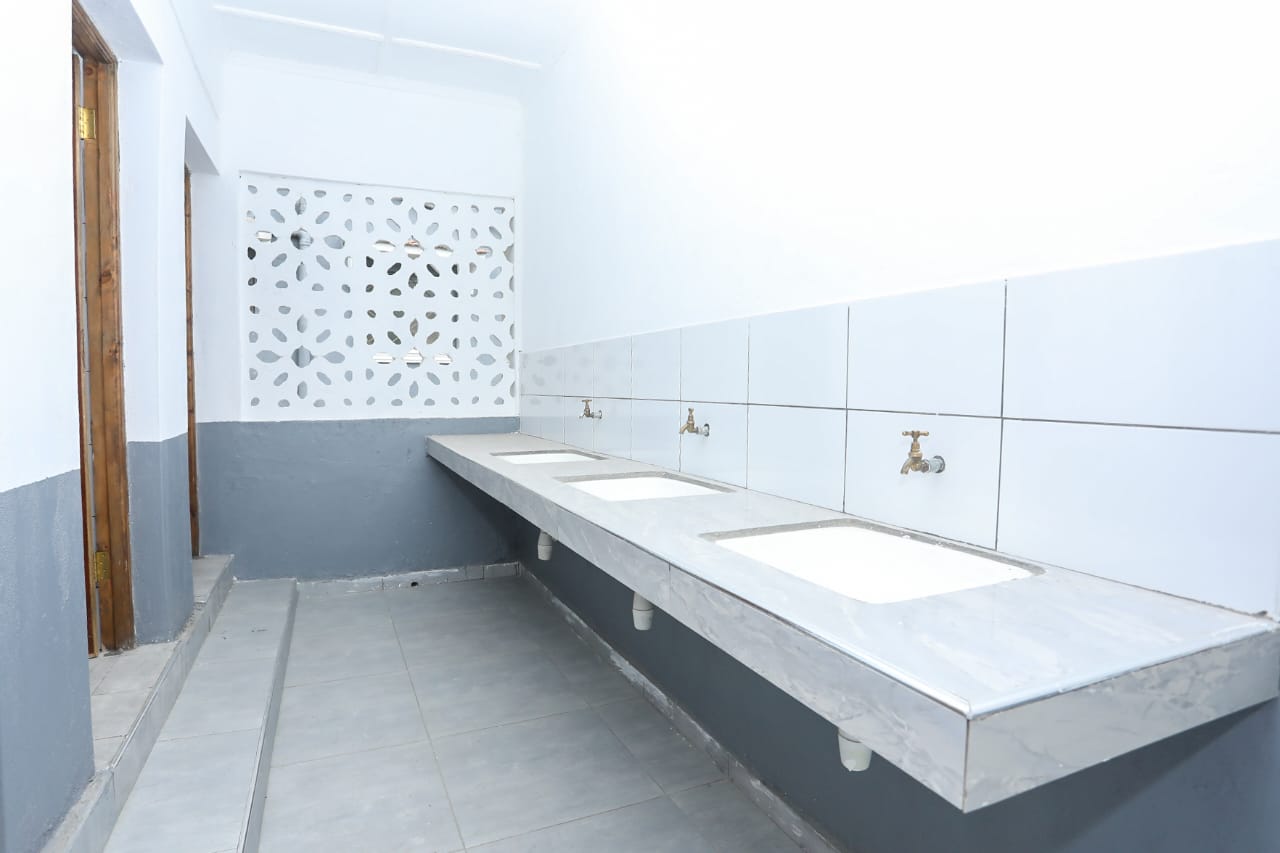
- Pit Latrines: Improving sanitation facilities to ensure a healthy learning
- Dining Halls: Constructing communal eating spaces to facilitate better nutrition and social
- Staff Houses: Ensuring teachers and administrative staff have suitable living conditions, promoting retention and job
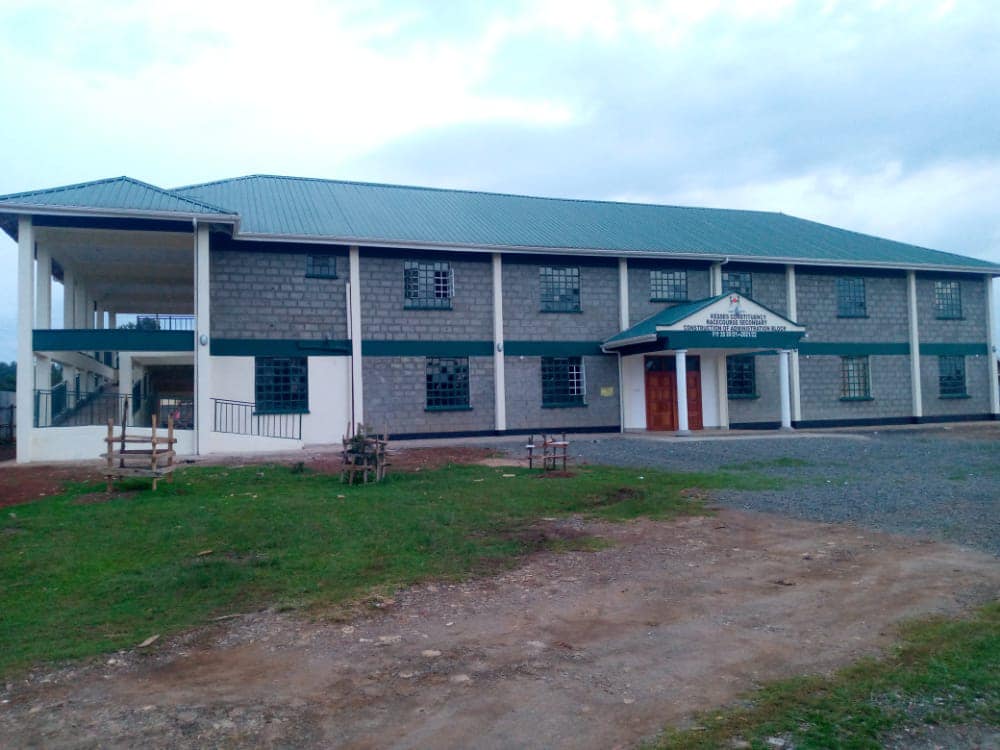
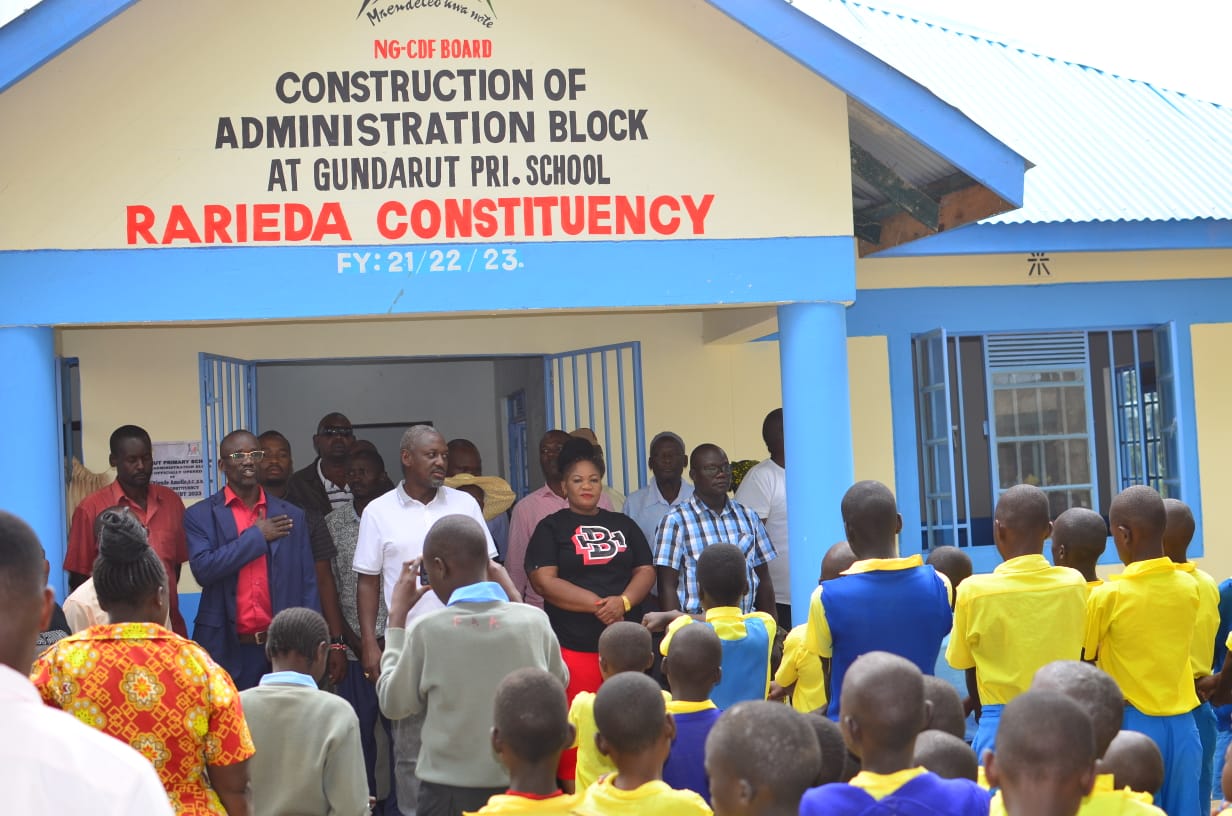
- Administration Blocks: Building dedicated spaces for school administration to improve organizational
Housing and Settlement
The NG-CDF (National Government Constituencies Development Fund) emphasizes infrastructural development in rural areas to stimulate economic growth and create employment opportunities. Key initiatives include:

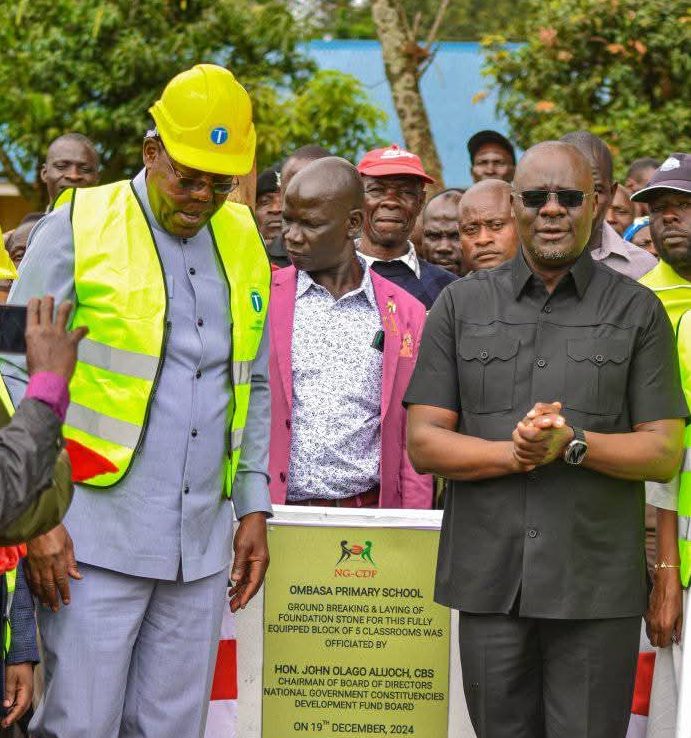
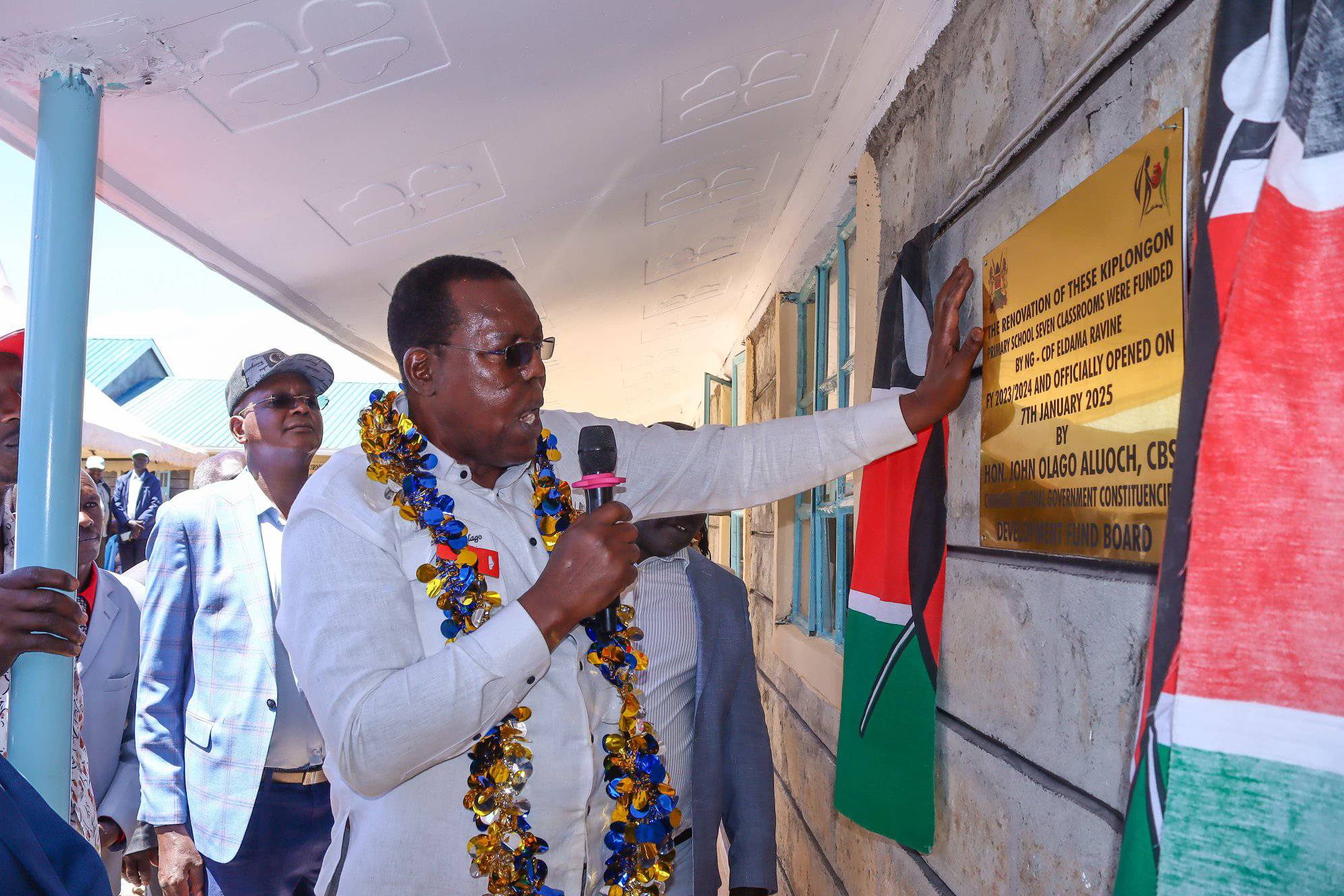
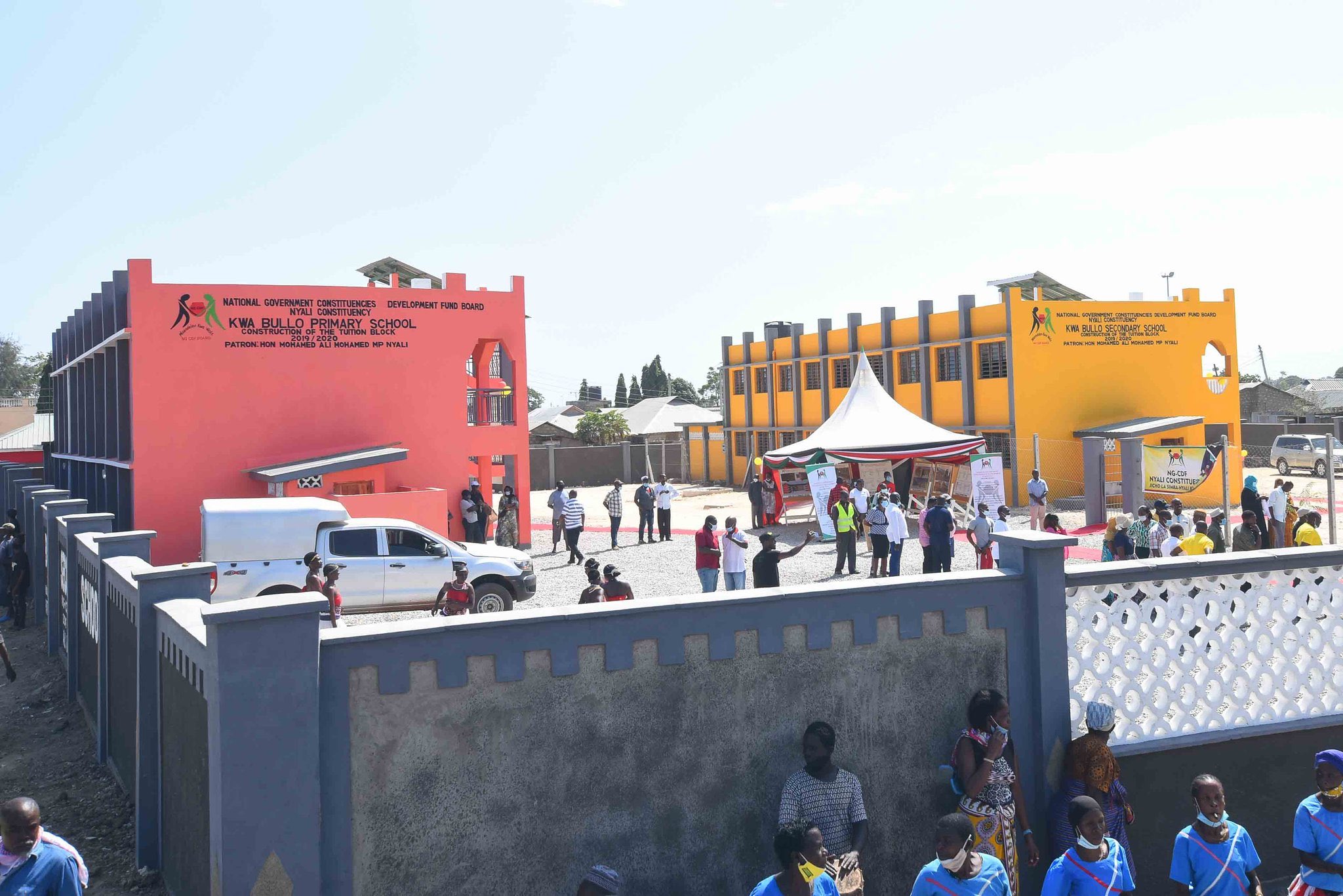
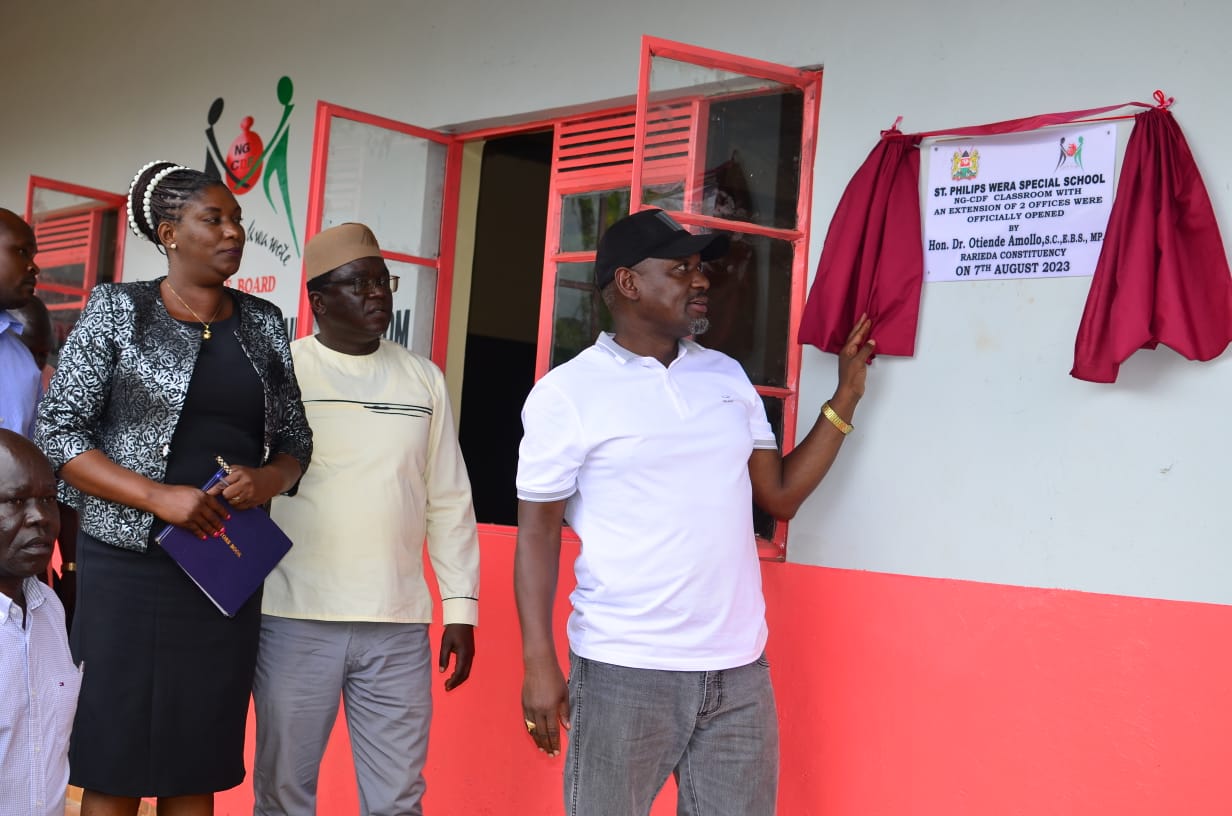
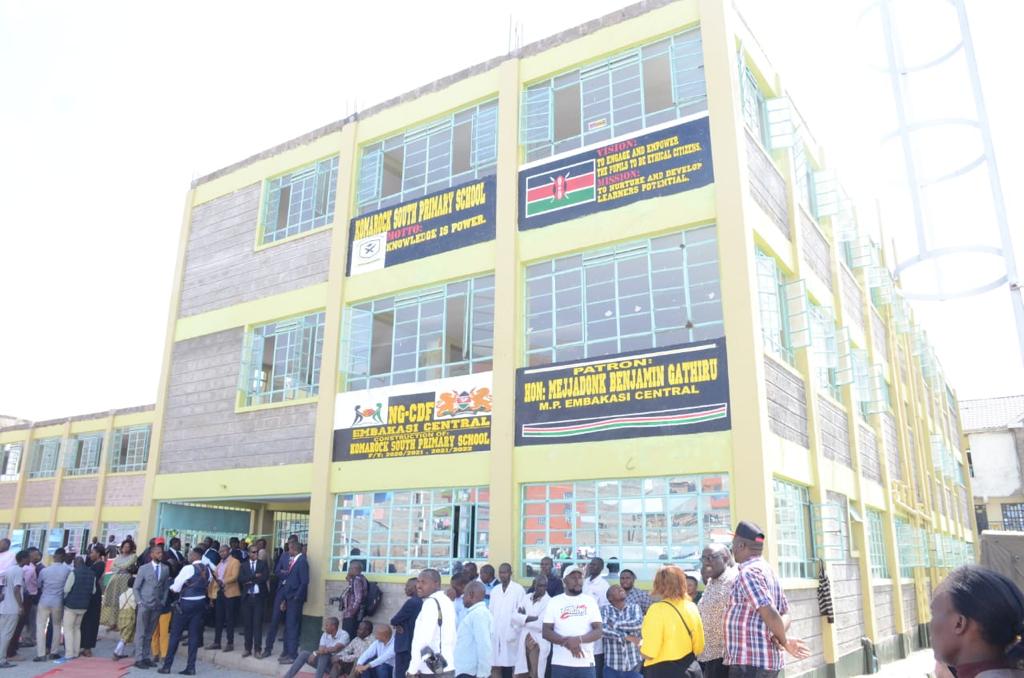
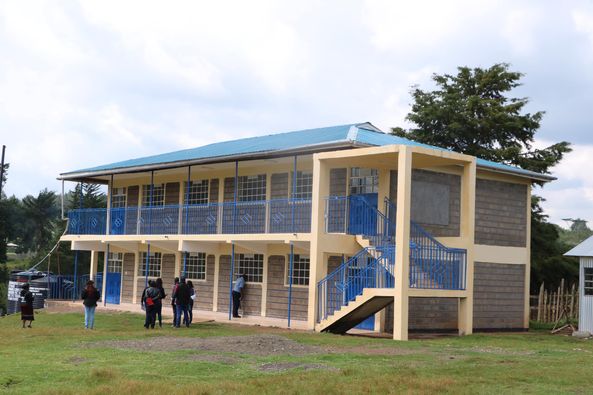
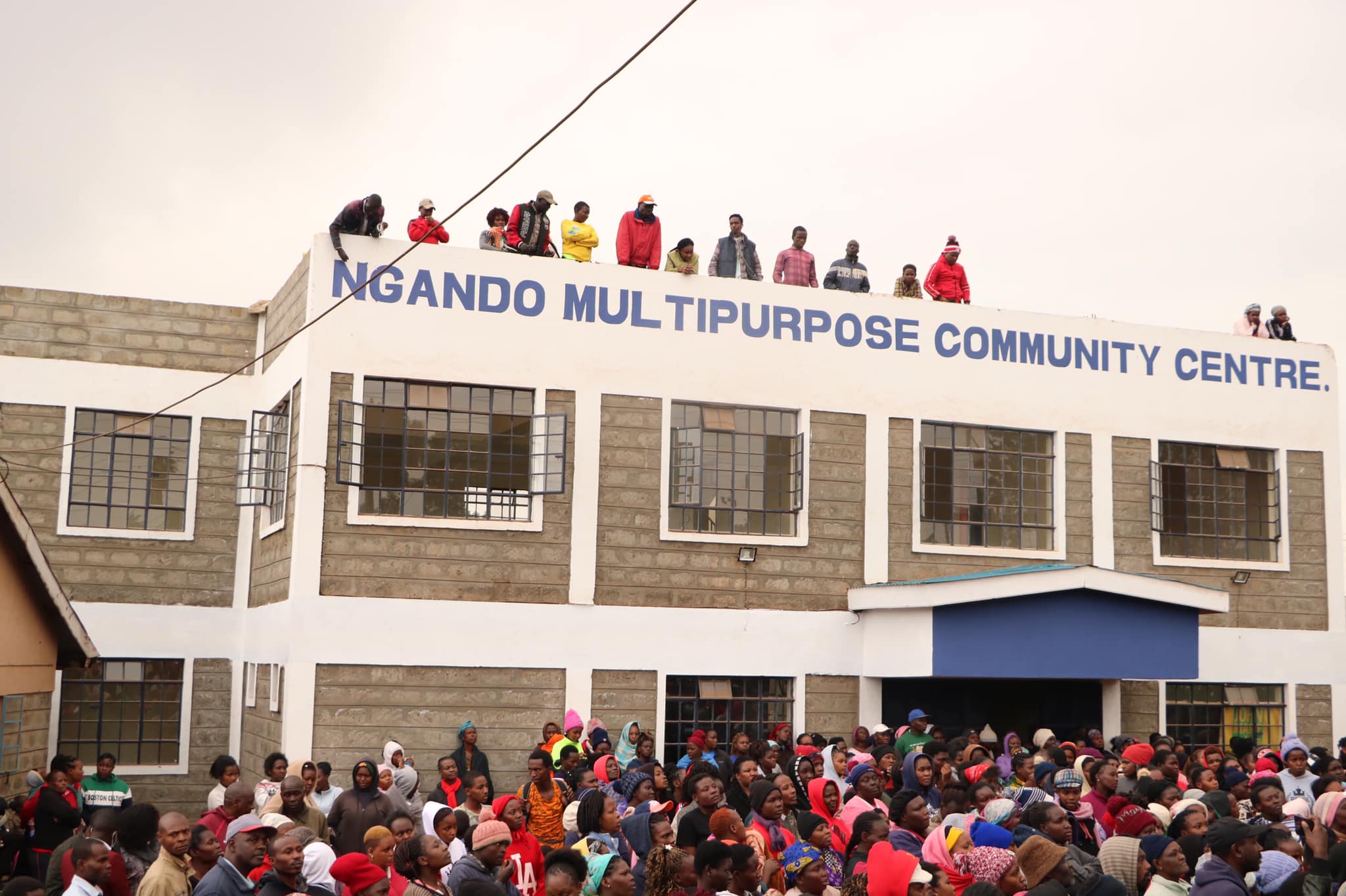
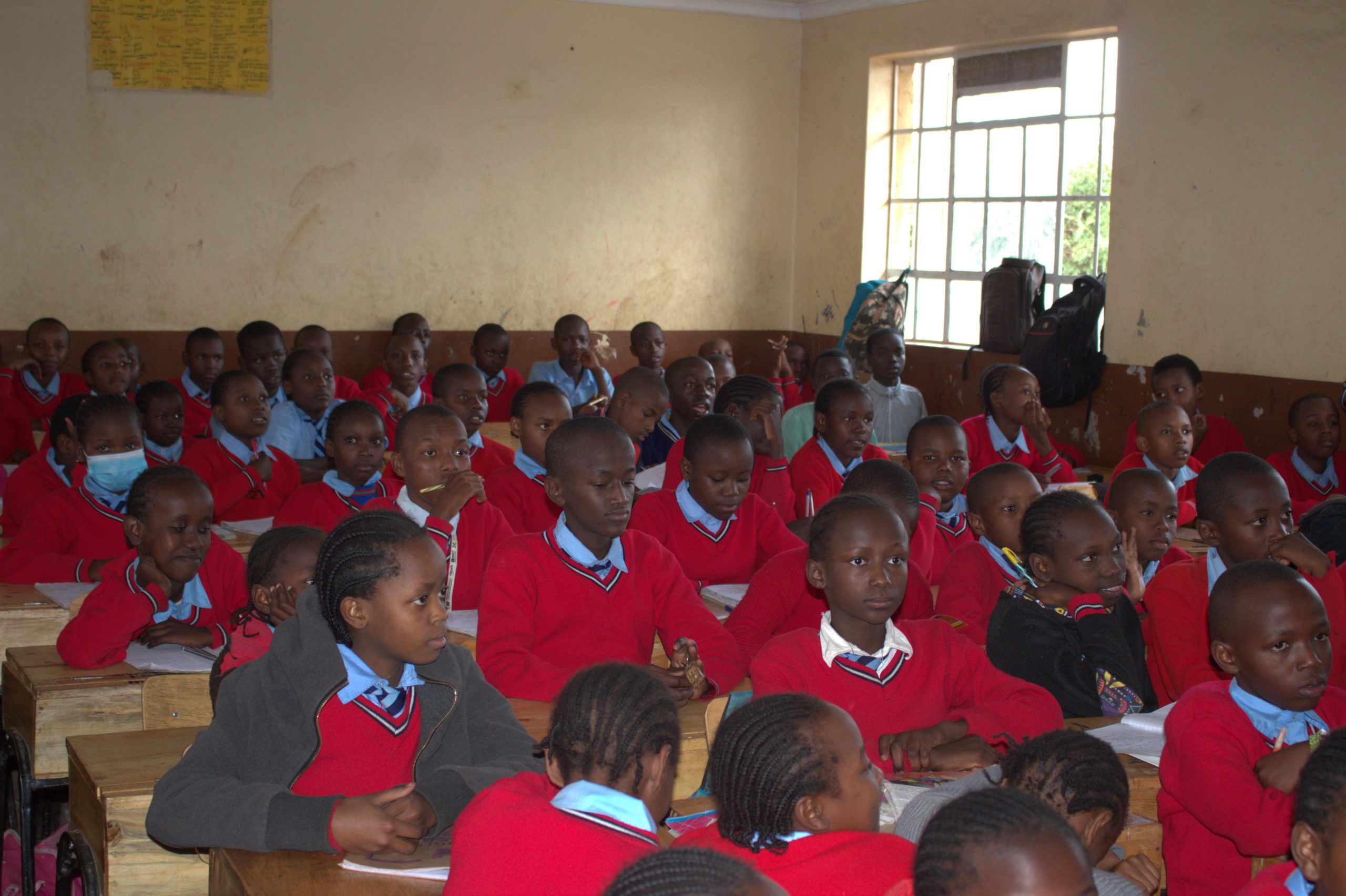
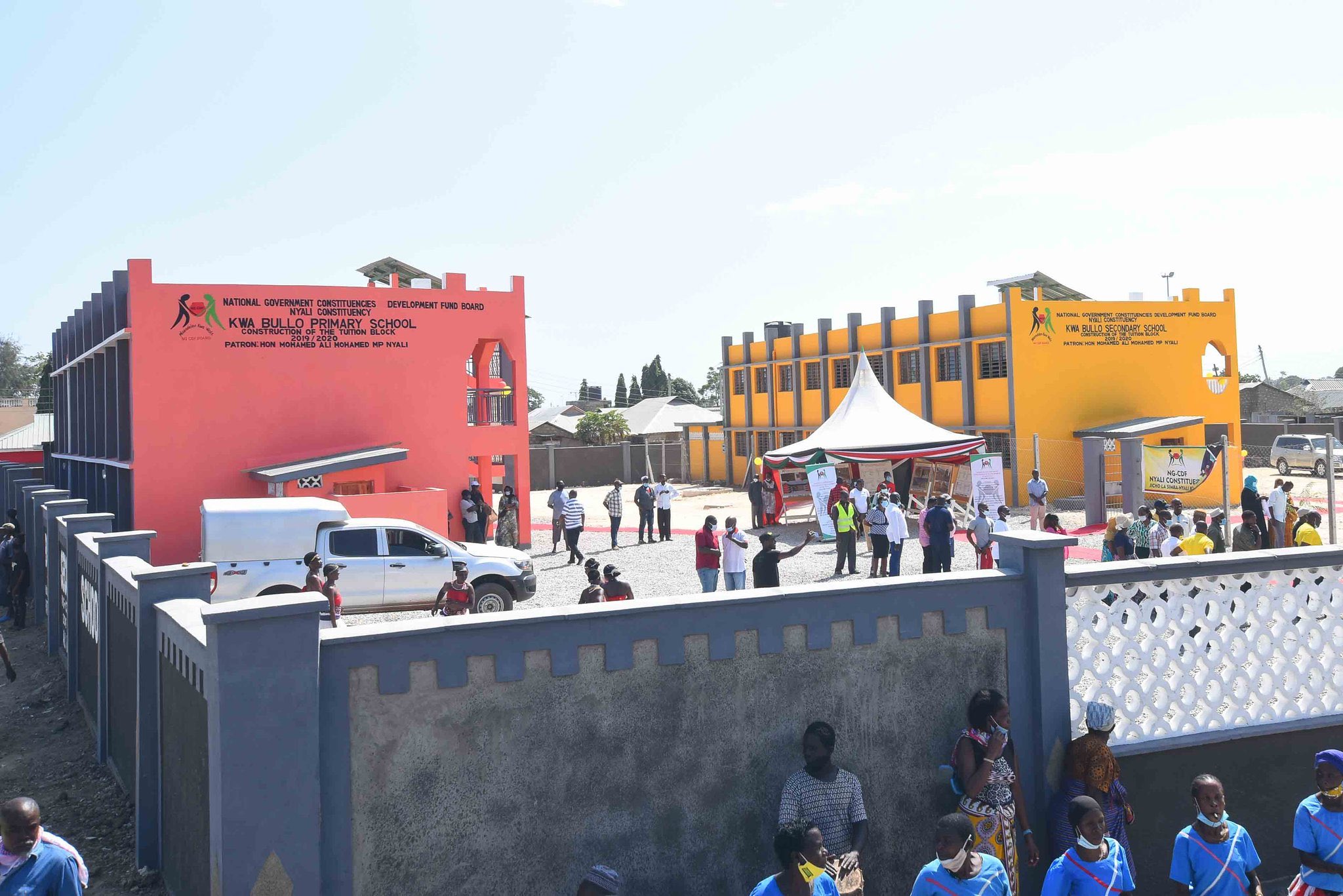
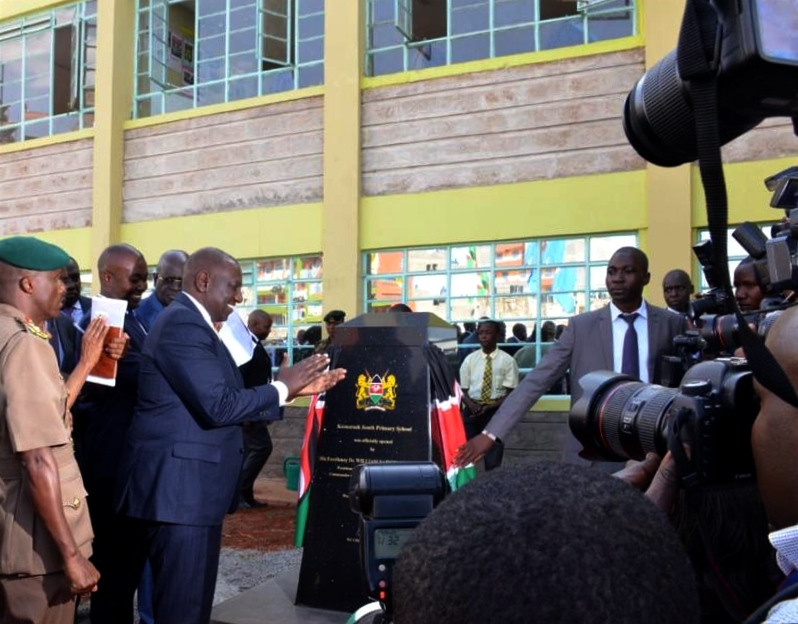
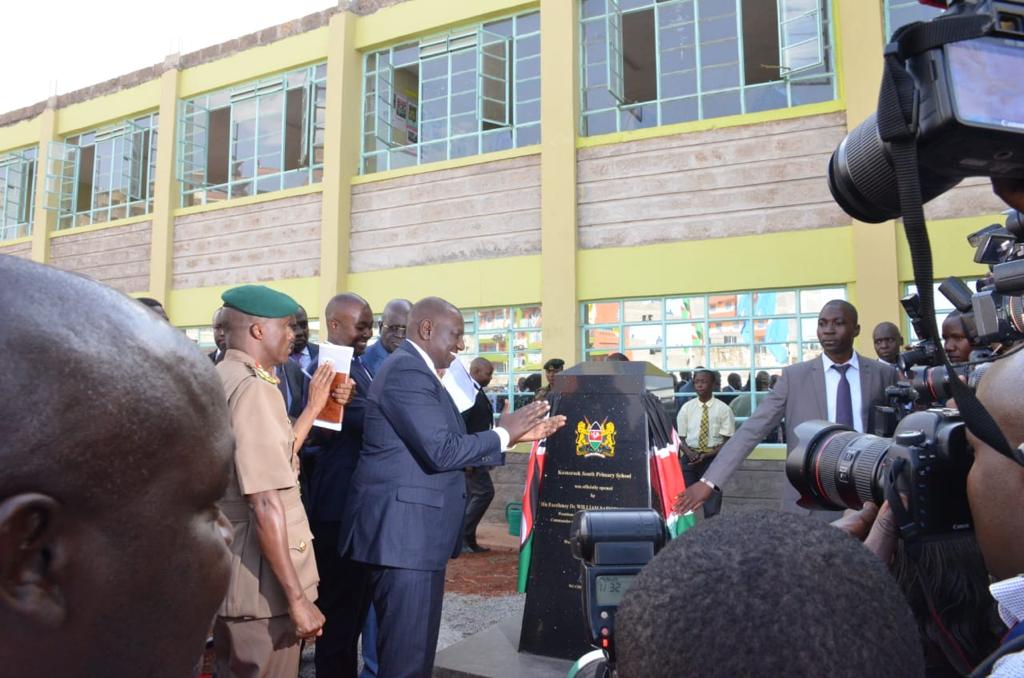
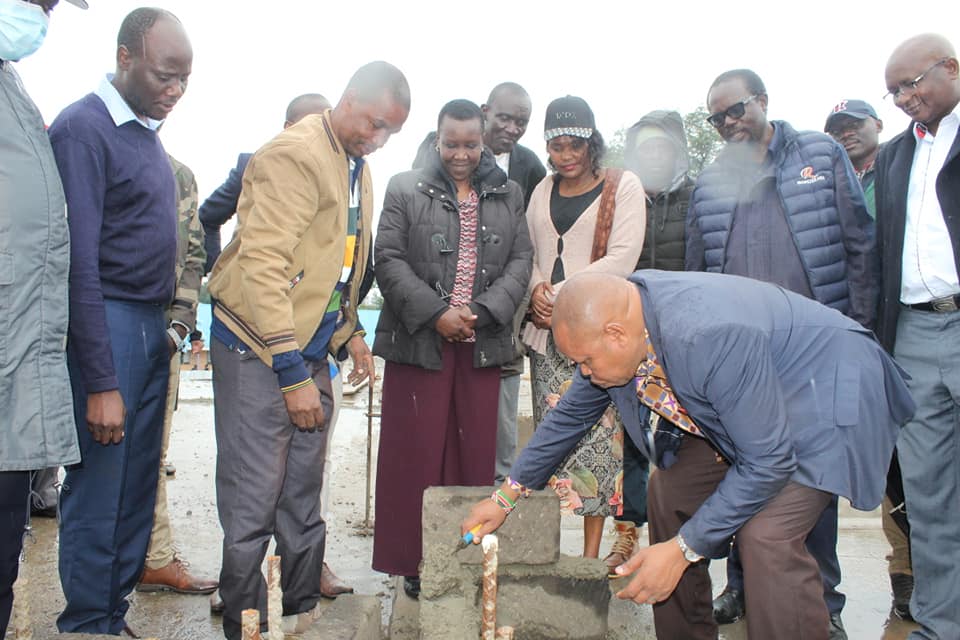
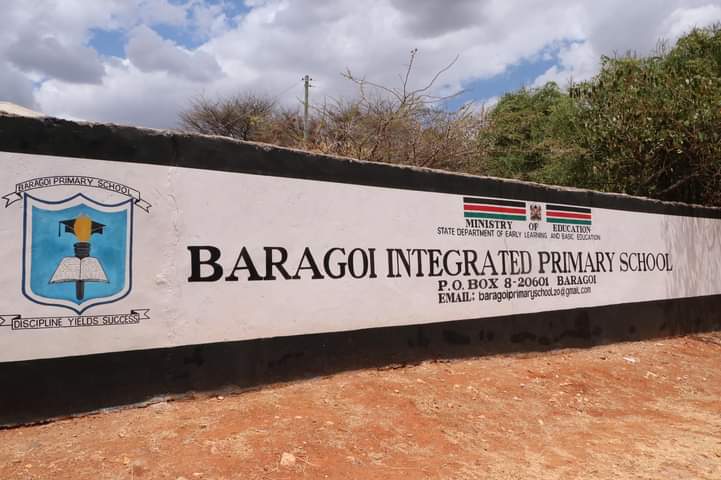
Schools Construction: Developing new schools to improve access to education. Since its inception in 2003, NG-CDF has facilitated establishment of infrastructural development in education sector key among them establishment of 3,087 new schools whereby 44.35% (1,369) and 55.65% (1,718) were primary and secondary schools respectively. The new schools initiated through the Fund have created additional learning capacity for approximately 882,026 students.

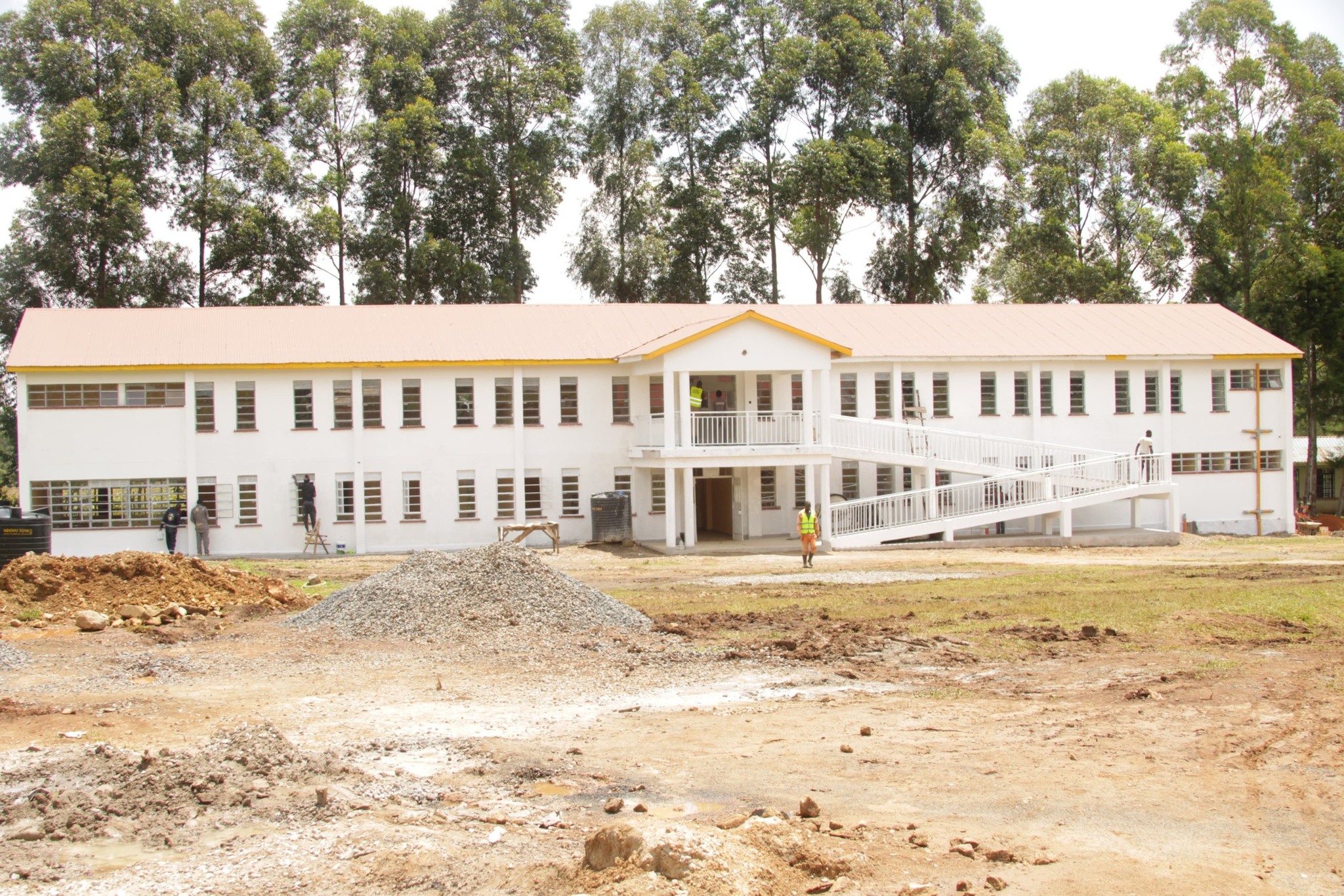
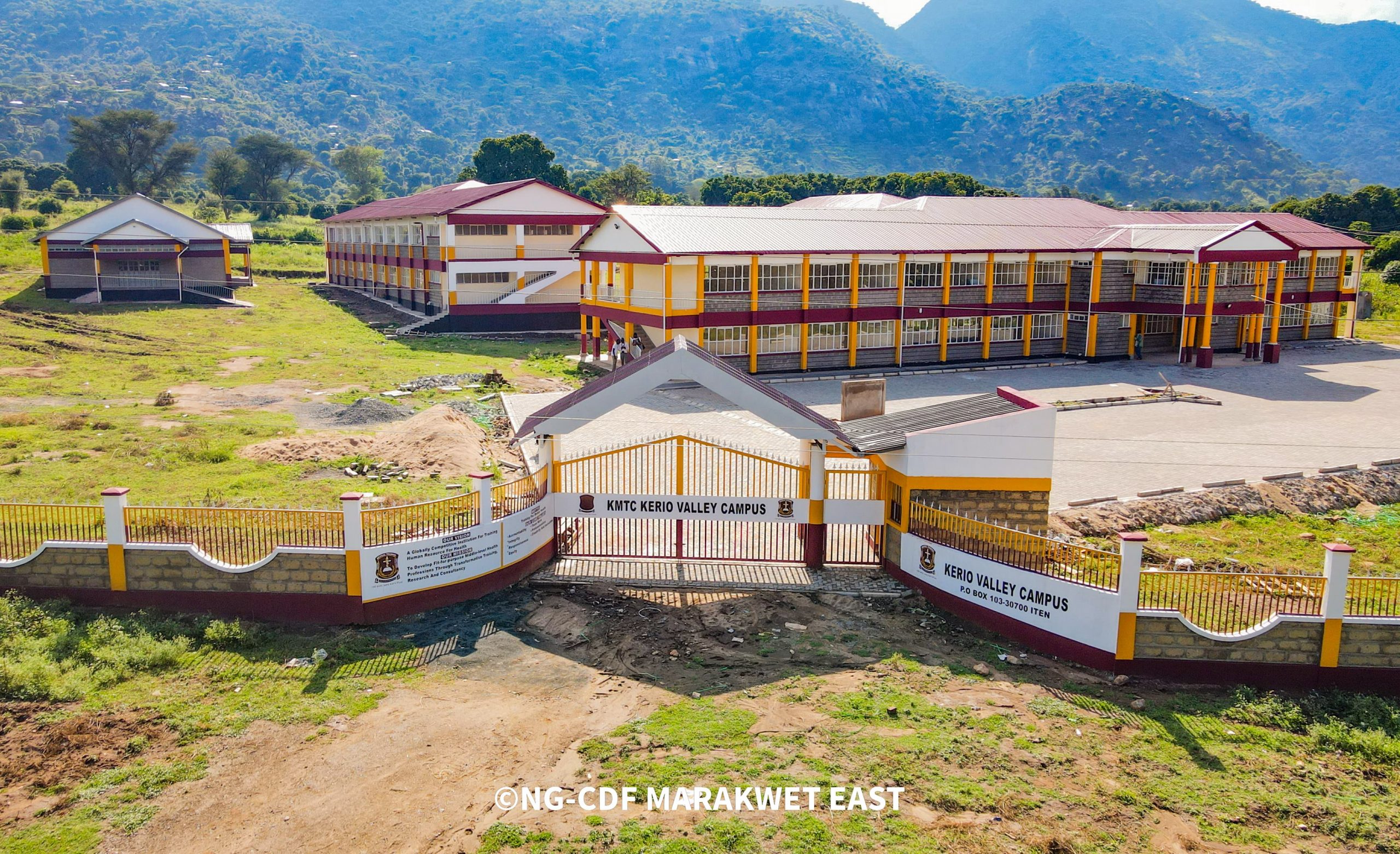
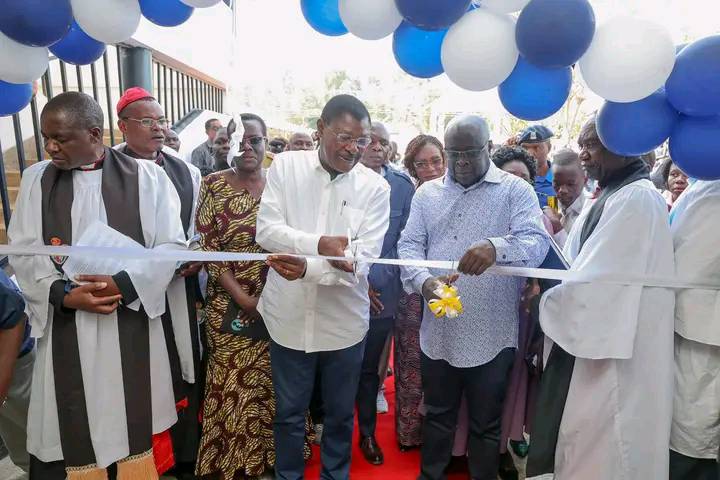
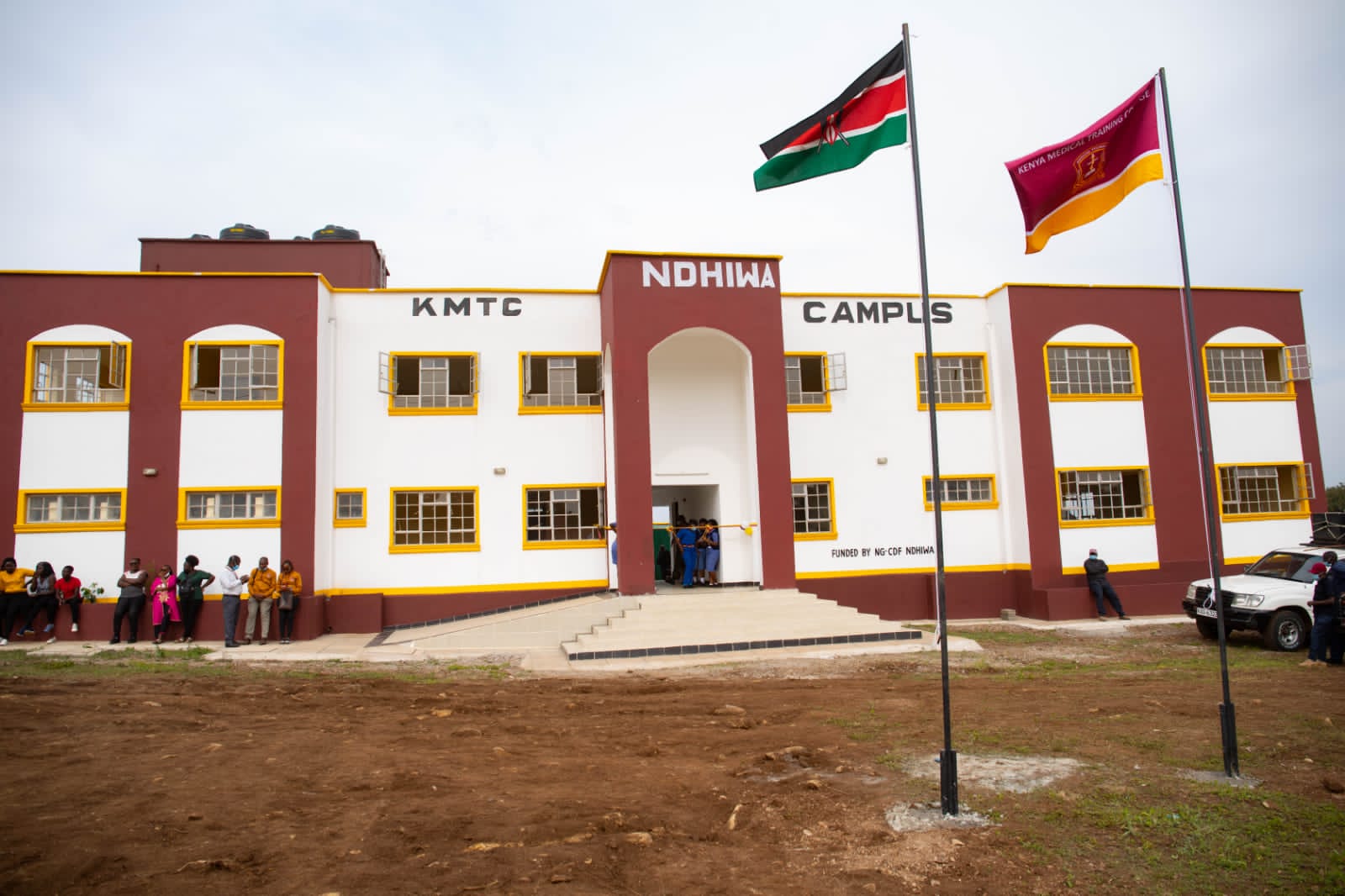
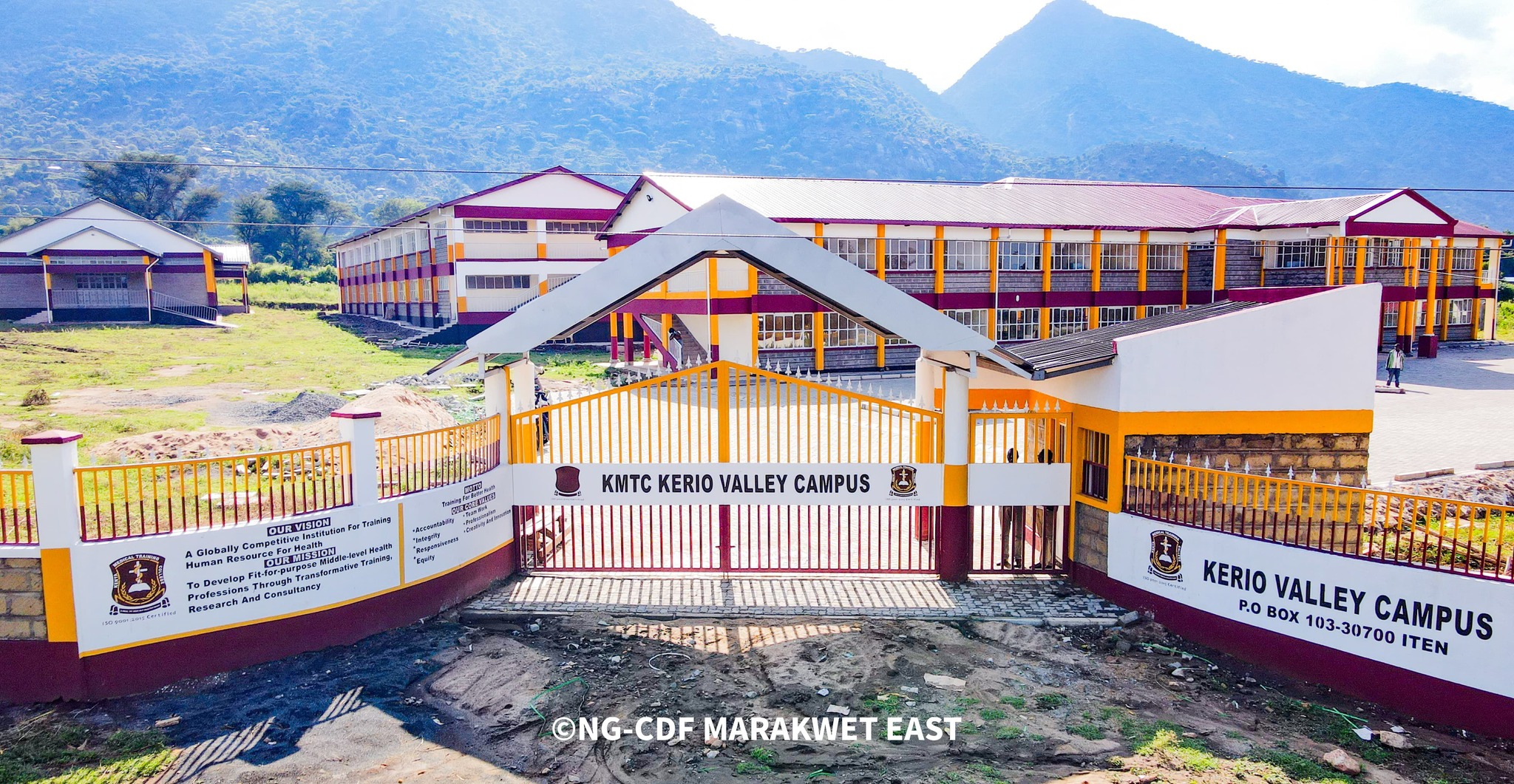
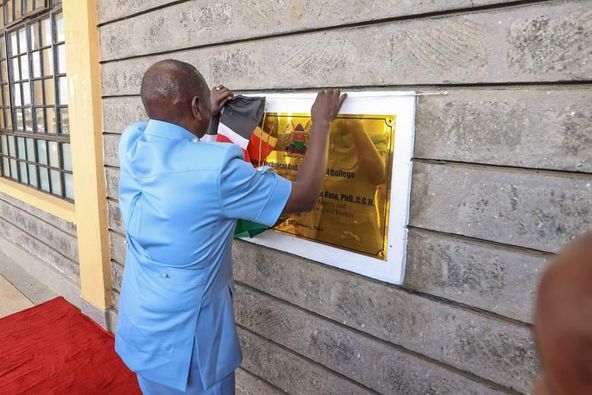
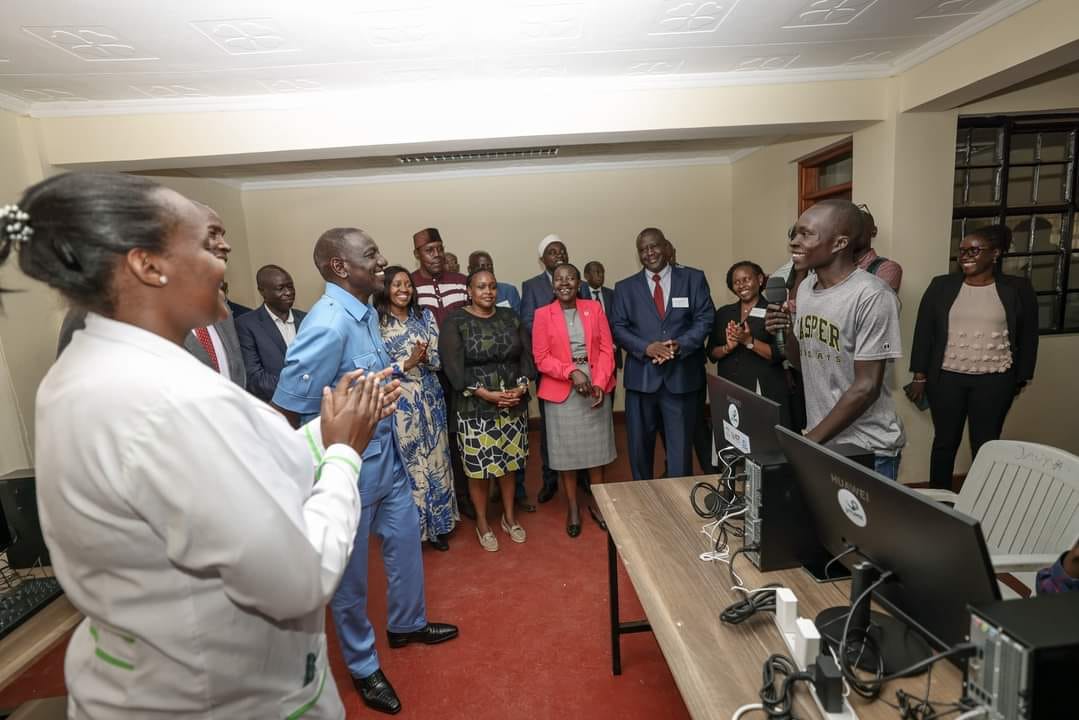
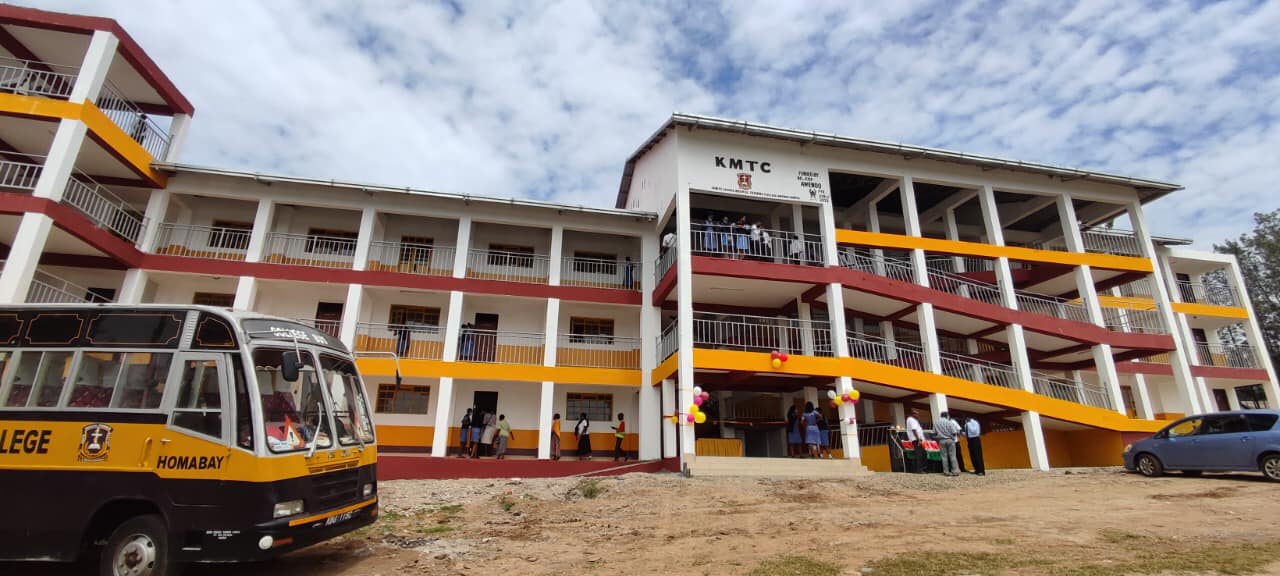
Health Facilities (KMTCs): The increase in demand for medical courses prompted the National Government Constituency Development Fund (NG-CDF) to take strategic measures in boosting the healthcare education In partnership with KMTC, the Fund has facilitated the establishment of 61 new campuses across the country and improved infrastructure in 13 pre-existing KMTC campuses. Among the campuses established by the Fund, 21 have been designated as main campuses by the KMTC Board, constituting 28.37% of the total 74 main campuses in Kenya. These campuses have enrolled approximately 13,551 students.

Security Infrastructure
To enhance safety and security within constituencies, the Fund supports the construction of the Chief’s/Assistant Chief’s offices, police stations/patrol houses and staff houses. In addition, the Fund supports the construction of high mast security lights in various centers in the country has helped to significantly reduce crime rate and creating conducive business atmosphere thereby enhancing economic standards.

Social Sector
The social sector includes seven key priority areas: Universal Health Coverage (UHC), Social Protection, Human Capital Development, Science, Technology, and Innovation, Digitalization, Economic Empowerment, and Population and Development. Its primary focus is to enhance the quality of life through improved access to essential services.
Healthcare: The government will achieve this by promoting access to affordable and high-quality essential health products and technologies, digitizing health services and records, and expanding health infrastructure and
The Fund, in partnership with the NHIF, finances health insurance premiums for vulnerable households to support the government’s Universal Health Coverage (UHC) policy. This significantly improves the health of the poorest and most disadvantaged Kenyans. Additionally, the Fund supports the development of new Kenya Medical Training Colleges campuses and improves infrastructure in existing ones, leading to an increase in the number of medical service providers in the country. This is supplemented by bursaries for needy students.
Education and Human capital development: The government aims to recruit 116,000 teachers, implement education reforms, improve infrastructure in all learning institutions, and strengthen the relationship between industry and training
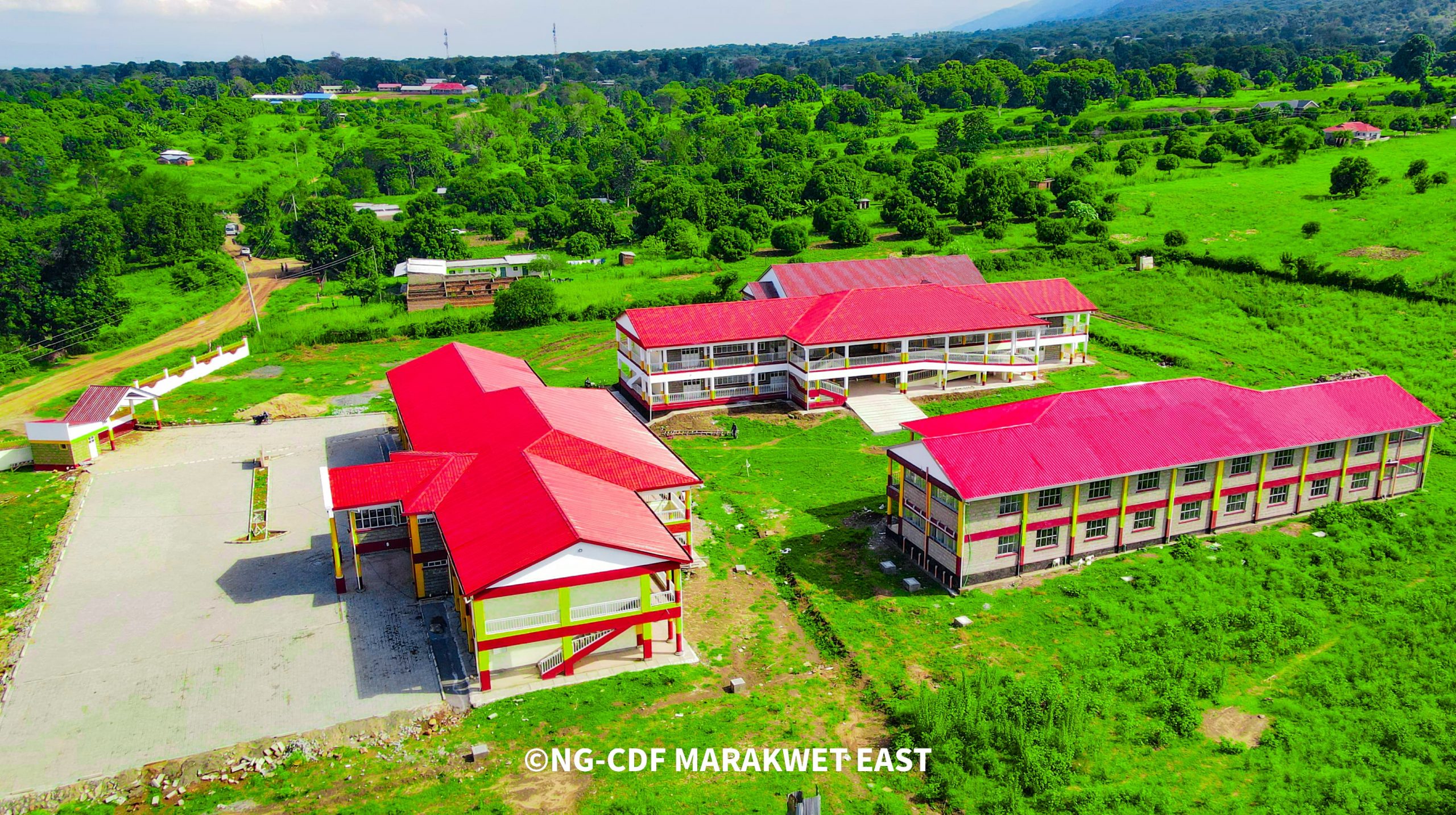
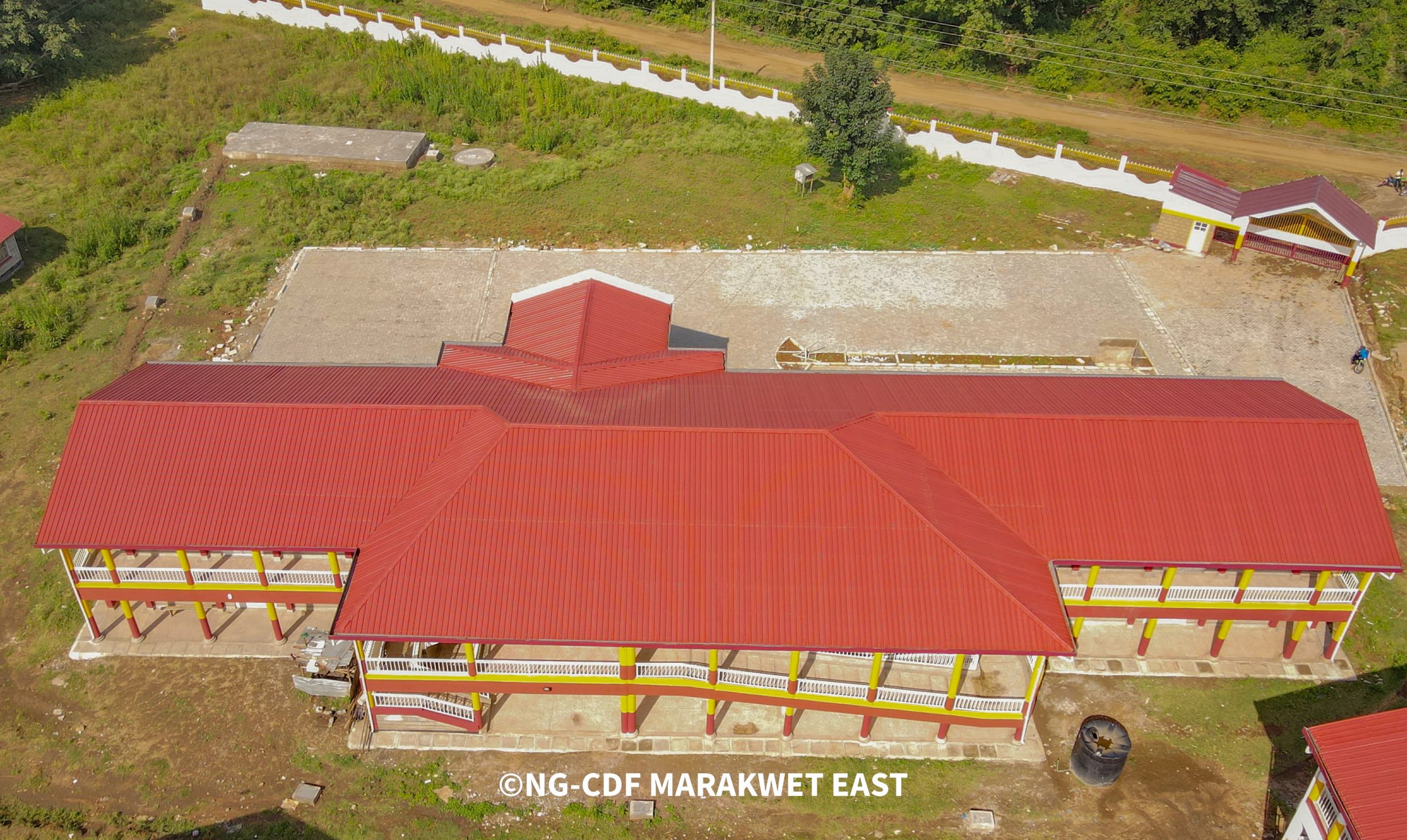
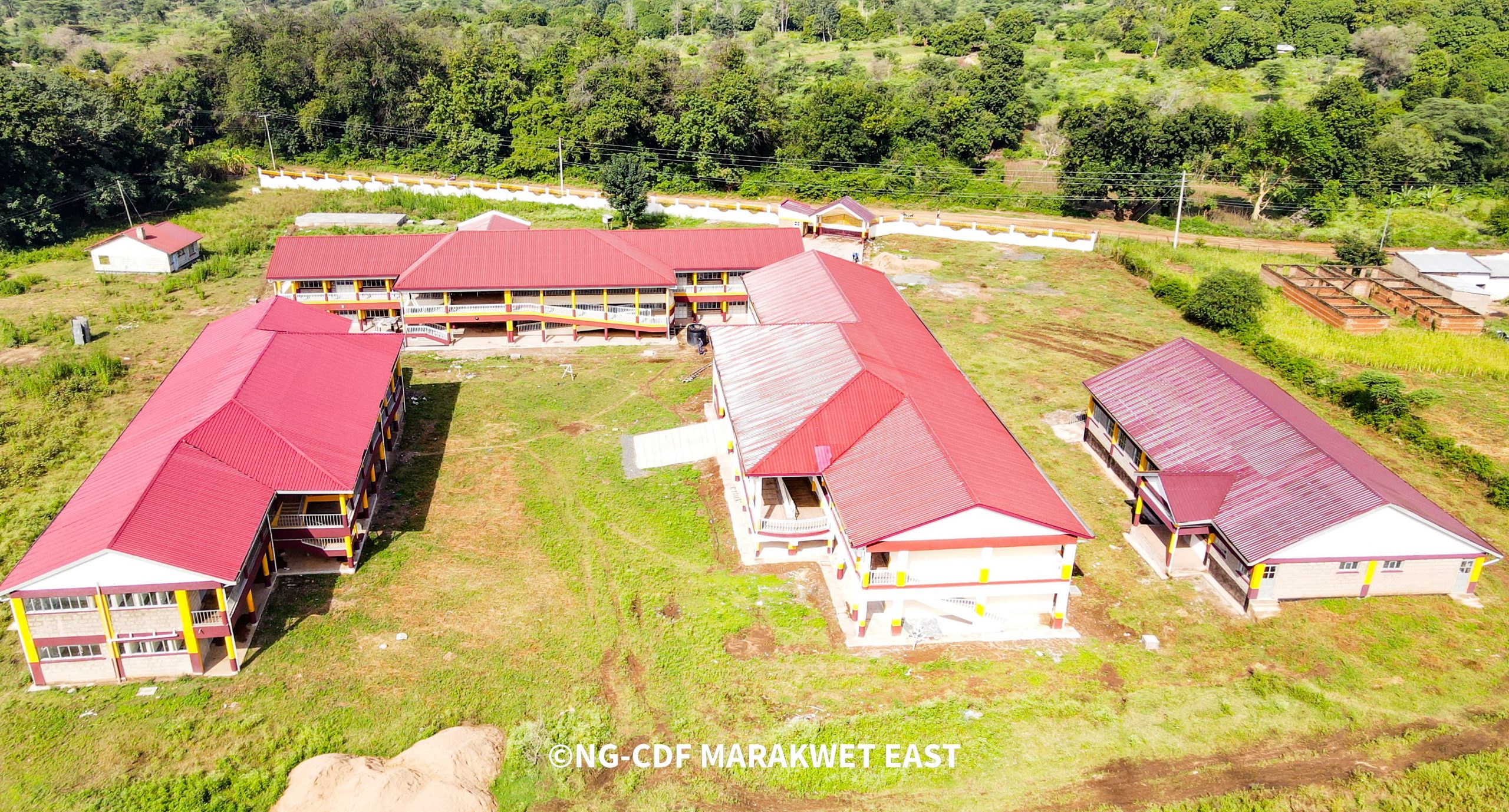
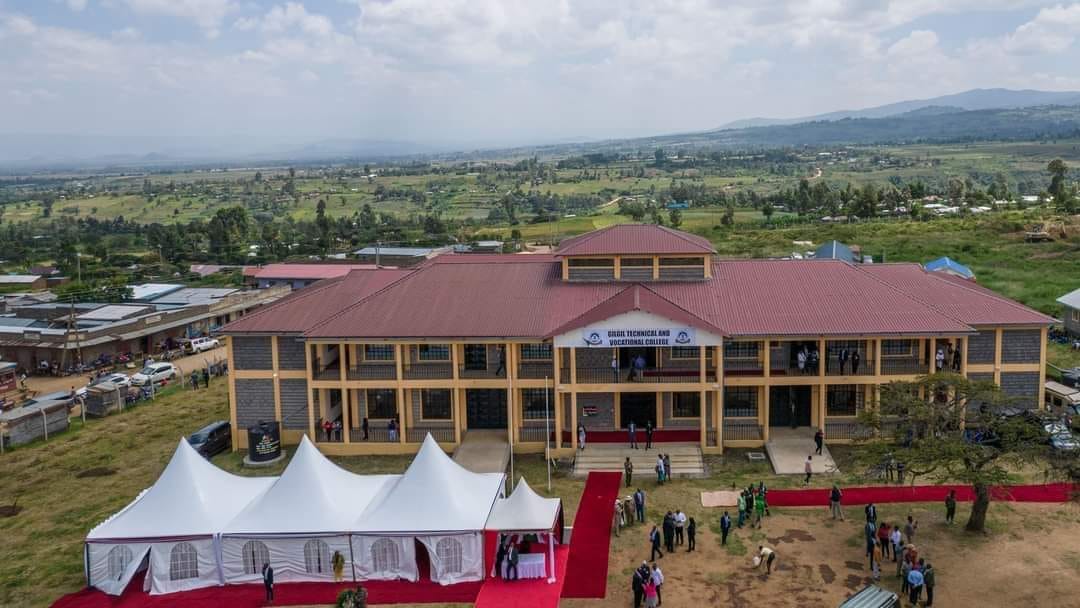
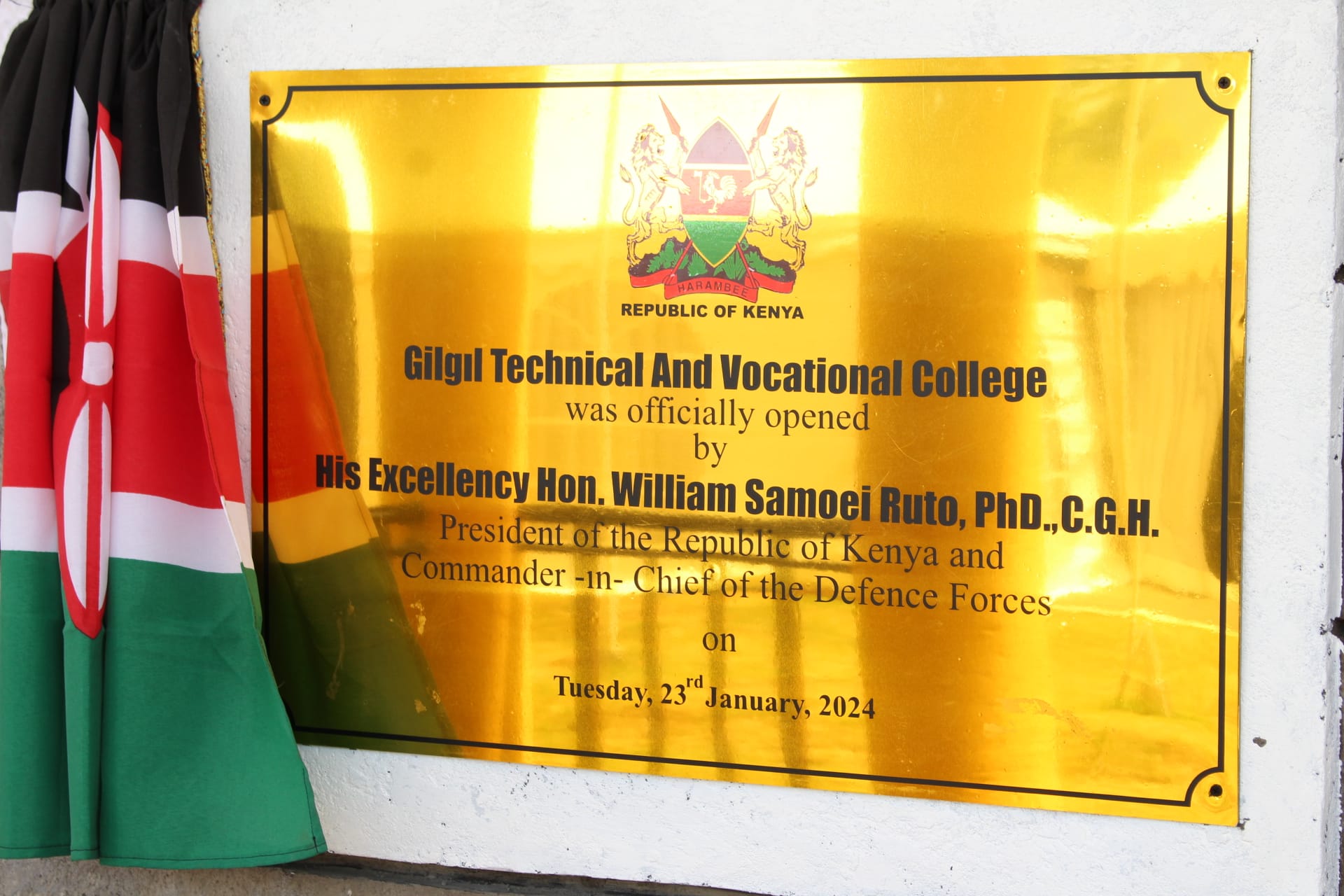
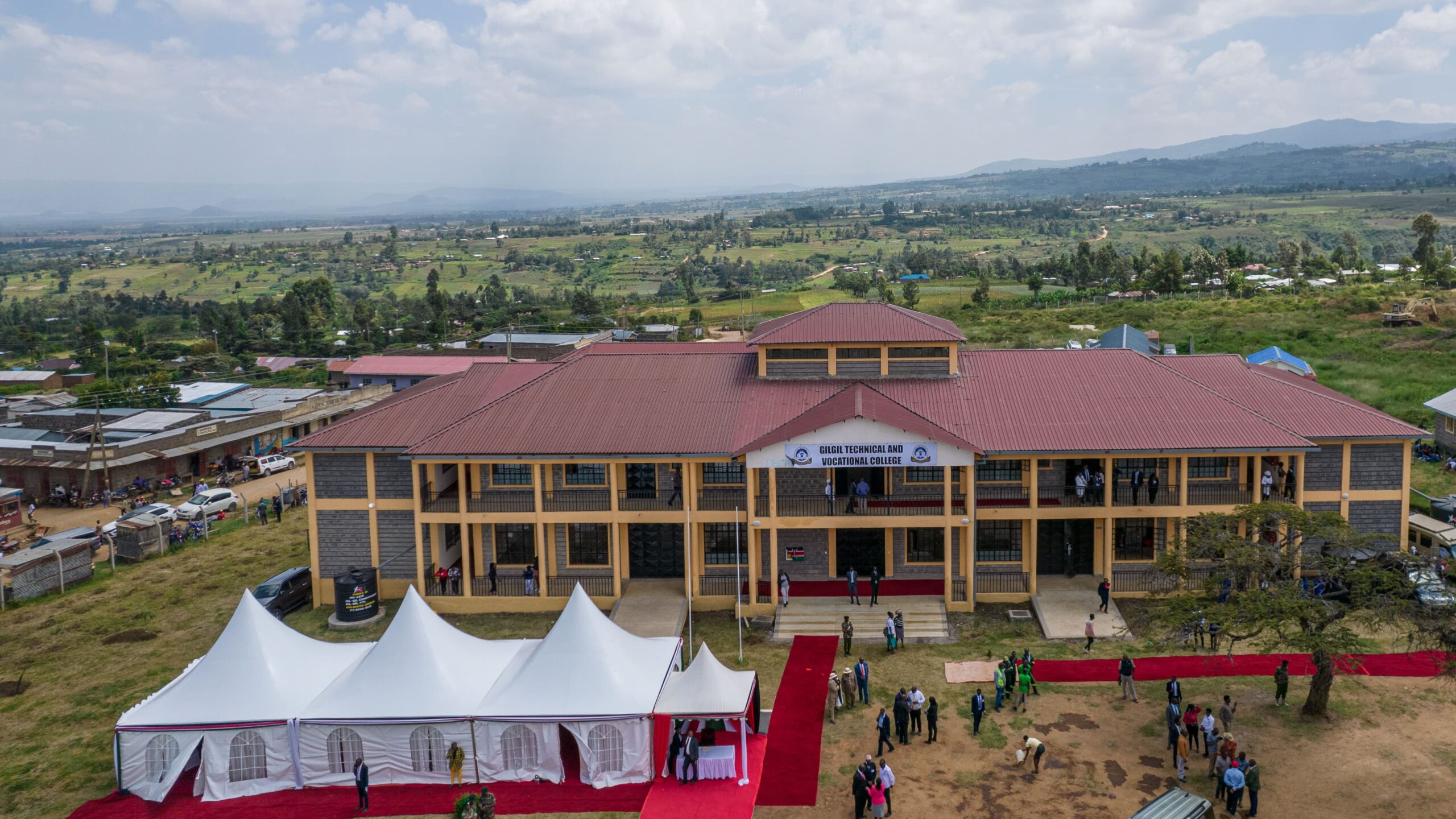
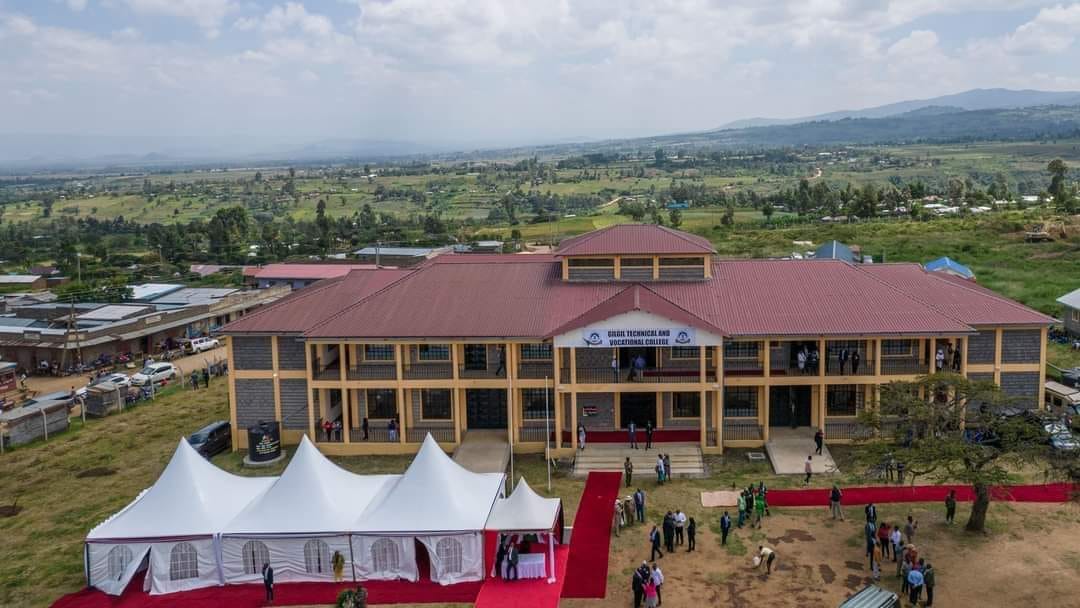
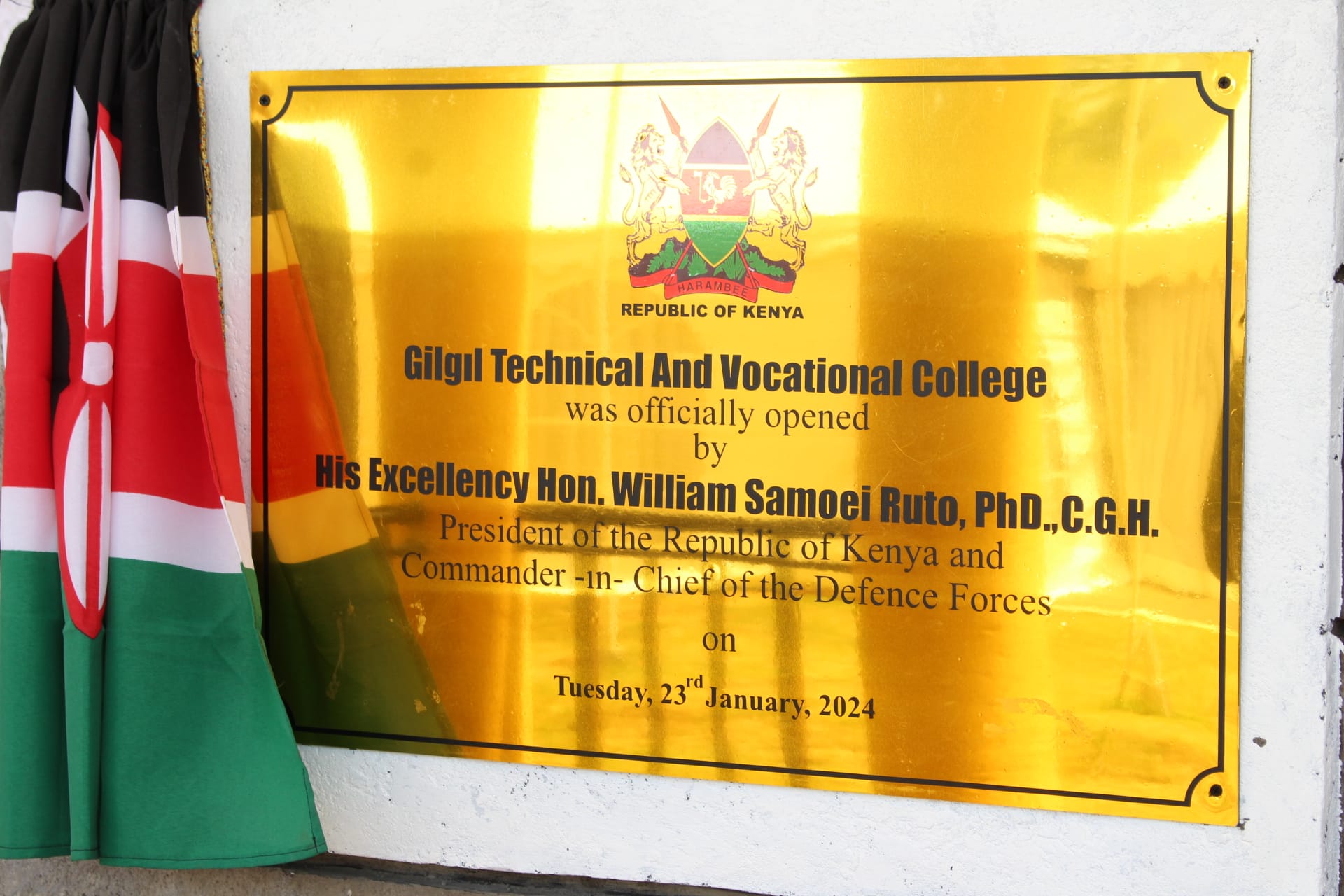
To complement these efforts, the Board partnered with the Ministry of Education to finance the construction of at least 155 Technical Training Institutes across the country. The TTI`s serve to bridge the skills gap faced by the Kenyan manufacturing sector. The development of the TTIs complement the National Government`s capacity building initiatives in as far as provision of quality vocational training are at par with global standards. The TTI`s have been important in the provision of skills and competencies which are crucial for the development of hands-on workers and a skilled human resource base for national development. They offer programmes that equip the graduates with quality and relevant skills and competencies to meet the needs of the labor markets. The graduates have been employed in the manufacturing industries, building and construction industry among others.
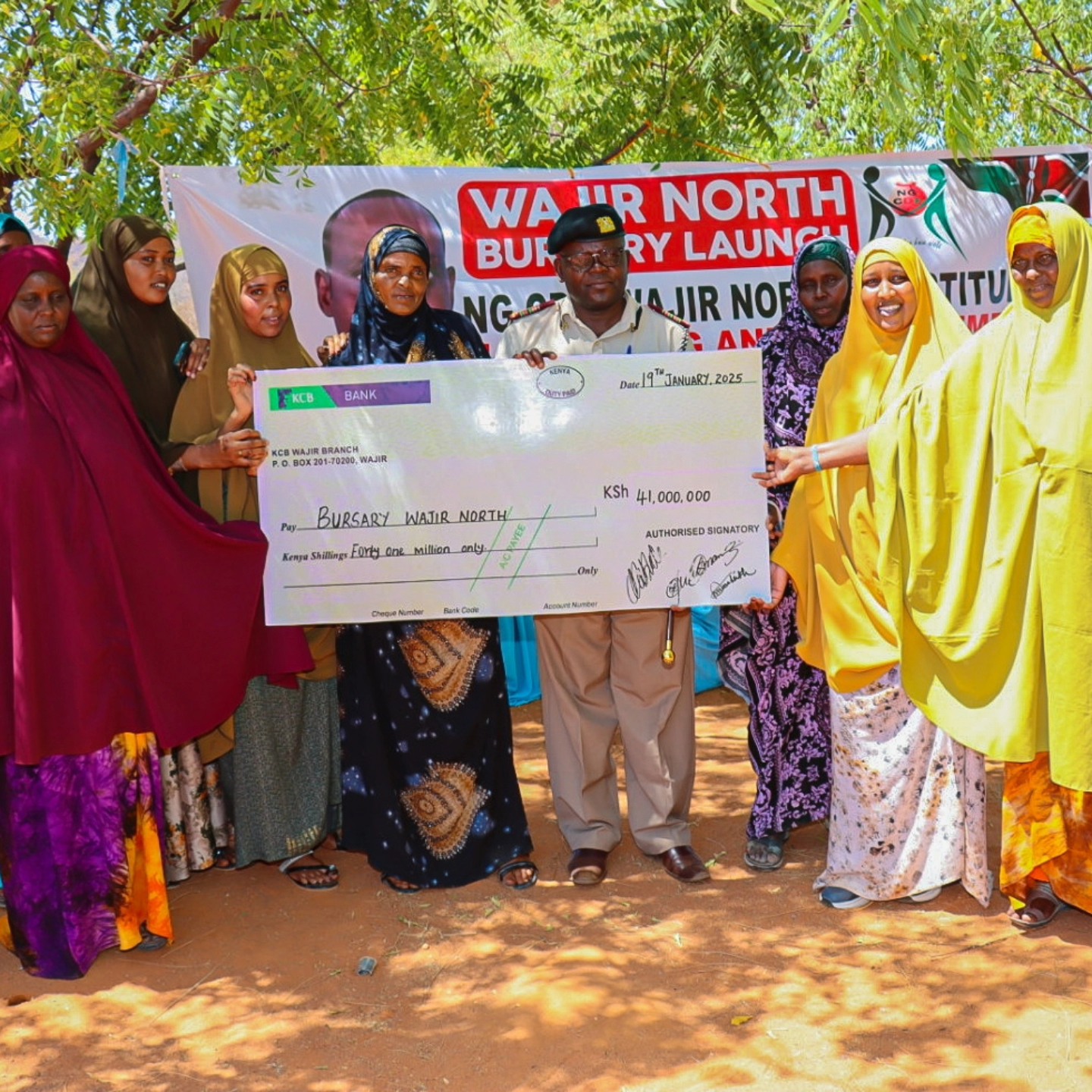
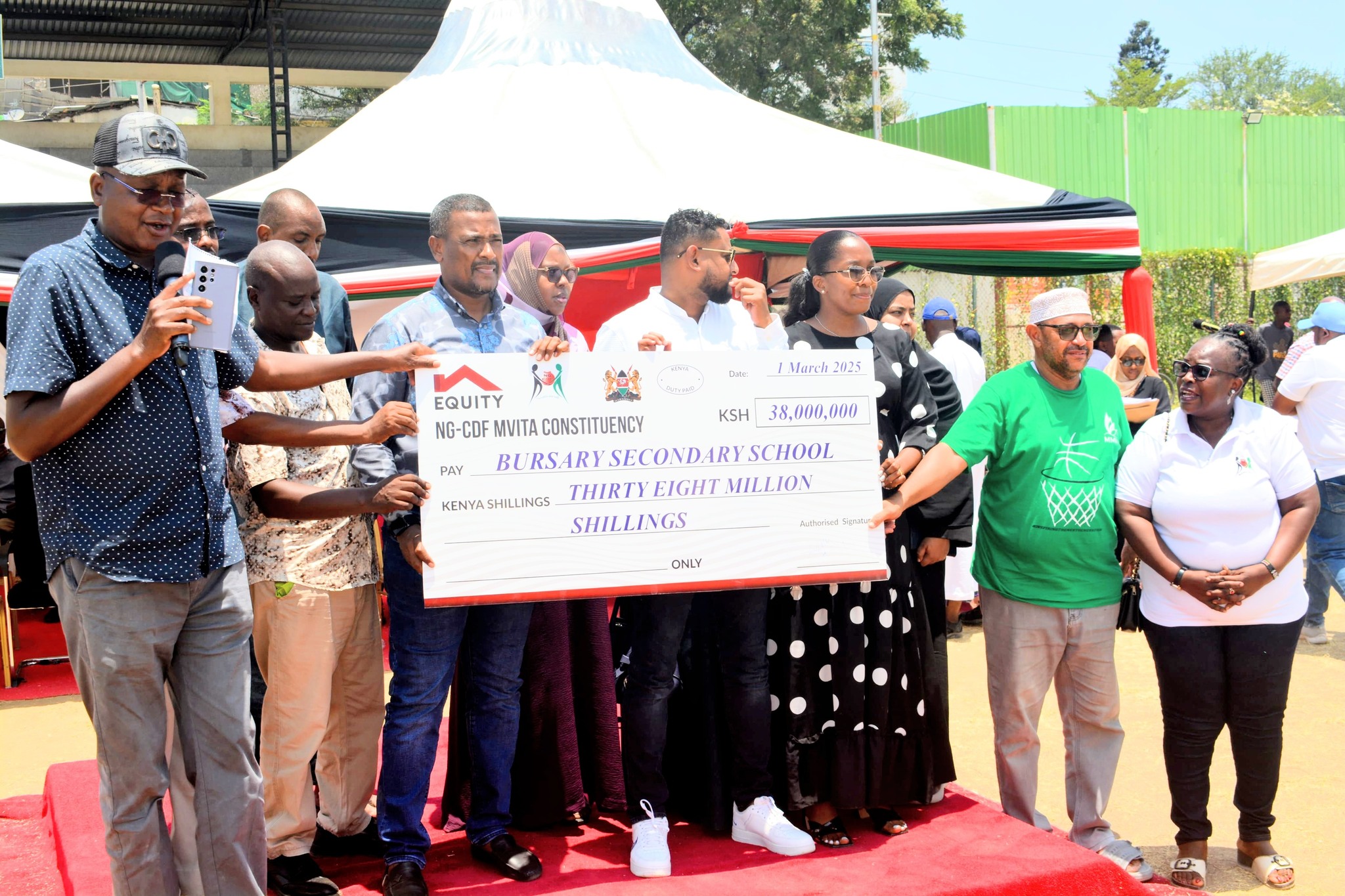
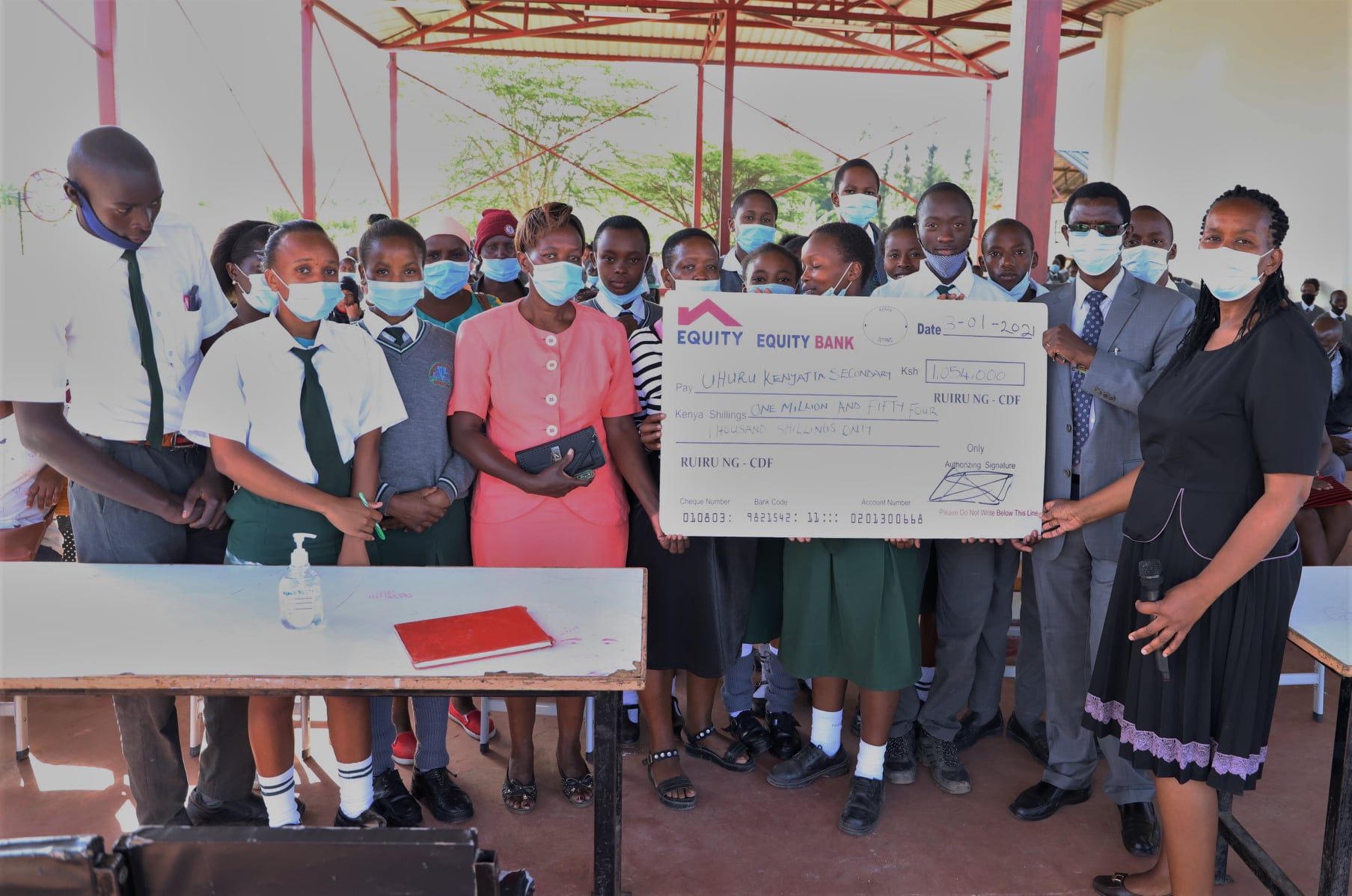
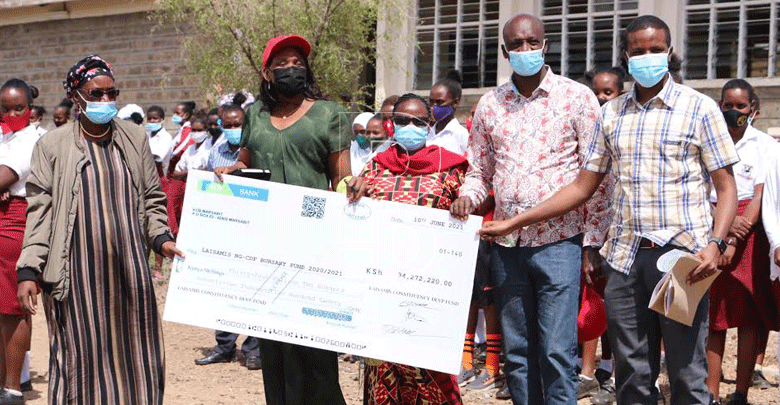
The Fund provides bursary to the needy and deserving students. this has helped retain students from low-income families in schools therefore equipping them with basic education and technical skills to access employment opportunities. About 1.1 million students benefit from the bursary schemes every year. These initiatives align with the government’s goal of achieving 100% enrollment and transition rates, ultimately leading to enhanced human capital development.
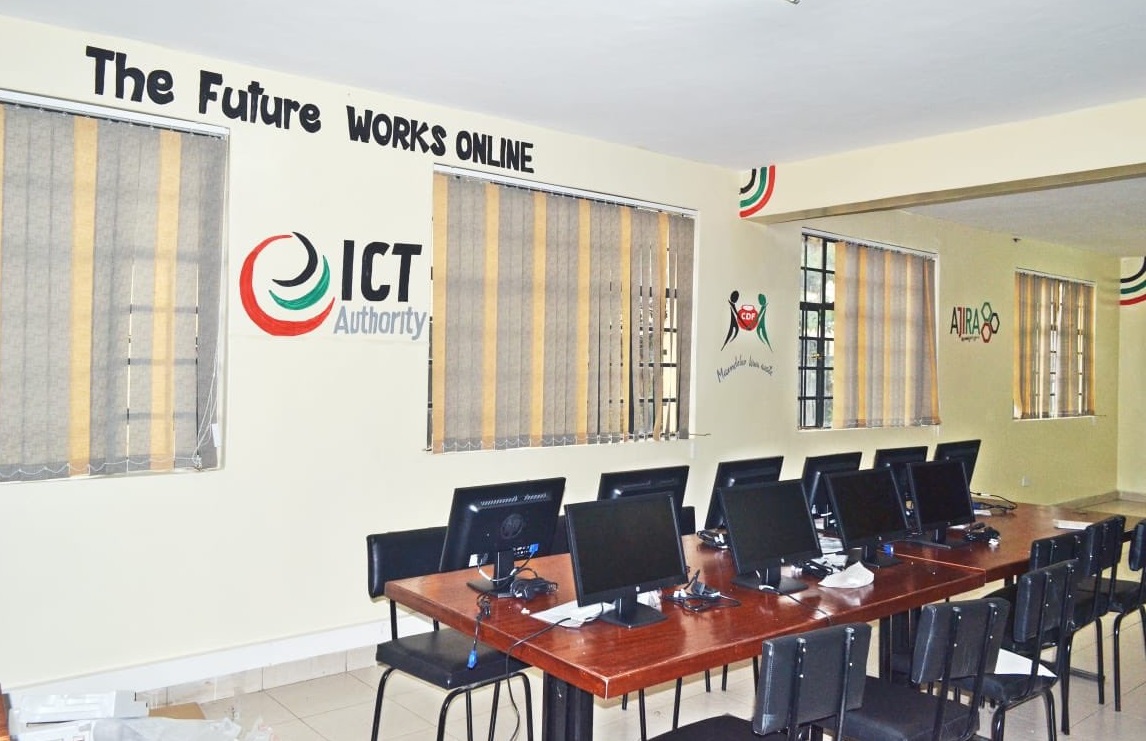
- Digital Superhighway and Creative Economy: One of the key strategies in the government’s agenda is to expand Internet connectivity. This involves constructing an additional 100,000km of National Optic Fiber Backbone Infrastructure. The goal of digitizing 80 percent of government services and records is to improve the delivery of public.
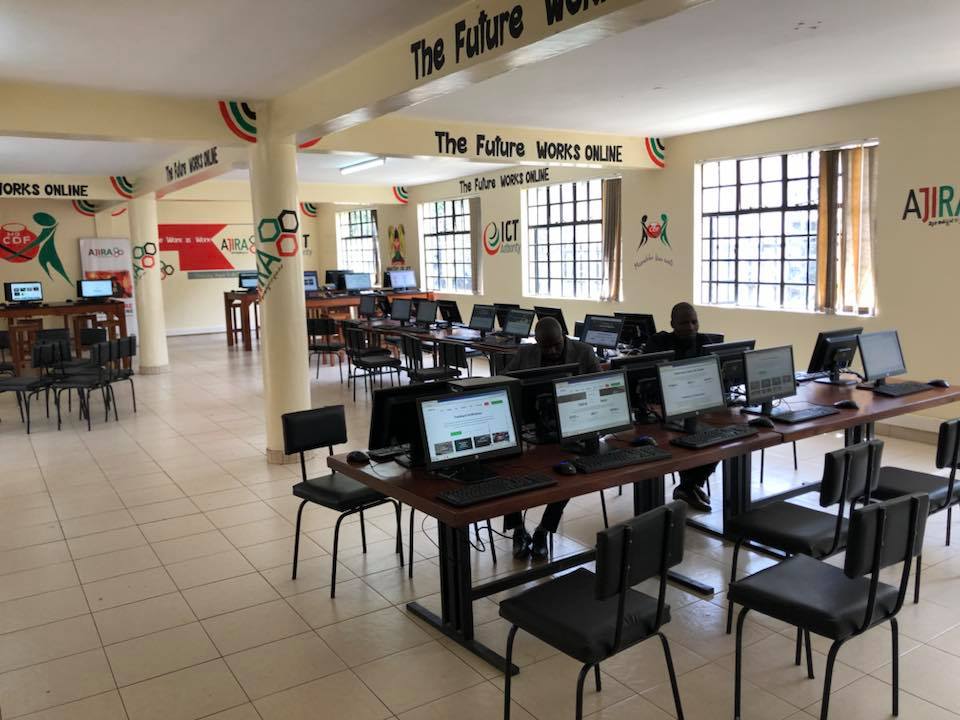
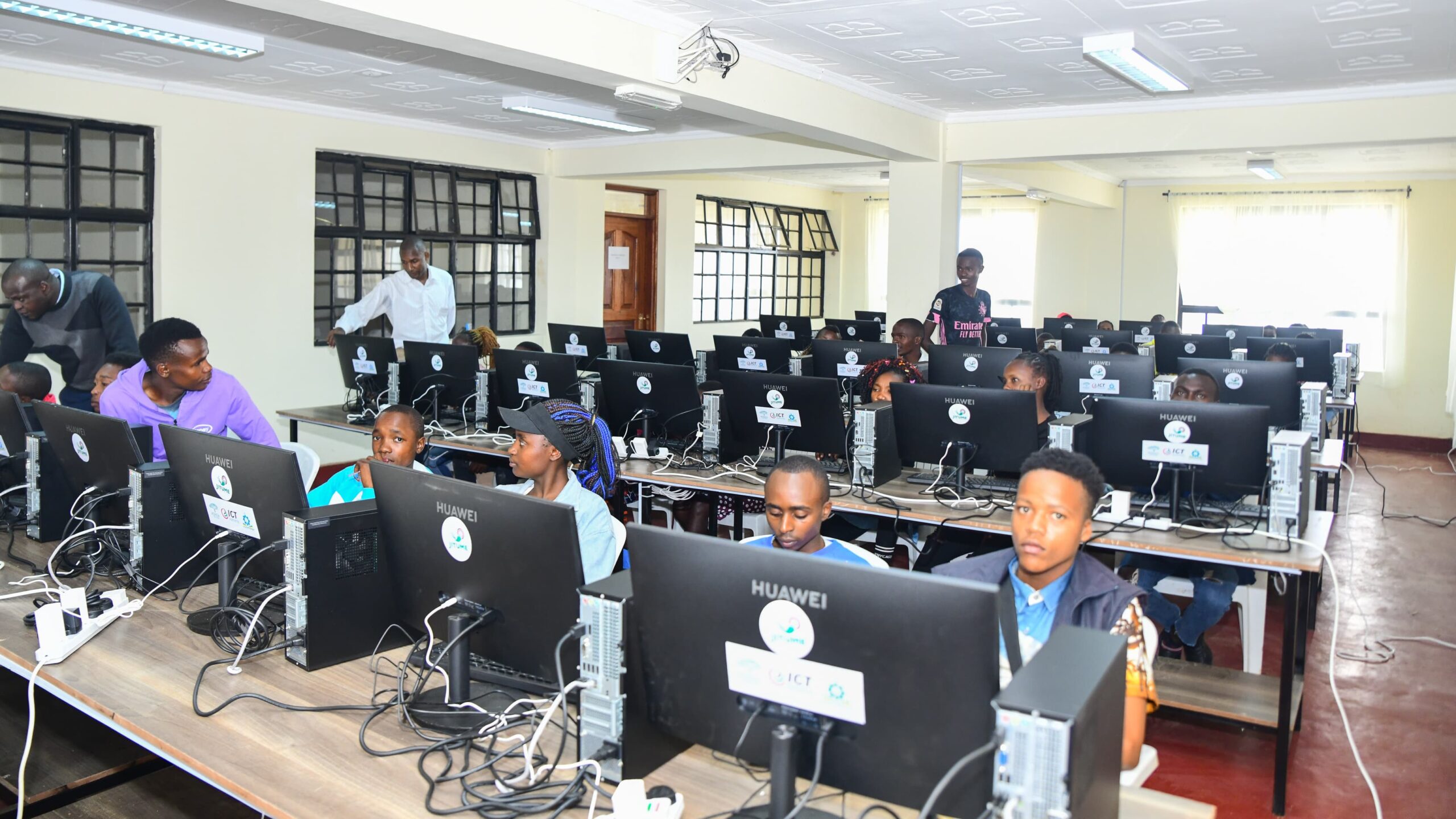
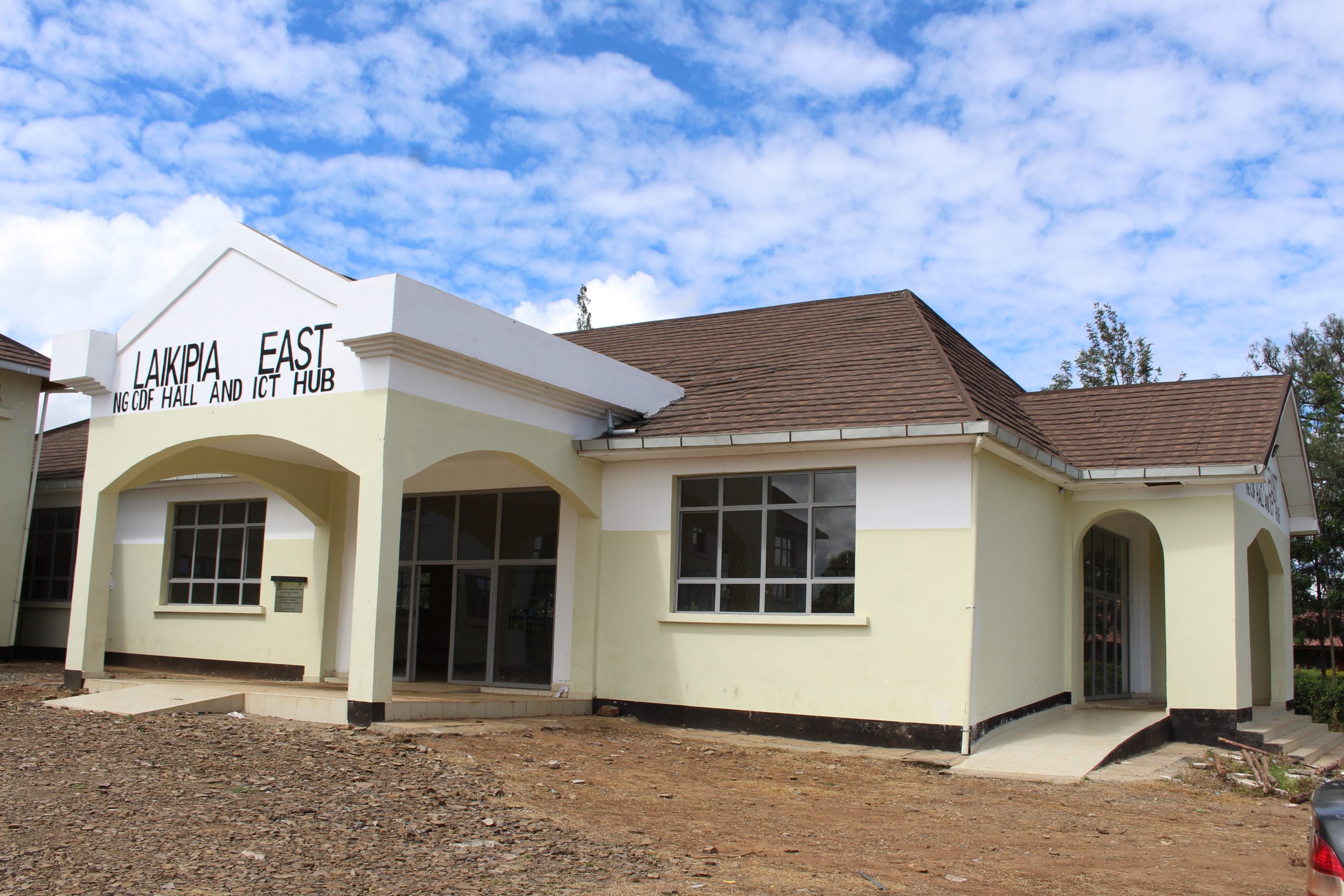
The Fund finances construction of Constituency Innovation hubs (CIH). The CIHs aim to enhance awareness and uptake of on-line platforms for employment and business opportunities. So far, the Fund has financed construction of 116 CIHs in 104 constituencies. Further the NG-CDF together with the ministry of Information Communication and Digital Economy are expected to support establishment of 1,450 Digital Hubs, one in each ward to enhance access to digital opportunities. The Fund is working to automate its operations to improve efficiency and effectiveness, which aligns with BETA’s focus on the Digital Superhighway and Creative Economy.
Environment and Natural Resources Sector.
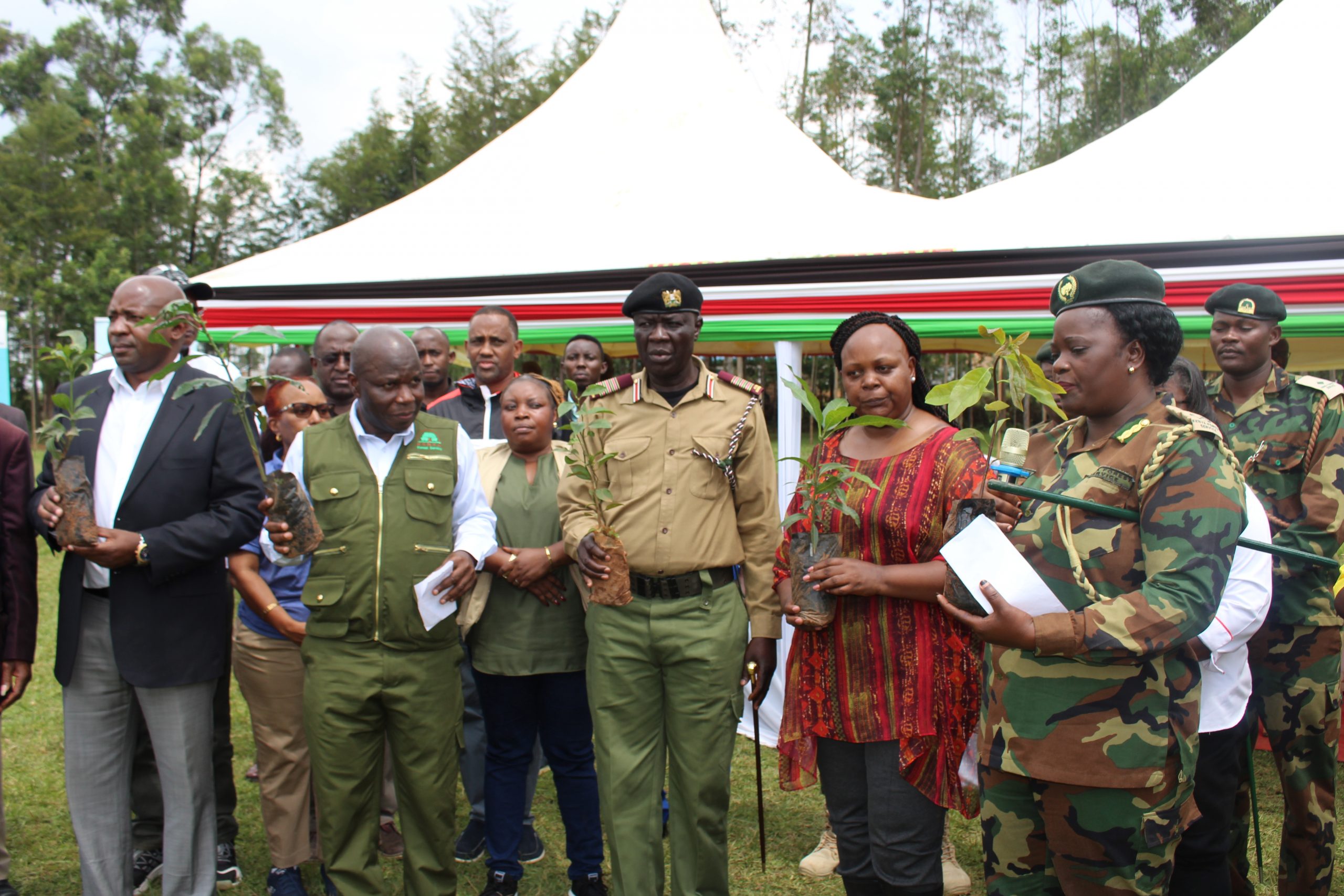
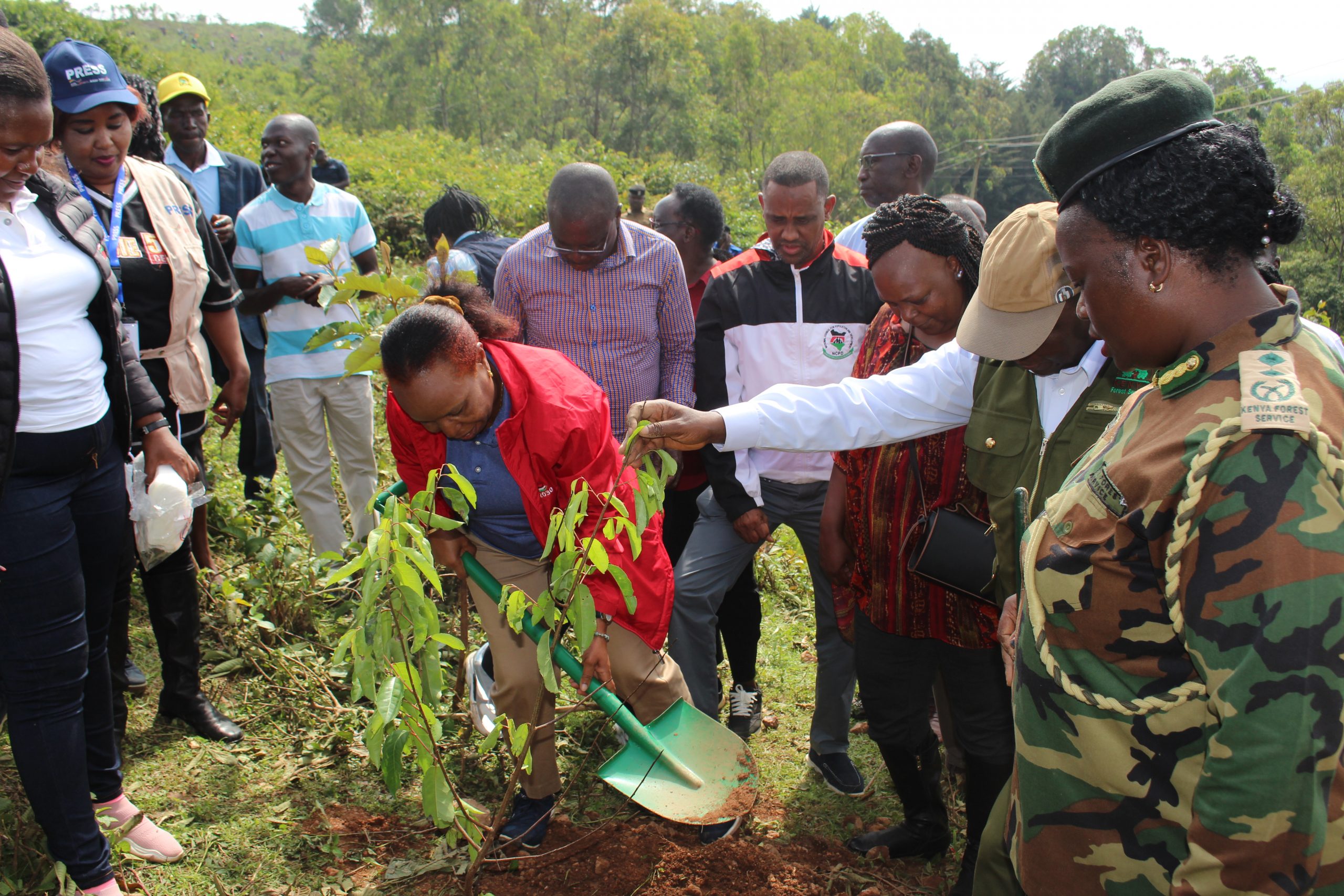
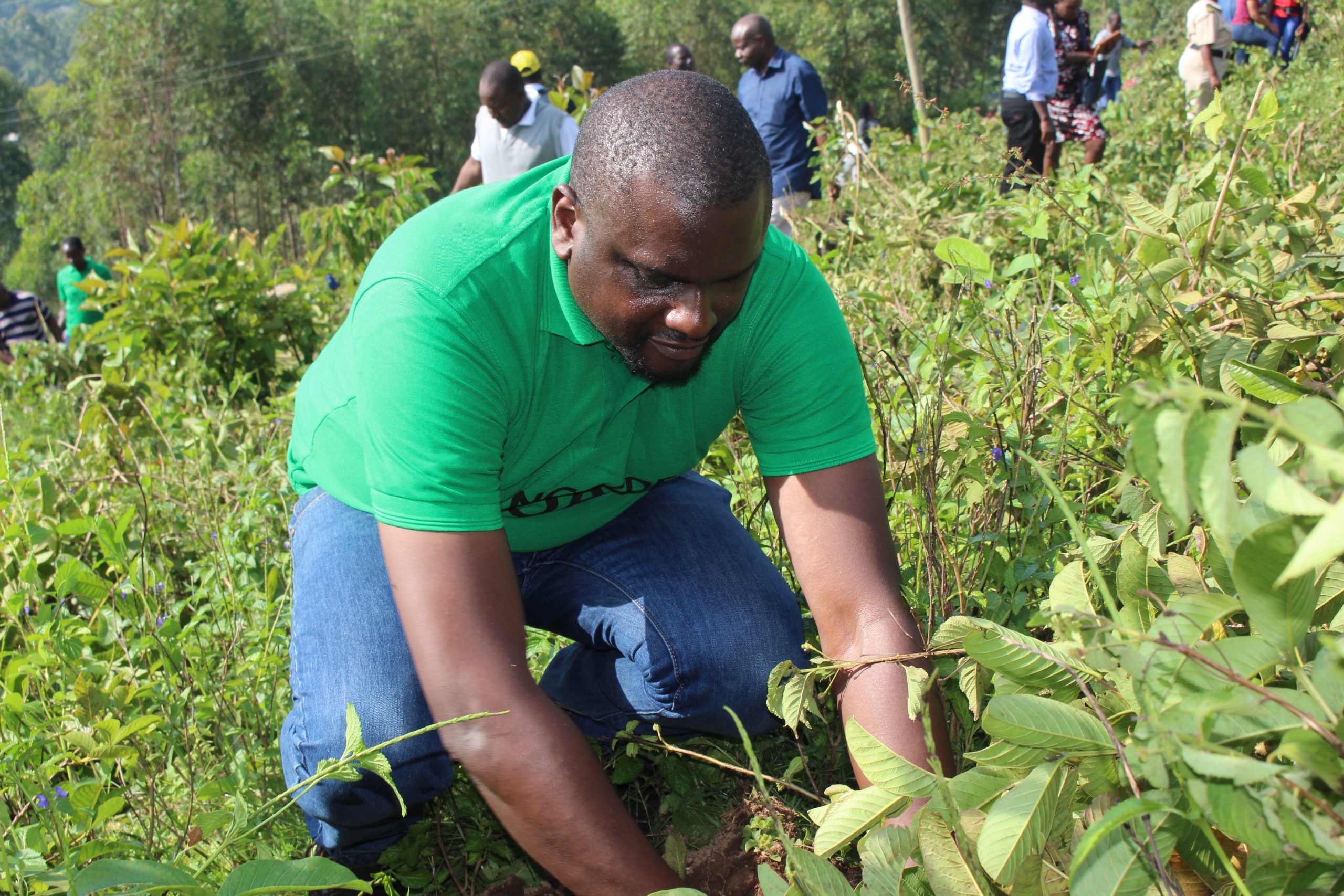
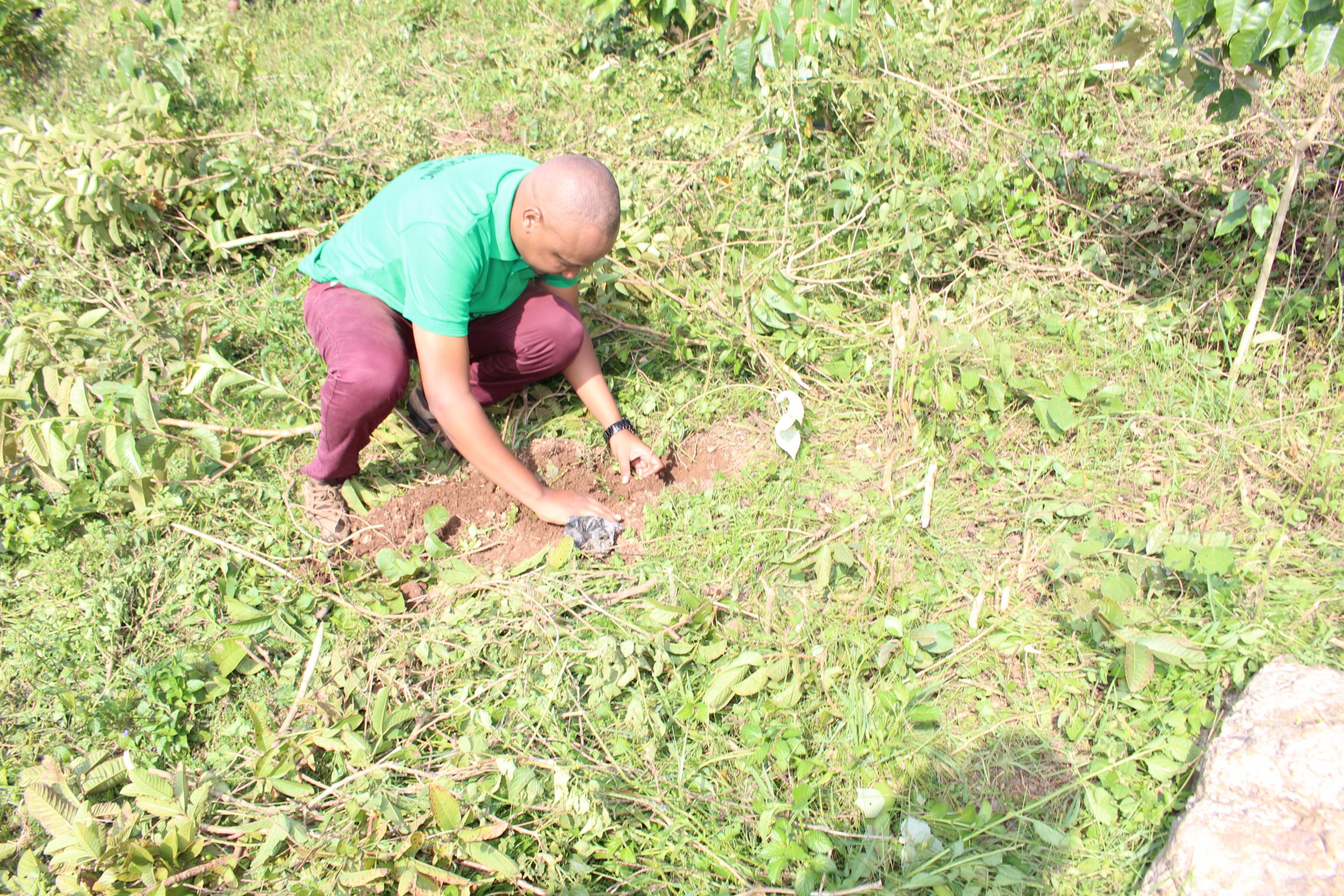
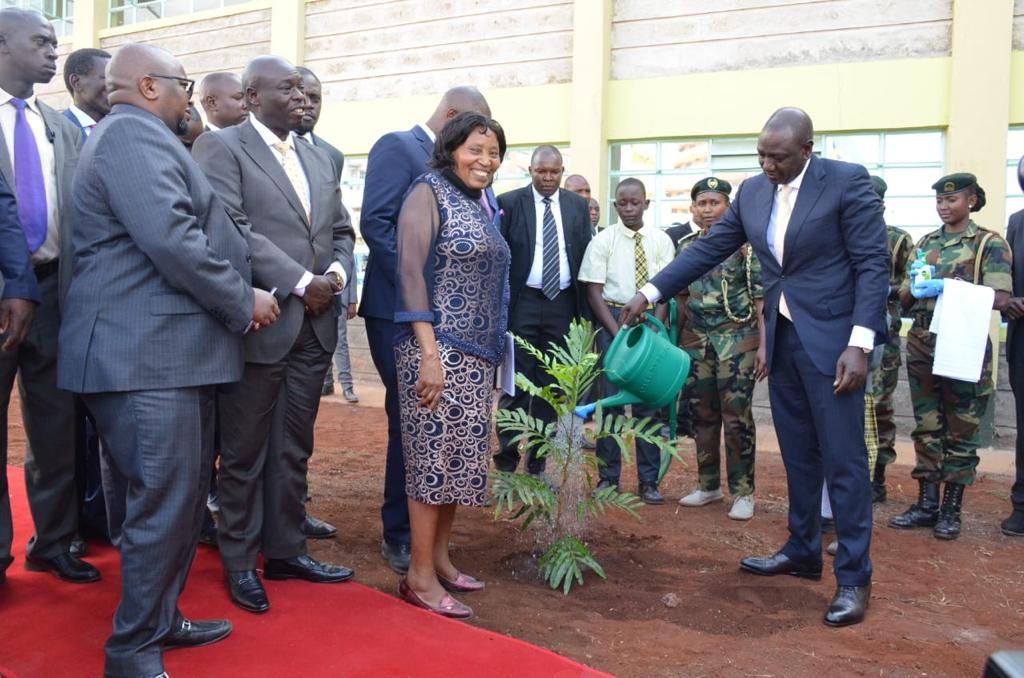
The focus of the environment and natural resources sector is to conserve, restore, and manage natural resources. It also aims to implement sustainable waste management and pollution control measures, promote sustainable exploitation of natural resources and the blue economy, and market and promote tourism. One of the sector’s goals is to increase tree cover from 12.1 percent in 2022 to 21 percent by 2027, as well as increase forest cover from 8.8 percent in 2022 to 17 percent by 2027 through tree planting and restoration campaigns.
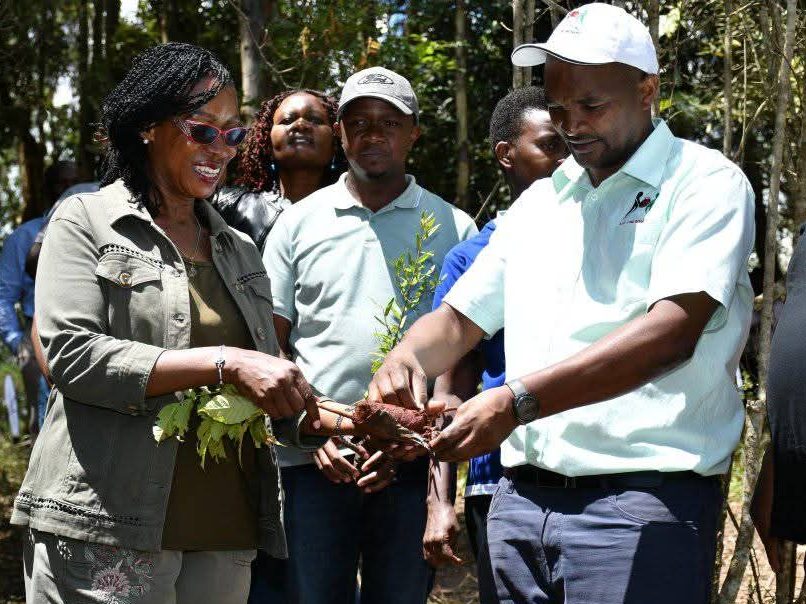
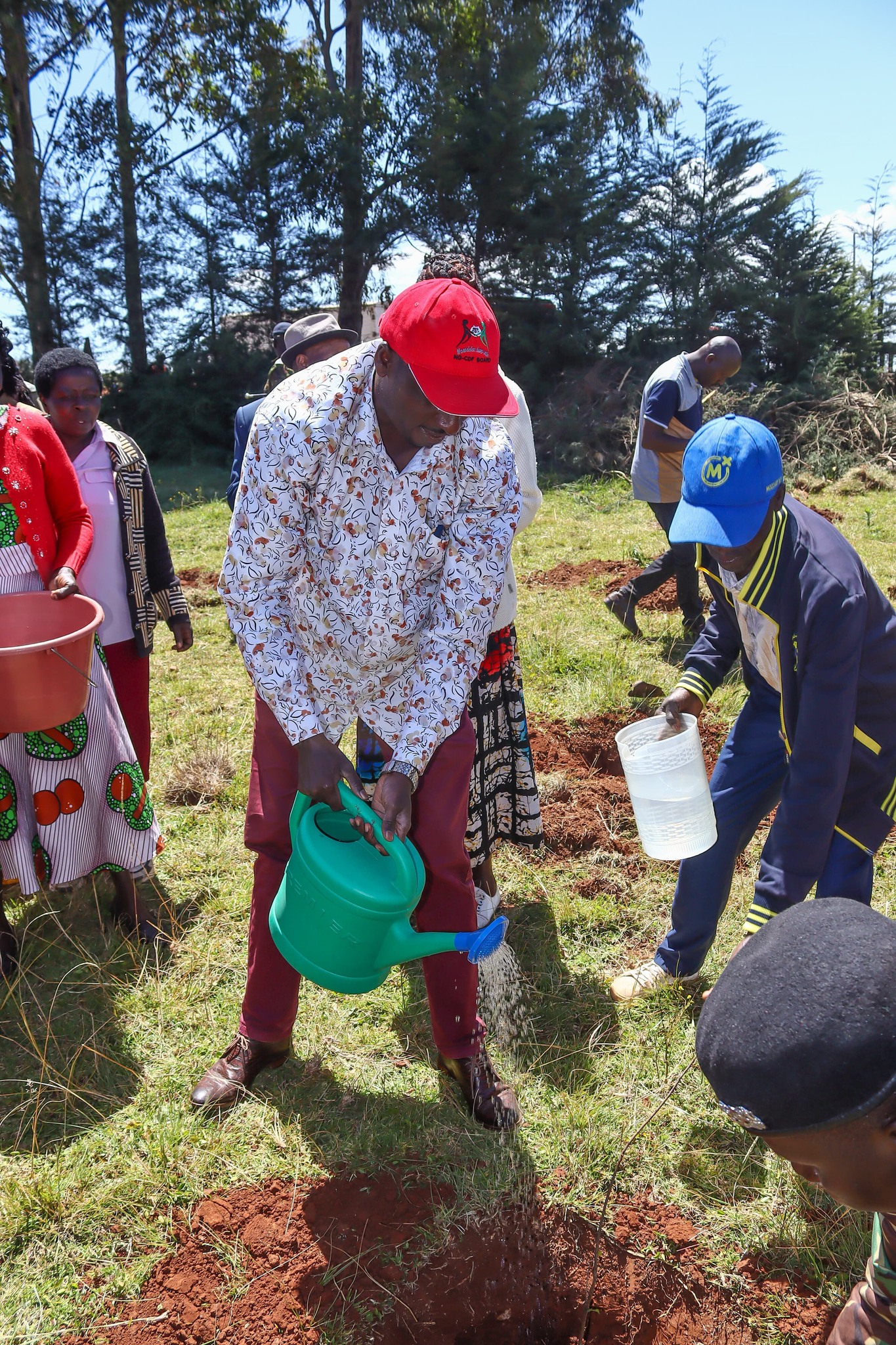
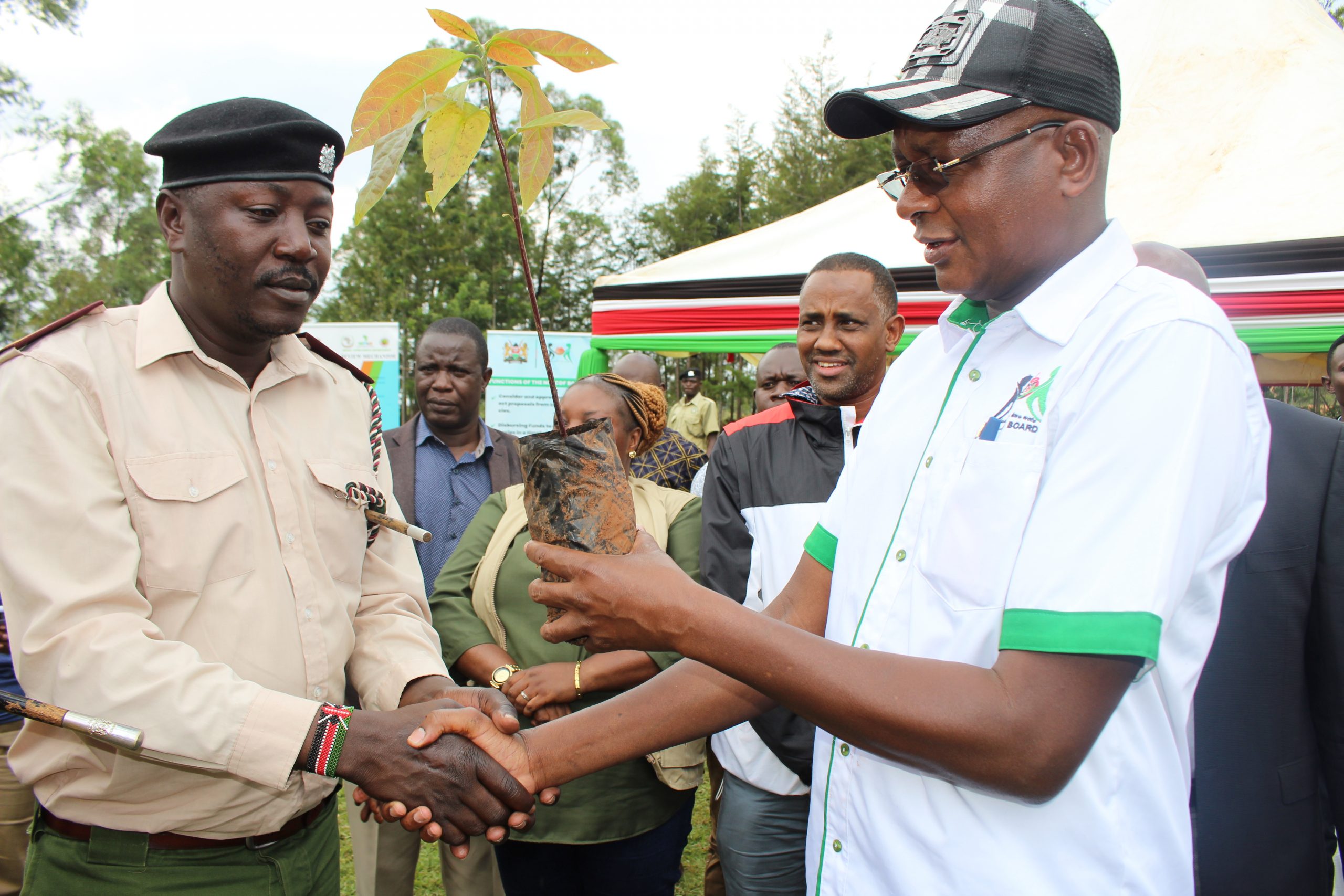
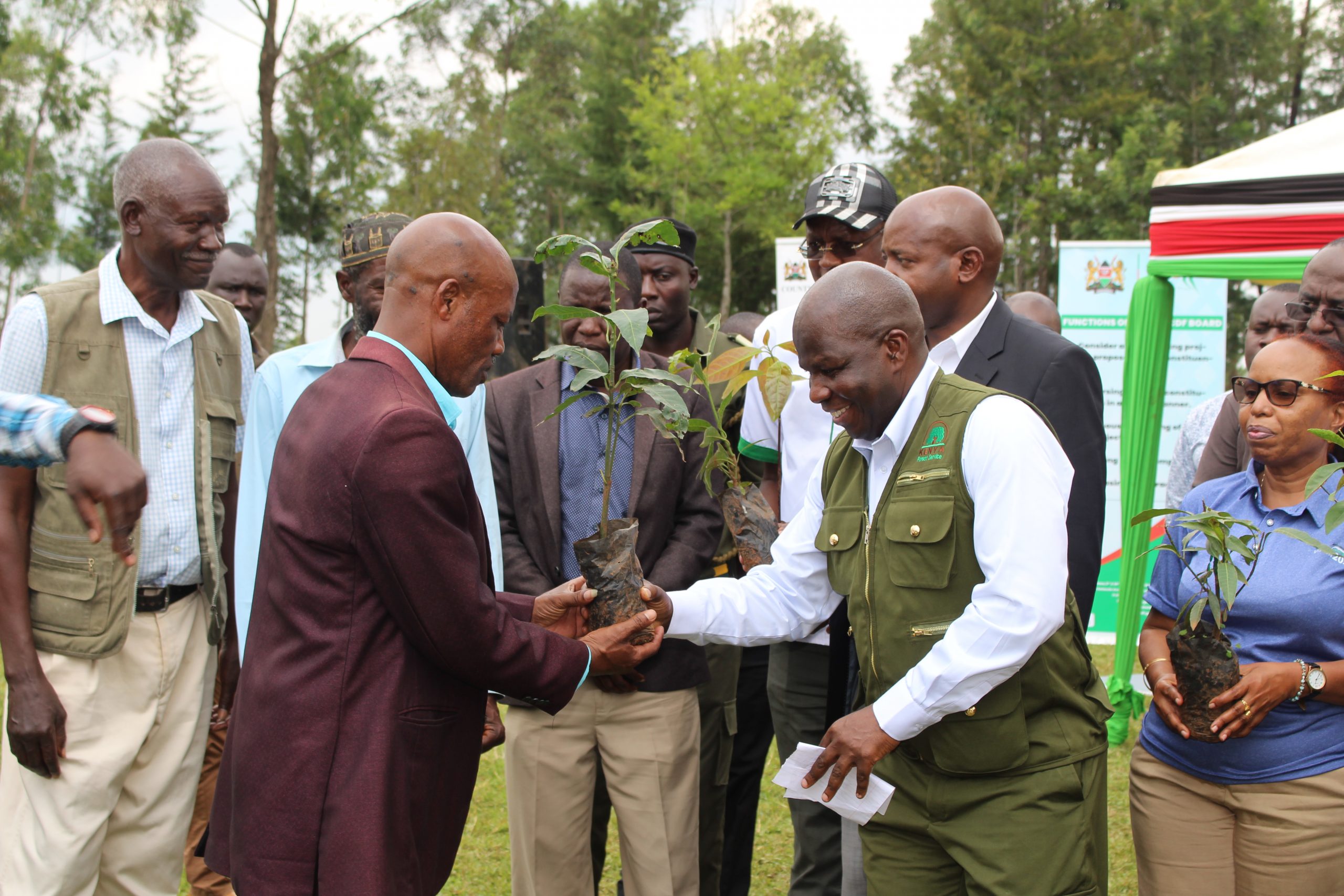
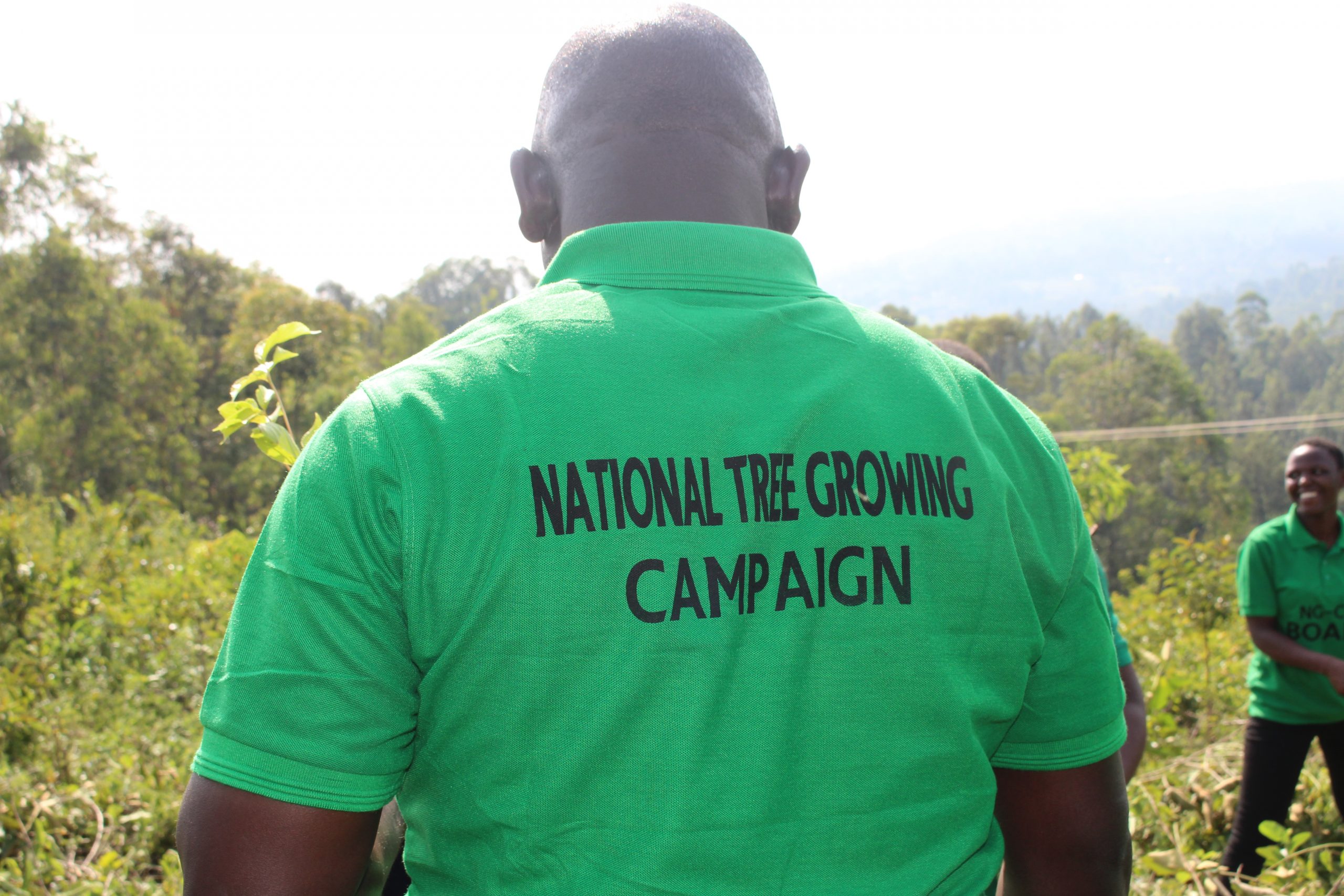
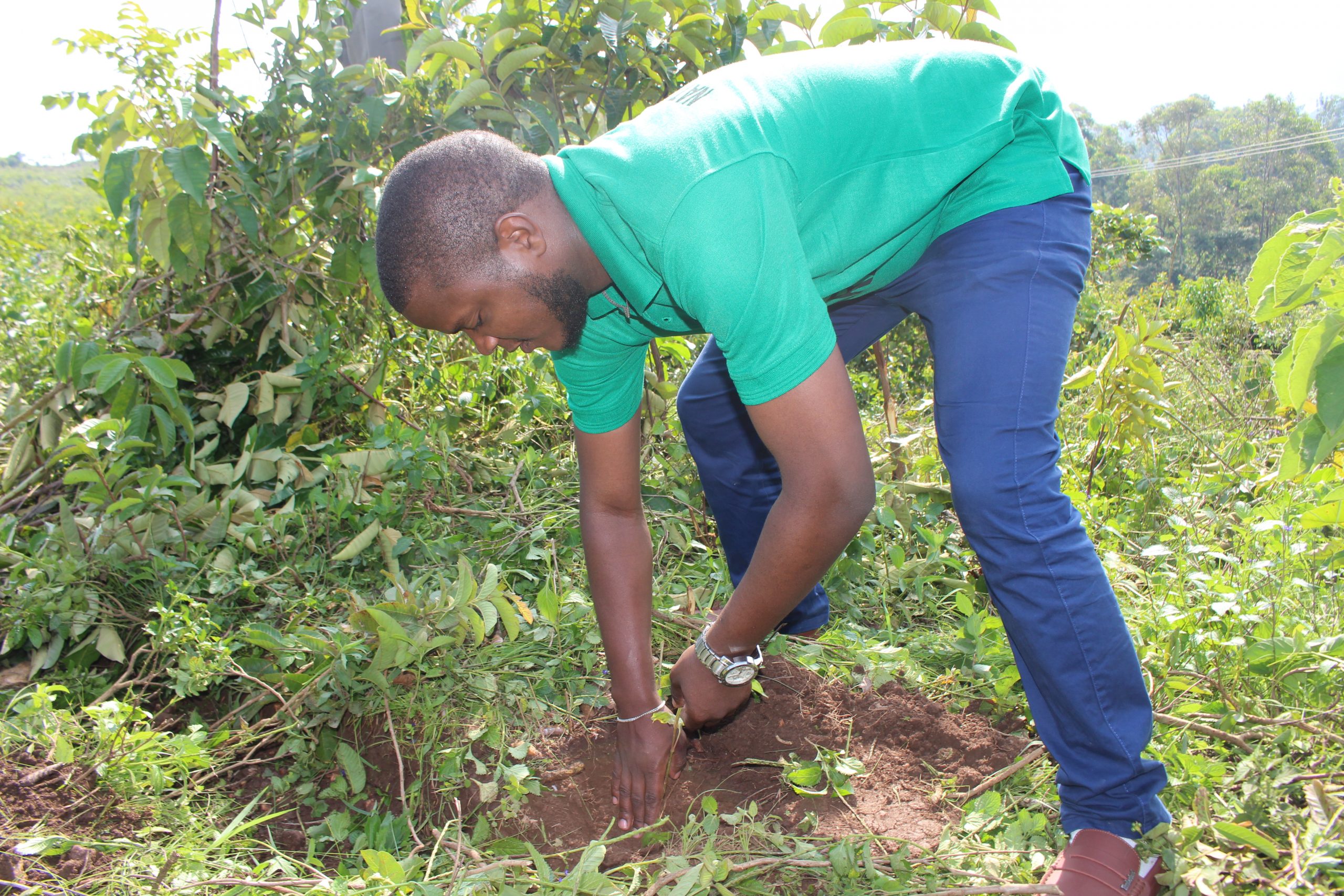
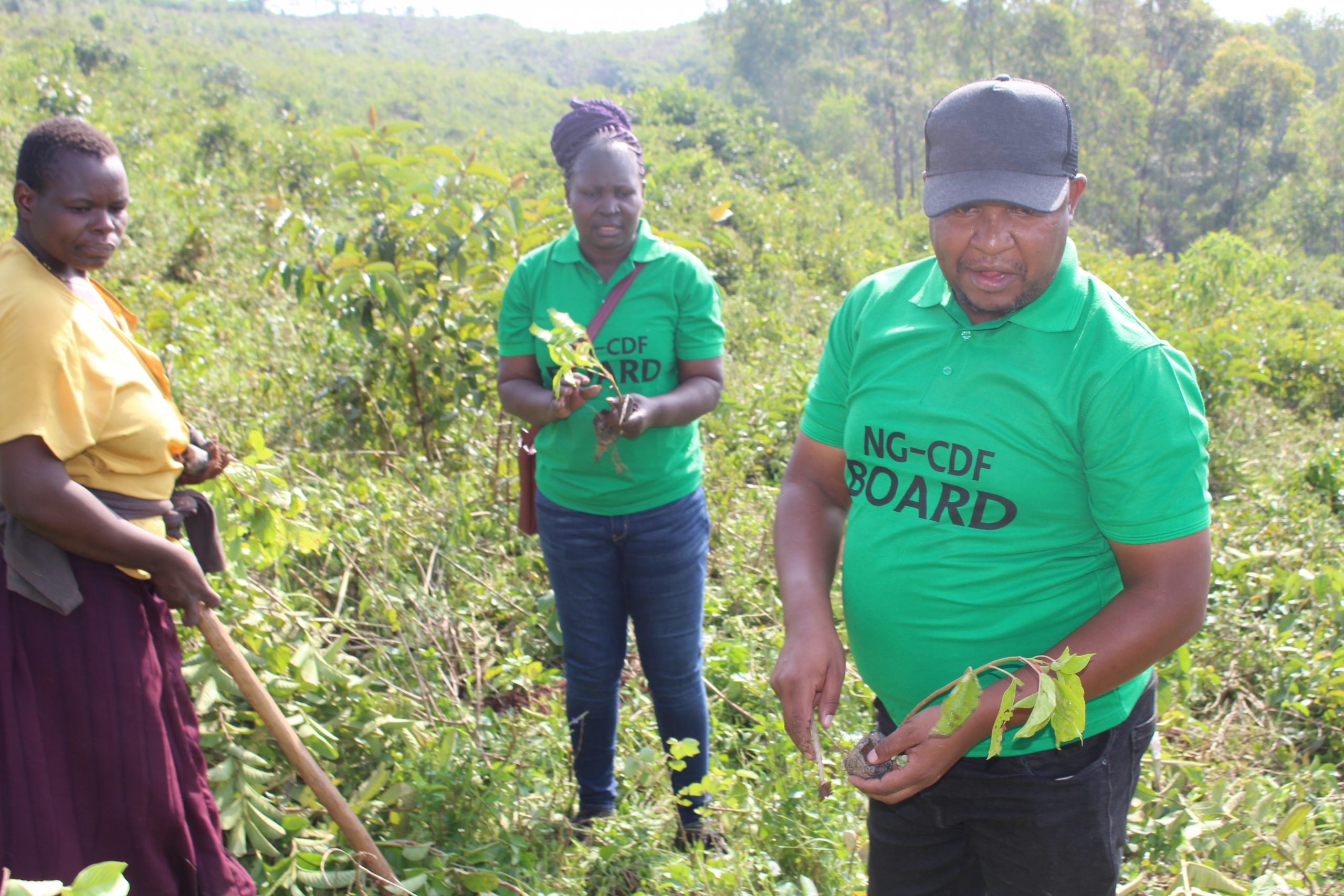
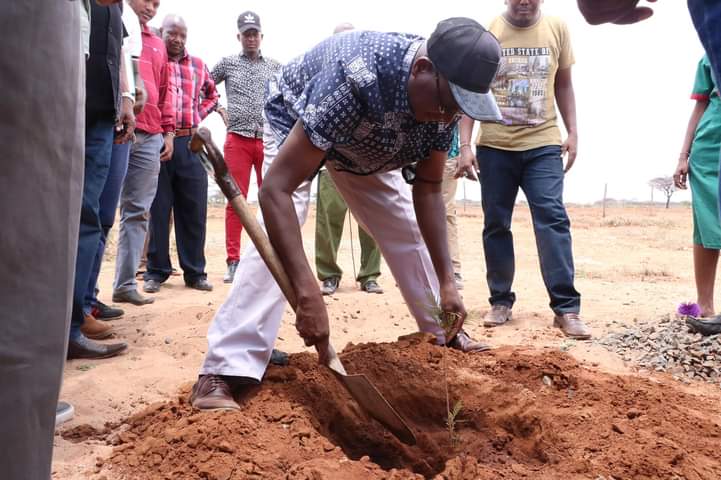
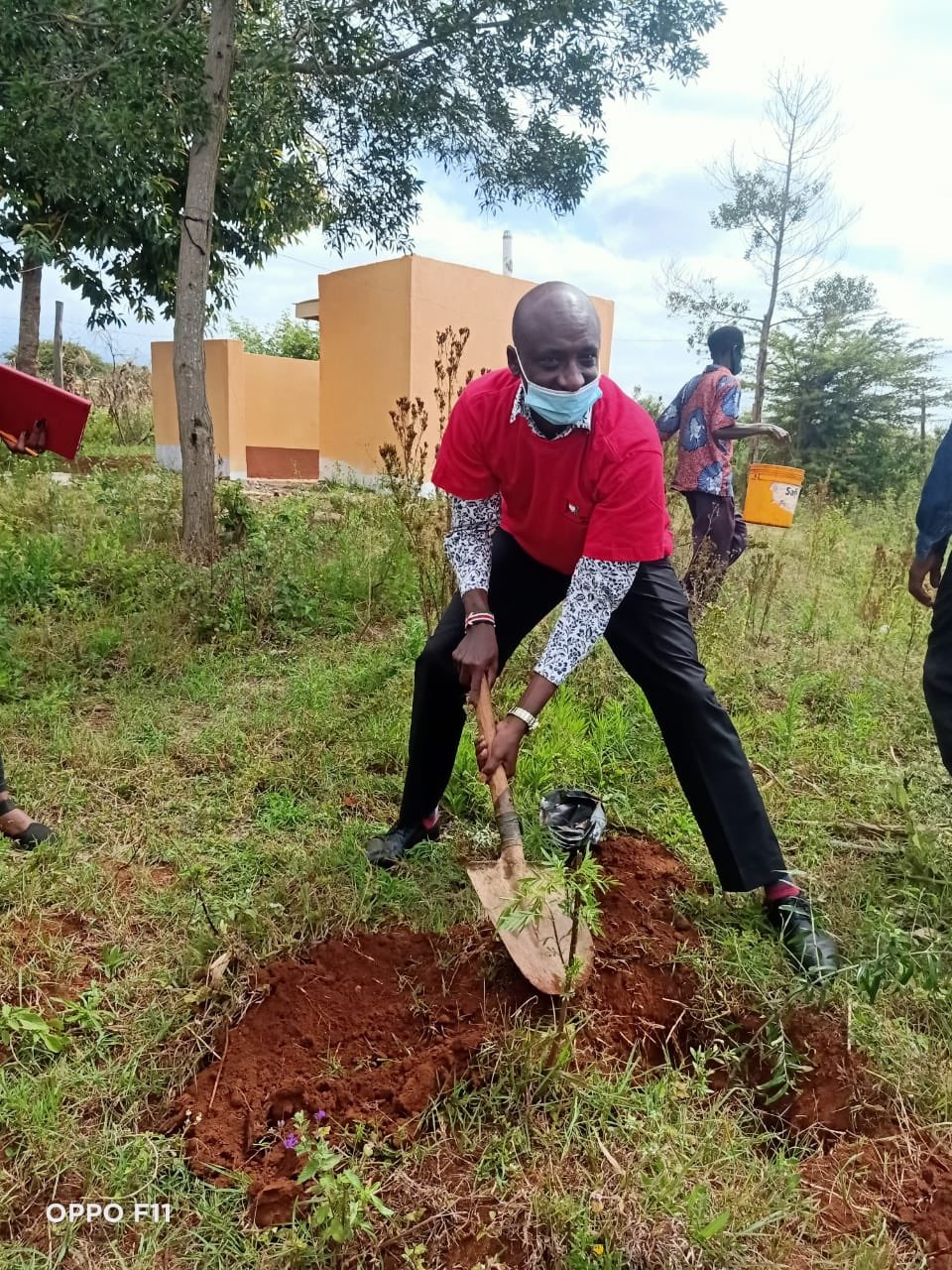
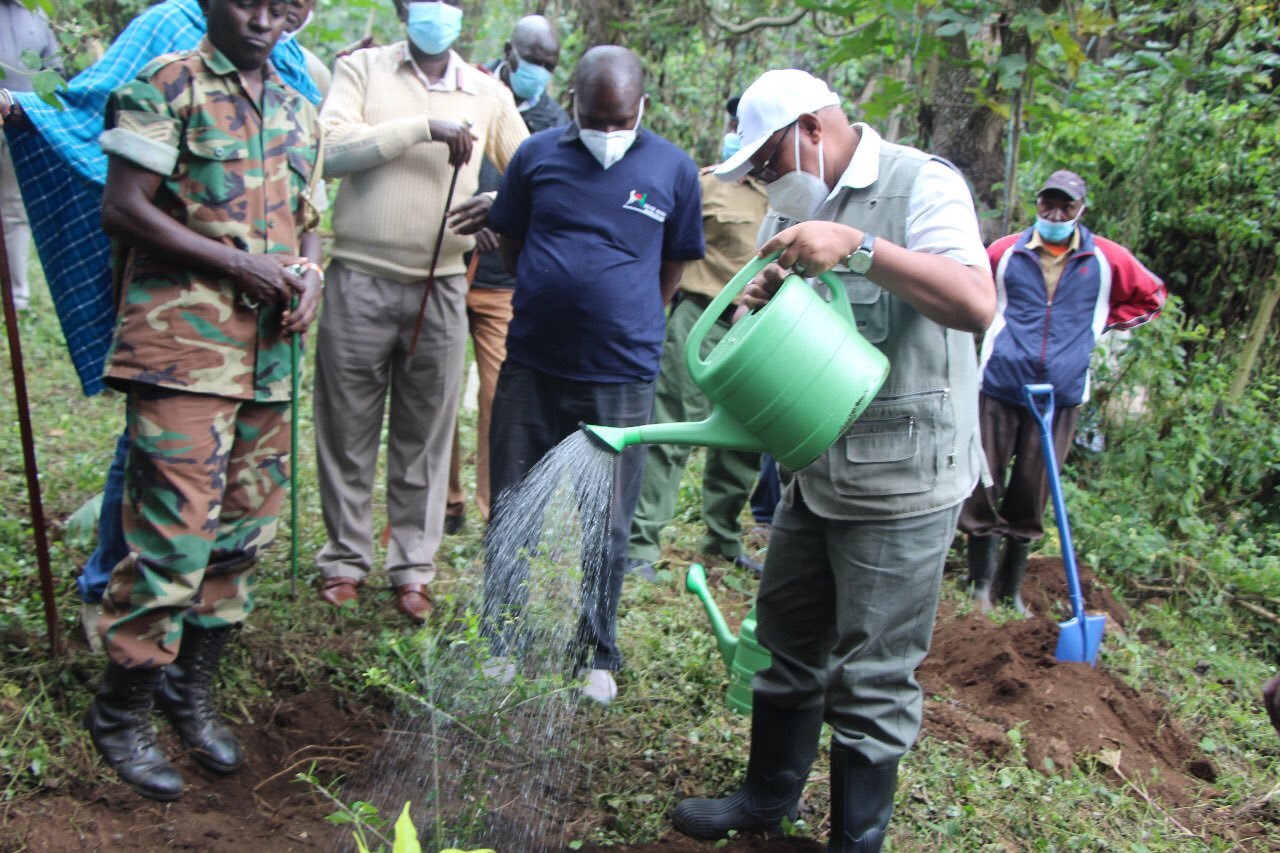
The Fund has allocated a maximum of 2% of its resources to climate change mitigation activities such as tree planting and waste management. However, the NG-CDF Act amendments of 2023 introduced climate change mitigation, allowing constituencies to allocate a maximum of 5% of their funds towards this cause. Additionally, the Fund supports landscape restoration through the 15 billion tree growing campaign.
Governance and Public Administration Sector
The main priority of the governance and public administration sector, is to strengthen security capabilities. This involves recruiting additional police, prison, and military officers, and expanding prison, police, and military infrastructure and equipment. To improve the welfare of security personnel, the sector focuses on developing infrastructure to support their operations, training, healthcare, and housing requirements.
The NG-CDF has played a crucial role in supporting the construction of national administration facilities, from the sub-county level to the sub-location level. This decentralization of administrative services brings them closer to the people and enhances service delivery.
Approximately 5.7% of the NG-CDF has been allocated to projects in the National Administration and Security sector. This allocation further contributes to efforts aimed at improving the welfare of security personnel. The funds have been used for the construction and renovation of offices, police posts, and police stations. This investment in infrastructure not only improves the working conditions of our security personnel but also enhances their capacity to effectively serve the public.
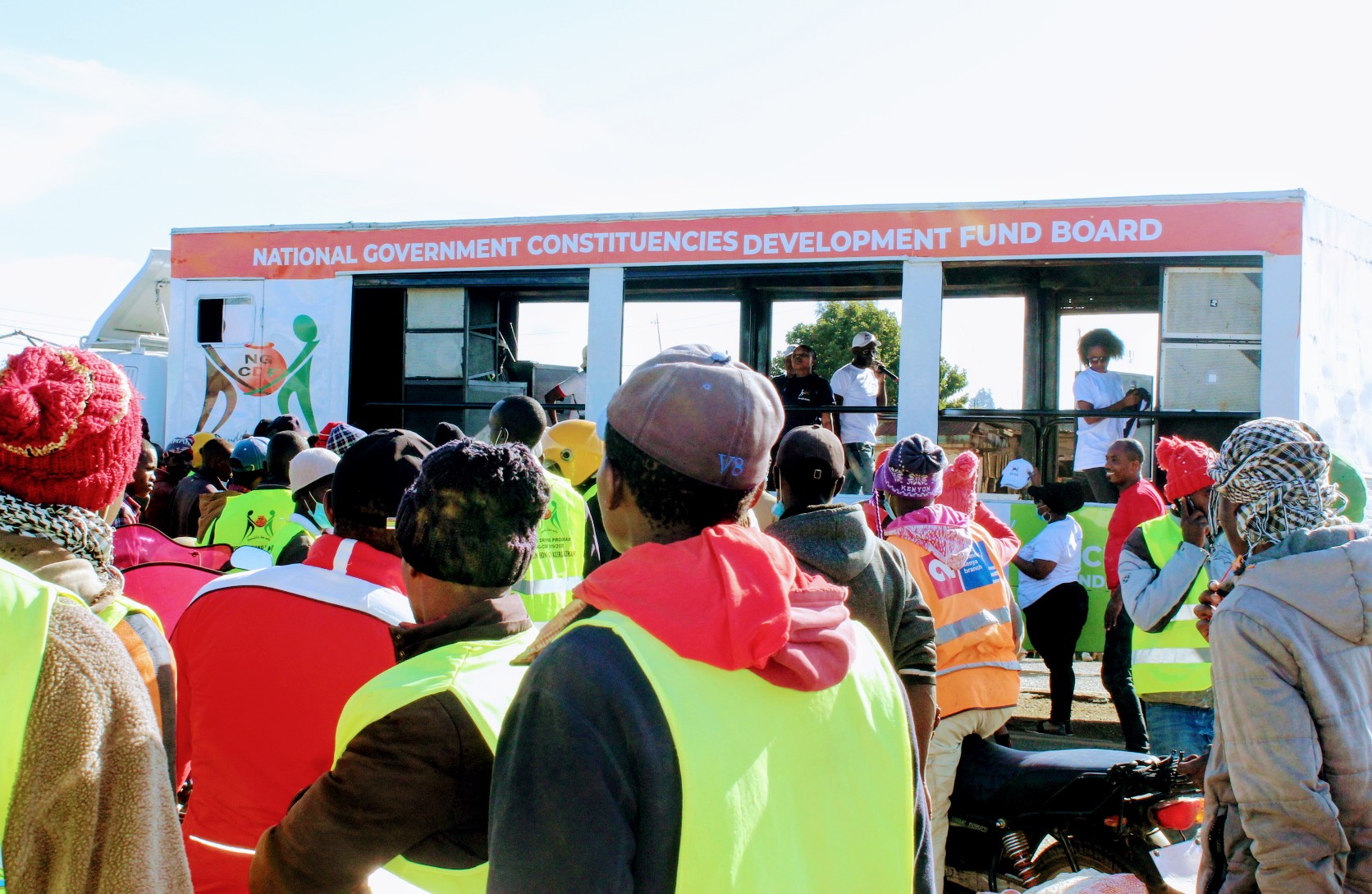
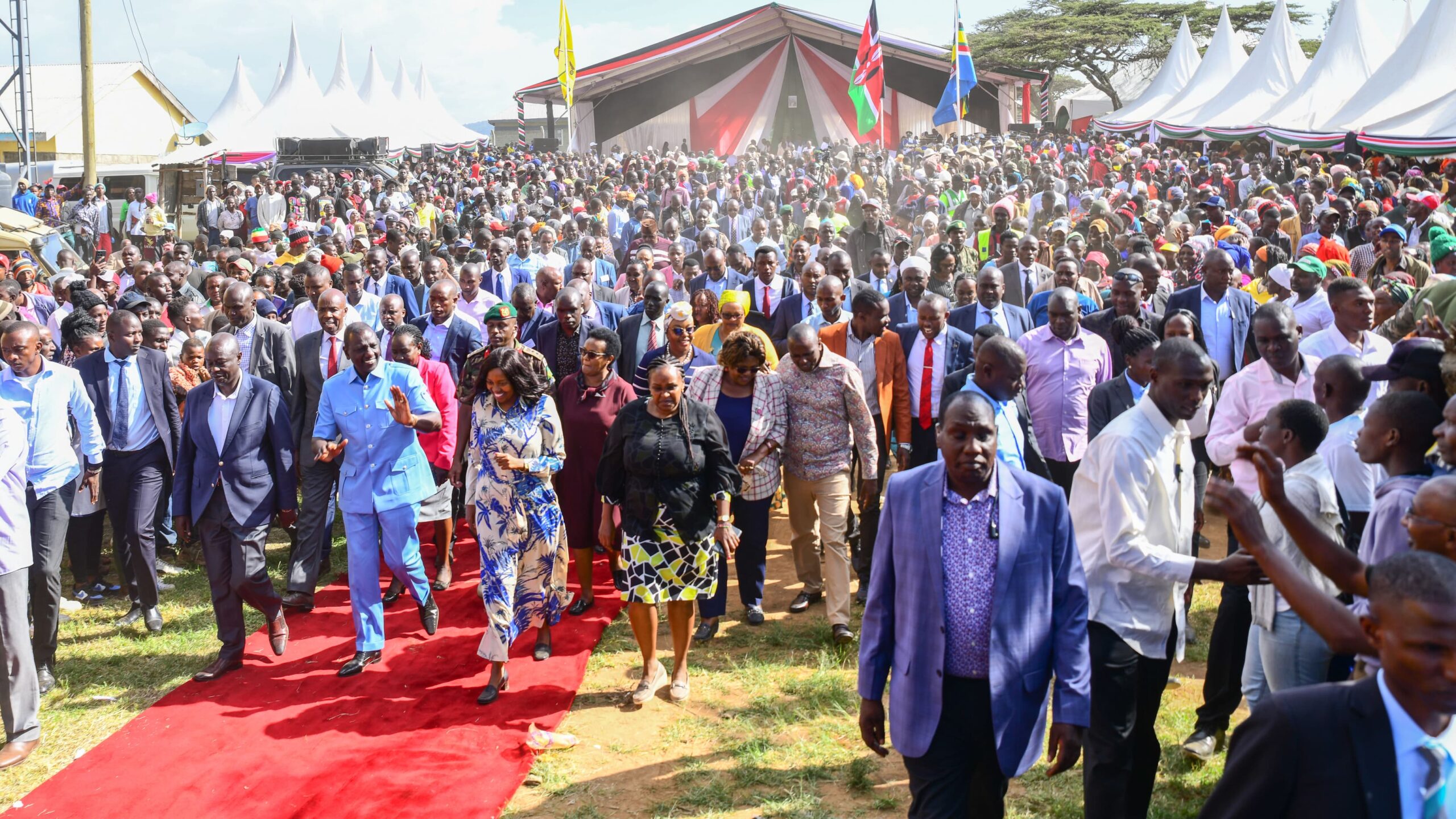
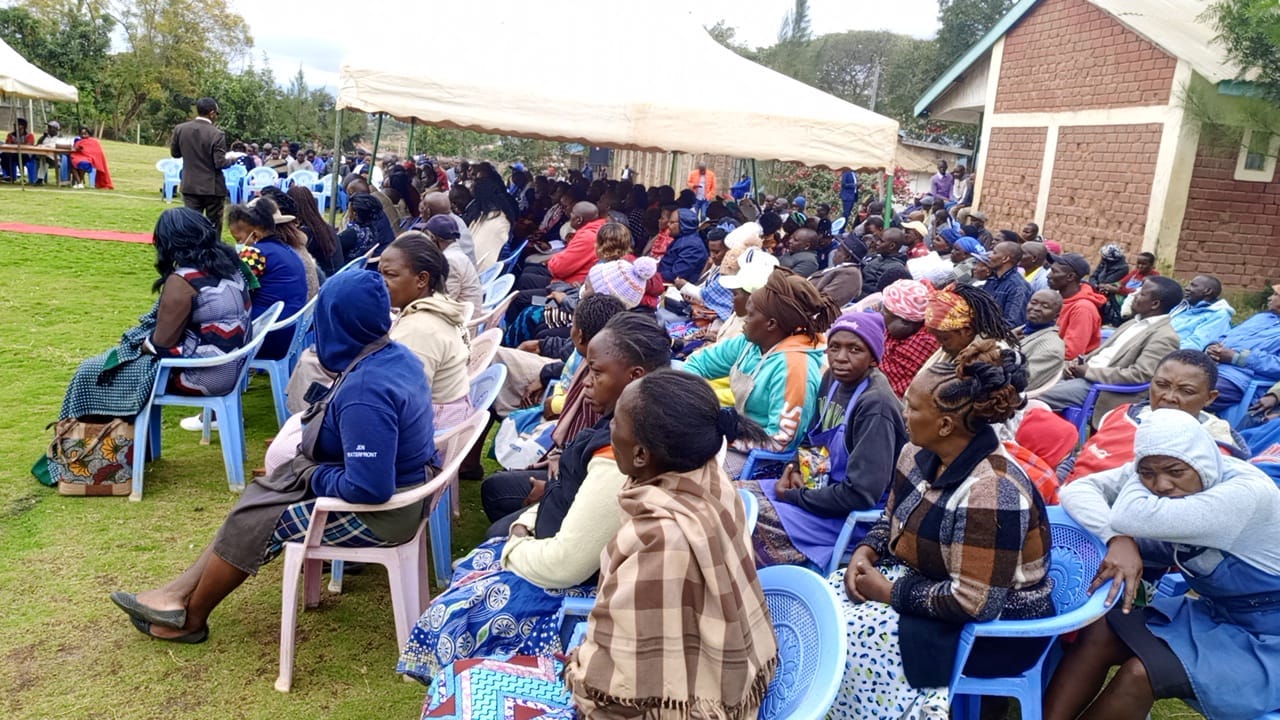
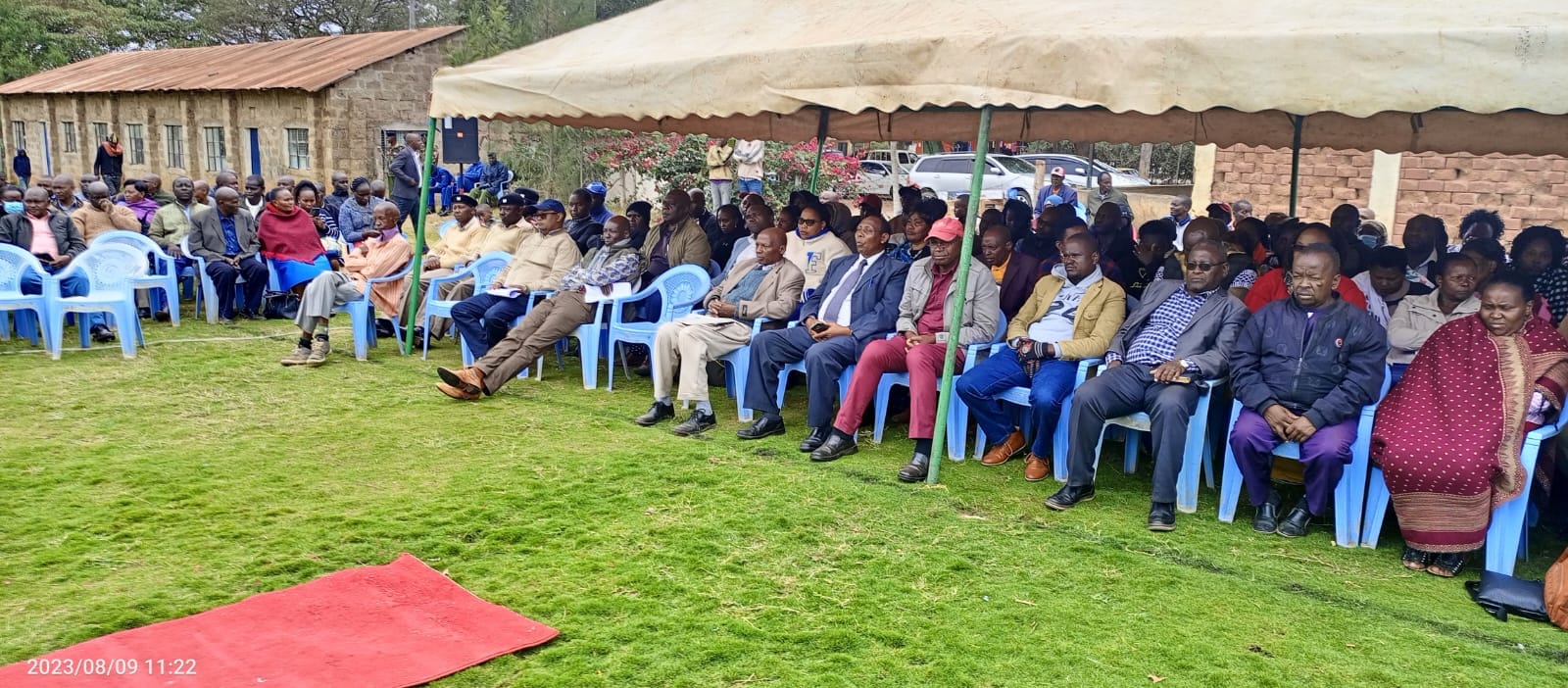
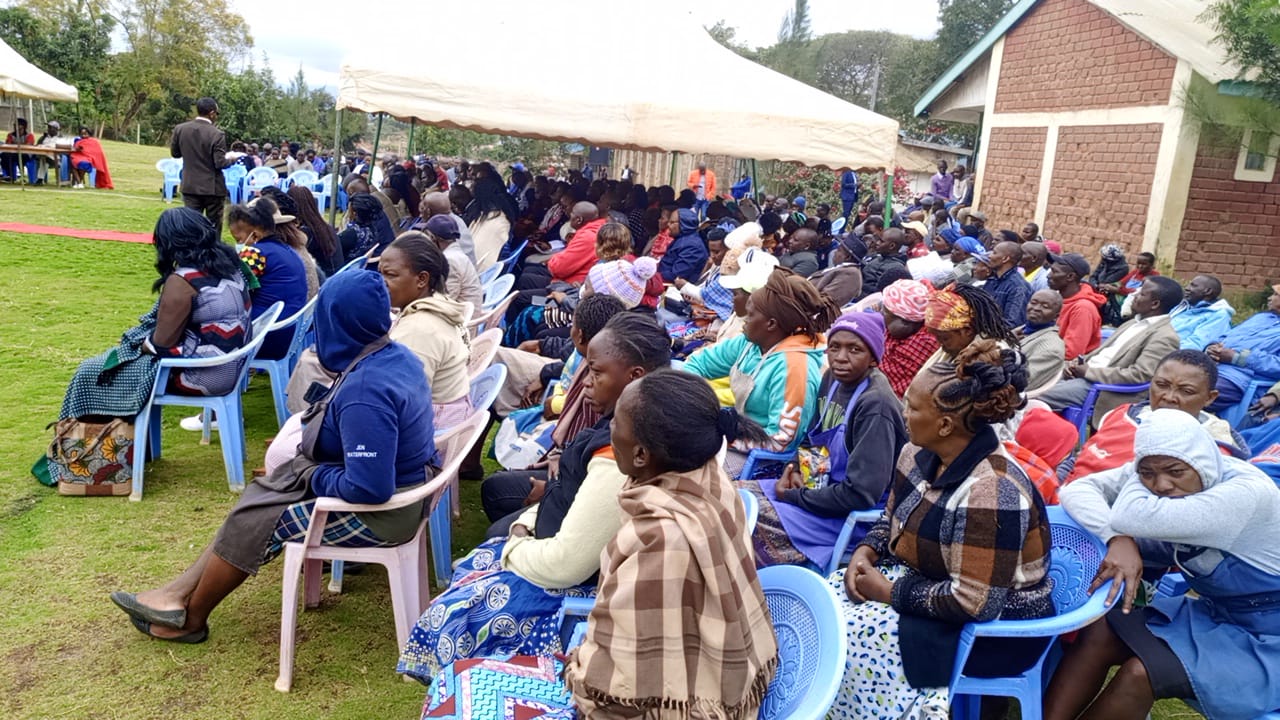
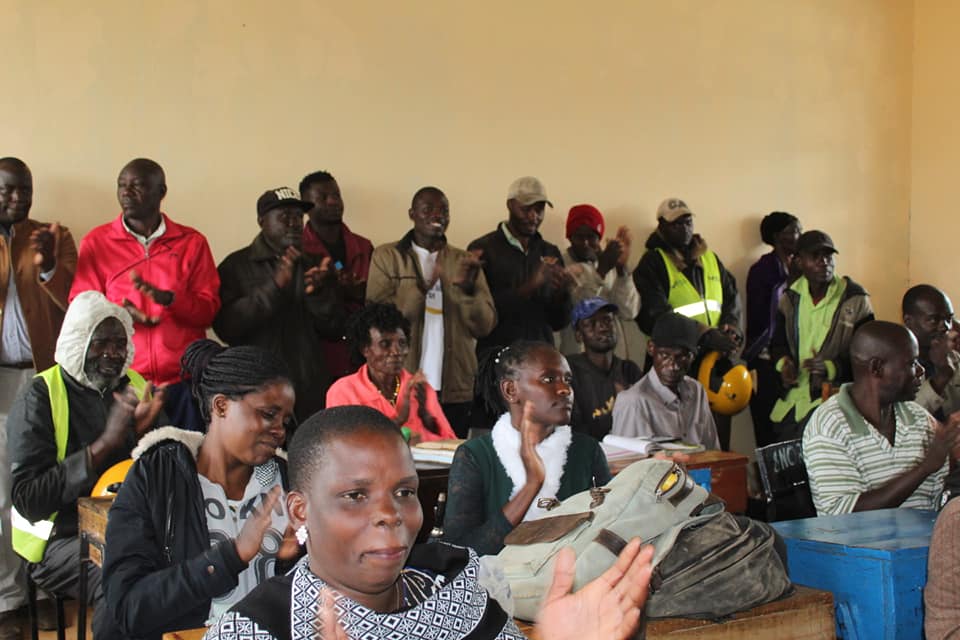
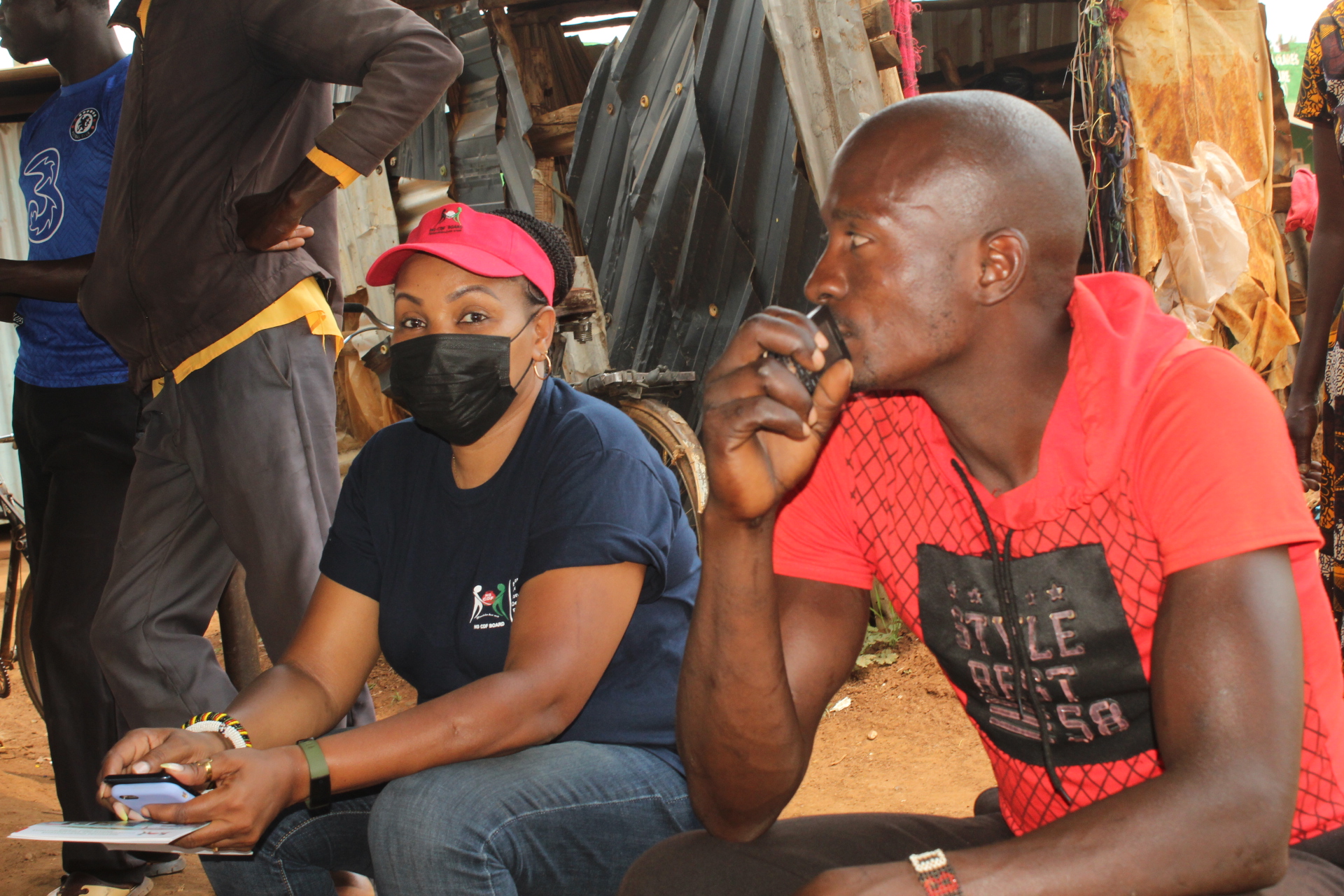
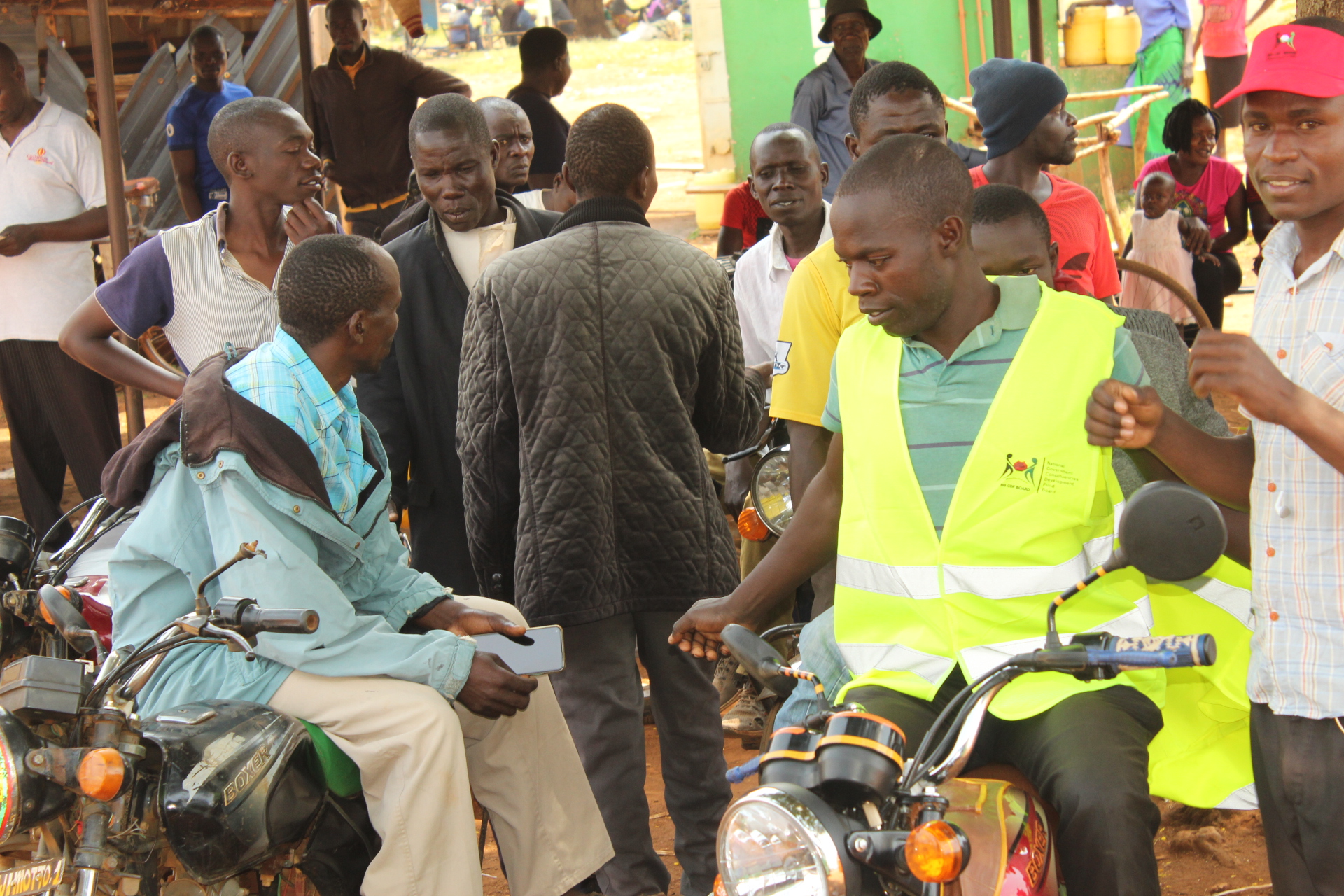
- Community Participation: NG-CDF promotes community participation in decision-making processes to ensure that funded projects align with local needs and
- Capacity Building: The fund offers training and resources to local leaders and administrators to enhance governance and improve the efficiency of public service
Conclusion
The Fund plays a significant role in Kenya’s economic transformation by empowering communities, promoting inclusive growth, and aligning with national development priorities outlined in BETA and Vision 2030. Through targeted investments and collaboration across sectors, NG-CDF is contributing to a more prosperous and equitable future for all Kenyans.
Recent News

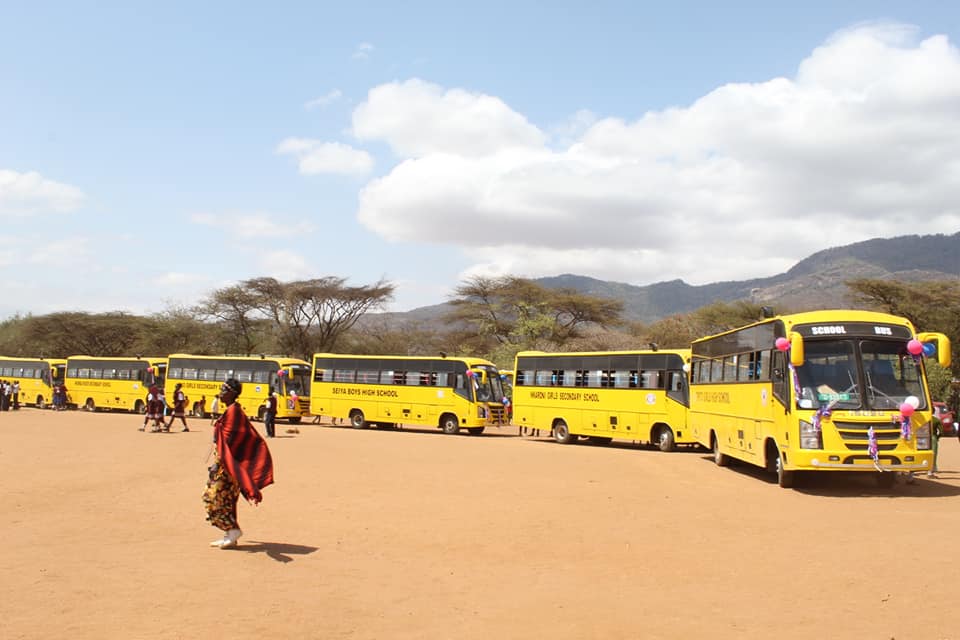
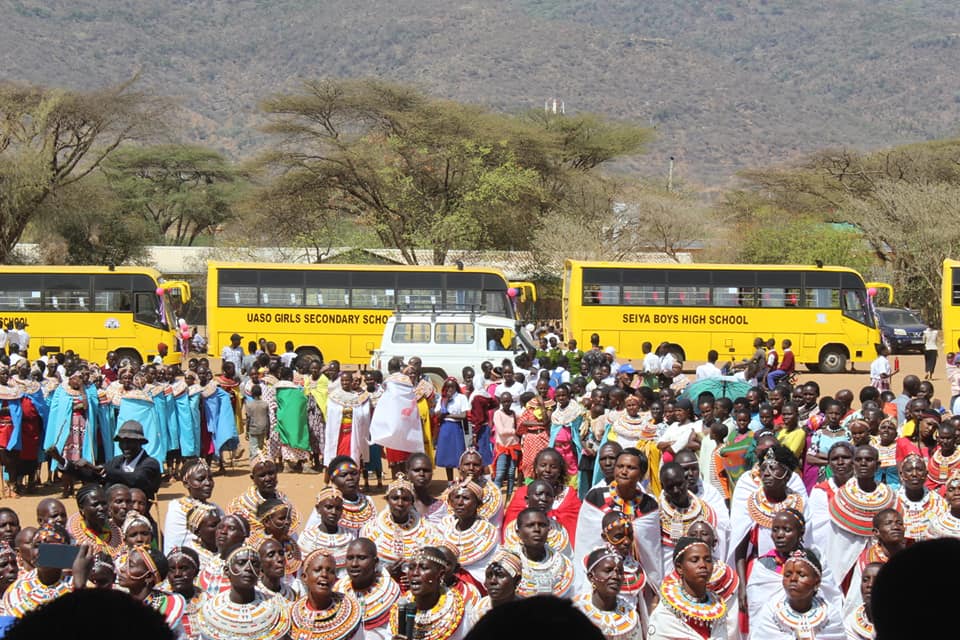
NG-CDF Boosts Education Infrastructure in Karachuonyo with School Bus Handover and Dining Hall Project Inspection

𝐈𝐧𝐯𝐞𝐬𝐭𝐢𝐧𝐠 𝐢𝐧 𝐃𝐢𝐠𝐧𝐢𝐭𝐲, 𝐒𝐚𝐟𝐞𝐭𝐲 & 𝐄𝐝𝐮𝐜𝐚𝐭𝐢𝐨𝐧

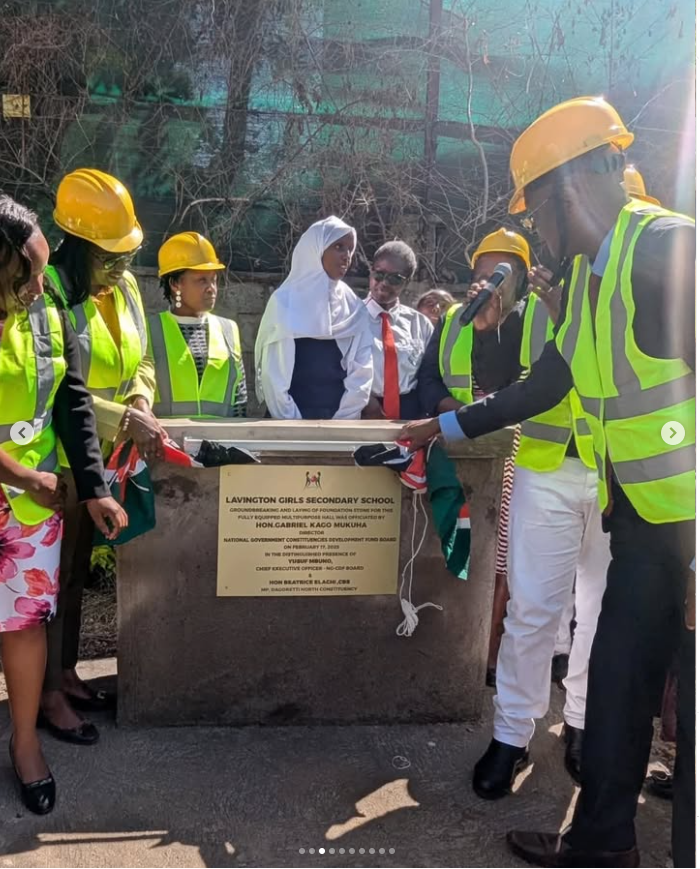
Groundbreaking Ceremony Nguraru Comprehensive School Wundanyi Constituency

Strengthening Security: Riat Kolemo Police Station Takes Shape

NG-CDF Board Champions Excellence Through Best Practice Demonstration Programme

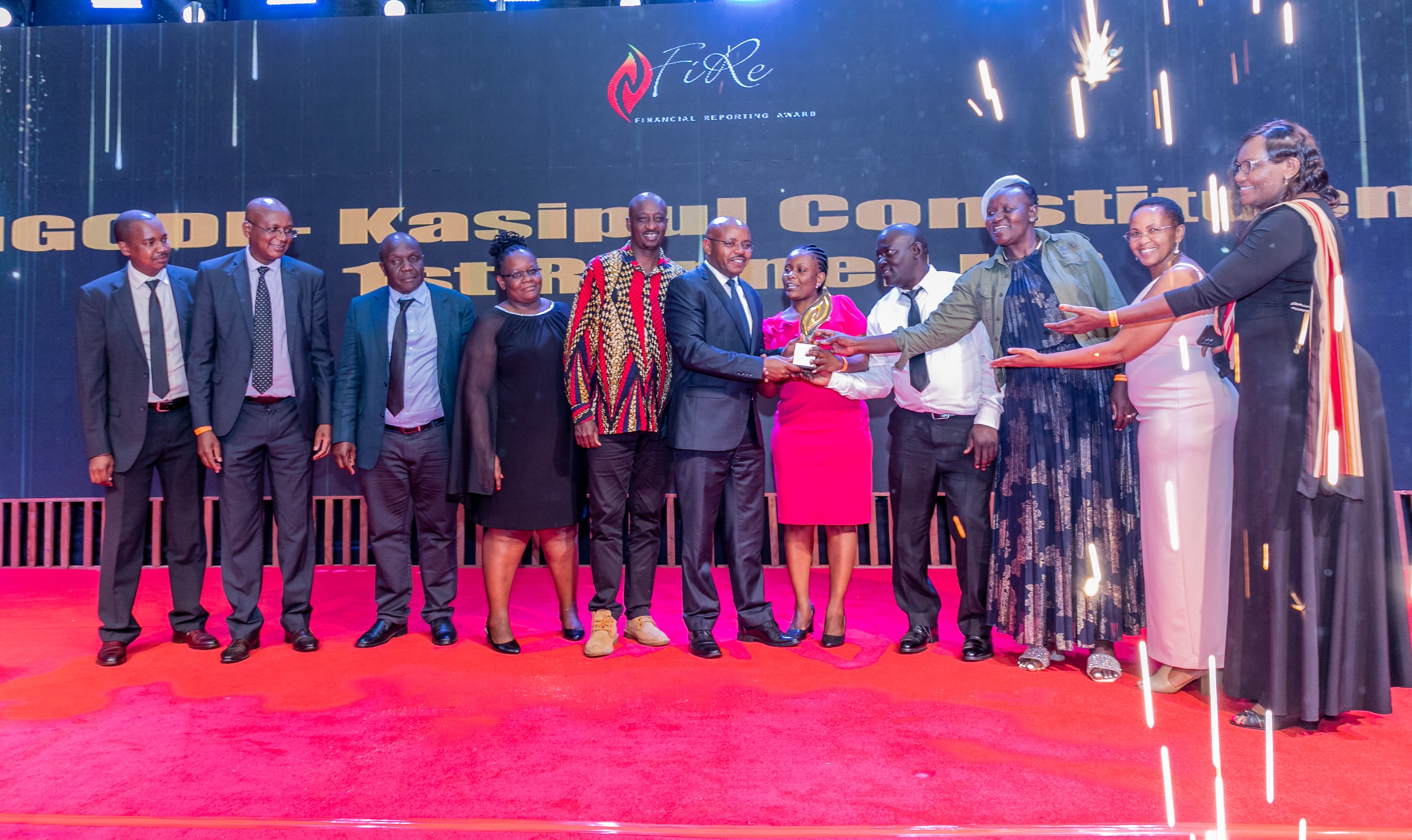
🏆 FiRe Awards 2025: Celebrating Kibwezi East Constituency for Financial Excellence

President Ruto Launches KMTC Malava Campus, Boosting Healthcare Training in Western Kenya

𝐇𝐨𝐧𝐨𝐫𝐢𝐧𝐠 𝐚 𝐍𝐚𝐭𝐢𝐨𝐧𝐚𝐥 𝐈𝐜𝐨𝐧: 𝐅𝐚𝐫𝐞𝐰𝐞𝐥𝐥 𝐭𝐨 𝐑𝐭. 𝐇𝐨𝐧. 𝐑𝐚𝐢𝐥𝐚 𝐀𝐦𝐨𝐥𝐨 𝐎𝐝𝐢𝐧𝐠𝐚

𝐍𝐆-𝐂𝐃𝐅 𝐁𝐨𝐚𝐫𝐝 𝐄𝐦𝐩𝐨𝐰𝐞𝐫𝐬 𝐋𝐞𝐚𝐫𝐧𝐞𝐫𝐬 𝐰𝐢𝐭𝐡 𝐈𝐂𝐓 𝐒𝐤𝐢𝐥𝐥𝐬 𝐚𝐭 𝐍𝐲𝐚𝐠𝐚 𝐒𝐞𝐜𝐨𝐧𝐝𝐚𝐫𝐲 𝐒𝐜𝐡𝐨𝐨𝐥

𝑻𝒓𝒂𝒏𝒔𝒇𝒐𝒓𝒎𝒊𝒏𝒈 𝑪𝒐𝒎𝒎𝒖𝒏𝒊𝒕𝒊𝒆𝒔, 𝑶𝒏𝒆 𝑷𝒓𝒐𝒋𝒆𝒄𝒕 𝒂𝒕 𝒂 𝑻𝒊𝒎𝒆